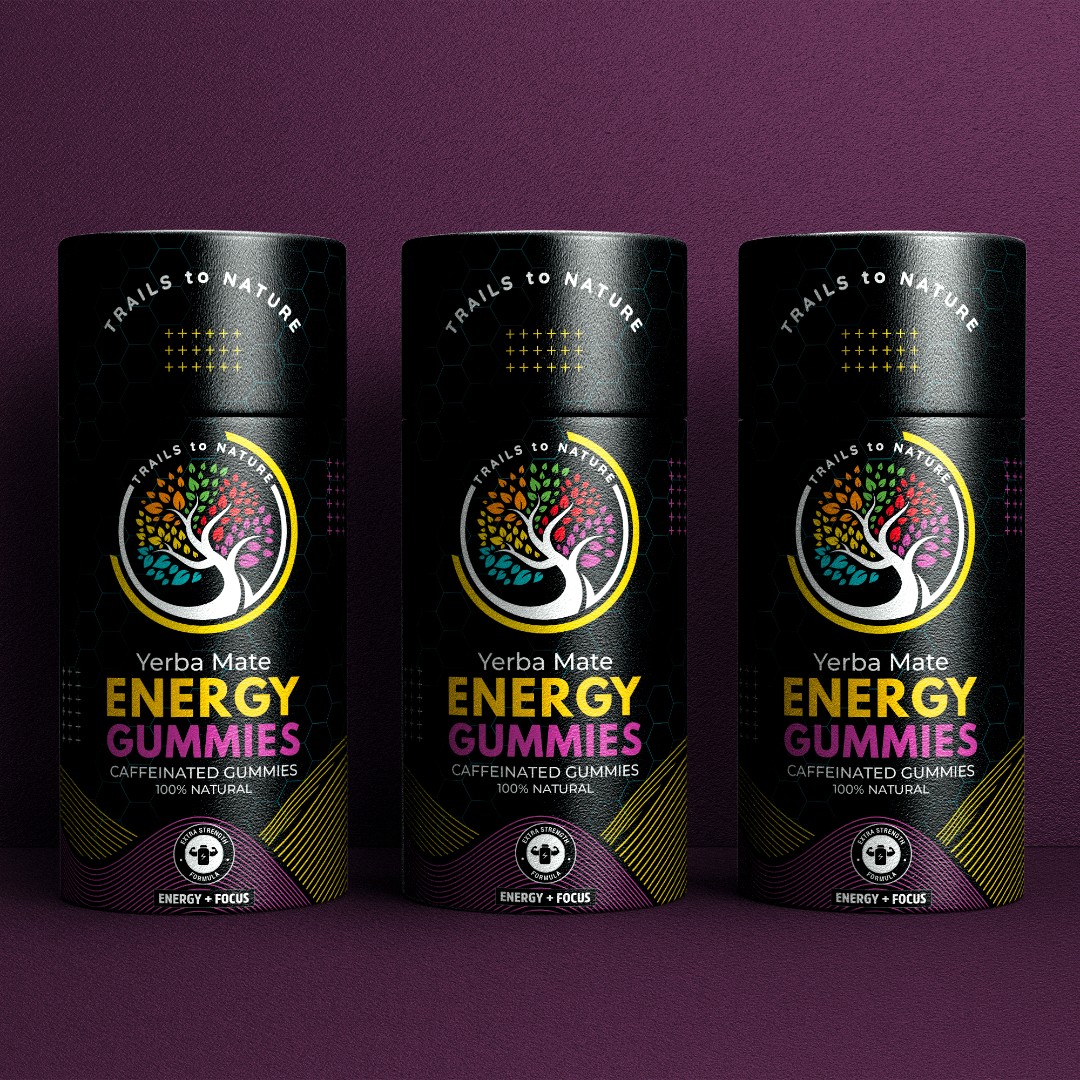
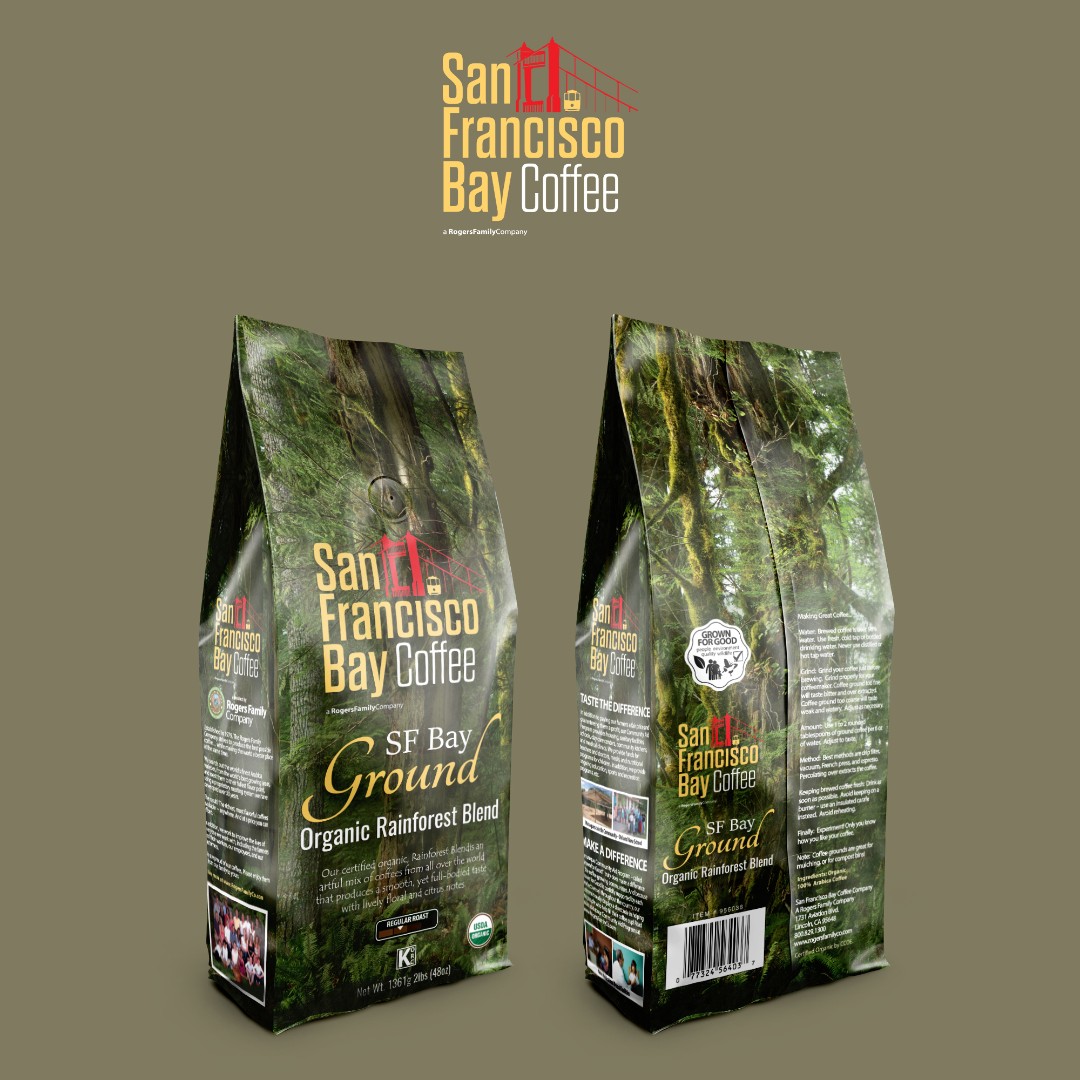
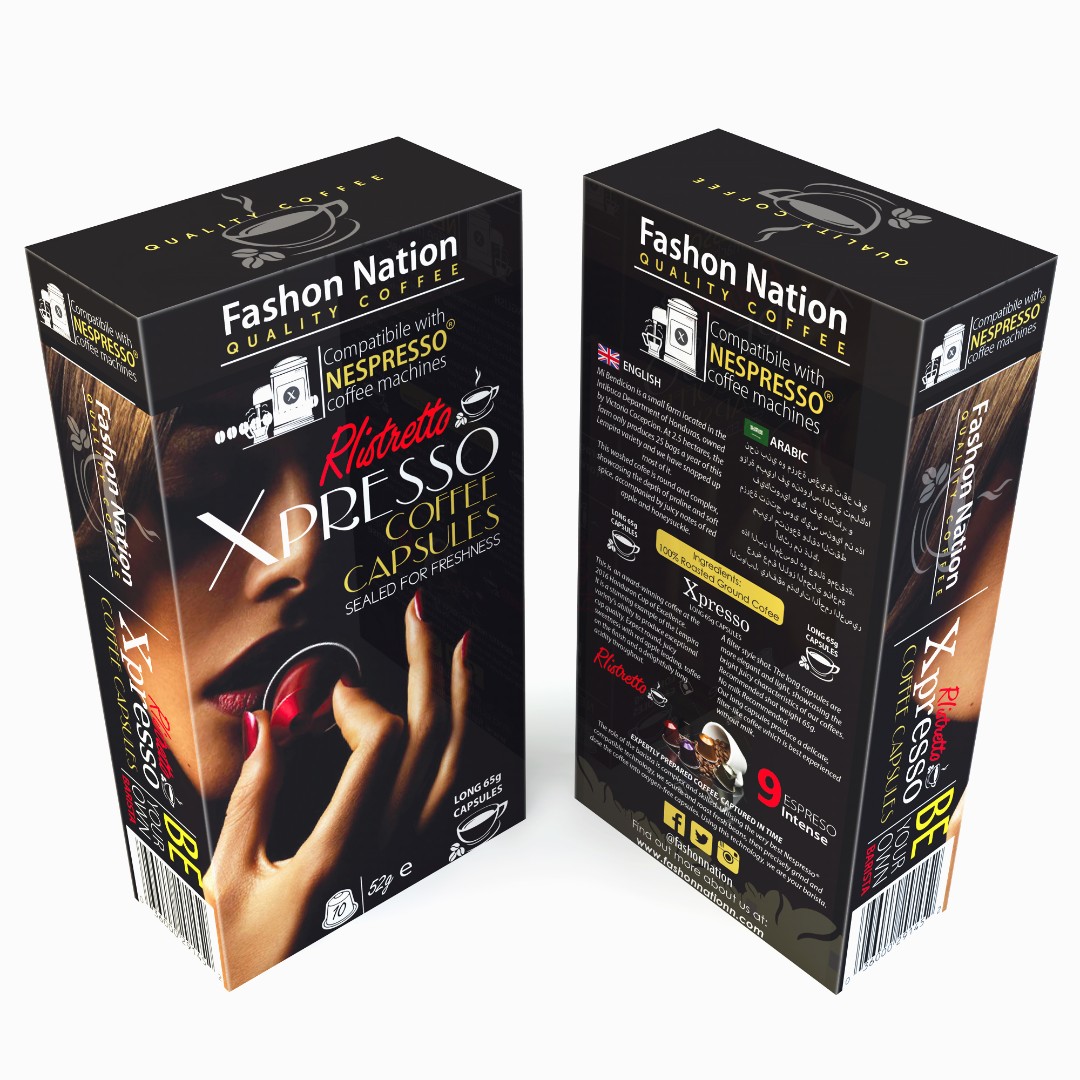
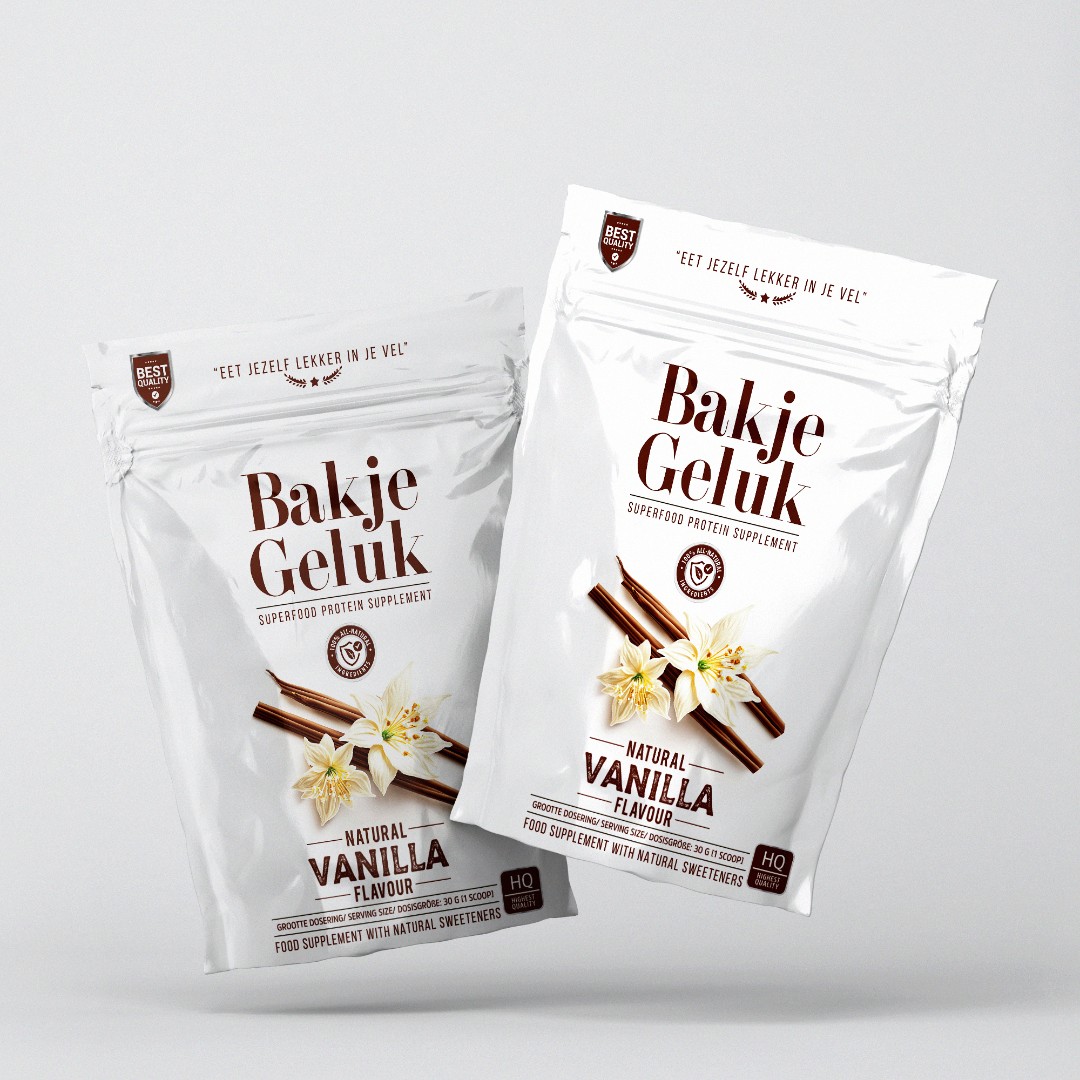
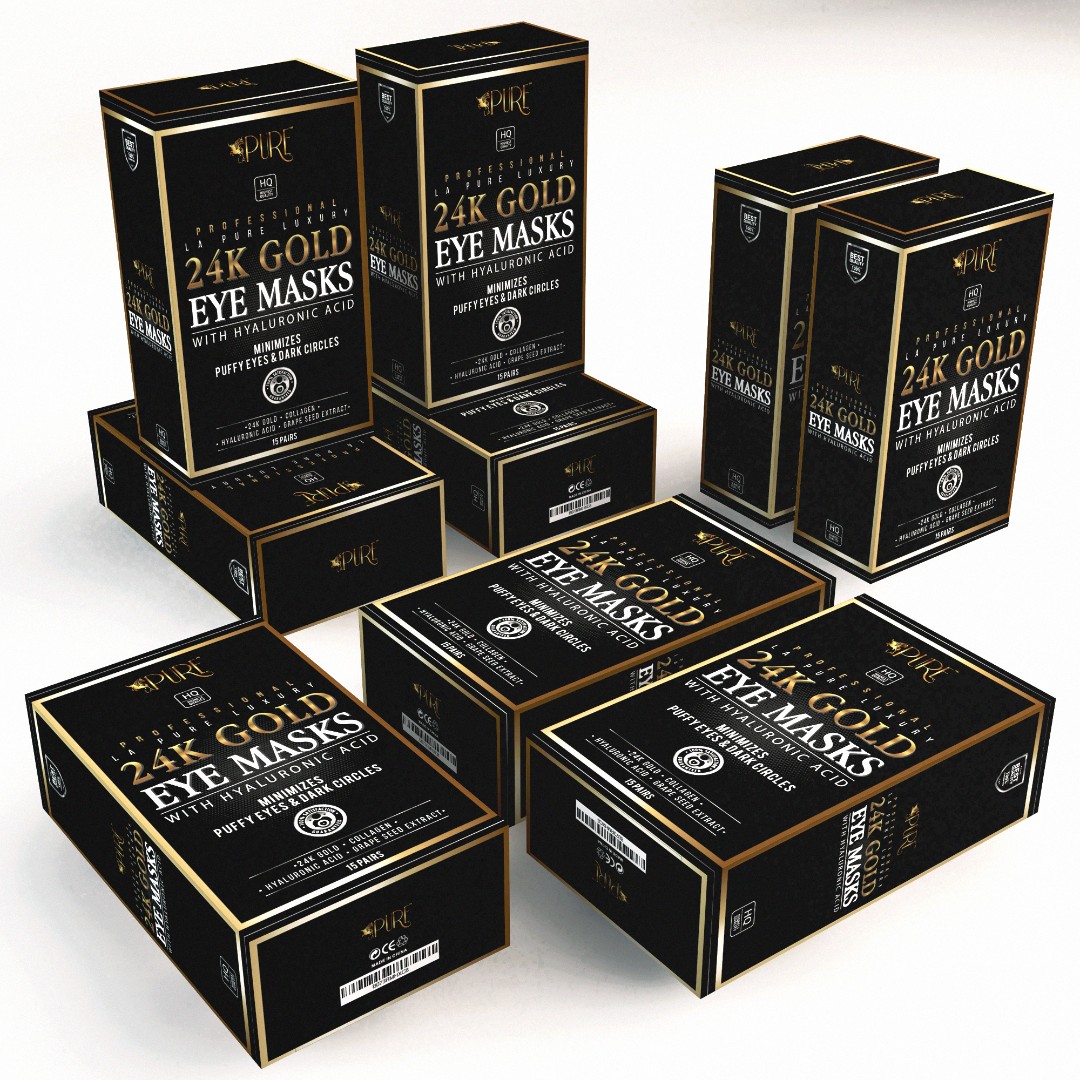
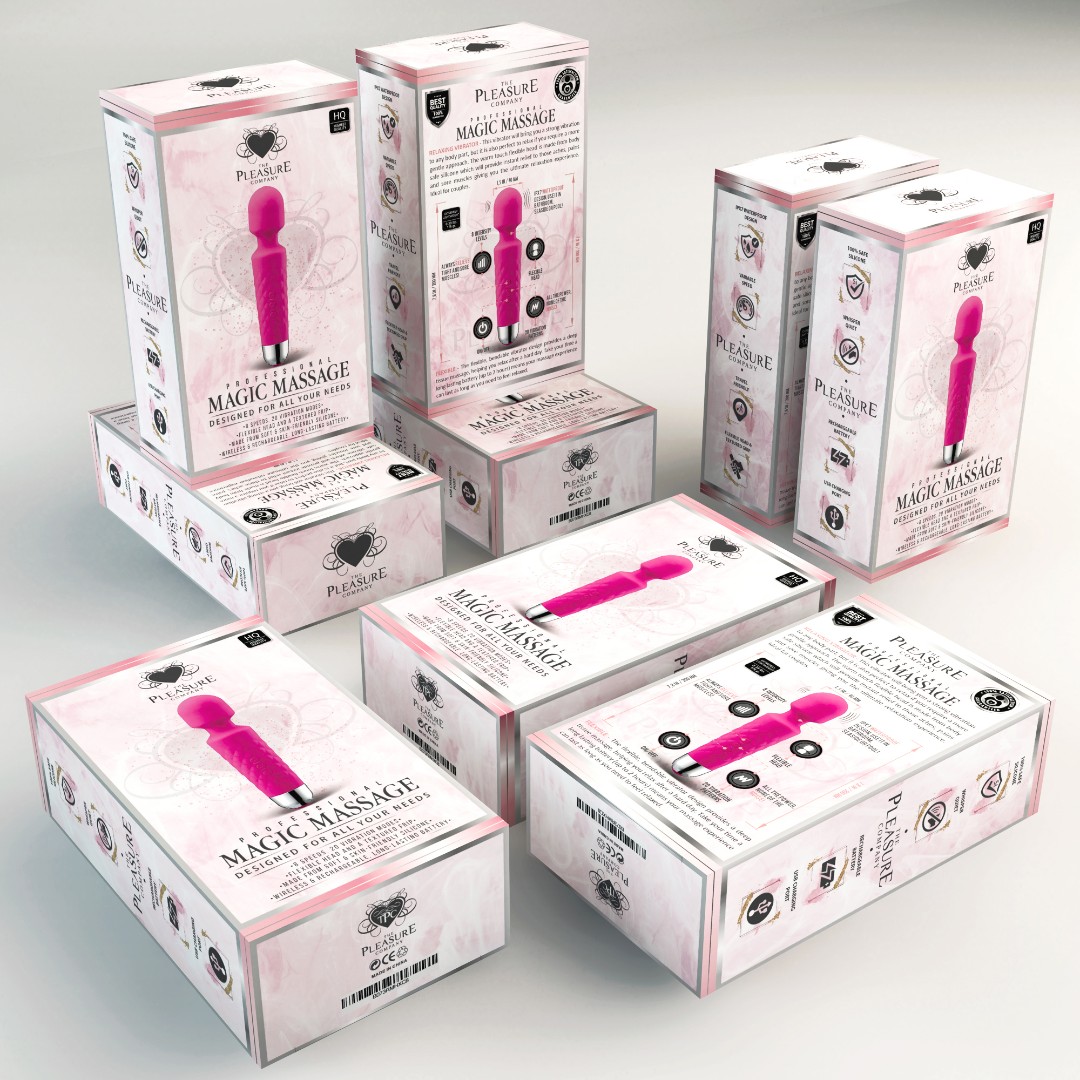
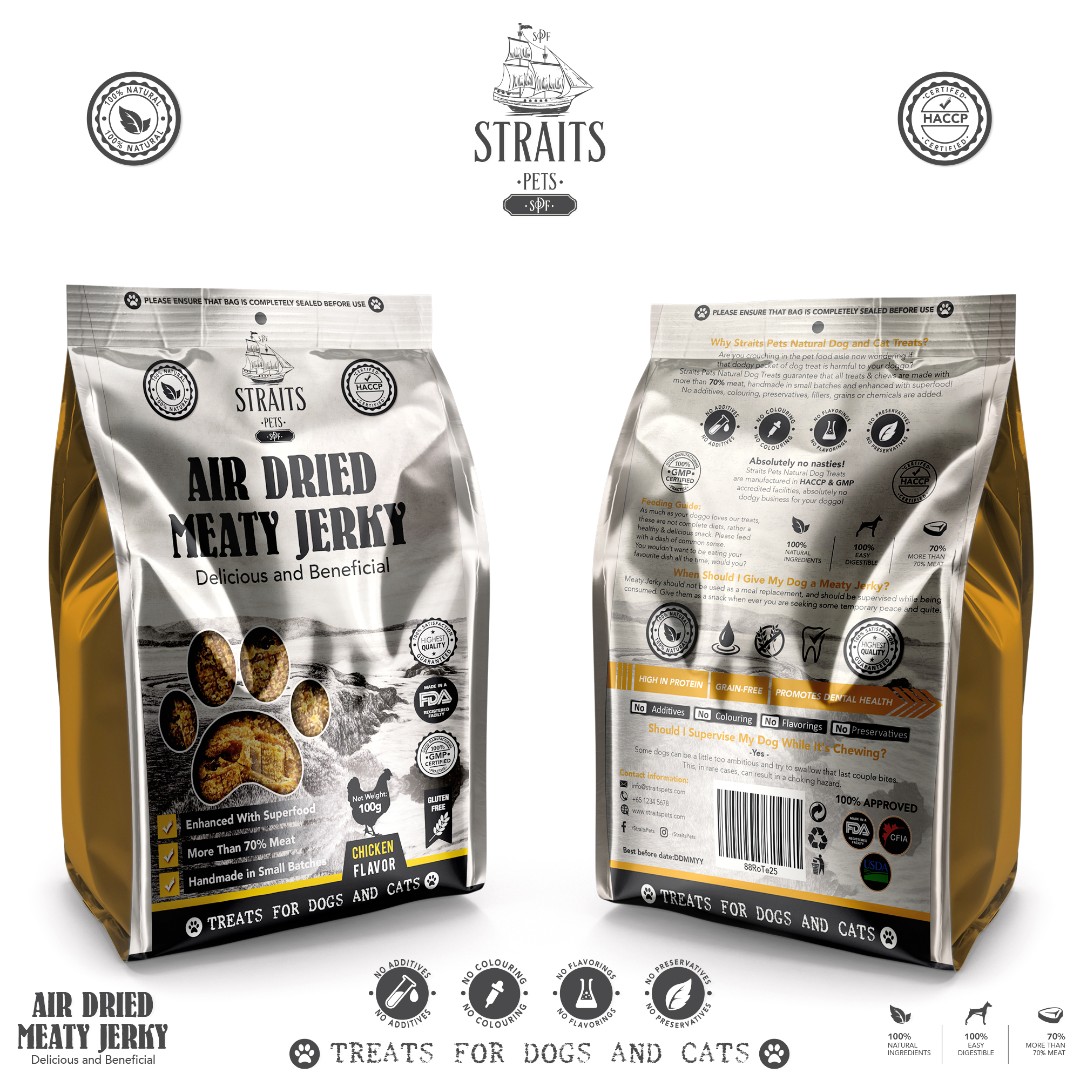
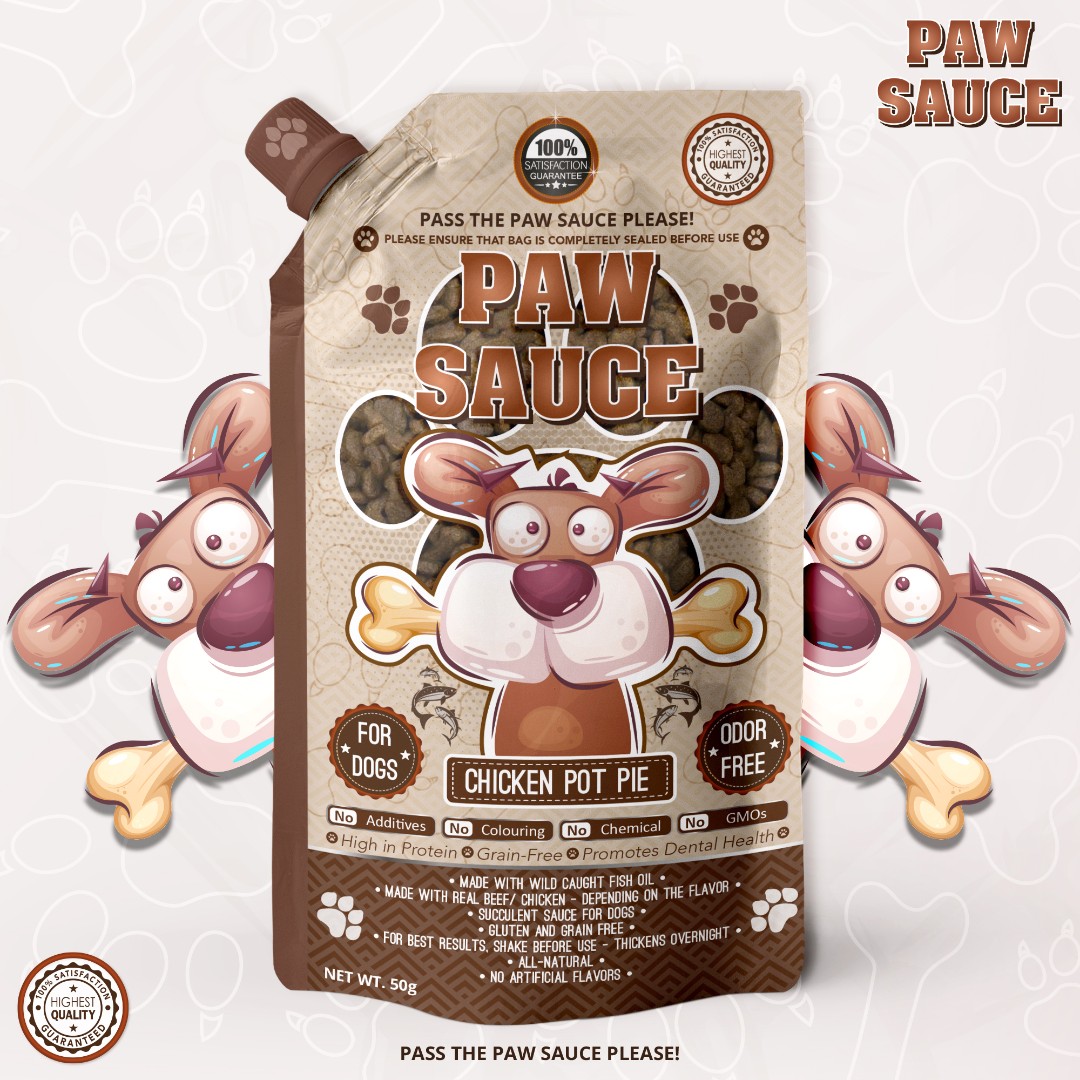
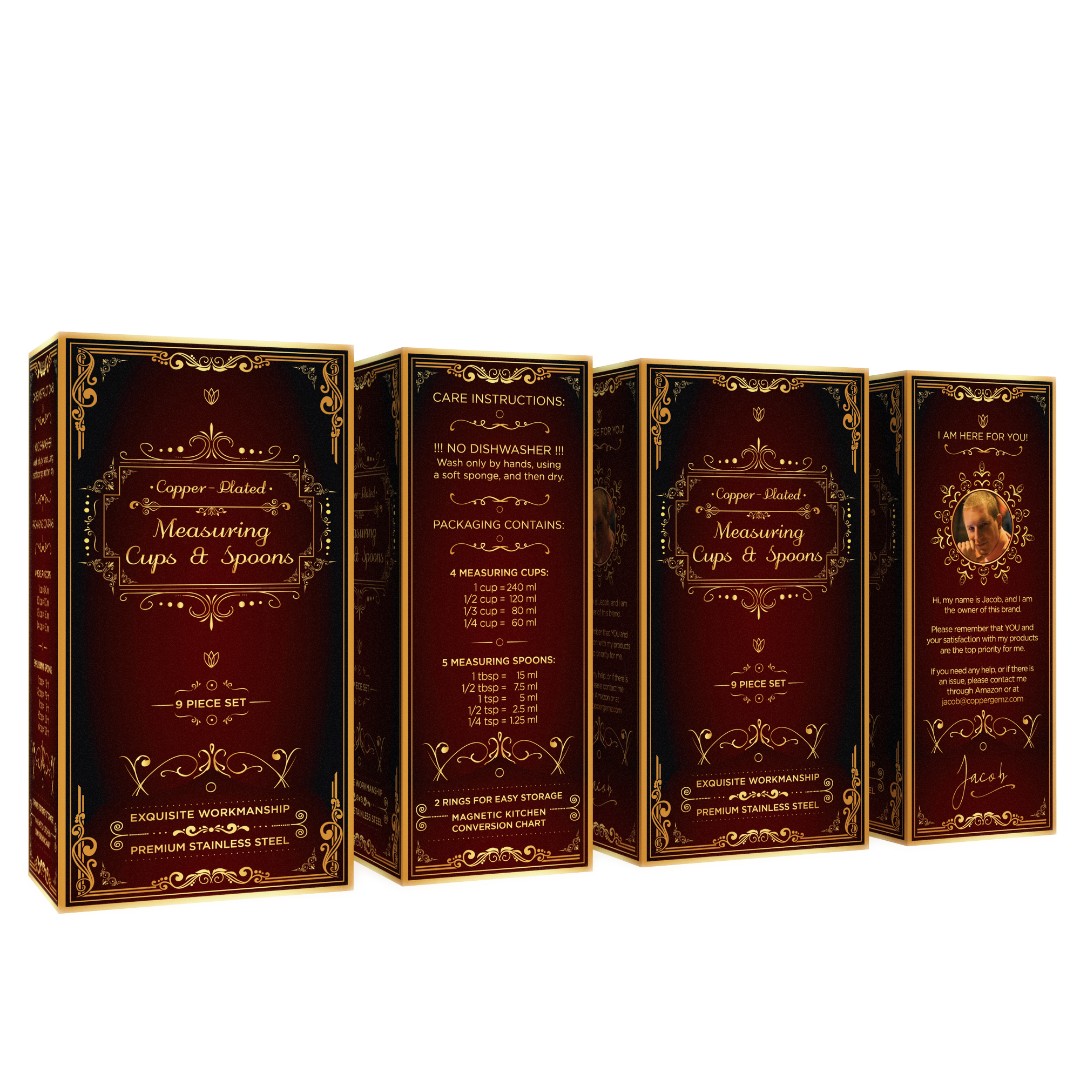
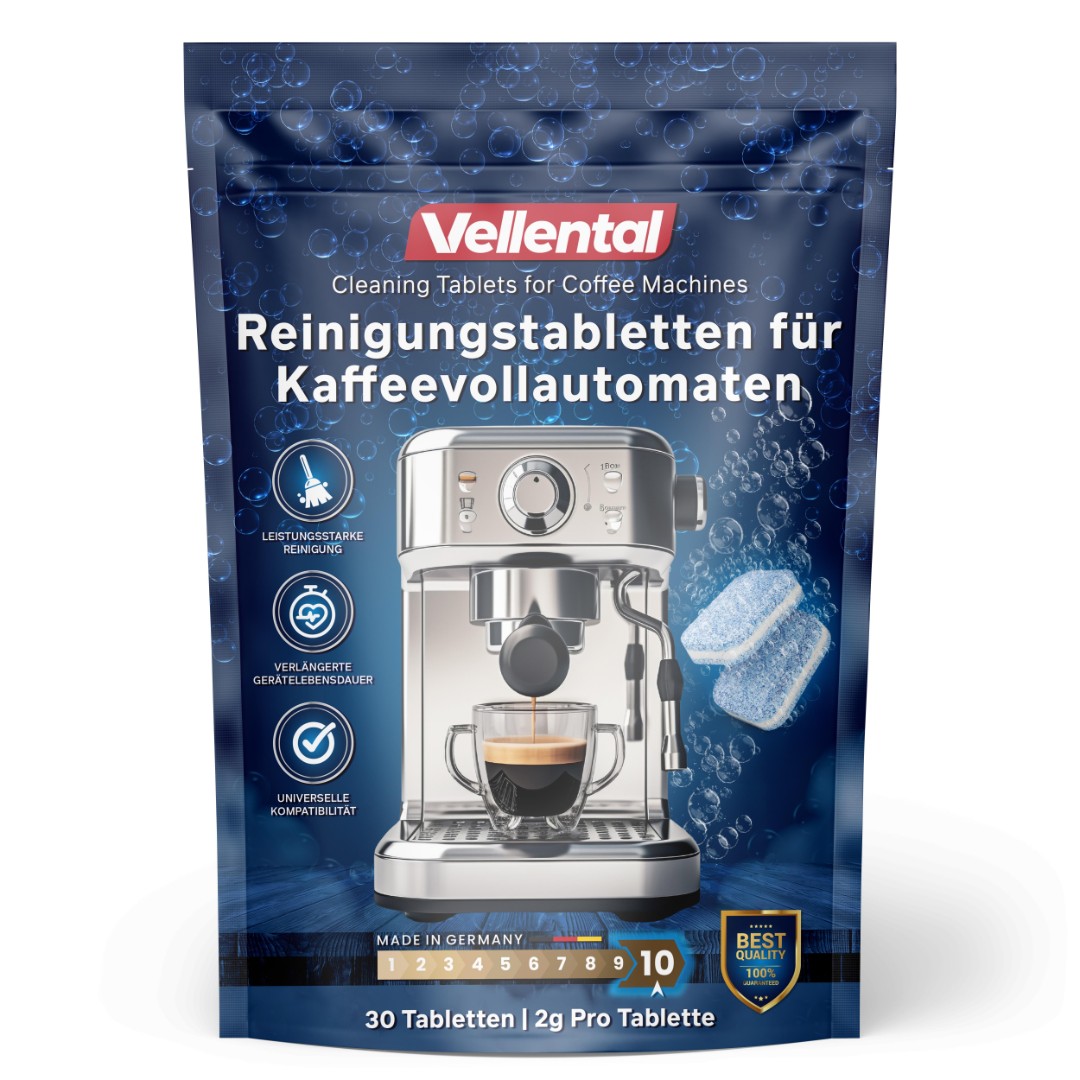
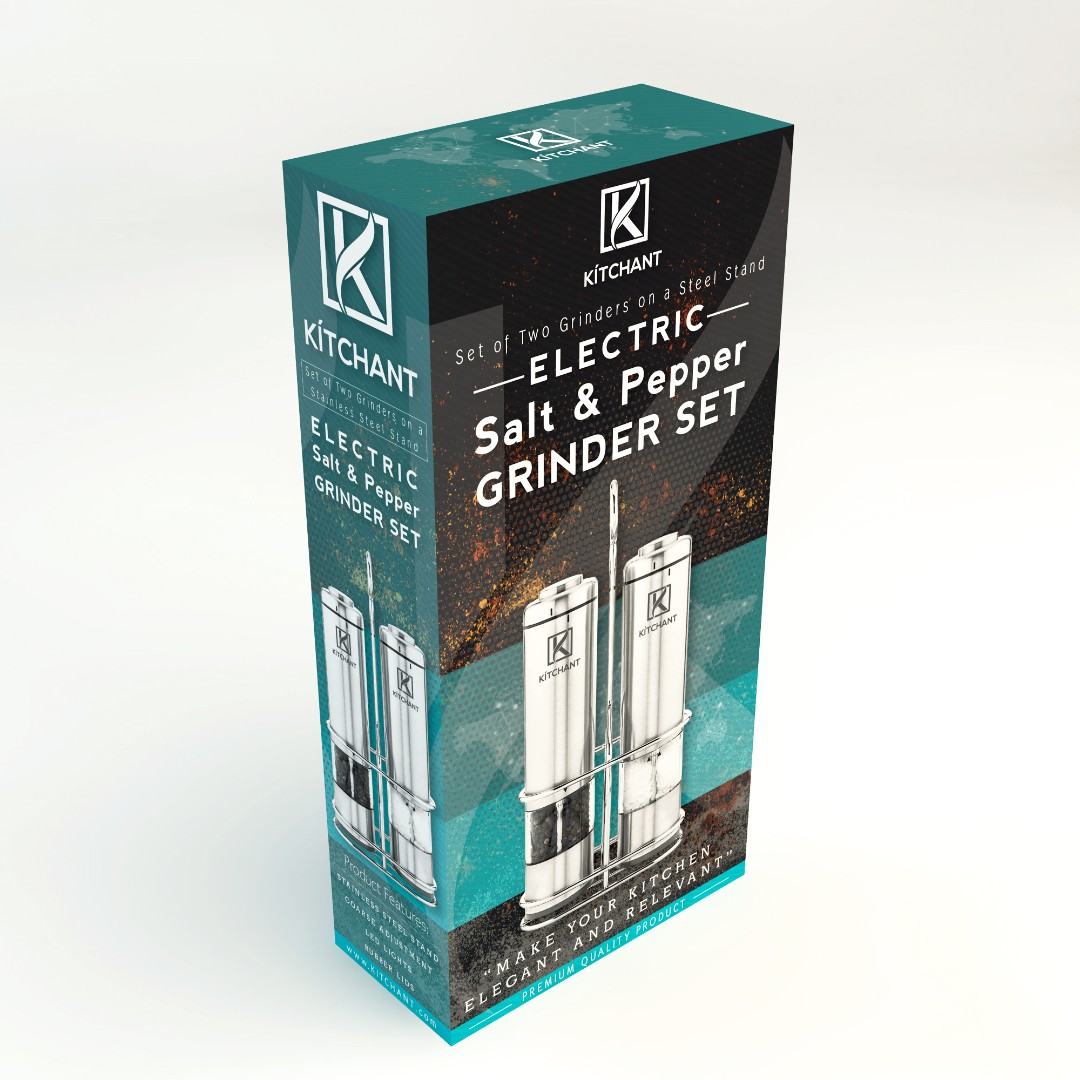
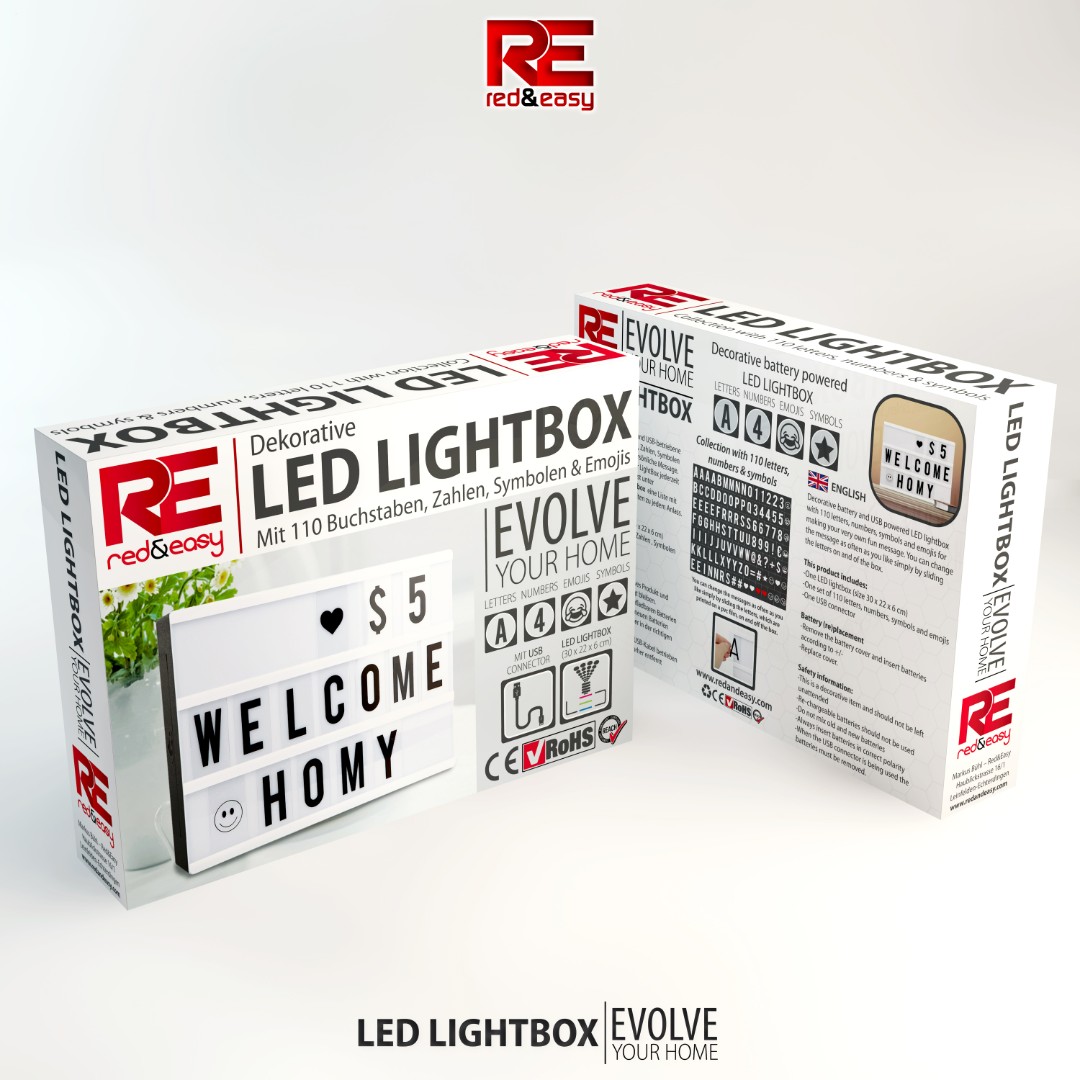
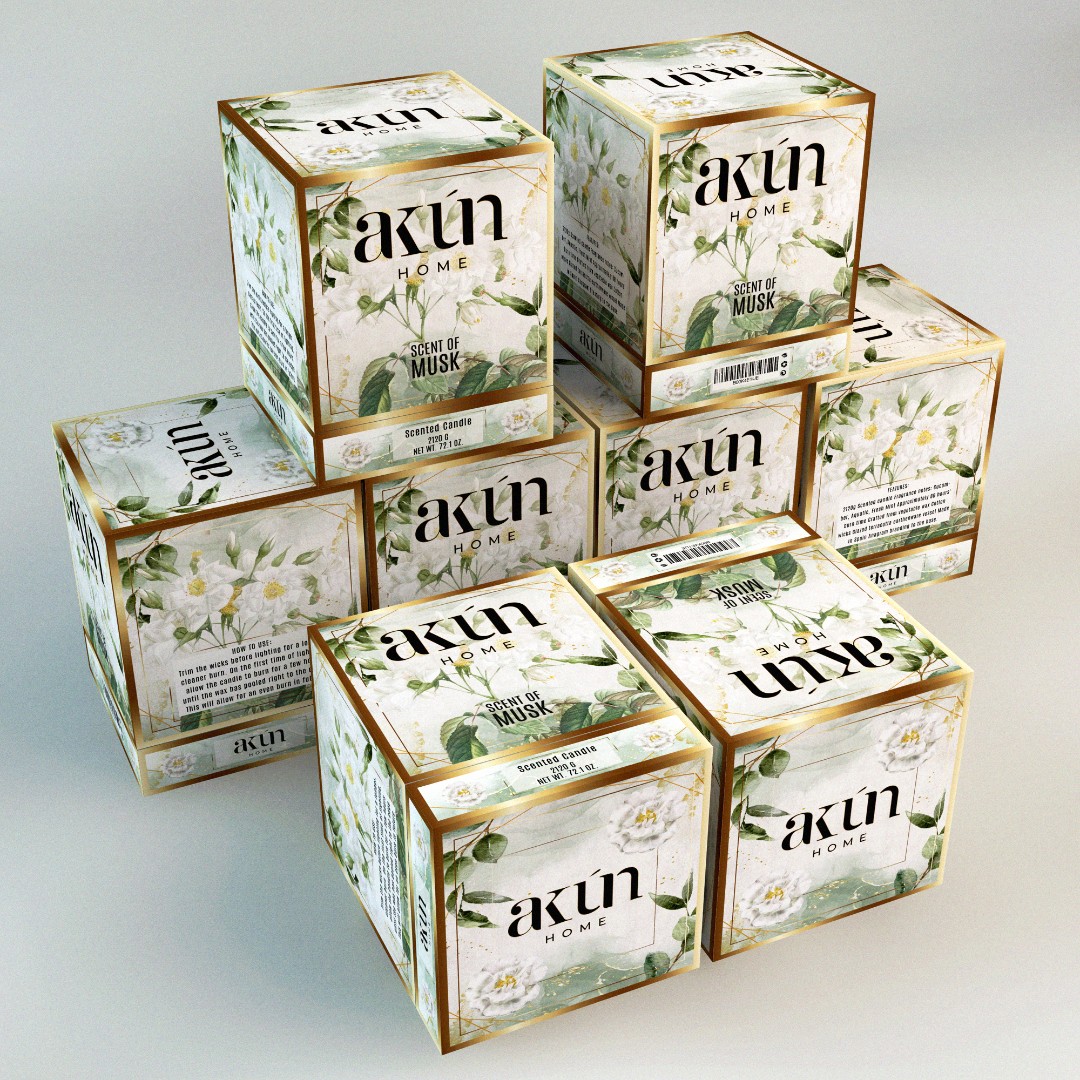
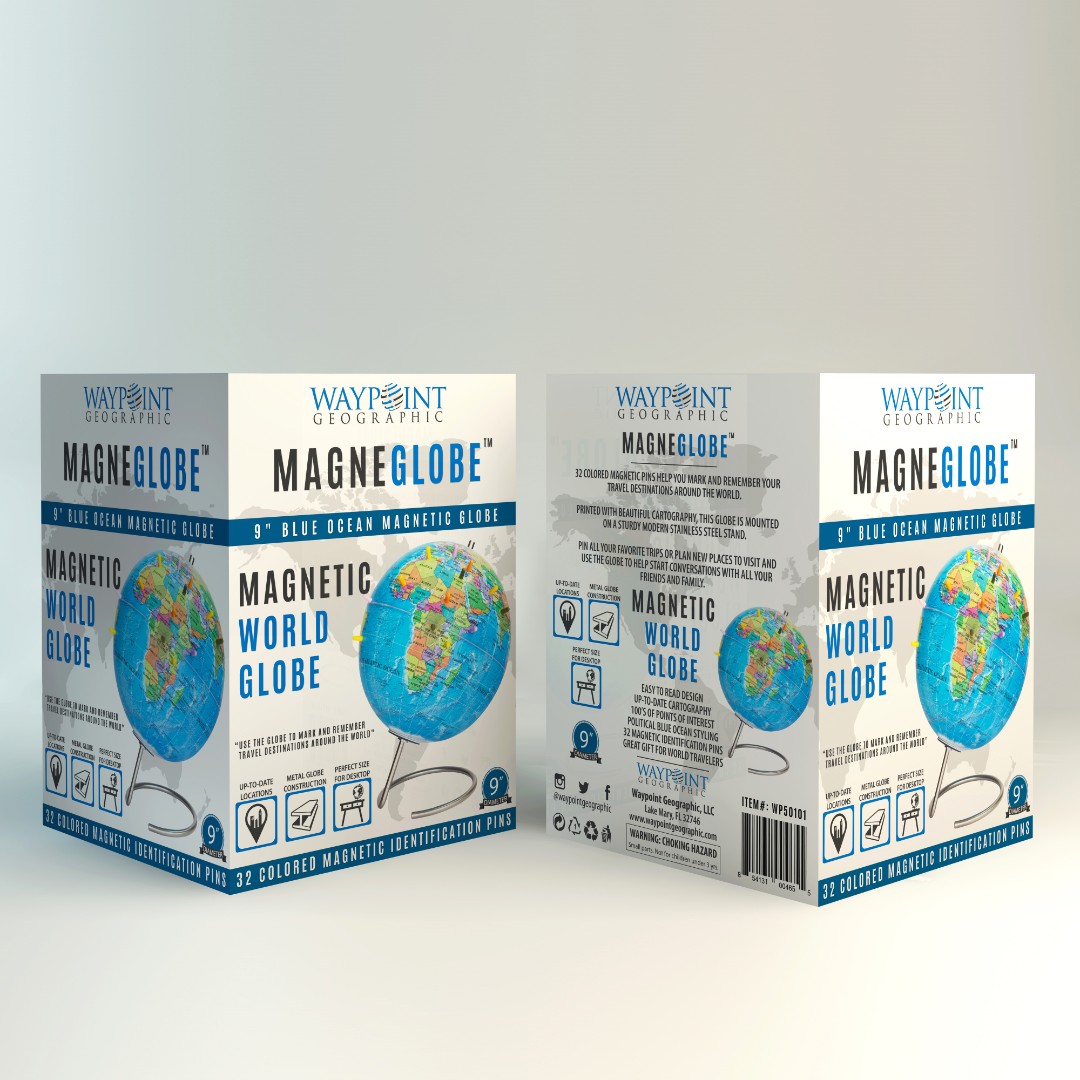
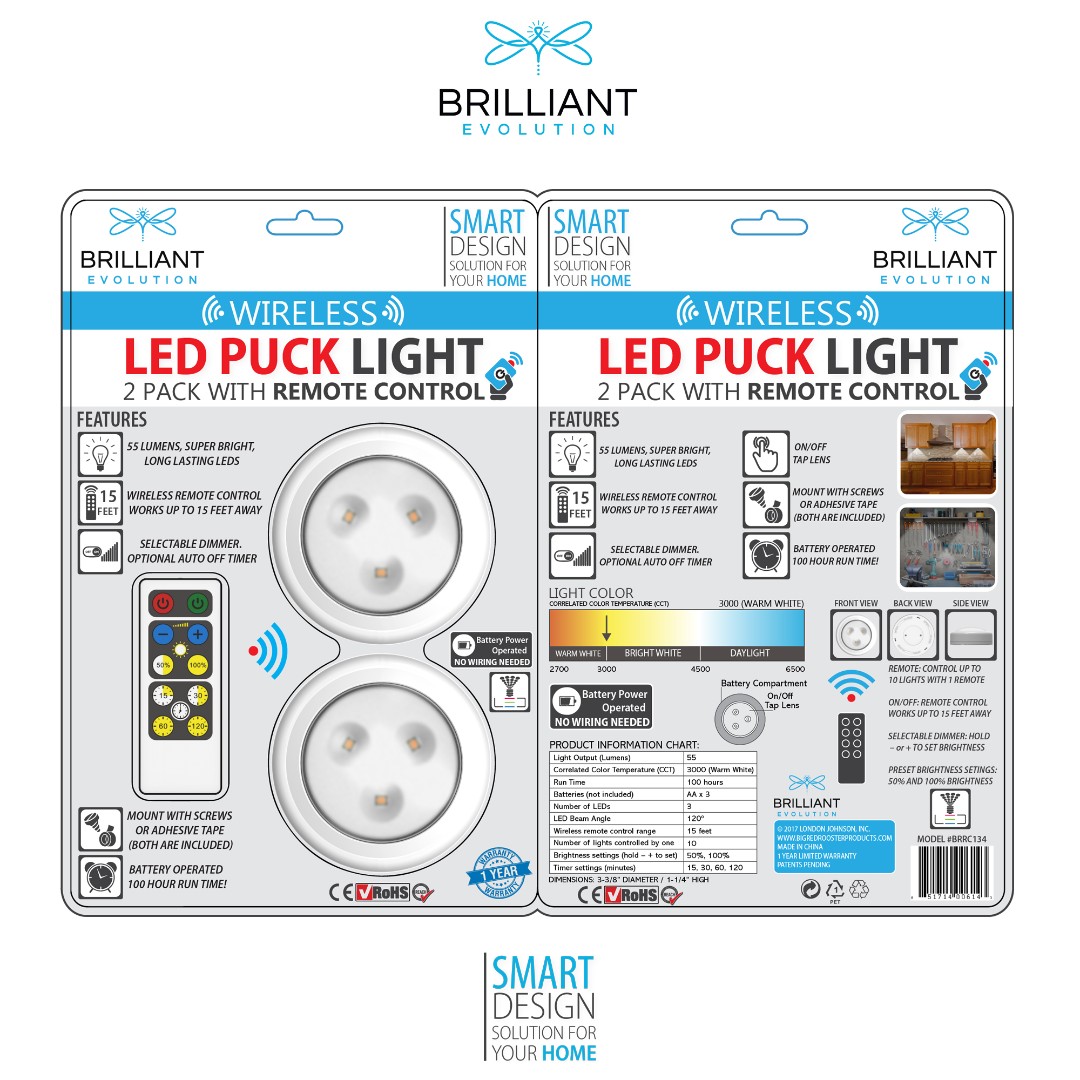
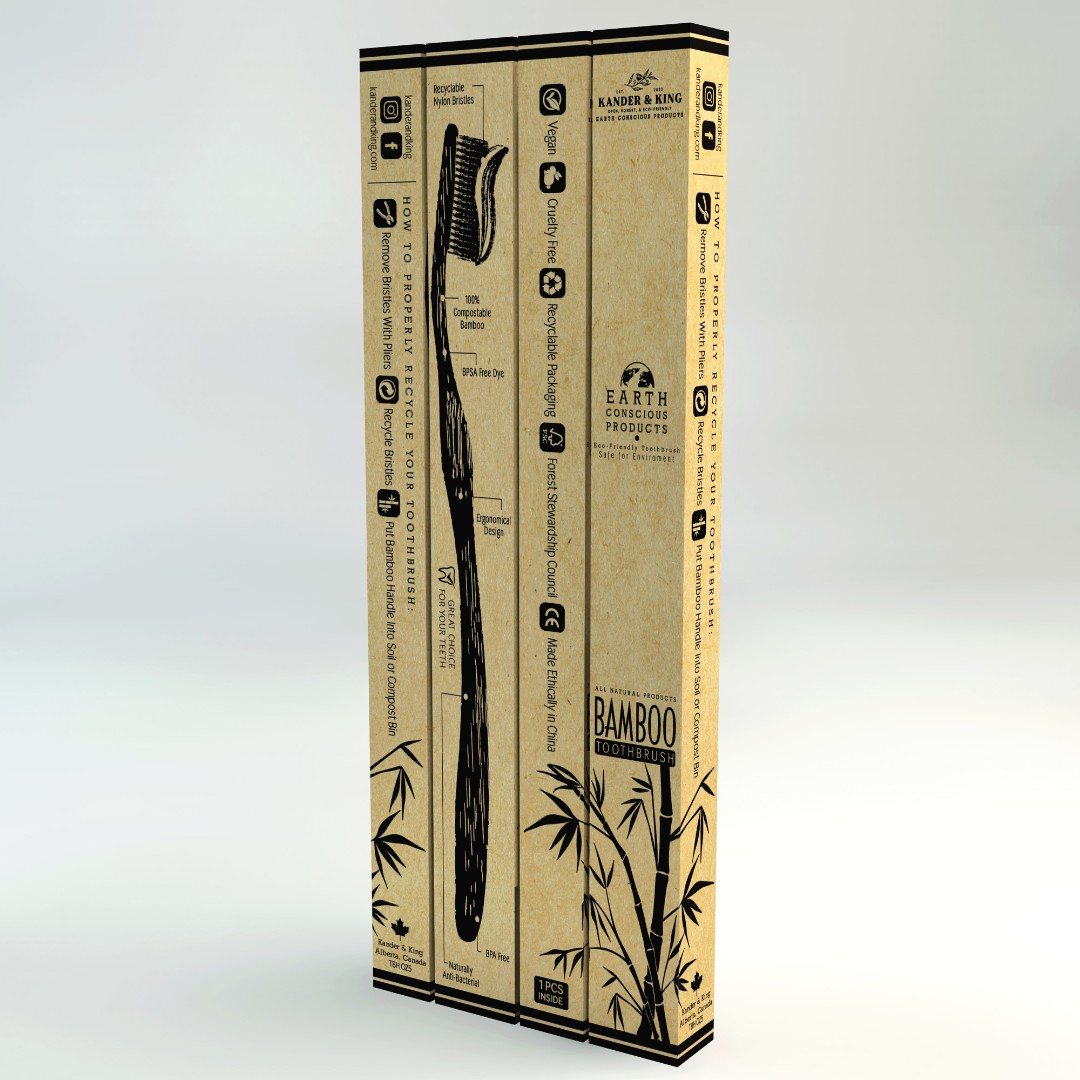
Front and back views of illustrated craft beer label packaging displayed on two brown glass bottles.
THE NF EDITORIAL SERVICE FORMAT™
Graphic Design explored as a connected discipline—from identity and communication to systems, applications, and enduring brand recognition.

GRAPHIC DESIGN · BRAND IDENTITY · PACKAGING · VISUAL DESIGN

TRANSFORM IDEAS INTO DISTINCTIVE GRAPHIC DESIGN SYSTEMS

FROM BRAND STRATEGY AND VISUAL IDENTITY TO PACKAGING, EDITORIAL DESIGN, CAMPAIGNS, AND PRODUCTION-READY COMMUNICATION ASSETS.

NF Creative Studio develops premium Graphic Design Services for brands, companies, products, institutions, and creative teams that require more than isolated visual materials.

We connect Brand Identity, Logo Design, Packaging Design, Editorial Design, Print Communication, Digital Brand Assets, Campaign Systems, And Art Direction within one coherent visual language—built around the project’s audience, market position, communication goals, and long-term use.

From a focused design assignment to a complete brand and communication system, every engagement is developed to strengthen clarity, recognition, consistency, and professional presentation across physical and digital touchpoints.

THE FORMAT MAY CHANGE. THE VISUAL IDENTITY, STRATEGIC CLARITY, AND DESIGN STANDARD MUST REMAIN CONSISTENT.

Graphic design service icon combining a pen nib with a creative light bulb.

One Discipline.
Multiple Levels Of Creative Depth.
A Graphic Design Service Built Around What Your Brand Actually Needs.

From individual design assets to complete brand, packaging, editorial, and campaign systems.

Proud Clients

A MULTIDISCIPLINARY GRAPHIC DESIGN PARTNER

Why High-Value Brands Need More Than Isolated Design Assets

THE FORMAT MAY CHANGE. THE BRAND LOGIC, VISUAL CLARITY, AND DESIGN STANDARD MUST REMAIN CONSISTENT.

High-value brands cannot rely on disconnected logos, packaging, print materials, digital graphics, and campaign assets developed without one shared visual direction.

They require a Graphic Design Partner capable of understanding the brand strategy, audience, market position, communication objectives, production requirements, and the complete system through which the brand must be recognized.

With nearly two decades of multidisciplinary design experience, Infinity Design Studio brings Strategic Thinking, Brand Identity, Packaging Design, Editorial Direction, Digital Communication, Motion, Illustration, And Production Expertise together within one coordinated creative service for clients worldwide.

Why Clients Choose Infinity Design Studio

Capabilities Beyond The Core Design

Our Graphic Design Service is built for projects where clarity, recognition, visual consistency, production quality, and strategic communication directly influence brand trust, market perception, customer experience, and long-term business value.

FROM FIRST STRATEGIC DECISION TO FINAL PRODUCTION ASSET, EVERY ELEMENT IS DEVELOPED TO WORK AS ONE.

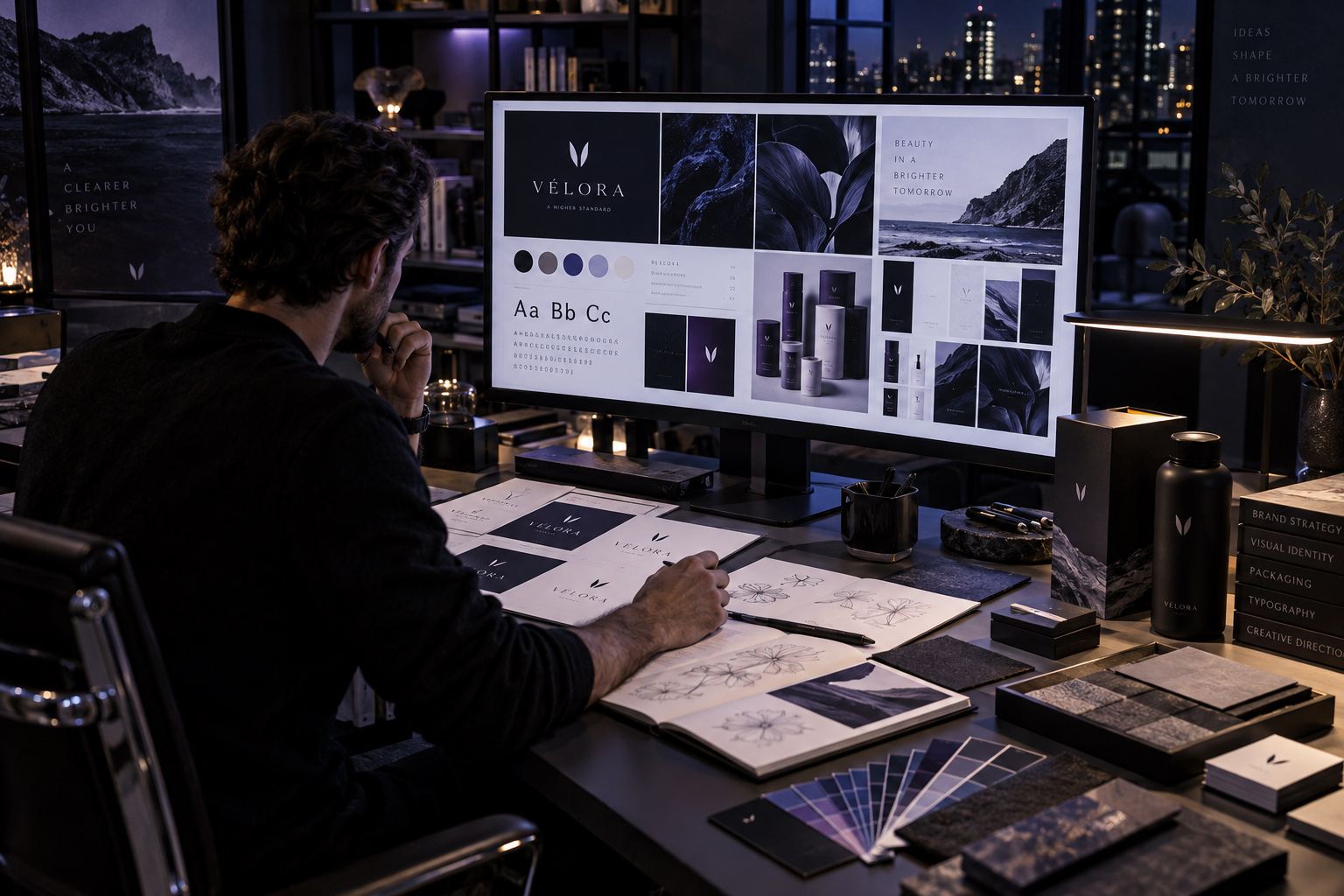
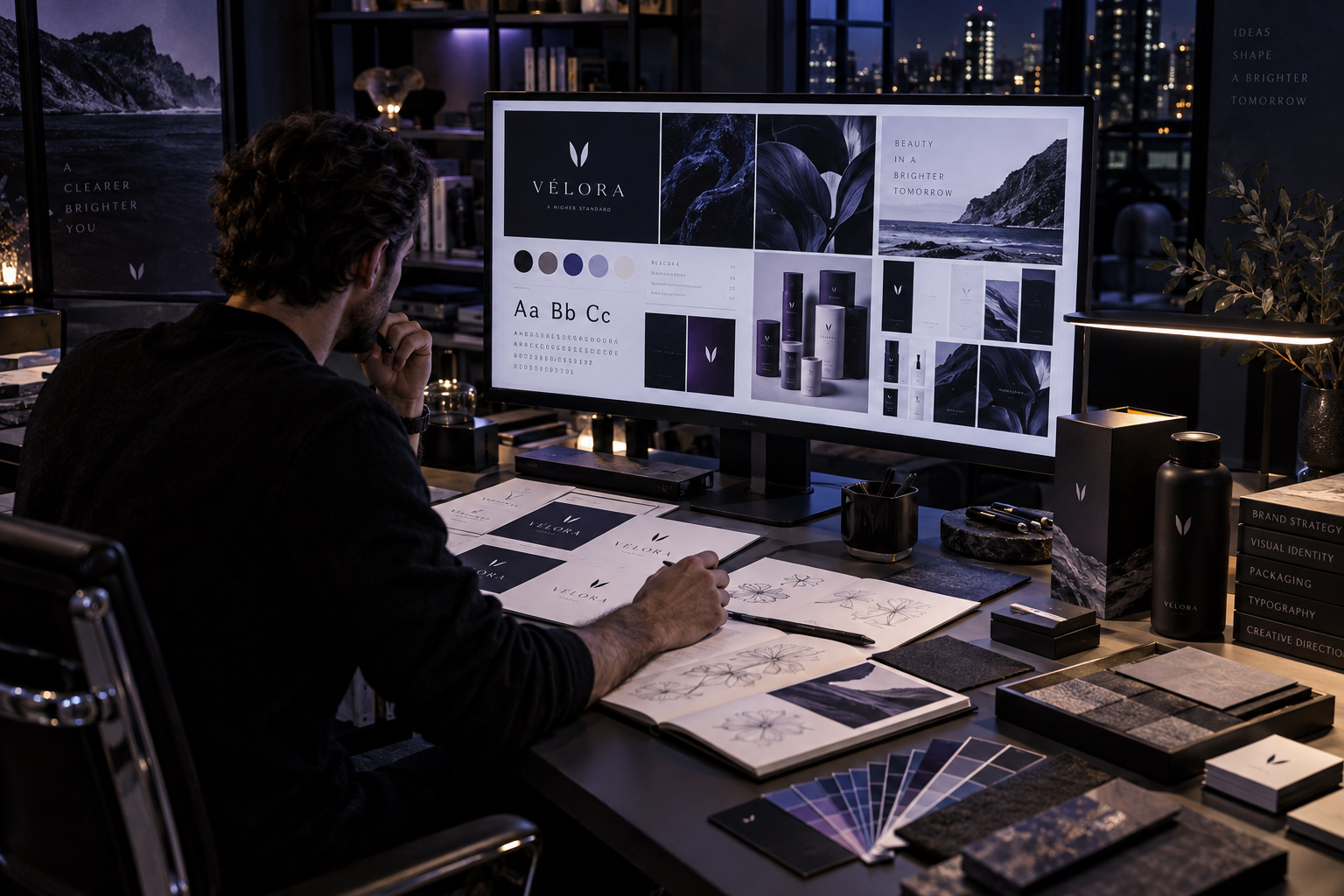
Graphic designer developing a premium brand identity system with logo concepts, typography, color palette, packaging applications, material samples, and visual direction displayed across desktop and printed references.

BRAND IDENTITY DEVELOPMENT · VISUAL SYSTEMS · RECOGNITION FOUNDATIONS

A Brand Becomes Recognizable When Every Visual Decision Begins To Belong To The Same System.

A logo can introduce a brand, but it cannot carry the full weight of recognition on its own. Typography, colour, composition, image direction, packaging logic, material choices, spacing, hierarchy, and repeated visual cues all begin shaping how the brand is understood across different moments of contact. The identity becomes stronger when those elements stop behaving like separate design choices and begin reinforcing the same visual character.

That is where system thinking becomes essential. A colour is not selected only because it looks good in isolation; it must work beside typography, packaging, photography, digital layouts, and future applications. The same applies to proportions, grid behaviour, graphic devices, and visual rhythm. Each decision has to survive beyond the presentation board and remain coherent when the identity moves into the real environments where the brand will actually live.

When that structure is resolved properly, the brand gains something more valuable than visual consistency. It becomes easier to recognise, easier to extend, and harder to dilute as new products, campaigns, platforms, and communication needs appear. The visual system creates continuity across change—allowing the brand to evolve without losing the distinctive logic that makes it feel familiar, intentional, and unmistakably its own.

WHEN TYPOGRAPHY, COLOR, COMPOSITION, PACKAGING, IMAGERY, AND APPLICATION LOGIC ARE DEVELOPED AS ONE CONNECTED VISUAL SYSTEM,
BRAND IDENTITY STOPS BEING A COLLECTION OF ATTRACTIVE ASSETS AND BECOMES A RECOGNITION STRUCTURE—BUILT TO CREATE CLARITY, PROTECT DISTINCTIVENESS, AND KEEP THE BRAND COHERENT ACROSS EVERY FORMAT, TOUCHPOINT, AND STAGE OF GROWTH.

COMPLETE GRAPHIC DESIGN SERVICES · IDENTITY · COMMUNICATION · PRODUCTION · BRAND APPLICATION

Graphic Design Systems Built To Shape How Brands Are Recognized, Understood, And Experienced

A STRONG VISUAL SYSTEM DOES MORE THAN MAKE A BRAND LOOK DISTINCTIVE. IT ORGANIZES COMMUNICATION, BUILDS RECOGNITION, AND KEEPS EVERY APPLICATION WORKING FROM THE SAME CREATIVE DIRECTION.

We develop Graphic Design systems around the complete relationship between brand identity, audience perception, content hierarchy, visual consistency, production requirements, and real-world application. The objective is not to create isolated graphics that work only in one format, but to establish a visual language capable of remaining recognizable as it moves between products, campaigns, publications, digital platforms, retail environments, and physical brand touchpoints.

Our work can connect Branding & Visual Identity, Packaging Design, Editorial & Print Design, Digital Campaigns, Social Media Design, Motion Graphics, Illustration, Image Making, Retouching, Retail Design, POS Materials, and Industry-Specific Communication within one coherent creative framework. Each discipline has its own technical and communication requirements, but every element is developed to support the same larger objective: clearer recognition, stronger communication, consistent brand expression, and professional execution across every approved application.

The depth of the engagement changes with the project. Some brands require a focused identity or packaging system; others need a broader design language capable of extending through print, digital, motion, campaign, product, presentation, e-commerce, retail, and production-ready environments. In every case, the design is shaped around where it must perform, who must understand it, and how reliably it needs to evolve over time.

CLEAR VISUAL DIRECTION. CONSISTENT BRAND LANGUAGE.
DESIGN BUILT TO PERFORM ACROSS FORMATS, CHANNELS, AND REAL-WORLD APPLICATIONS.

We develop cohesive Brand Identity Systems that transform strategic positioning into a clear, recognizable, and consistently applied visual language.

We create strategic and production-aware Packaging Design Systems that connect product identity, market positioning, visual impact, functionality, and consistent brand recognition.

We develop structured Editorial And Print Design that connects information, typography, hierarchy, imagery, and production requirements within one clear reading experience.

We create flexible Digital Design Systems that keep campaigns, launches, and brand communication visually consistent across all key online platforms.

We extend static visual identities into motion through purposeful Animated Design And Motion Graphics developed around brand communication and content goals.

We create distinctive Illustration And Image-Making Systems that expand the visual identity beyond standard photography and generic stock imagery.

We adapt Graphic Design Strategy And Production to the practical, regulatory, technical, and communication requirements of different industries.

We develop coordinated Retail And Point-Of-Sale Design that transforms brand identity into physical customer experiences and launch-ready environments.

A VISUAL SYSTEM PROVES ITS STRENGTH WHEN EVERY APPLICATION STILL FEELS DISTINCTLY PART OF THE SAME BRAND—FROM IDENTITY AND PACKAGING TO CAMPAIGN, MOTION, RETAIL, AND FINAL PRODUCTION.

Brand identity, packaging, editorial design, digital campaigns, motion, illustration, image making, retail communication, and production-ready assets create the greatest value when they are developed as connected expressions of one recognizable visual direction—not as isolated pieces competing for attention.

Gradient quotation mark icon in purple and turquoise.

GREAT GRAPHIC DESIGN DOES NOT END WHEN THE FIRST ASSET IS APPROVED.
IT BUILDS A VISUAL LANGUAGE STRONG ENOUGH TO REMAIN RECOGNIZABLE, RELEVANT, AND CONSISTENT WHEREVER THE BRAND NEEDS TO COMMUNICATE.

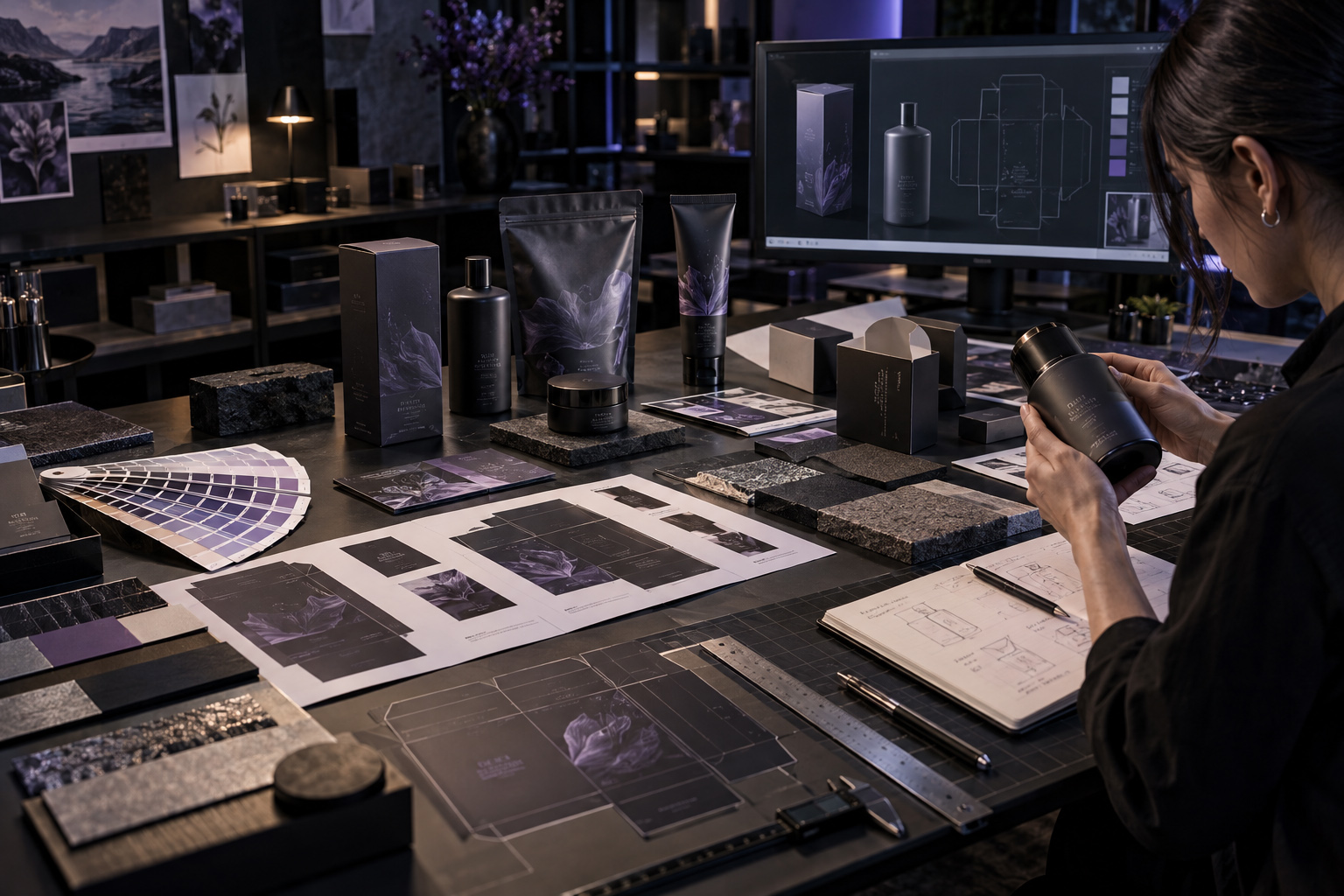
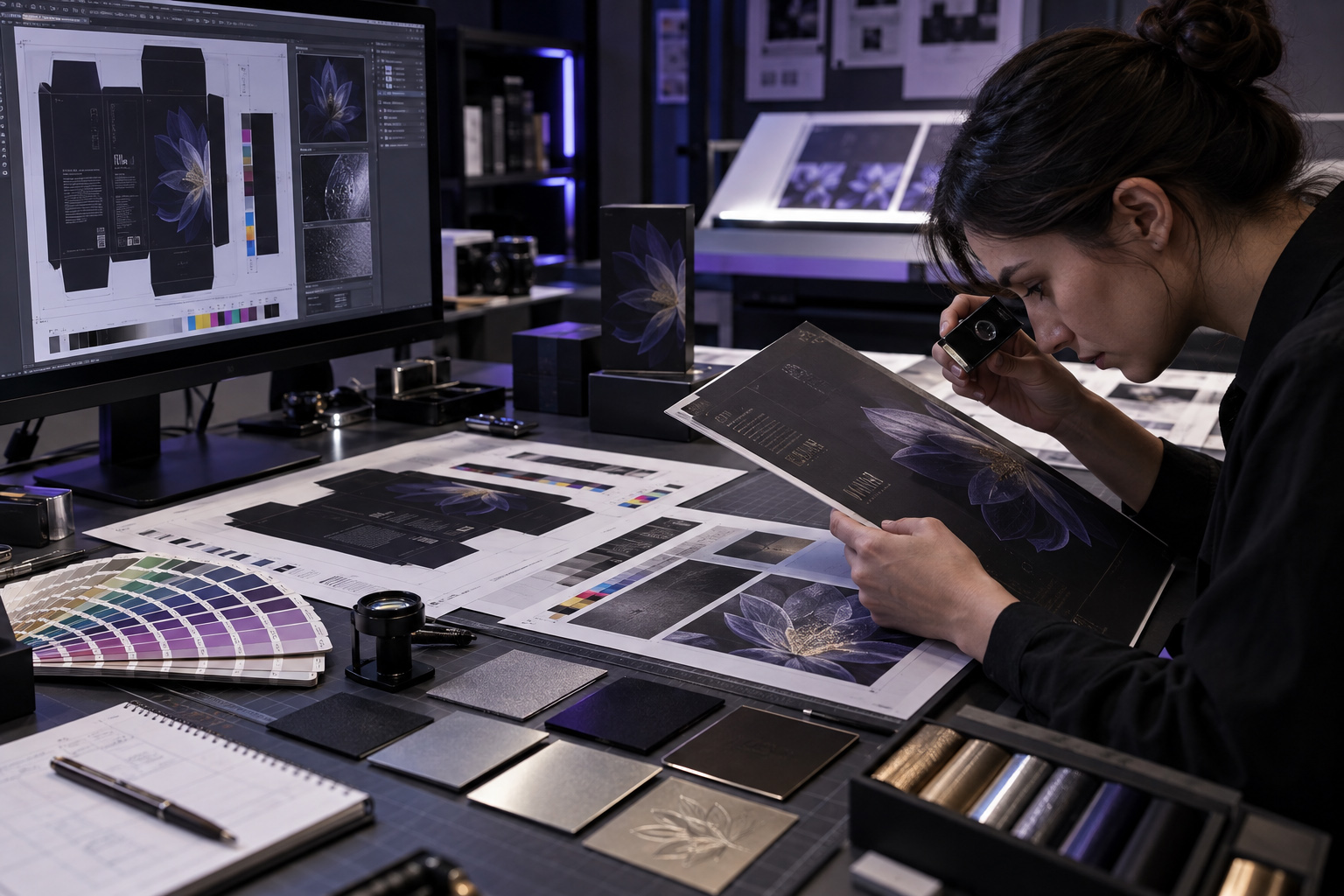
Graphic designer developing premium packaging with structural dielines, color palettes, material samples, product mockups, printed artwork, and packaging prototypes across a professional design workspace.

PACKAGING DESIGN · PRODUCT SYSTEMS · PRODUCTION-READY APPLICATION

Packaging Becomes Powerful When Brand Identity, Product Logic, And Production Reality Work As One System.

Packaging is often where a visual identity faces its first serious test. What works beautifully on a presentation board must now survive real dimensions, structural limitations, material behaviour, print tolerances, regulatory information, product hierarchy, and the need to remain recognizable from shelf to screen. The design is no longer being judged only by how it looks—it is being tested by how well it performs when the brand becomes a physical object.

That is why strong packaging systems are built through coordination rather than decoration. Typography, colour, imagery, dielines, finishes, substrates, variant logic, information architecture, and production constraints have to reinforce one another without weakening clarity or distinction. Every decision must protect the identity while giving each product enough structure to remain legible, manufacturable, and commercially effective across an expanding range.

When that logic is resolved properly, packaging becomes one of the most durable expressions of the brand. New variants can be introduced without fragmentation, campaigns can borrow from the same visual language, retail and e-commerce remain connected, and the product family can grow without rebuilding its identity from zero. The package stops functioning as a decorated surface and becomes a controlled brand system capable of carrying recognition, differentiation, and commercial value through every stage of the product’s life.

WHEN BRAND IDENTITY, INFORMATION HIERARCHY, STRUCTURAL DESIGN, MATERIAL CHOICES, AND PRODUCTION REQUIREMENTS ARE DEVELOPED AS ONE CONNECTED SYSTEM,
PACKAGING STOPS BEING A SURFACE FOR GRAPHIC EXPRESSION AND BECOMES A PRODUCTION-READY BRAND ASSET—BUILT TO PROTECT RECOGNITION, SUPPORT PRODUCT DIFFERENTIATION, SCALE ACROSS VARIANTS, AND CARRY THE SAME VISUAL AUTHORITY FROM CONCEPT TO MANUFACTURING, RETAIL, E-COMMERCE, AND LONG-TERM MARKET GROWTH.

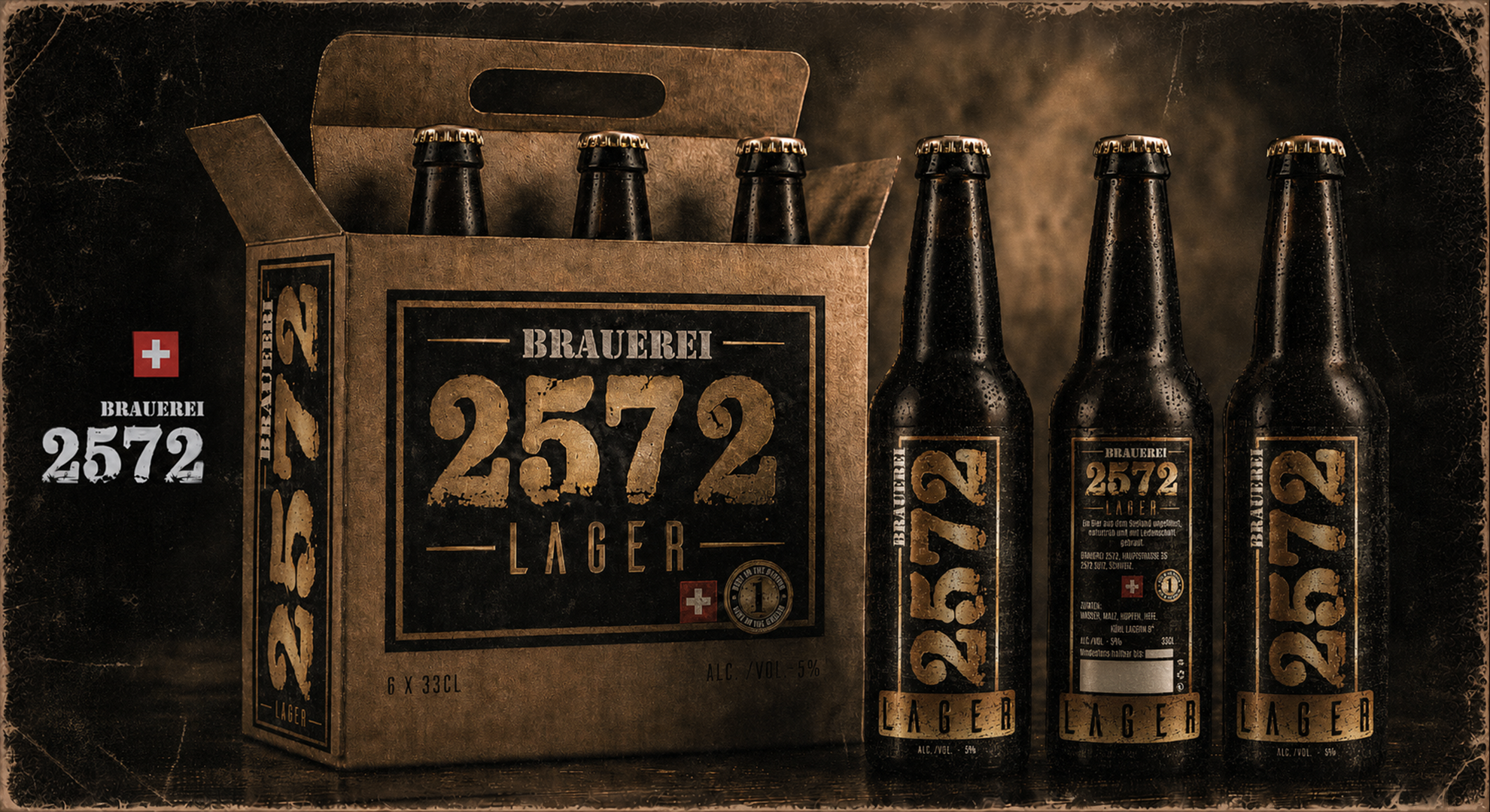
PROJECT EVIDENCE · BRAUEREI 2572 · STRATEGIC PACKAGING & VISUAL IDENTITY

Redefining Tradition.
A Craft Beer Identity Built To Turn Brewing Heritage Into A Recognizable Packaging System.

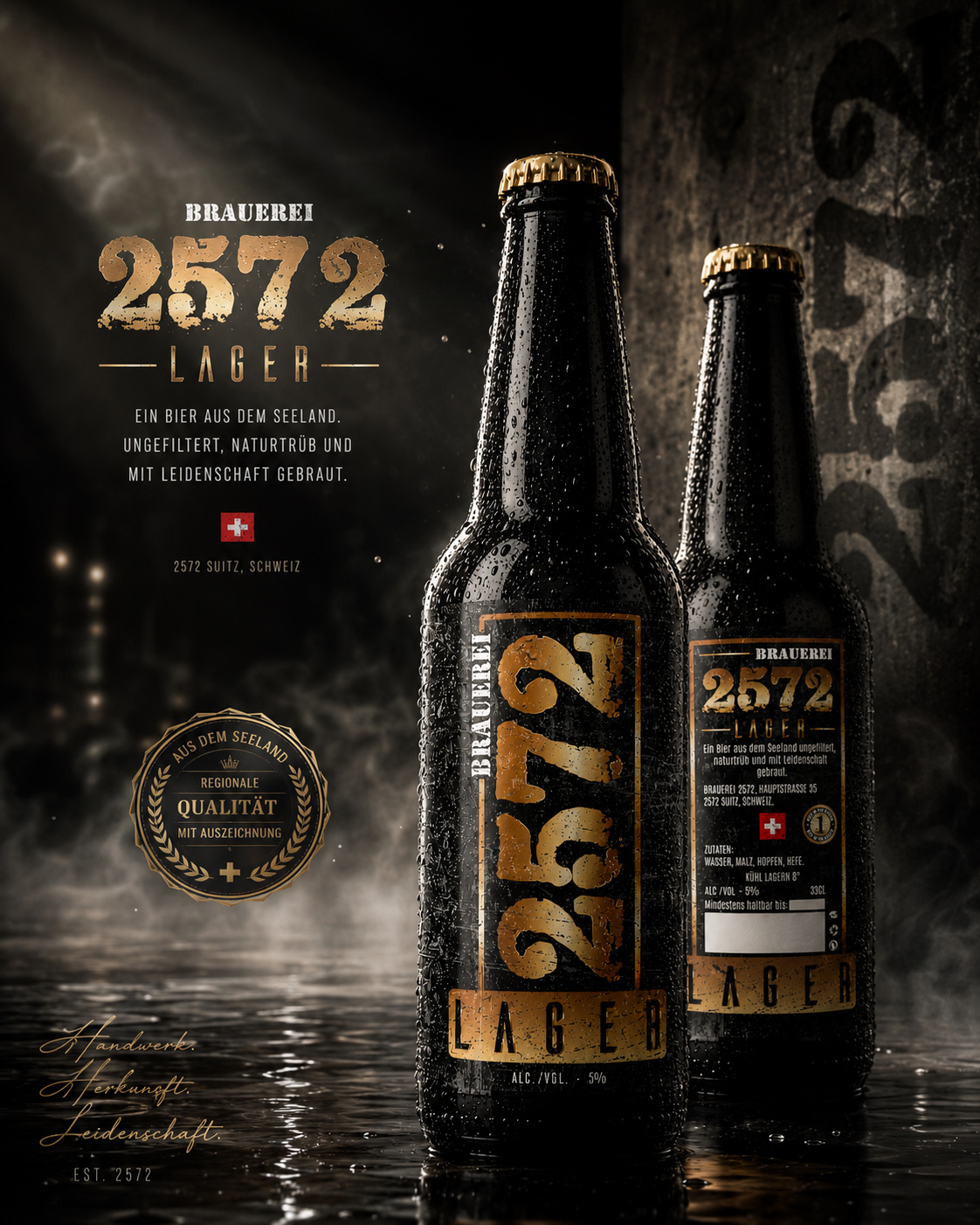
BRAUEREI 2572 began with a clear design challenge: the brewery’s quality and authenticity needed a visual presence capable of expressing the same character on the shelf. The existing presentation was reworked into a complete beer label and packaging identity system that preserves its traditional foundations while creating a stronger, more distinctive contemporary presence.

The new direction was built around the bold 2572 identity, distressed industrial typography, dark tactile surfaces, Swiss visual references, and controlled variant differentiation. Lager, Amber, Pale Ale, IPA, and alcohol-free products were developed as one recognizable family while remaining distinct enough for clear identification across individual bottles and retail presentation.

The work extended beyond the front label into a coordinated system of information hierarchy, back-label structure, production-ready artwork, color and material relationships, packaging applications, and editorial product presentation. The result shows how Graphic Design can connect brand heritage, product differentiation, packaging functionality, production requirements, and market-facing communication within one coherent visual system.

Brauerei 2572 Lager beer bottles with black and gold label design, Swiss origin details, typography, and premium packaging presentation.

WHEN PACKAGING CARRIES THE SAME DISCIPLINE AS THE PRODUCT BEHIND IT, HERITAGE BECOMES VISIBLE, VARIANTS BECOME RECOGNIZABLE, AND A COLLECTION BEGINS TO READ AS ONE BRAND.

GRAPHIC DESIGN IN PRACTICE · MULTIPLE DISCIPLINES · ONE CONNECTED VISUAL STANDARD

Different Graphic Design Challenges. One Standard Of Strategic, Creative, And Production Control.

Graphic Design changes considerably depending on what must be communicated, who needs to understand it, where the work will appear, and how the final result must perform. Brand identity, packaging, editorial design, digital campaigns, illustration, retail communication, technical information, production artwork, and multi-format applications each introduce different creative decisions, practical constraints, and levels of visual responsibility.

The ten contexts shown here demonstrate that range—not as isolated styles, but as different expressions of the same professional discipline. Each assignment requires its own balance of strategy, hierarchy, typography, imagery, composition, material awareness, format adaptation, and production control, while the underlying objective remains consistent: create communication that is clear, distinctive, usable, and appropriate to its real-world purpose.

A strong Graphic Design practice therefore does not depend on repeating one visual formula. It depends on understanding what the project actually needs, then building the right system around it—so every outcome can retain creative character, technical precision, brand consistency, and commercial relevance across the environments in which it must ultimately work.

DIFFERENT FORMATS. DIFFERENT COMMUNICATION PROBLEMS. DIFFERENT CREATIVE RESPONSES.
ONE GRAPHIC DESIGN STANDARD BUILT TO KEEP EVERY APPLICATION CLEAR, COHERENT, PURPOSEFUL, AND READY FOR THE REAL WORLD.

WHY STRONG BRANDS OFTEN REMAIN VISUALLY INCONSISTENT

Exceptional Brands Deserve More Than Attractive Individual Design Assets

WHEN IDENTITY, MESSAGE, FORMAT, AND APPLICATION REMAIN DISCONNECTED, THE BRAND BECOMES HARDER TO RECOGNIZE, TRUST, AND REMEMBER.

Many brands, products, institutions, and creative businesses already possess strong ideas, valuable offers, and meaningful stories—but communicate them through disconnected logos, packaging, print materials, digital graphics, and campaigns developed without one consistent visual direction.

Without a professionally structured Graphic Design System, individual assets may look attractive on their own while failing to build recognition, communicate hierarchy, support brand positioning, or create a coherent experience across physical and digital touchpoints.

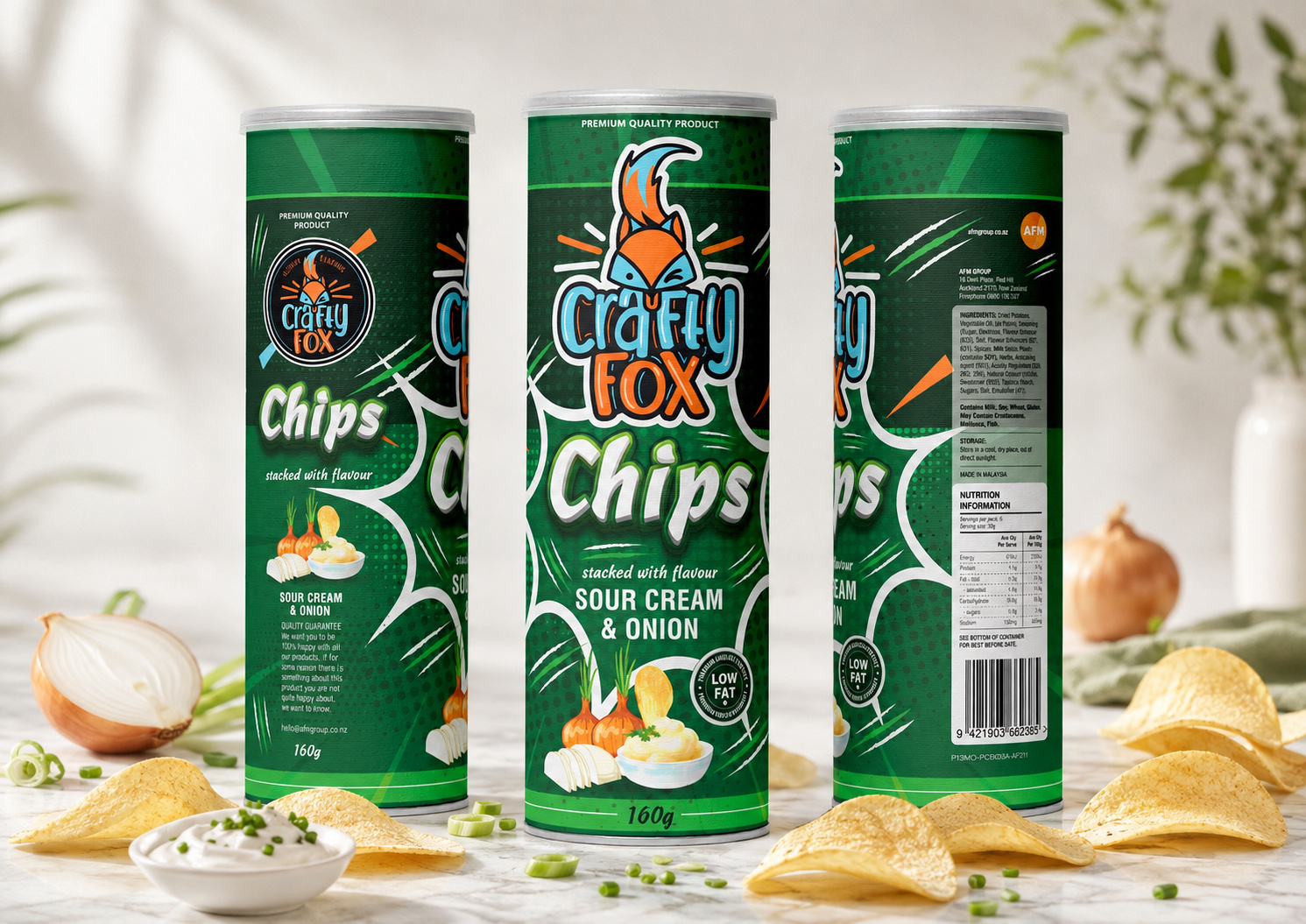
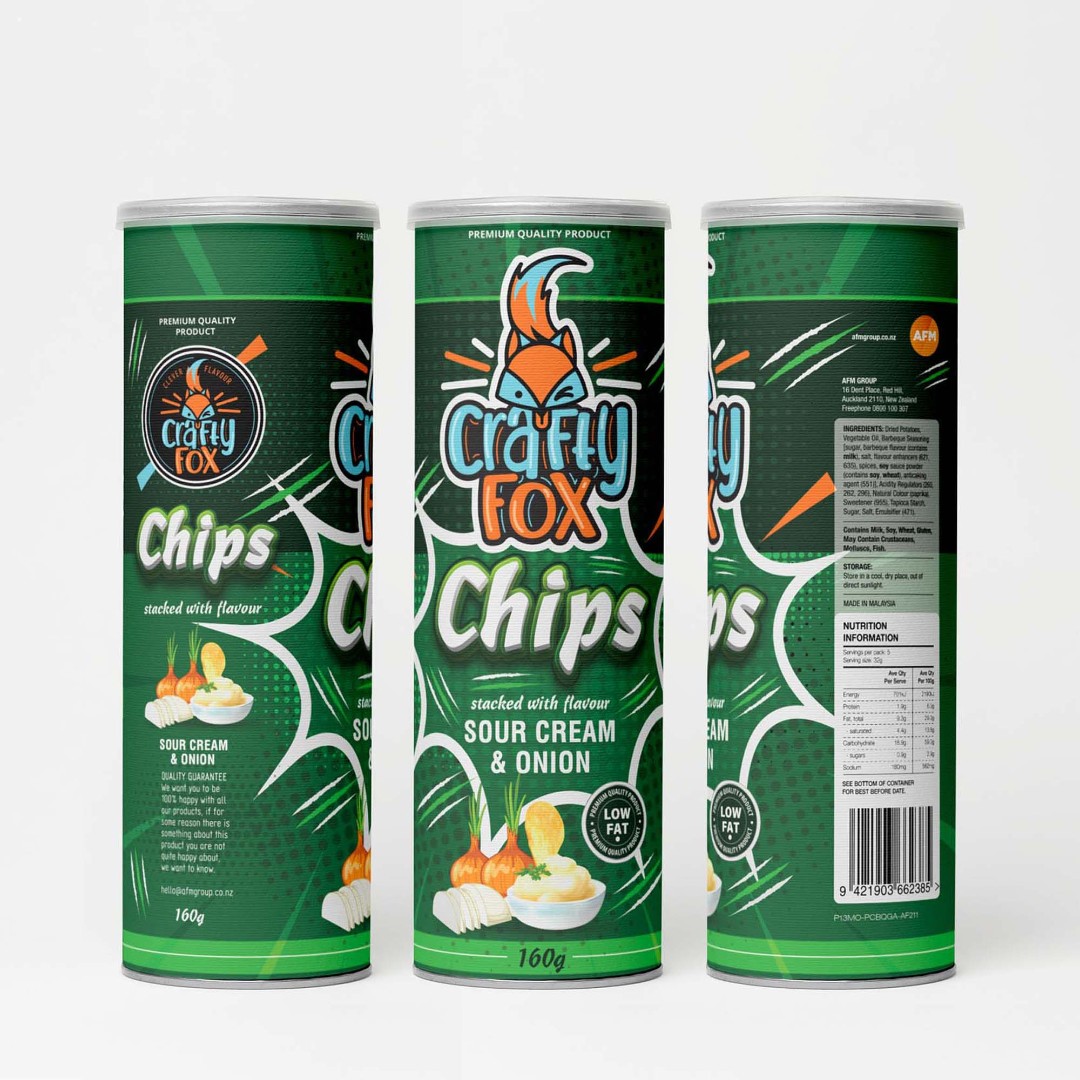
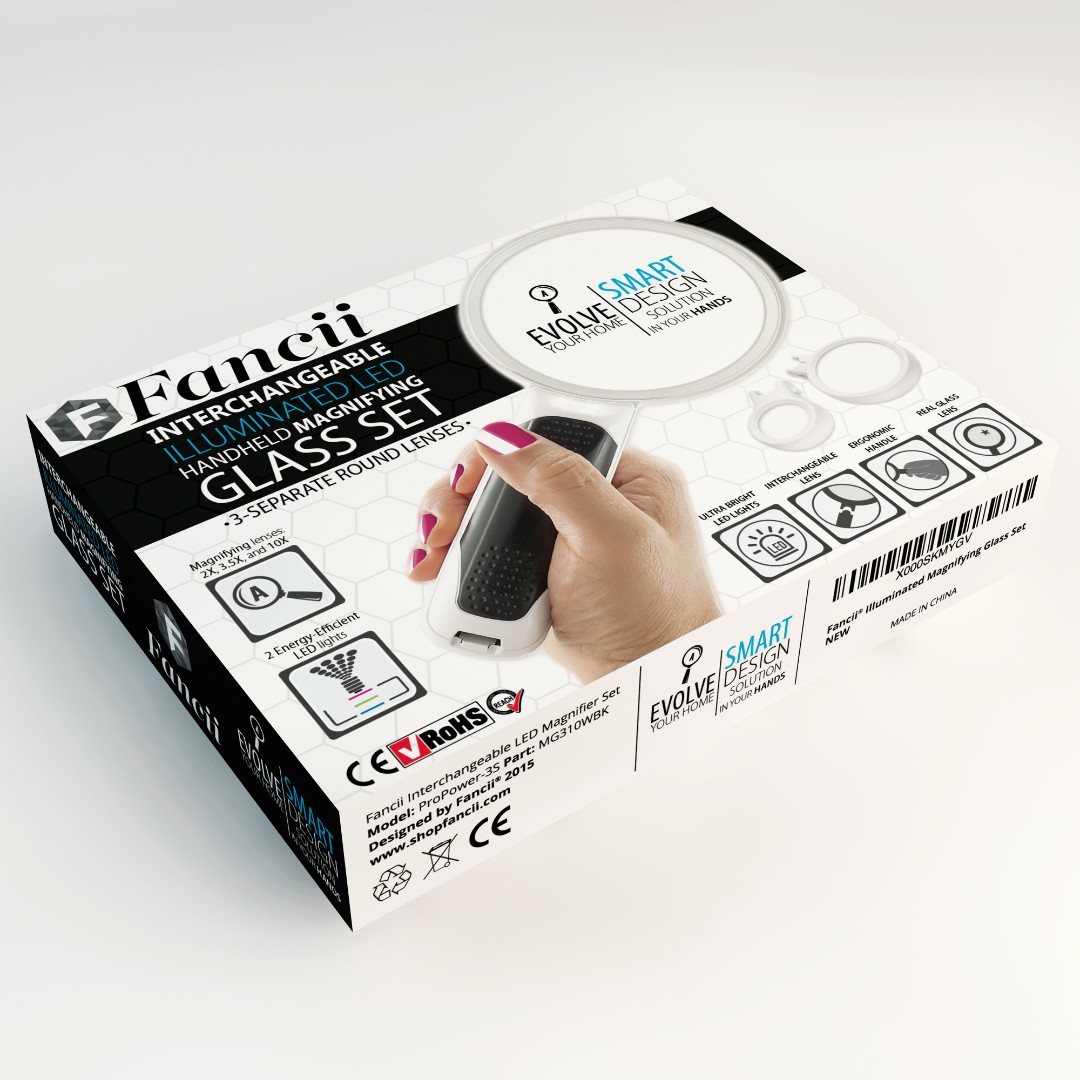
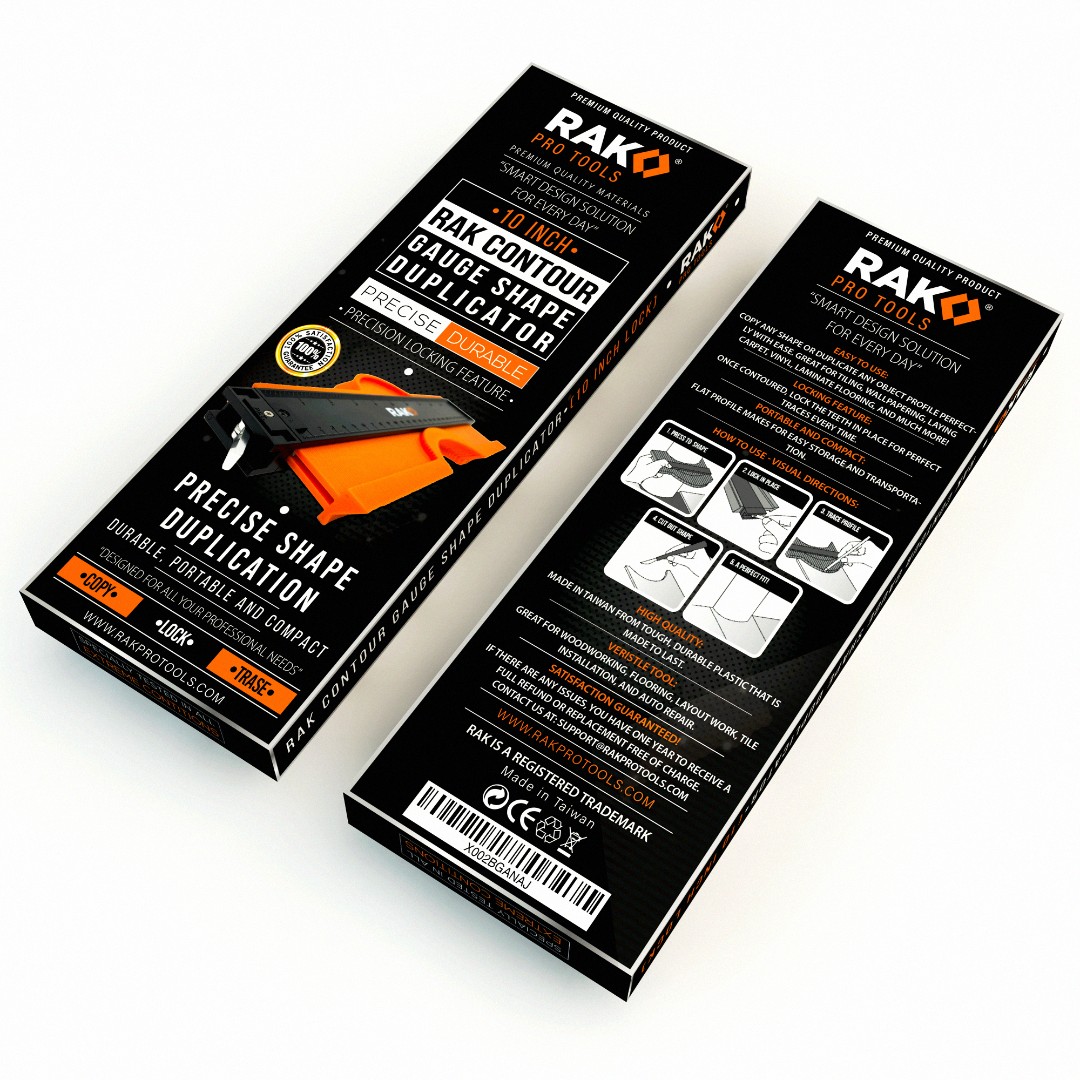
Crafty Fox sour cream and onion chips packaging shown from multiple angles with coordinated branding, typography, product information, and label design.

THREE BARRIERS THAT LIMIT BRAND CLARITY

01 — VISUAL IDENTITY REMAINS FRAGMENTED

Logos, typography, colors, imagery, packaging, editorial layouts, and digital assets may all exist, but without a shared design logic they rarely create one recognizable brand experience.

Professional Brand Identity And Graphic Design connect these elements into a clear visual system that strengthens consistency, distinction, and long-term recognition.

02 — MESSAGE STRUCTURE LACKS CLEAR HIERARCHY

Important messages become harder to understand when information, typography, imagery, composition, and calls to action compete instead of working together.

Strategic Graphic Design And Visual Communication establish hierarchy, rhythm, and focus—helping audiences understand what matters, navigate content more easily, and respond with greater confidence.

03 — BRAND VALUE IS HARDER TO EXPRESS

Even a strong product or service can appear less credible when its presentation does not reflect the quality, ambition, and professional thinking behind it.

Premium Packaging Design, Editorial Design, Campaign Systems, And Digital Brand Assets translate real business value into a visual language that supports recognition, trust, positioning, and stronger market presence.

The challenge is rarely a lack of creativity. It is the absence of a connected design system capable of translating brand strategy, content, identity, and commercial purpose into one coherent visual experience.

A professionally developed Graphic Design Service connects identity, packaging, editorial structure, campaign communication, digital assets, motion, illustration, and production-ready delivery—helping brands become easier to recognize, understand, trust, and remember.

THE STRONGEST BRANDS ARE NOT FORMED THROUGH ISOLATED ASSETS. THEY GAIN CLARITY, RECOGNITION, AND LONG-TERM VALUE WHEN IDENTITY, MESSAGE, AND APPLICATION WORK AS ONE CONNECTED VISUAL SYSTEM.

INDUSTRY CONTEXTS • CLIENT TYPES • COMMUNICATION SYSTEMS • PROJECT APPLICATIONS

Different Industries Demand Different Visual Solutions. Our Graphic Design Services Are Built Around The Real Communication Needs Behind Each One.

FROM BRAND IDENTITY, PACKAGING, AND CAMPAIGN SYSTEMS TO EDITORIAL DESIGN, PRODUCT PRESENTATION, DIGITAL ASSETS, AND MULTI-FORMAT COMMUNICATION—EVERY GRAPHIC DESIGN ENGAGEMENT IS STRUCTURED AROUND THE AUDIENCE, MARKET POSITION, PRODUCTION REALITY, AND LONG-TERM ROLE THE WORK MUST PERFORM.

Graphic design is not valuable simply because it looks refined. It becomes valuable when it helps a brand communicate more clearly, appear more credible, and perform more consistently across the touchpoints that shape recognition, trust, and decision-making.

At Infinity Design Studio, our Graphic Design Services are developed around the actual context of the project—its audience, category, communication objectives, delivery formats, technical conditions, and long-term brand use. A startup requires a different level of visual structure than an established manufacturer. A product packaging system demands a different logic than a presentation deck, editorial brochure, digital campaign asset, or retail communication environment.

For that reason, we do not approach graphic design as one uniform service or one stylistic formula. We shape each engagement according to the commercial and communication realities behind it—whether the work must support brand identity, packaging clarity, campaign performance, retail presence, product communication, editorial structure, digital application, or a broader visual system that must remain recognizable across multiple formats and audiences.

The objective is not only to create attractive outputs, but to build visual communication systems that are strategically relevant, professionally resolved, production-aware, and durable enough to support long-term brand growth.

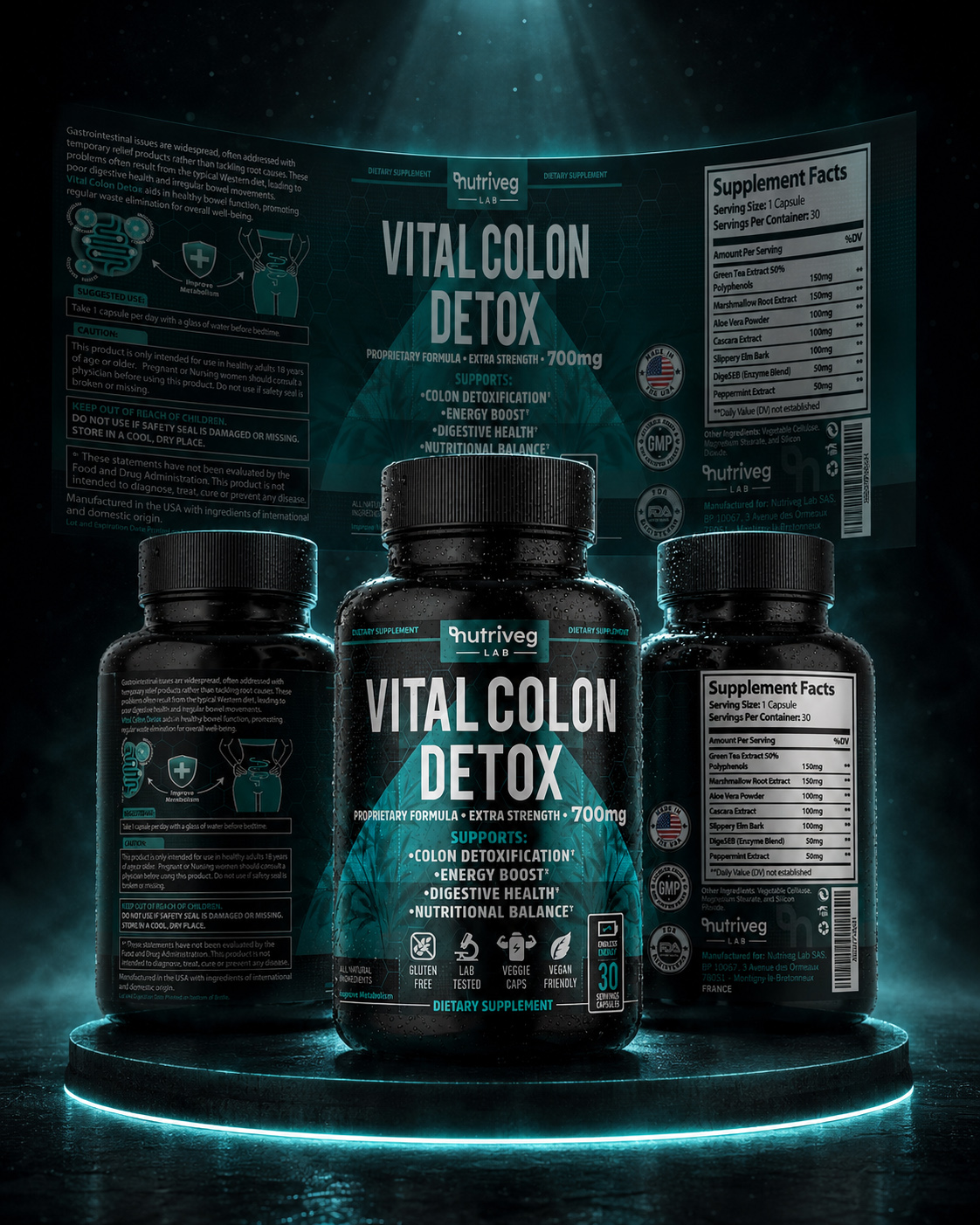
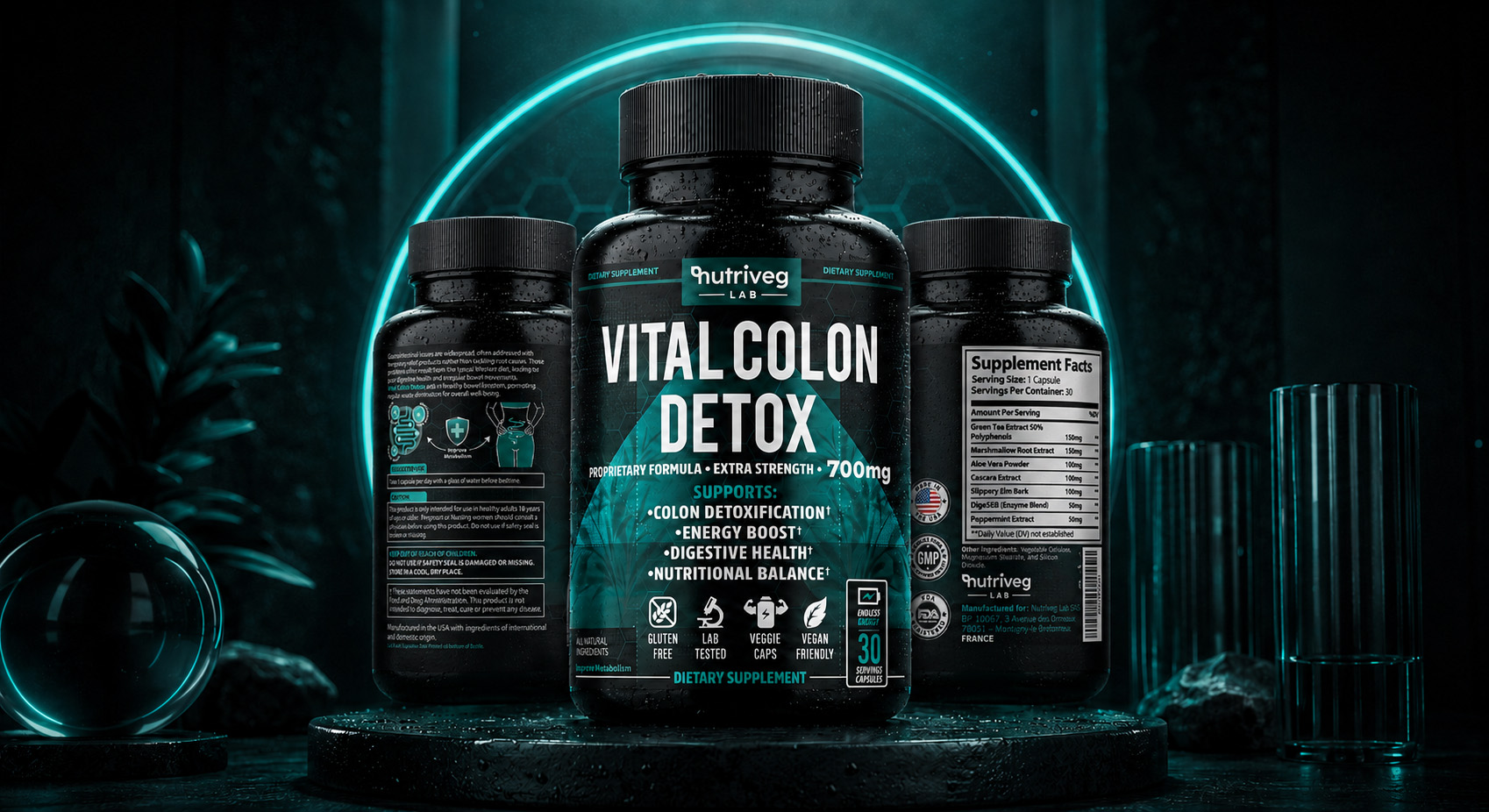
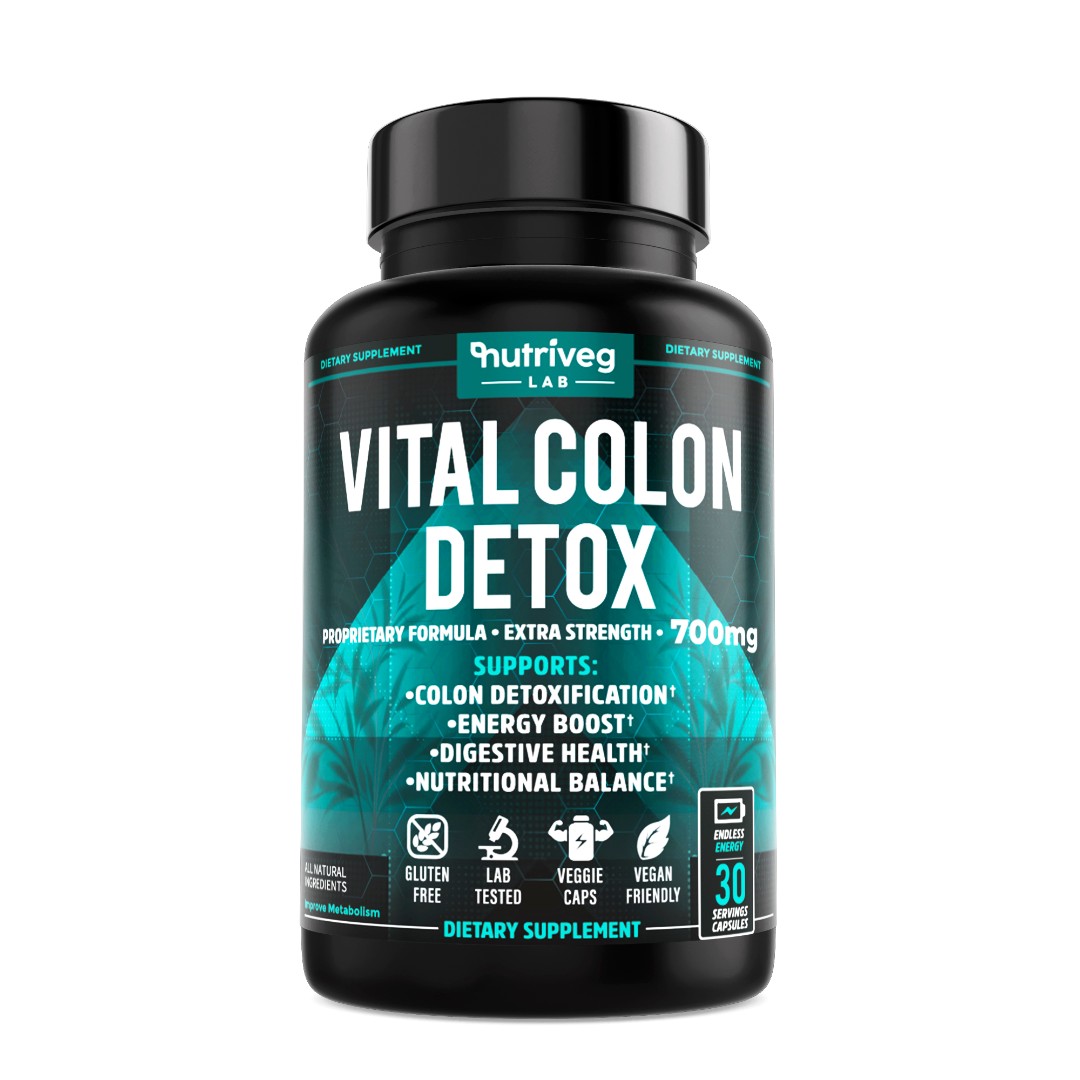
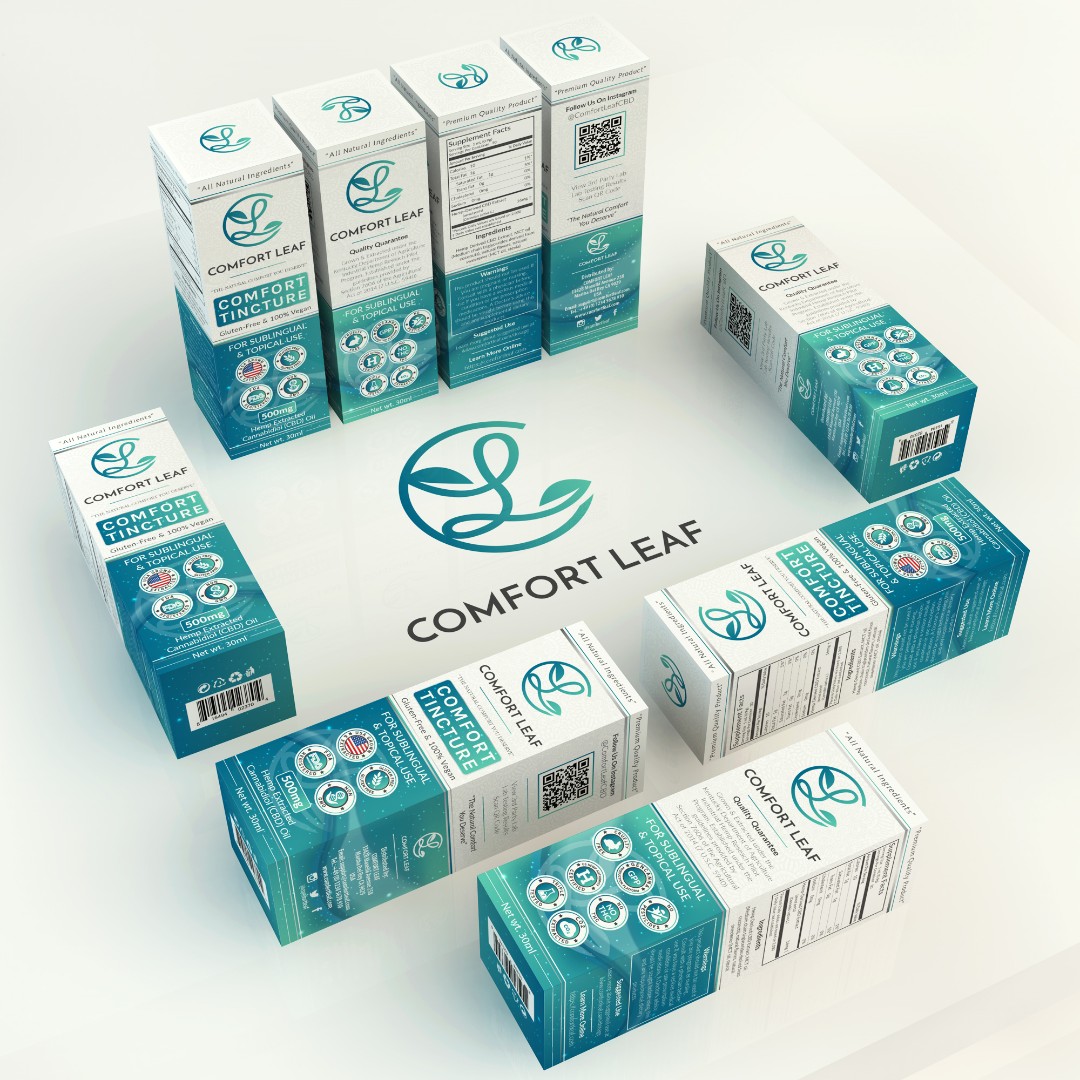
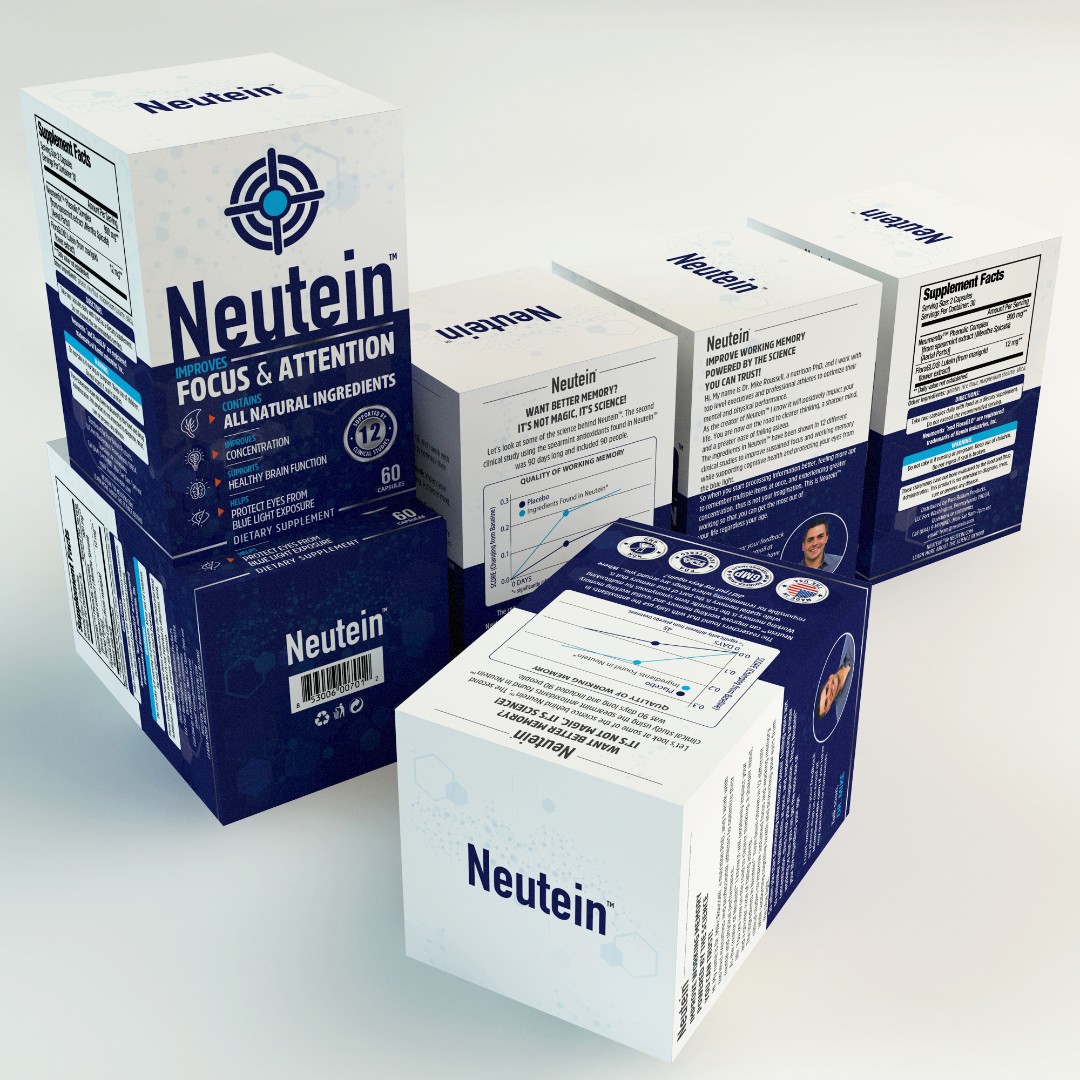
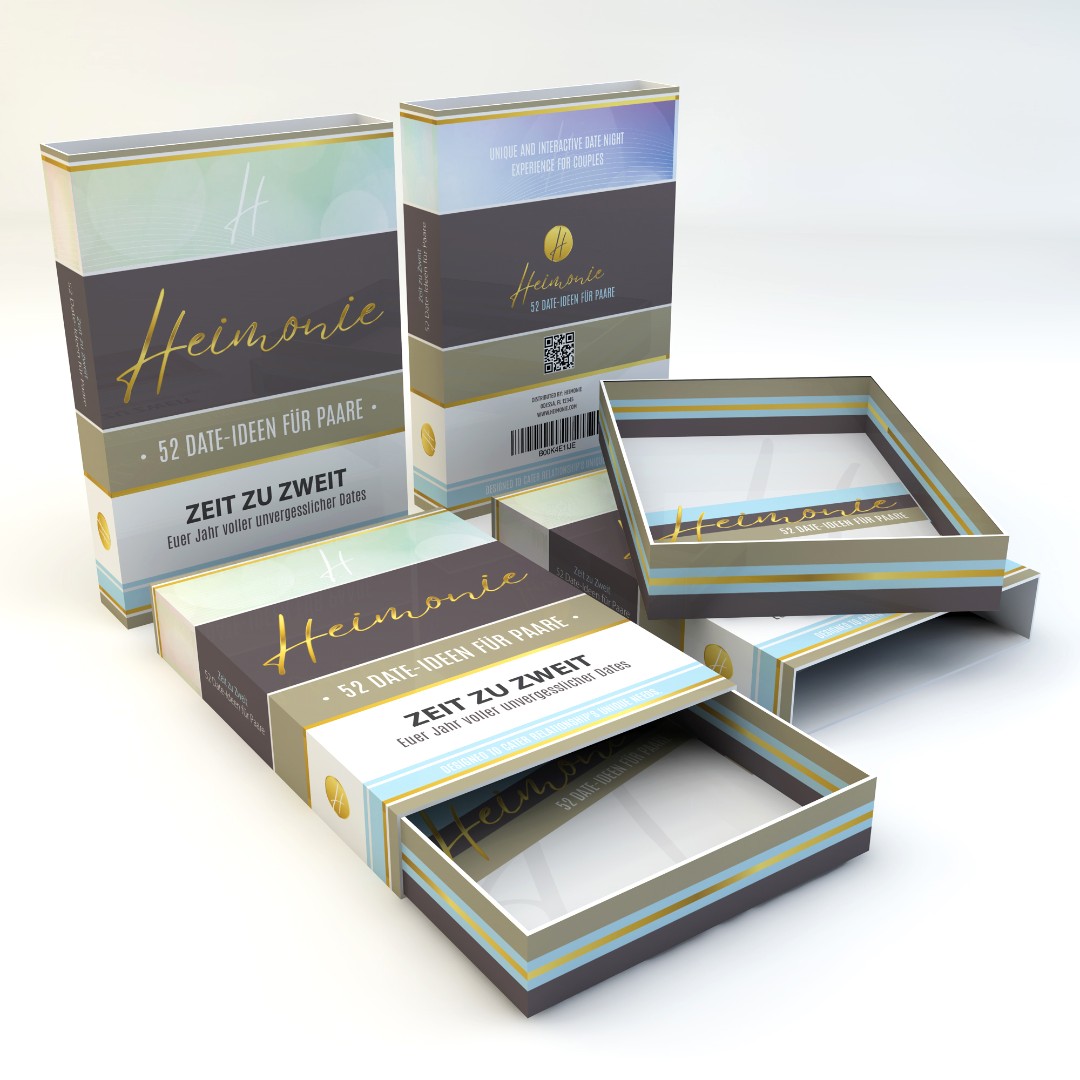
Vital Colon Detox supplement packaging and label design presented across front, side, and supplement facts views in a premium product composition.

DIFFERENT INDUSTRIES REQUIRE DIFFERENT VISUAL PRIORITIES. EVERY PROJECT RECEIVES THE SAME STANDARD OF STRATEGIC CLARITY, DESIGN PRECISION, AND PROFESSIONAL EXECUTION.

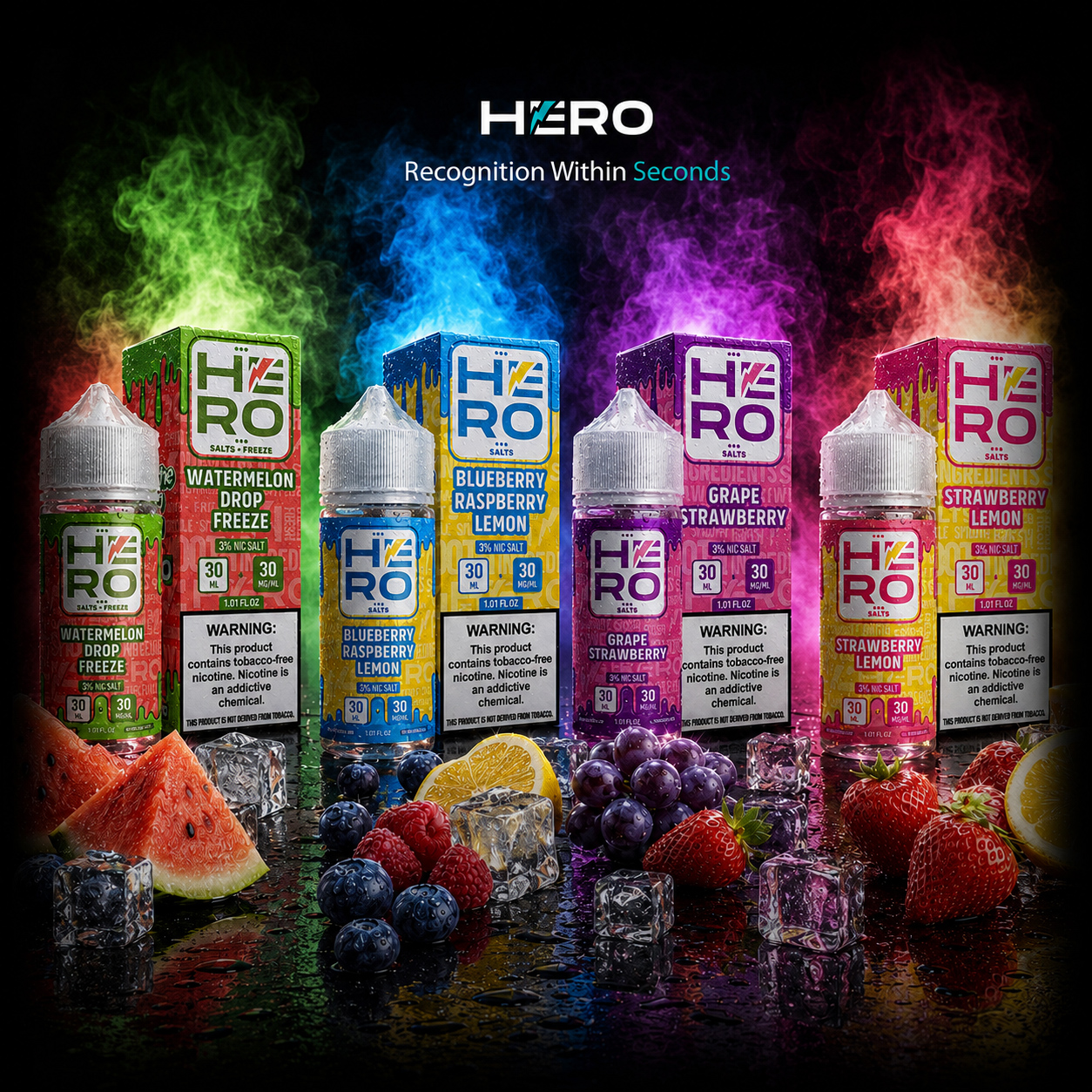
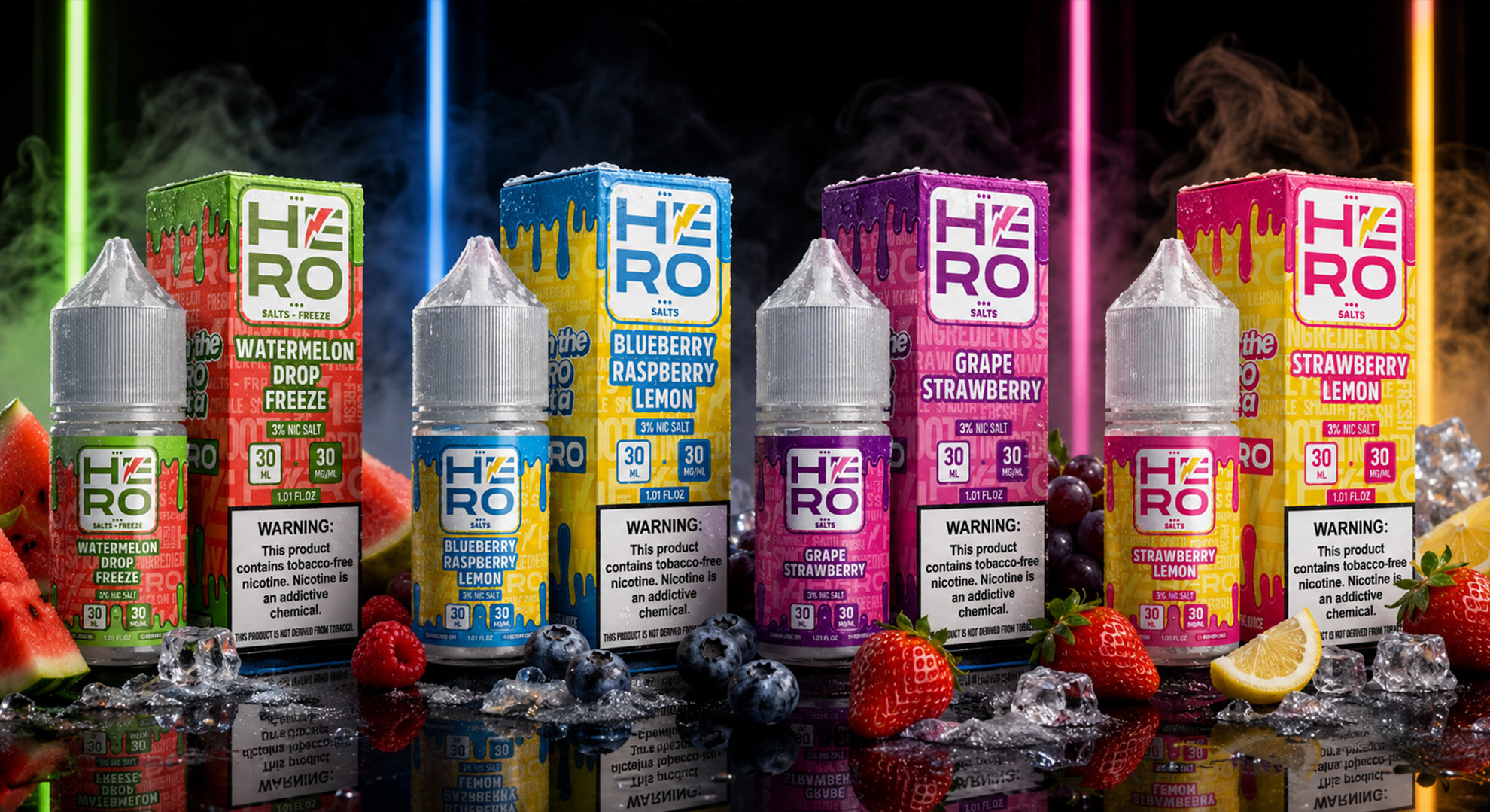
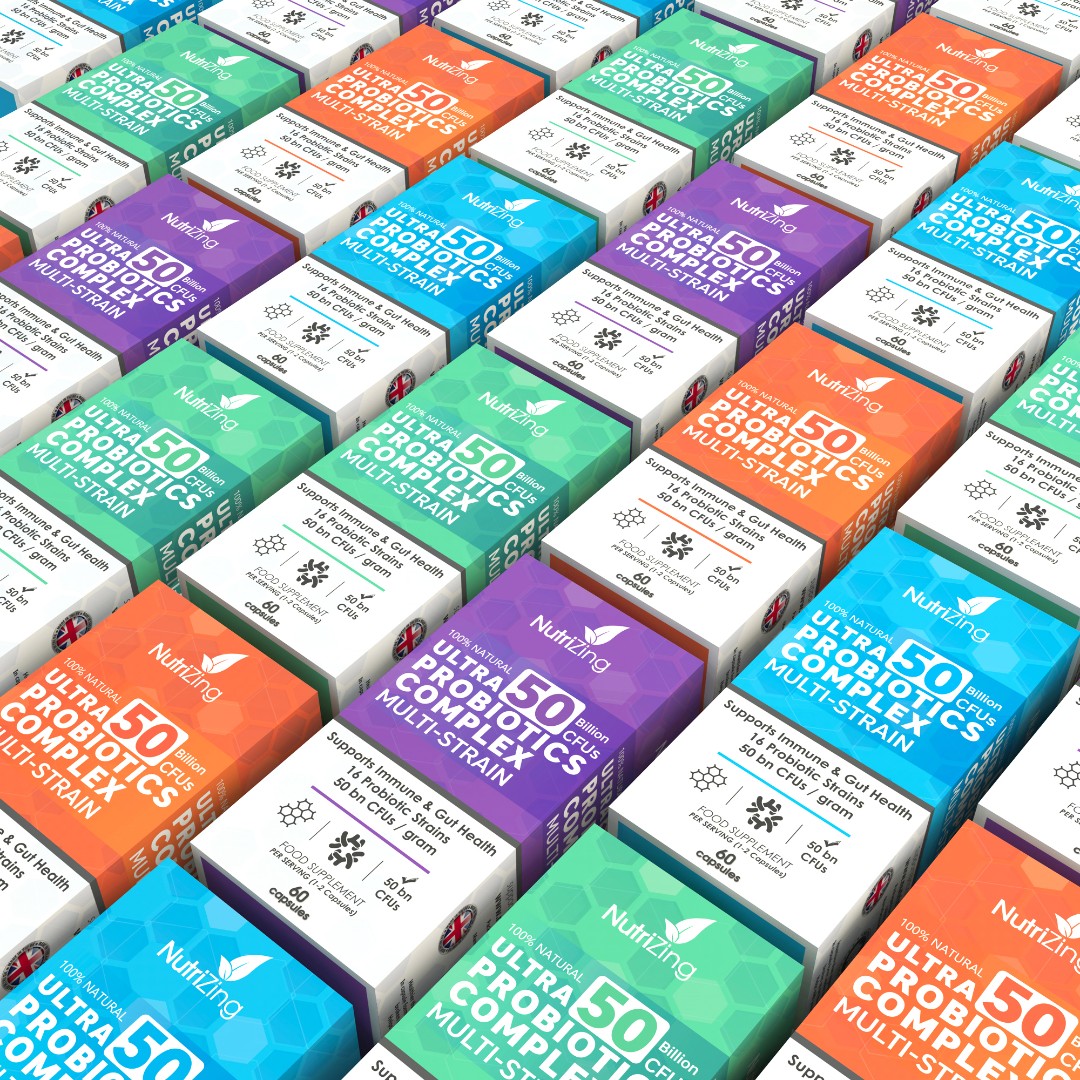
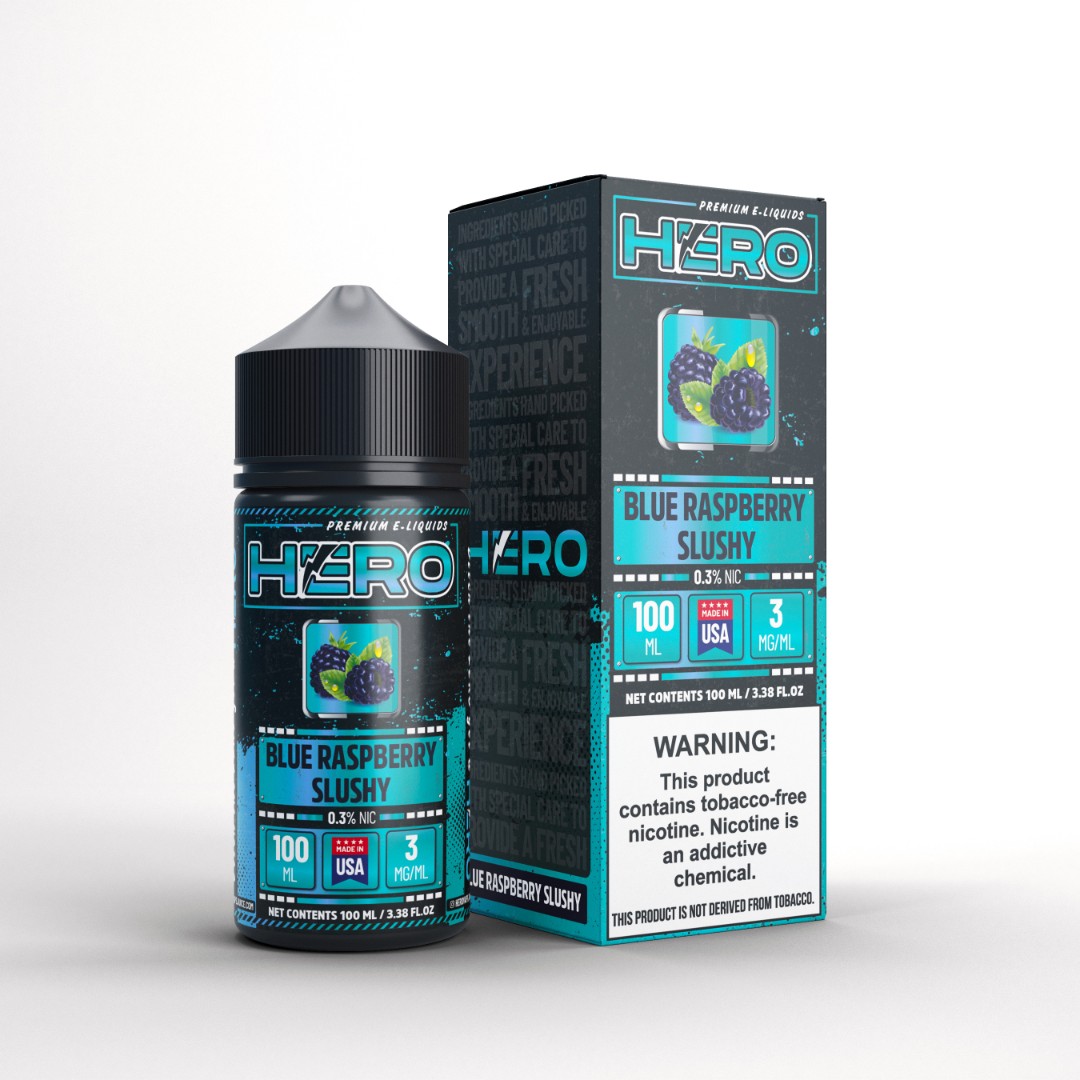
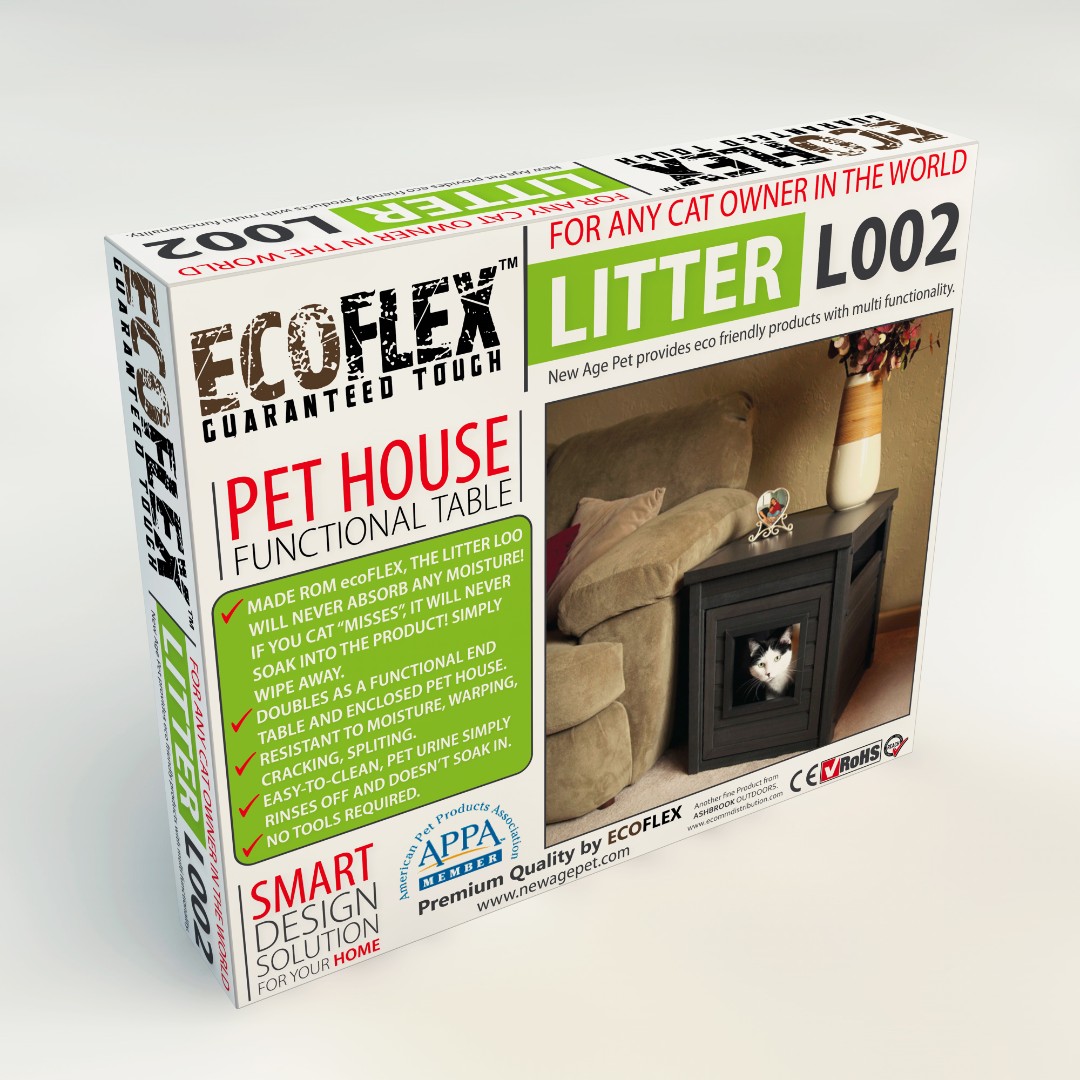
HERO product packaging range showing multiple flavor variants with coordinated branding, color coding, typography, and label design.

BRAND APPLICATION · PRODUCT RANGE · CAMPAIGN-READY VISUAL SYSTEMS

A Strong Graphic Design System Proves Its Value When One Visual Idea Can Carry An Entire Product World.

A single package can look distinctive in isolation and still fail the moment a brand expands. Multiple flavours, formats, product variants, promotional assets, retail contexts, and campaign materials introduce new information while recognition still has to remain immediate. The real test of graphic design begins when consistency must survive variation without turning the range into a collection of unrelated executions.

That is where the underlying system starts doing the heavy work. Typography, colour coding, hierarchy, imagery, graphic rhythm, packaging structure, and product differentiation need enough discipline to preserve recognition while giving every variant its own reason to exist. The strongest visual systems are not rigid templates—they create rules strong enough to hold the brand together and flexible enough to let communication expand without losing clarity or character.

Once that foundation is established, graphic design can move far beyond the original deliverable. The same visual logic can begin supporting photography, retouching, campaign adaptation, production artwork, motion, presentation systems, digital assets, retail communication, and future product extensions without rebuilding the brand language from zero. A resolved design system therefore becomes more than the answer to one brief—it becomes the platform from which broader creative production can continue.

WHEN A VISUAL SYSTEM CAN EXPAND ACROSS PRODUCTS, VARIANTS, CAMPAIGNS, AND COMMUNICATION FORMATS WITHOUT LOSING ITS CORE IDENTITY,
GRAPHIC DESIGN STOPS BEING A SINGLE DELIVERABLE AND BECOMES A CREATIVE FOUNDATION—CAPABLE OF SUPPORTING BROADER PRODUCTION, STRONGER BRAND CONSISTENCY, AND THE NEXT LAYER OF VISUAL COMMUNICATION THE PROJECT MAY REQUIRE.

GRAPHIC DESIGN BEYOND THE CORE DESIGN SCOPE

Where the project benefits from a broader level of support, the Graphic Design engagement can extend into Professional Photography, Image Development & Retouching, Illustration, Production-Ready Artwork, Motion Design, Campaign Adaptation, Presentation Systems, Digital Assets, Packaging Support, and other brand communication applications that help the work perform more clearly, consistently, and effectively across real-world use.

These disciplines are introduced only where they strengthen the core design direction itself—whether by improving brand communication, supporting product presentation, increasing campaign readiness, refining production quality, extending the approved visual language across new formats, or creating a stronger connection between strategic thinking, visual consistency, technical execution, and the way the final work is ultimately seen, used, and understood.

DIFFERENT INDUSTRIES REQUIRE DIFFERENT COMMUNICATION PRIORITIES.
EVERY PROJECT RECEIVES THE SAME STANDARD OF STRATEGIC CLARITY, VISUAL PRECISION, BRAND CONSISTENCY, AND PROFESSIONAL EXECUTION.

Gradient quotation mark icon in purple and turquoise.

IT TURNS STRATEGY, IDENTITY, CONTENT, AND BUSINESS VALUE INTO CLEAR VISUAL COMMUNICATION THAT HELPS PEOPLE RECOGNIZE, UNDERSTAND, TRUST, AND REMEMBER THE BRAND.

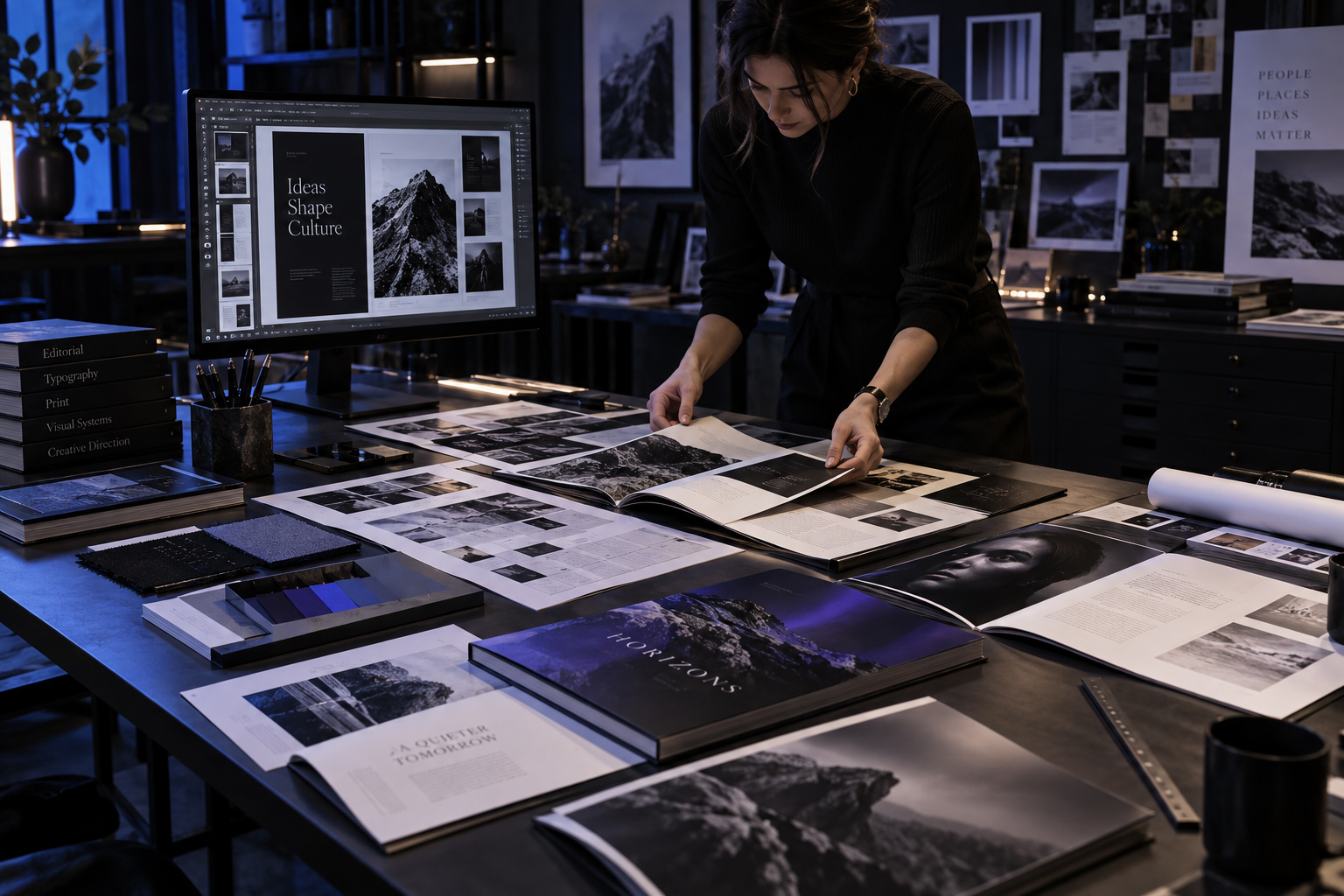
Graphic designer developing editorial and publication layouts with printed spreads, typography studies, image selections, material samples, and digital page compositions across a professional design workspace.

INDUSTRY CONTEXT · BRAND ADAPTATION · VISUAL SYSTEMS · EDITORIAL DESIGN

A Strong Visual Standard Adapts To Different Brand Worlds Without Losing Its Discipline.

Graphic Design cannot communicate a luxury product, a cultural institution, a technology platform, and a hospitality brand through the same visual behaviour. Each context carries different expectations around hierarchy, tone, image language, typography, materiality, pace, and audience attention. Professional consistency does not mean making every project look alike—it means knowing which principles must remain controlled while allowing the visual language to respond intelligently to the world it is entering.

That distinction is what separates a flexible design system from a generic style. Editorial structure may become quieter or more expressive, typography may shift from functional precision to cultural character, imagery may carry more atmosphere or more information, and composition may expand or contract depending on how the audience is expected to read, compare, and respond. The design changes because the communication problem changes, while the discipline behind the decision-making remains constant.

When that adaptability is built into the work from the beginning, Graphic Design becomes capable of moving across industries without losing professional authority. Different projects can develop entirely different visual personalities while still benefiting from the same level of strategic clarity, hierarchy, craft, and production control. The result is not one recognizable house style imposed everywhere—it is a recognizable standard of thinking strong enough to create the right visual world for each project on its own terms.

WHEN VISUAL LANGUAGE CAN CHANGE WITH THE INDUSTRY, AUDIENCE, PURPOSE, AND ENVIRONMENT WITHOUT COMPROMISING THE DISCIPLINE BEHIND IT,
GRAPHIC DESIGN STOPS DEPENDING ON ONE REPEATABLE AESTHETIC AND BECOMES AN ADAPTIVE COMMUNICATION SYSTEM—BUILT TO PRESERVE STRATEGIC CLARITY, PROFESSIONAL CONSISTENCY, AND DISTINCTIVE BRAND CHARACTER WHILE GIVING EVERY PROJECT THE VISUAL WORLD IT ACTUALLY NEEDS.

THREE DESIGN APPLICATIONS · ONE GRAPHIC DESIGN STANDARD

Different Message Goals Require Different Design Systems

The Application Changes. The Standard Of Strategic Clarity, Visual Consistency, And Professional Execution Does Not.

Graphic Design creates value differently depending on where, how, and why it is used. A packaging system, digital campaign, editorial publication, or retail environment cannot be developed through the same visual logic.

Infinity Design Studio adapts the Graphic Design Strategy, Creative Direction, Visual Hierarchy, And Production System to the audience, business objective, communication context, and practical requirements behind each project—transforming ideas into distinctive, coherent, and professionally developed visual communication.

01 — BRAND, PRODUCT & PACKAGING SYSTEMS

The Design Challenge

Brands often accumulate logos, packaging, product variations, and promotional materials without one clear relationship between identity, message, hierarchy, and market positioning.

Individual assets may appear visually polished, but without a connected system they struggle to build consistent recognition, support product expansion, or communicate the complete value and character of the brand.

The Graphic Design Response

We connect Brand Identity, Logo Systems, Packaging Design, Typography, Color, Product Architecture, And Production-Ready Artwork within one scalable visual language.

The system strengthens consistency across products, packaging families, formats, and touchpoints—helping the brand remain recognizable across launches, collections, markets, and evolving communication needs.

This approach lets future applications grow from one strategic foundation, improving brand control and coherence across retail, digital communication, campaigns, and long-term portfolio expansion while preserving flexibility across future applications.

FROM INDIVIDUAL BRAND ASSETS TO ONE RECOGNIZABLE AND SCALABLE VISUAL SYSTEM.

02 — CAMPAIGN, DIGITAL & COMMERCIAL MESSAGE

The Design Challenge

Campaigns, launches, e-commerce content, digital advertising, and social communication often become visually fragmented when each channel, format, or production phase is developed independently.

The central idea loses strength, brand recognition becomes inconsistent, and audiences receive disconnected messages instead of one coordinated campaign experience.

The Graphic Design Response

We develop Campaign Key Visuals, Digital Design Systems, Social Media Assets, Advertising Materials, Motion Graphics, And Multi-Format Adaptations around one approved creative direction.

Each asset is adapted to its platform and purpose while preserving the same message, hierarchy, visual identity, and campaign authority across physical and digital channels.

This coordinated approach allows the campaign to remain recognizable across changing formats, audience touchpoints, product variations, launch phases, and communication environments—creating one consistent visual experience instead of a collection of disconnected promotional materials.

TURN ONE CREATIVE DIRECTION INTO A COHERENT CAMPAIGN ACROSS EVERY RELEVANT FORMAT.

03 — EDITORIAL, INSTITUTIONAL & BRAND EXPERIENCE

The Design Challenge

Publications, reports, exhibitions, retail environments, institutional materials, and information-rich content require more than visual appeal.

They must organize complexity, guide attention, and remain functional across different audiences and physical contexts.

Without a disciplined hierarchy, important information becomes difficult to navigate, while the brand experience loses clarity and consistency between editorial, environmental, and customer-facing applications.

The Graphic Design Response

We combine Editorial Design, Information Hierarchy, Publication Systems, Environmental Graphics, Point-Of-Sale Materials, Exhibition Design, And Brand Activation within one purposeful communication structure.

The final system makes content easier to understand, strengthens the physical presence of the brand, and creates a consistent experience across publications, spaces, displays, events, and institutional touchpoints while preserving clarity, visual continuity, and stronger recognition across multi-format communication environments.

TRANSFORM COMPLEX CONTENT AND PHYSICAL TOUCHPOINTS INTO CLEAR, COHERENT BRAND EXPERIENCES.

DIFFERENT APPLICATIONS. DIFFERENT COMMUNICATION CHALLENGES.
ONE PROFESSIONAL GRAPHIC DESIGN STANDARD FOR TURNING STRATEGY, CONTENT, AND IDENTITY INTO CLEAR VISUAL VALUE.

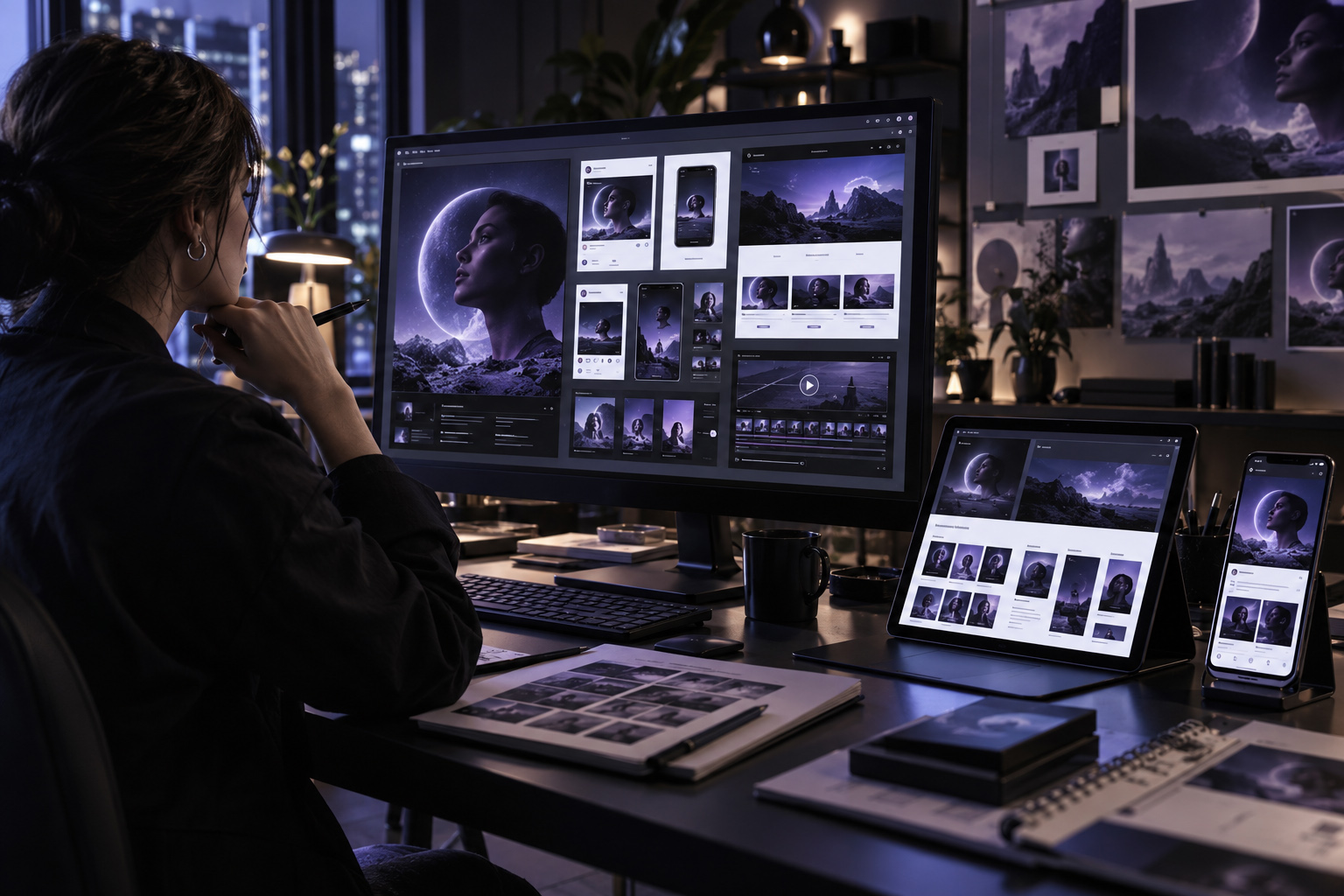
Graphic designer developing a cross-platform digital campaign with coordinated desktop, tablet, mobile, social media, web, and video layouts displayed across multiple screens.

DIGITAL CAMPAIGNS · MULTI-FORMAT DESIGN · CROSS-PLATFORM COMMUNICATION

A Campaign Becomes Stronger When The Format Changes But The Visual Idea Remains Instantly Recognizable.

A strong campaign rarely lives in one composition. The same idea may have to perform across a wide desktop canvas, a vertical mobile screen, a social feed, a landing page, a presentation, a short-form video frame, and a sequence of promotional assets—all with different proportions, reading distances, interaction patterns, and attention spans. The challenge is not simply to resize the design, but to preserve the campaign’s identity when the conditions around it keep changing.

That requires a visual system with enough structure to survive adaptation. Typography, image treatment, hierarchy, composition, motion cues, spacing, colour relationships, and message priority must be flexible enough to respond to each platform without losing the campaign’s original character. The strongest multi-format work does not force every execution into the same layout—it protects the underlying logic strongly enough that recognition survives even when the composition has to change completely.

When that continuity is resolved properly, every touchpoint begins reinforcing the next one. A user may encounter the campaign first on mobile, later through a website, and again through editorial or promotional content, yet the experience still feels connected because the same visual language keeps returning with clarity. The campaign stops behaving like a set of isolated assets and becomes one coherent communication system—capable of building recognition, consistency, and momentum across the entire digital journey.

WHEN TYPOGRAPHY, IMAGERY, HIERARCHY, COMPOSITION, AND PLATFORM-SPECIFIC ADAPTATION ARE BUILT AROUND ONE CLEAR CAMPAIGN IDEA,
MULTI-FORMAT DESIGN STOPS BEING A SERIES OF RESIZED ASSETS AND BECOMES A CONNECTED COMMUNICATION SYSTEM—BUILT TO PRESERVE RECOGNITION, PROTECT VISUAL CONSISTENCY, AND KEEP THE SAME CREATIVE IDEA WORKING WITH CLARITY AND IMPACT ACROSS EVERY SCREEN, FORMAT, AND AUDIENCE TOUCHPOINT.

THE NF EDITORIAL JOURNAL FORMAT™
Graphic Design explored as a coherent system—from visual identity and packaging to campaigns, editorial content, digital assets, and physical applications that preserve recognition, consistency, and brand meaning.

WHERE VISUAL STRATEGY ENTERS THE REAL WORLD

A Brand Is Not Experienced As A Design System.
It Is Experienced Through Every Place That System Appears.

The Real Value Of Graphic Design Emerges When Identity, Packaging, Campaigns, Editorial Content, Digital Assets, And Physical Applications Still Communicate With One Recognizable Voice.

Graphic Design becomes meaningful when the thinking behind it continues to work beyond the original presentation. A logo may establish recognition, packaging may shape product perception, a campaign may attract attention, and editorial or digital communication may organize information—but the brand becomes stronger only when these individual expressions remain connected through visual hierarchy, typography, color, imagery, composition, production logic, and a consistent understanding of what the audience needs to recognize and remember.

This is where a visual system proves whether it has real depth. As the work moves between Brand Identity, Packaging Design, Editorial Communication, Digital Campaigns, Motion, Retail Environments, Product Presentation, and production-ready applications, consistency cannot mean repeating the same layout everywhere. It means preserving enough of the brand’s character, strategic intent, and visual logic that every new application feels appropriate to its purpose while still belonging unmistakably to the same larger identity.

EXPLORE HOW STRATEGIC DESIGN THINKING BECOMES RECOGNIZABLE BRAND EXPERIENCE ACROSS REAL APPLICATIONS.

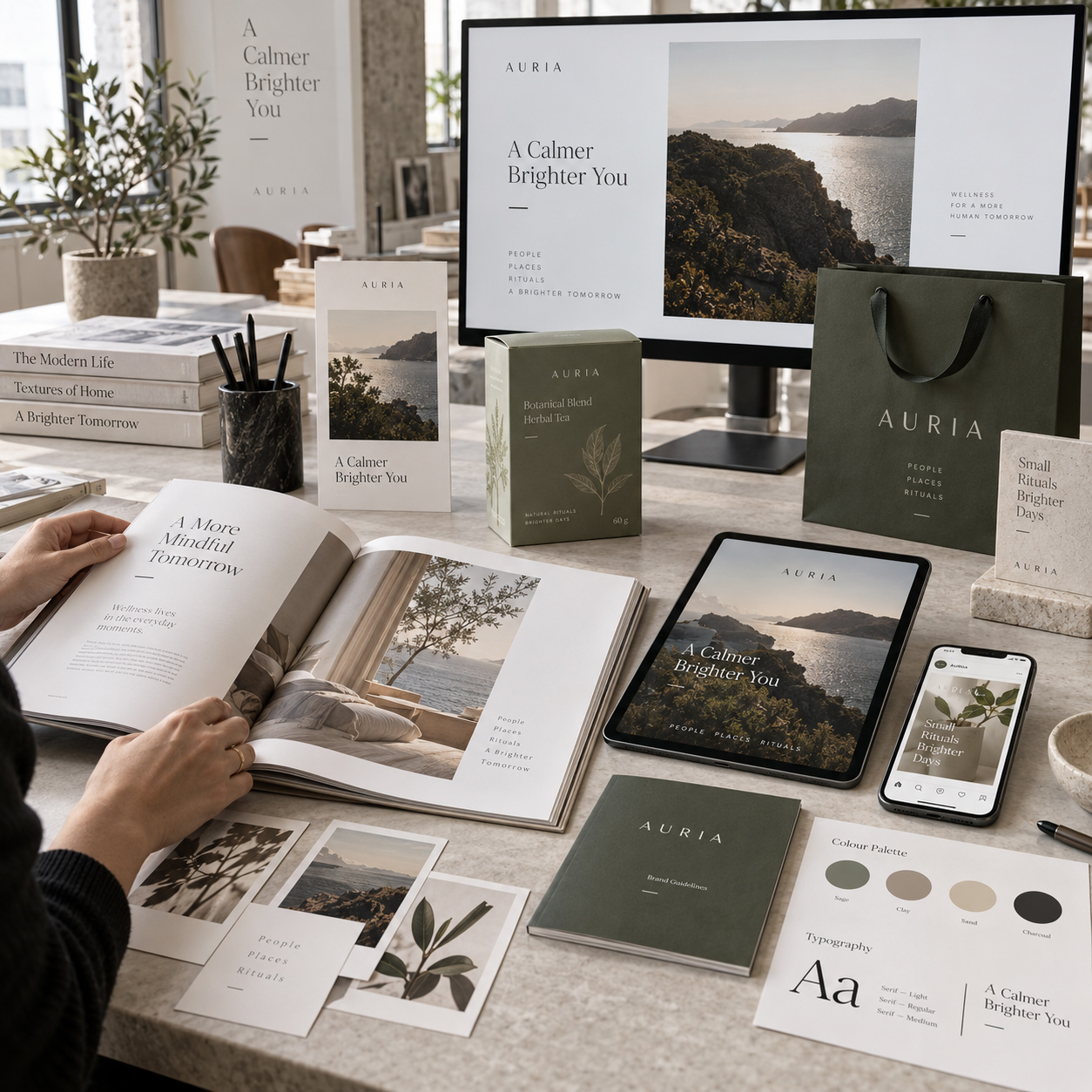
Complete Auria brand system shown across brand guidelines, editorial publication, packaging, website, tablet, mobile, social media, stationery, typography, color palette, and printed collateral.

EDITORIAL CONTEXT · CONNECTED BRAND SYSTEMS · REAL-WORLD APPLICATION

From Design Thinking To A Brand Experience That Holds Together Everywhere.

A strong visual system begins with more than individual assets. It connects identity, typography, imagery, color, editorial structure, packaging, digital communication, and physical application through one recognizable design logic—allowing the brand to remain coherent even when the medium, format, or audience changes.

The value becomes visible when that thinking survives beyond the original presentation. A publication, package, campaign screen, social asset, guideline, or retail touchpoint may each serve a different purpose, but together they should still communicate the same strategic intent, visual character, and standard of execution.

This is where Graphic Design moves from appearance into experience: not by repeating one layout everywhere, but by creating enough structure, flexibility, and visual continuity for the brand to remain recognizable wherever people encounter it.

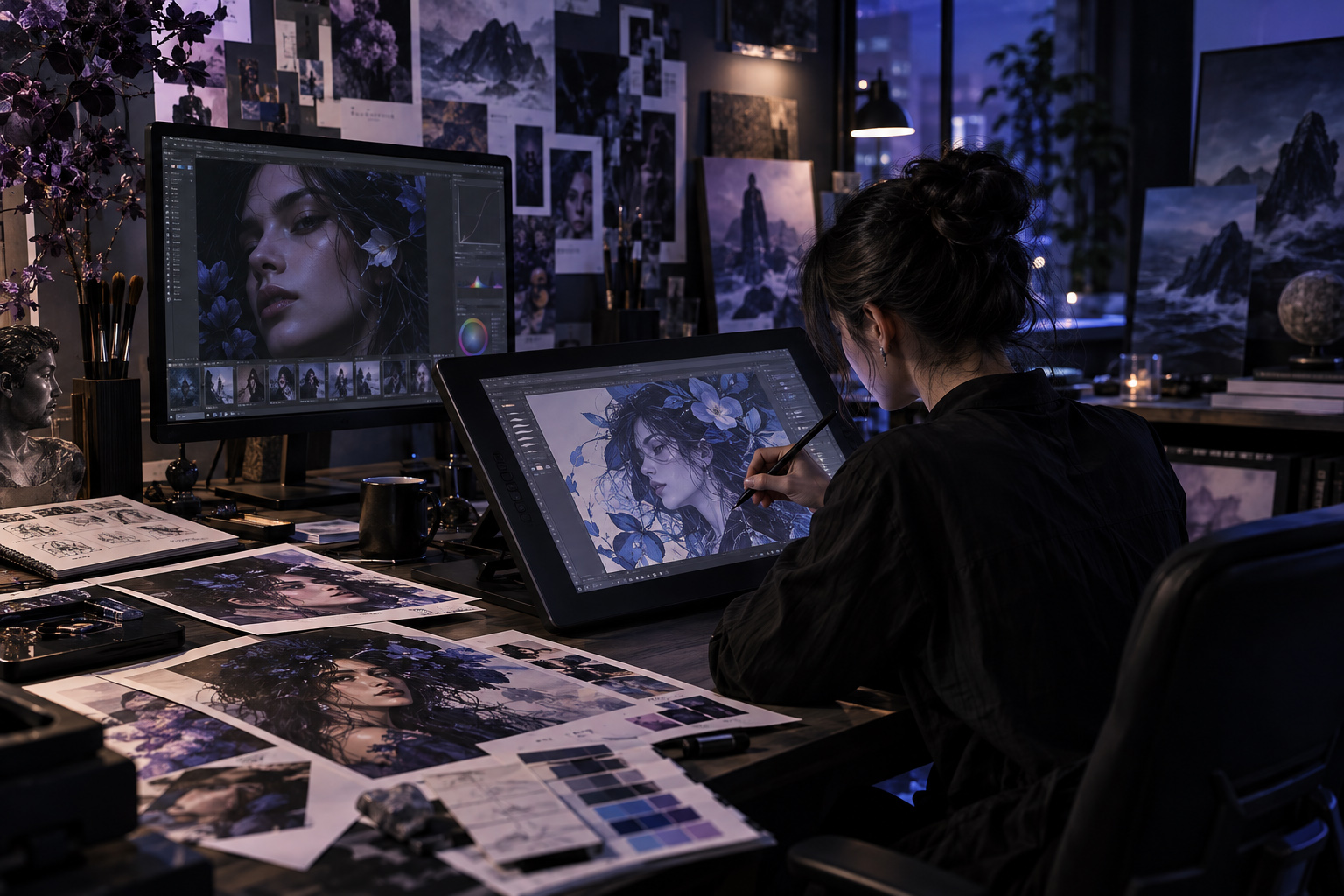
Graphic designer developing a detailed digital illustration with portrait imagery, botanical elements, reference photography, color studies, printed compositions, and drawing tools across a professional creative workspace.

ILLUSTRATION · IMAGE MAKING · RETOUCHING · VISUAL AUTHORSHIP

Some Visual Ideas Cannot Be Found. They Have To Be Built From The Ground Up.

Not every communication problem can be solved by choosing the right photograph, stock image, or existing brand asset. Sometimes the idea requires a visual world that does not yet exist—one with its own atmosphere, narrative tension, texture, lighting logic, and visual character. That is where Graphic Design moves beyond selection and arrangement and begins to take responsibility for creating the image itself.

Illustration, compositing, advanced retouching, image construction, and controlled digital painting allow separate fragments to become one authored visual statement. Photography can be reshaped, elements can be combined, colour and light can be redirected, and detail can be introduced or removed until the image supports the exact communication purpose the project requires. The objective is not to make something artificially complex—it is to create a visual result precise enough that an existing asset could never have carried the same meaning.

When that level of authorship is integrated into the broader identity system, the result becomes more than a standalone image. It can establish atmosphere for campaigns, define a distinctive editorial language, support product storytelling, create proprietary brand assets, and extend visual recognition into spaces where conventional photography or illustration alone would feel generic. The image stops being a decorative layer and becomes an original piece of the brand’s visual vocabulary—designed to belong nowhere else.

WHEN ILLUSTRATION, RETOUCHING, COMPOSITING, IMAGE CONSTRUCTION, AND CREATIVE DIRECTION ARE USED TO BUILD A VISUAL THAT COULD NOT SIMPLY BE FOUND,
IMAGE MAKING STOPS BEING A SUPPORTING DESIGN TASK AND BECOMES A FORM OF VISUAL AUTHORSHIP—BUILT TO CREATE DISTINCTIVE BRAND WORLDS, PROPRIETARY COMMUNICATION ASSETS, AND ORIGINAL IMAGERY WITH A LEVEL OF CONTROL, RECOGNITION, AND CREATIVE OWNERSHIP THAT GENERIC SOURCES CANNOT PROVIDE.

COMPLETE GRAPHIC DESIGN SERVICES · FROM BRAND FOUNDATIONS TO MULTI-FORMAT VISUAL COMMUNICATION

Complete Graphic Design Services Built Around How Your Brand Must Be Seen, Recognized, And Remembered

BRAND IDENTITY, PACKAGING, DIGITAL DESIGN, CAMPAIGN VISUALS, ILLUSTRATION, AND RETAIL ACTIVATION—CONNECTED THROUGH ONE PROFESSIONAL DESIGN SYSTEM.

Every Graphic Design project requires more than isolated visual assets. Strong design needs structure, clarity, consistency, and a precise understanding of how the final work must perform across real business, marketing, retail, and communication environments.

NF Creative Studio develops premium Graphic Design Services as connected visual systems—combining brand strategy, creative direction, typography, visual hierarchy, production awareness, and audience-focused communication within one coordinated professional process.

From identity foundations and packaging concepts to digital assets, editorial materials, illustration, motion, and in-store activation, every deliverable is developed to strengthen recognition, trust, usability, visual consistency, and long-term brand value.

THE SCOPE MAY EXPAND. THE STANDARD OF CREATIVE THINKING, VISUAL CLARITY, AND PROFESSIONAL EXECUTION DOES NOT.

01 — Branding & Visual Identity

Every strong brand needs a clear, distinctive visual foundation. We develop Brand Identity Systems that translate strategic positioning into a coherent visual language designed to remain consistent across every touchpoint.

02 — Marketing & Promotions

Marketing design must do more than attract attention. It must organize information, communicate value, support action, and preserve brand consistency across different campaigns, audiences, and physical or digital formats.

03 — Design For Digital Platforms

Digital communication requires flexible visual systems that remain clear, recognizable, and effective across different screen sizes, campaign phases, platform requirements, and audience touchpoints.

04 — Packaging & Product Design Systems

Packaging must connect brand recognition, product communication, visual impact, functionality, and real production requirements. We develop packaging systems that help products remain clear, competitive, and consistently recognizable across formats and markets.

05 — Custom Illustrations & Visual Concepts

Some projects require more than standard layouts or stock imagery. We create original illustration and concept-driven visual systems that give brands a more distinctive, memorable, and emotionally engaging form of visual expression across every relevant touchpoint.

06 — In-Store, Retail & POS Brand Activation

Retail and physical environments require design that performs in real space, supports customer decisions, strengthens product visibility, and connects packaging, campaigns, and physical brand presence within one coordinated experience.

07 — Motion Graphics & Animated Design

Static design systems can be extended into motion to create more dynamic communication across digital platforms, campaigns, presentations, exhibitions, branded content, and launch environments.

08 — Editorial & Publication Design Systems

Editorial design transforms information into a structured and engaging reading experience. We connect typography, imagery, grids, navigation, hierarchy, and production requirements within one disciplined visual system.

09 — Information Design & Data Visualization

Complex information needs more than decoration. We transform data, processes, research, technical content, and business information into clear visual systems that improve understanding, navigation, and professional communication.

ONE SERVICE. EIGHT CONNECTED CREATIVE CAPABILITIES. EVERY LEVEL OF GRAPHIC DESIGN REQUIRED TO MAKE BRANDS CLEARER, STRONGER, AND MORE RECOGNIZABLE.

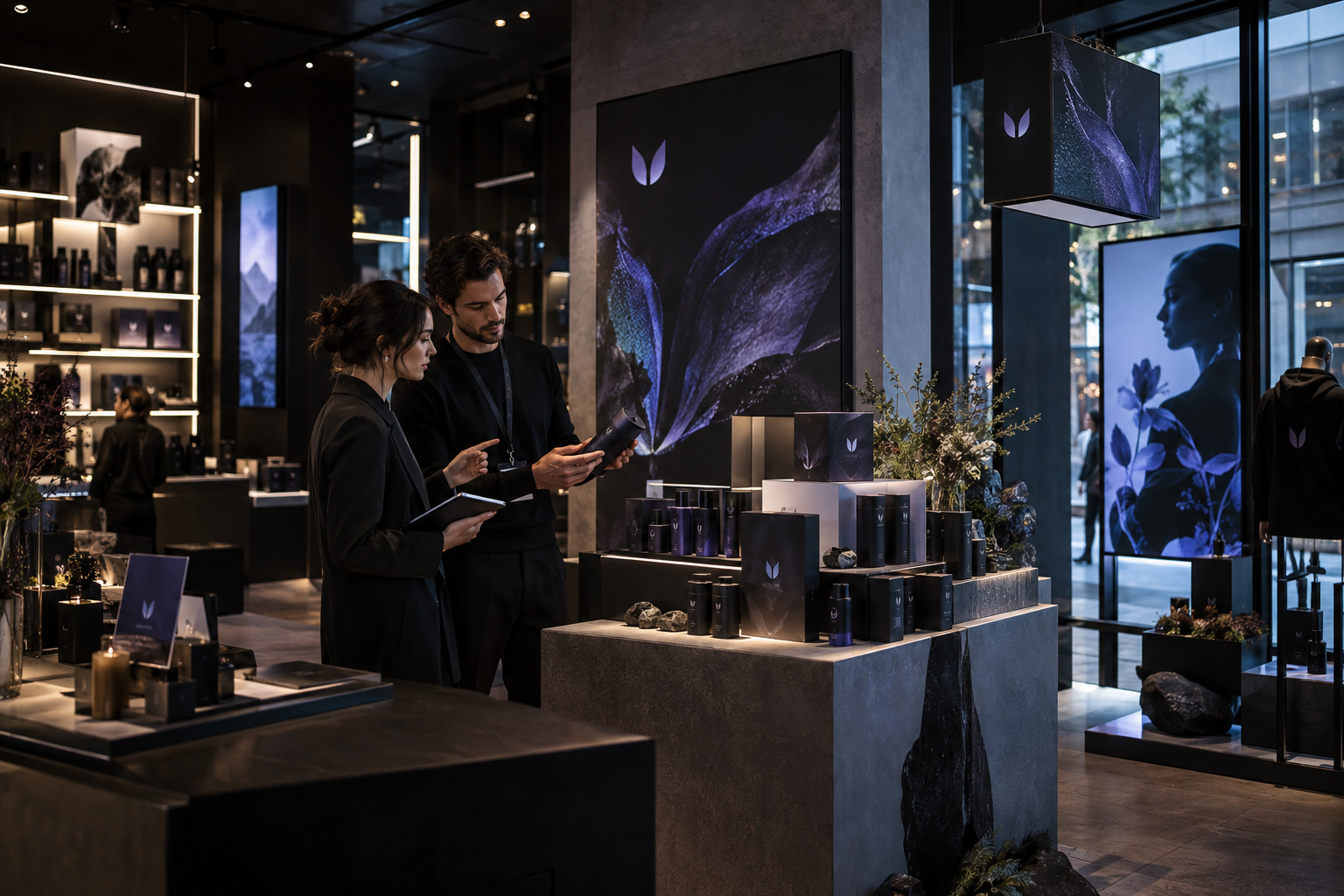
Premium retail brand activation environment showing coordinated product displays, packaging, digital screens, point-of-sale graphics, signage, and branded merchandising within a contemporary store interior.

RETAIL DESIGN · POS SYSTEMS · PHYSICAL BRAND ACTIVATION

A Brand Becomes More Powerful When Its Visual System Can Shape The Space Around The Product.

A visual identity behaves differently the moment it enters a physical environment. What felt controlled on a screen must now compete with distance, movement, architecture, lighting, surrounding products, customer attention, and the practical limitations of the space itself. The brand is no longer being viewed as one composition—it is being encountered through a sequence of signs, surfaces, displays, products, materials, and decisions that have to remain recognizable while the customer moves through them.

That changes the role of Graphic Design completely. Spatial hierarchy, signage, point-of-sale systems, product placement, packaging visibility, campaign graphics, materials, scale, production methods, and customer flow must begin working together rather than appearing as separate branded objects. The strongest retail environments do not simply repeat the identity across more surfaces; they translate its visual logic into a physical system that helps people notice, understand, navigate, compare, and remember what the brand is presenting.

When that translation is resolved properly, the physical environment becomes an active part of brand communication. A launch activation can feel connected to the packaging, a retail display can reinforce campaign language, and multiple locations or temporary installations can remain recognizably part of the same world without becoming visually repetitive. Graphic Design stops decorating the space and begins shaping the experience—turning physical presence into recognition, product clarity, customer confidence, and a stronger memory of the brand after the encounter is over.

WHEN BRAND IDENTITY, SPATIAL HIERARCHY, PRODUCT VISIBILITY, MATERIAL APPLICATION, SIGNAGE, AND CUSTOMER FLOW ARE DEVELOPED AS ONE CONNECTED PHYSICAL SYSTEM,
RETAIL DESIGN STOPS BEING A COLLECTION OF BRANDED SURFACES AND BECOMES A COMPLETE BRAND EXPERIENCE—BUILT TO ATTRACT ATTENTION, GUIDE INTERACTION, STRENGTHEN PRODUCT RECOGNITION, AND MAKE THE BRAND EASIER TO UNDERSTAND, NAVIGATE, AND REMEMBER WHEREVER THE CUSTOMER ENCOUNTERS IT.

SELECTED GRAPHIC DESIGN WORK · REAL PROJECTS · DISTINCT BRAND APPLICATIONS

Selected Graphic Design Projects—Different Brands.
One Standard Of Creative Excellence.

BRAND IDENTITIES, PACKAGING SYSTEMS, EDITORIAL WORLDS, DIGITAL CAMPAIGNS, PRODUCT PRESENTATION, AND RETAIL APPLICATIONS—EACH SHAPED AROUND A DISTINCT COMMUNICATION CHALLENGE AND BRAND REALITY.

A STRONG VISUAL LANGUAGE BEGINS WITH THE BRAND—NOT WITH A PREDEFINED DESIGN FORMULA.

These selected projects demonstrate how Brand Identity, Packaging Design, Editorial Systems, Digital Communication, Illustration, Product Presentation, Campaign Assets, and production-aware thinking take different forms according to the audience, market position, product category, communication objective, and environment in which the work must perform. Each project begins with its own strategic conditions rather than with a repeated visual style.

Some brands require immediate shelf recognition and a packaging system capable of expanding across product families. Others depend on distinctive identity, editorial authority, campaign flexibility, digital consistency, retail presence, or a stronger relationship between imagery, typography, hierarchy, and message. The creative response changes accordingly—allowing every project to develop a visual language that belongs specifically to its purpose, audience, and competitive context.

Across the work, the objective remains consistent: to create Graphic Design that is strategically relevant, visually distinctive, production-aware, adaptable across real applications, and strong enough to retain recognition as the brand expands into new formats, channels, products, and communication environments.

DIFFERENT BRANDS REQUIRE DIFFERENT VISUAL LANGUAGES.
THE STANDARD OF STRATEGY, CREATIVITY, AND PROFESSIONAL EXECUTION REMAINS CONSISTENT.

STRATEGY BEFORE DECORATION · CLARITY BEFORE EXPRESSION

Our Graphic Design Philosophy

“Every Powerful Brand Experience Begins Long Before The Final Design Is Seen.”

At Infinity Design Studio, exceptional Graphic Design is not defined by visual appeal alone. It begins with understanding the brand, audience, market position, communication objective, content, and the environments in which the final design must perform.

We combine Strategic Thinking, Brand Identity, Typography, Packaging Design, Editorial Structure, Campaign Direction, Illustration, And Production Expertise to transform ideas into clear, distinctive, and professionally developed visual systems.

Every logo, typeface, color, layout, image, package, publication, campaign asset, and retail application is developed with purpose—supporting stronger recognition, clearer communication, greater consistency, and long-term confidence across physical and digital brand touchpoints.

DESIGN ATTRACTS ATTENTION.
CLARITY BUILDS RECOGNITION. CONSISTENCY CREATES VALUE.

GRAPHIC DESIGN SERVICES · BRAND STRATEGY · VISUAL SYSTEMS · PRODUCTION

Professional Graphic Design Services Built To Clarify Identity, Strengthen Recognition, And Support Long-Term Brand Growth

From Focused Design Assets To Complete Brand, Packaging, Editorial, Digital, And Retail Systems—Every Project Is Built Around Clear Purpose, Consistent Visual Logic, And Real-World Application.

A professionally developed Graphic Design System does more than make individual materials visually attractive. It connects strategy, identity, content, hierarchy, production, and application within one coherent visual language.

Infinity Design Studio combines Brand Identity, Packaging Design, Editorial And Print Design, Digital Campaign Systems, Illustration, Motion Graphics, Information Design, And Retail Brand Activation within one coordinated creative service.

Depending on the project, the final result may be a focused design asset, a complete identity system, a packaging family, an editorial publication, a digital campaign, a retail activation, or a scalable multi-format communication system developed across physical and digital touchpoints.

THE FORMAT MAY CHANGE. THE PURPOSE, VISUAL LOGIC, AND PROFESSIONAL DESIGN STANDARD MUST REMAIN CONSISTENT.

Purple speech bubble with a white question mark representing helpful information and frequently asked questions.

Everything you need to know before we start working together.

Transparency, professionalism, and world-class results.

How Long Does A Typical Graphic Design Project Take?Most Asked

The timeline depends on the project type, strategic depth, number of deliverables, creative exploration, revision structure, production requirements, and speed of client feedback and approvals.

A focused design assignment may require less time than:

  • a complete Brand Identity System;
  • a multi-SKU packaging family;
  • a long-form editorial publication;
  • a coordinated digital campaign;
  • an illustration-led visual system;
  • a retail or POS activation;
  • a multi-format brand communication program.


The production schedule is confirmed after reviewing the brief, available material, required formats, technical specifications, and intended use.

The timeline begins after the agreement is confirmed, the required project material is supplied, and the engagement is formally activated.

Client-side delays in content, feedback, approvals, technical information, or production decisions may affect the final delivery date.

The exact scope depends on the selected service, project complexity, and written proposal.

Depending on the engagement, our Graphic Design Services may include:

  • project discovery and creative brief development;
  • brand and audience analysis;
  • visual strategy and creative direction;
  • logo and identity development;
  • typography and color systems;
  • packaging and label design;
  • editorial and print design;
  • digital campaign and social assets;
  • illustration and image development;
  • motion graphics and animated design;
  • information design and infographics;
  • retail, POS, and brand activation materials;
  • production-ready artwork preparation;
  • structured review rounds;
  • final file organization and multi-format delivery.


Every project is developed around clearly defined deliverables, approved applications, production requirements, and communication goals.

Yes.

Infinity Design Studio can develop a complete Brand Identity System from the initial strategic foundation through final visual applications.

Depending on the approved scope, this may include:

  • brand positioning and audience definition;
  • naming or verbal direction where agreed;
  • logo design and supporting marks;
  • typography and color systems;
  • visual language and graphic elements;
  • imagery and art direction;
  • packaging or product-family applications;
  • stationery and corporate materials;
  • digital and social design systems;
  • presentation and editorial templates;
  • brand guidelines and usage standards.

The goal is not to produce a logo in isolation, but to create a coherent visual foundation capable of supporting recognition, consistency, and future brand development.

Every engagement follows a structured process adapted to the project’s scope and complexity.

A typical Graphic Design Development Process may include:

  • initial consultation and project-fit assessment;
  • creative brief and material intake;
  • brand, audience, and communication review;
  • strategic positioning and visual direction;
  • concept development;
  • presentation of selected creative routes;
  • structured client feedback;
  • refinement of the approved direction;
  • development across required applications;
  • production-ready artwork preparation;
  • final quality assurance and delivery.


The client provides consolidated feedback through the agreed communication channel, while Infinity Design Studio manages the creative direction, visual consistency, and production logic across the complete engagement.

Yes.

Infinity Design Studio works remotely with brands, agencies, companies, institutions, manufacturers, and creative teams across different markets and industries.

International projects can be managed through:

  • online consultations and presentations;
  • structured digital file exchange;
  • private review environments;
  • consolidated feedback procedures;
  • multilingual-ready design systems;
  • regional packaging or campaign adaptations;
  • coordinated production files for international suppliers;
  • clear milestone approvals and delivery schedules.


Each engagement is adapted to the client’s time zone, internal approval structure, target audience, market context, and required communication formats.

Localization, translation, regional legal review, and market-specific production requirements are defined separately when needed.

Every project is developed and reviewed according to the approved scope, confirmed creative direction, technical requirements, and professional production standards.

Our quality-control process may cover:

  • strategic alignment with the project objective;
  • visual hierarchy and communication clarity;
  • logo, typography, and color consistency;
  • packaging and artwork accuracy;
  • layout, spacing, and image quality;
  • cross-format brand consistency;
  • print and digital production readiness;
  • resolution, color profiles, bleeds, and export settings;
  • final file organization and delivery checks.


Structured review rounds allow the client to refine the approved direction at defined milestones.

We guarantee professional execution within the agreed scope. We do not guarantee specific commercial outcomes such as sales growth, engagement, conversion, or market performance, because these depend on factors beyond the design process.

The required material depends on the type and stage of the project.

Clients may need to provide:

  • a project brief or business objective;
  • existing logos and brand guidelines;
  • approved copy and product information;
  • packaging dielines and technical specifications;
  • images, photography, illustrations, or source assets;
  • product dimensions and production requirements;
  • reference materials and competitor examples;
  • required formats, platforms, and final applications;
  • legal, regulatory, or mandatory content;
  • one responsible contact for approvals and consolidated feedback.


Infinity Design Studio reviews the supplied material, identifies missing information, and recommends the most appropriate creative and production approach before detailed design begins.

Incomplete or incorrect content may affect accuracy, timeline, and final production readiness.

Yes.

An existing brand can be refined, modernized, expanded, or reorganized without necessarily replacing its complete visual identity.

A Brand Refresh may include:

  • refinement of the existing logo;
  • updated typography and color systems;
  • improved visual hierarchy;
  • clearer brand guidelines;
  • modernized packaging or editorial layouts;
  • redesigned digital and campaign assets;
  • stronger consistency across touchpoints;
  • development of missing identity components;
  • adaptation for new products, audiences, or markets.


The process begins with an audit of the current identity to determine what should be preserved, improved, expanded, or replaced.

The objective is to protect existing recognition while improving clarity, relevance, consistency, and future usability.

Yes.

A well-developed Graphic Design System can be extended across physical and digital applications while preserving the same identity, hierarchy, and communication purpose.

Depending on the scope, adaptations may include:

  • packaging families and product variants;
  • brochures, catalogs, and publications;
  • social media and digital campaigns;
  • web banners and e-commerce assets;
  • presentations and sales materials;
  • advertising and large-format graphics;
  • retail and POS applications;
  • exhibitions and environmental graphics;
  • motion assets and animated content;
  • regional and multilingual versions.


Each format is adapted to its technical requirements and user context rather than simply resized.

Additional formats, versions, languages, and applications beyond the approved scope are quoted separately.

Yes.

Production-ready artwork can be prepared when packaging, print, editorial, retail, or large-format delivery is included in the approved scope.

This may include:

  • artwork positioned on approved dielines;
  • bleeds, trim, and safe areas;
  • color-profile preparation;
  • spot-color and finish specifications;
  • image resolution and linked-asset checks;
  • print-ready PDF exports;
  • packaging-family consistency;
  • version and language organization;
  • supplier-ready file structures;
  • final pre-production review.


The client or appointed supplier remains responsible for physical proofs, material testing, manufacturing tolerances, print calibration, legal compliance, and final production approval.

Changes to dielines, specifications, materials, copy, or legal information after final artwork preparation may require additional work.

Yes.

Every project includes a defined number of structured revision rounds according to the selected package or written proposal.

Included revisions are intended to refine the approved creative direction and may cover:

  • typography;
  • color;
  • composition;
  • hierarchy;
  • imagery;
  • approved packaging or layout details;
  • copy placement;
  • visual consistency;
  • final artwork preparation.


Revisions do not include unlimited redesign, repeated reversal of approved decisions, new concepts, additional products, new formats, expanded campaigns, or major changes to the approved strategy.

Requests that materially alter the confirmed engagement are treated as a formal Change Of Scope and may require revised pricing, timeline, resources, and milestone approval.

Final deliverables and usage rights are defined within the written proposal and Service Agreement.

Depending on the approved scope, delivery may include:

  • print-ready artwork;
  • digital assets;
  • logo files;
  • approved templates;
  • packaging artwork;
  • presentation files;
  • final image exports;
  • brand guidelines;
  • selected editable production files.


Working files, exploratory concepts, unused directions, licensed fonts, premium stock, third-party assets, plugins, and non-transferable production resources are not automatically included.

Editable-source delivery may require file preparation, licensing review, asset replacement, organization, and an additional fee where applicable.

After full payment, the client receives the deliverables and usage rights specified in the agreement.

Yes.

Confidential and NDA-compatible workflows are available for unreleased brands, product launches, packaging systems, campaigns, tenders, institutional projects, and commercially sensitive material.

Confidentiality measures may include:

  • a signed Non-Disclosure Agreement;
  • private presentations and review links;
  • restricted file access;
  • controlled stakeholder participation;
  • limited draft distribution;
  • secure communication channels;
  • controlled publication timing;
  • written approval before portfolio use.


The client must identify confidential, proprietary, regulated, or unreleased material before it enters the project.

Infinity Design Studio does not publicly present confidential work without the required authorization.

Yes.

Where physical reference materially improves the work, clients may send existing packaging, products, prototypes, printed materials, labels, material samples, competitor references, structural packaging components, or approved production samples to our studio or another agreed production location in Serbia.

Physical access can be particularly valuable when the project depends on material character, finish, proportion, print behavior, structural packaging, product scale, color relationships, labeling, presentation quality, or the interaction between a designed system and the real object it must ultimately represent. Digital files remain essential, but certain decisions are more accurately evaluated when the physical product or packaging can also be reviewed directly.

If the project later expands into professional photography, video production, e-commerce visuals, campaign imagery, product demonstrations, packaging presentation, or Editorial Case Study development, the same approved physical materials may also become part of a wider production system rather than requiring the client to restart the project through a separate creative direction.

Before shipment, the product type, quantity, declared value, origin, dimensions, intended use, and return requirements should be confirmed. International shipping, customs, duties, taxes, and regulated goods remain subject to the relevant carrier and customs procedures.

Yes—when those disciplines genuinely support the next stage of the project.

A Graphic Design engagement does not need to end when the identity, packaging, or core visual system is approved. Where the project requires market-facing communication, the same strategic and visual foundation can continue into product photography, commercial video, Amazon and e-commerce assets, campaign imagery, social and digital communication, presentation systems, Editorial Case Studies, or other approved applications.

This continuity is valuable because the visual language, positioning, hierarchy, product character, typography, packaging logic, and approved creative decisions do not need to be reinterpreted from zero by unrelated suppliers. The specialist method changes, but the core project intelligence remains connected.

Additional disciplines are never introduced automatically. Their scope, production requirements, timing, responsibilities, and investment are defined separately according to what the next stage actually requires.

GOOD GRAPHIC DESIGN REQUIRES MORE THAN A STRONG VISUAL IDEA.
IT REQUIRES CLEAR STRATEGY, DEFINED RESPONSIBILITIES, CONSISTENT BRAND LOGIC, PRODUCTION AWARENESS, AND A PROFESSIONAL PROCESS CAPABLE OF PROTECTING THE WORK ACROSS EVERY FORMAT, TOUCHPOINT, AND STAGE OF DELIVERY.

Graphic designer developing industry-specific technical communication with engineering diagrams, architectural layouts, material studies, technical illustrations, presentation boards, and printed documentation.

TECHNICAL COMMUNICATION · INFORMATION DESIGN · INDUSTRY-SPECIFIC SYSTEMS

Complex Information Becomes More Valuable When It Is Structured To Be Understood, Compared, And Used.

In technical, industrial, architectural, engineering, B2B, and information-heavy environments, the difficulty is rarely a lack of content. The real problem is that essential information often arrives fragmented across specifications, diagrams, datasets, documentation, drawings, annotations, presentations, and specialist terminology. Graphic Design becomes valuable when it can turn that density into a system people can actually read, navigate, compare, and trust.

That requires a different kind of discipline from expressive brand communication. Information hierarchy, typographic control, diagram logic, visual coding, spacing, sequence, scale, labeling, and document architecture must work together without introducing ambiguity or unnecessary decoration. The objective is not to simplify the subject until it loses meaning—it is to organise complexity so that the right information becomes visible at the moment it is needed.

When that structure is resolved properly, technical communication becomes more than documentation. It can support engineering reviews, investor presentations, sales materials, construction packages, product systems, operational manuals, procurement, internal alignment, and decision-making across multiple stakeholders. The design stops merely presenting information and begins to reduce friction around it—making complex work easier to evaluate, easier to explain, and easier to act upon with confidence.

WHEN DATA, DIAGRAMS, SPECIFICATIONS, DOCUMENTATION, AND VISUAL HIERARCHY ARE DESIGNED AS ONE CLEAR INFORMATION SYSTEM,
TECHNICAL GRAPHIC DESIGN STOPS BEING A FORMATTING EXERCISE AND BECOMES A COMMUNICATION INFRASTRUCTURE—BUILT TO MAKE COMPLEX INFORMATION EASIER TO UNDERSTAND, COMPARE, PRESENT, AND USE WITHOUT SACRIFICING THE PRECISION, CREDIBILITY, OR PROFESSIONAL DEPTH THE SUBJECT REQUIRES.

Contact Us Today!

Ready to transform your ideas, products, and communication into a clear, distinctive, and commercially effective visual identity? Contact NF Creative Studio to discuss the right Graphic Design Service for your project—from focused brand identity and packaging design to complete campaign, print, digital, and multi-format visual communication systems for clients worldwide.

LET’S BUILD THE VISUAL IDENTITY YOUR BRAND DESERVES.

THE TEAM BEHIND EVERY PROJECT
Led By The Founder & Creative Director

ONE MULTIDISCIPLINARY STUDIO.
ONE CONSISTENT STANDARD.

BUILT THROUGH STRATEGIC CLARITY, CREATIVE DIRECTION, VISUAL SYSTEMS, AND PRODUCTION PRECISION.

A powerful Graphic Design project requires more than visual appeal. It brings together brand strategy, audience understanding, identity development, typography, color, layout hierarchy, packaging logic, image direction, production awareness, and precise visual communication within one coordinated creative process.

Every engagement is personally directed to ensure that the central idea remains clear, the brand message is translated with authority, and every visual element contributes to one distinctive, coherent, and professionally resolved design system.

One Vision. Strategically Defined. Distinctively Designed. Built To Endure.

Every project is guided through a coordinated combination of strategic thinking, creative direction, specialist expertise, and precise execution. Rather than separating ideas from delivery, our multidisciplinary structure keeps every decision connected—from the first conversation and central concept to the final professional outcome.

Across design, digital products, visual communication, architecture, photography, film, and editorial development, the discipline may change—but the responsibility remains the same: to understand the challenge, protect the integrity of the idea, and deliver work that is clear, considered, and built to create lasting value.

Different Expertise. Shared Direction. One Standard Of Excellence.

The Team Behind the Project:


Every Infinity Design Studio project is personally led and directed by Filip Narančić – Founder & Creative Director.

With a unique blend of creativity, strategy, and precision, Filip ensures that each project delivers premium quality, timeless design, and measurable impact.

Infinity Design Studio operates with a boutique approach, where every detail is carefully crafted, and each solution is tailored to the client’s vision and market demands.

By combining multidisciplinary expertise with hands-on leadership, the studio transforms every project into a distinctive brand experience.

Graphic designer reviewing a connected brand application system across editorial design, packaging, digital interfaces, printed materials, merchandise, signage, and environmental graphics.

CONNECTED BRAND SYSTEMS · MULTI-TOUCHPOINT APPLICATION · VISUAL CONTINUITY

A Strong Brand System Proves Itself When Recognition Survives Every Change Of Format, Scale, And Context.

A brand rarely exists in one controlled environment. The same identity may need to live across packaging, editorial publications, websites, mobile interfaces, presentations, retail materials, branded objects, campaign assets, and physical spaces—often at the same time and under completely different production conditions. The challenge is not to make every application look identical, but to make every application feel unmistakably connected.

That connection is built through underlying rules rather than repetition. Typography, colour, image direction, hierarchy, spacing, graphic behaviour, tone, and material logic must remain recognizable even when the format, scale, audience, or purpose changes. The strongest brand systems are flexible enough to adapt without losing their centre—allowing each touchpoint to respond to its own function while still carrying the same visual intelligence.

When that continuity is established from the beginning, the brand becomes easier to expand without becoming fragmented. New platforms, products, publications, campaigns, and environments can enter the system without forcing the identity to be reinvented each time. Individual assets stop competing for attention and begin working as one coordinated brand language—creating stronger recognition, greater adaptability, and a visual foundation capable of carrying long-term growth with clarity and control.

WHEN PACKAGING, DIGITAL INTERFACES, PUBLICATIONS, CAMPAIGNS, PRESENTATIONS, AND PHYSICAL TOUCHPOINTS ARE BUILT FROM THE SAME VISUAL LOGIC,
BRAND CONSISTENCY STOPS MEANING REPETITION AND BECOMES A SYSTEM OF RECOGNITION—BUILT TO KEEP IDENTITY, HIERARCHY, TONE, AND VISUAL CHARACTER CONNECTED WHILE THE BRAND CONTINUES TO EXPAND ACROSS NEW FORMATS, NEW AUDIENCES, AND NEW ENVIRONMENTS.

COMPLETE GRAPHIC DESIGN DEVELOPMENT

Professional Graphic Design Services

FROM BRAND STRATEGY, VISUAL IDENTITY, AND PACKAGING TO CAMPAIGNS, DIGITAL ASSETS, AND PRODUCTION-READY DESIGN SYSTEMS.

Infinity Design Studio develops professional Graphic Design Services for brands, products, packaging systems, campaigns, retail communication, digital platforms, and presentation environments that require clarity, consistency, and strong visual impact.

Every engagement is shaped around the project’s real objective—whether that means building a new Brand Identity, refining an existing visual system, developing Packaging Design, or creating coordinated communication assets across print, digital, retail, and launch materials.

Rather than creating isolated graphics, we develop connected visual systems that combine strategy, typography, color, layout, hierarchy, and production logic—helping brands communicate more clearly, appear more credible, and remain recognizable across every relevant touchpoint.

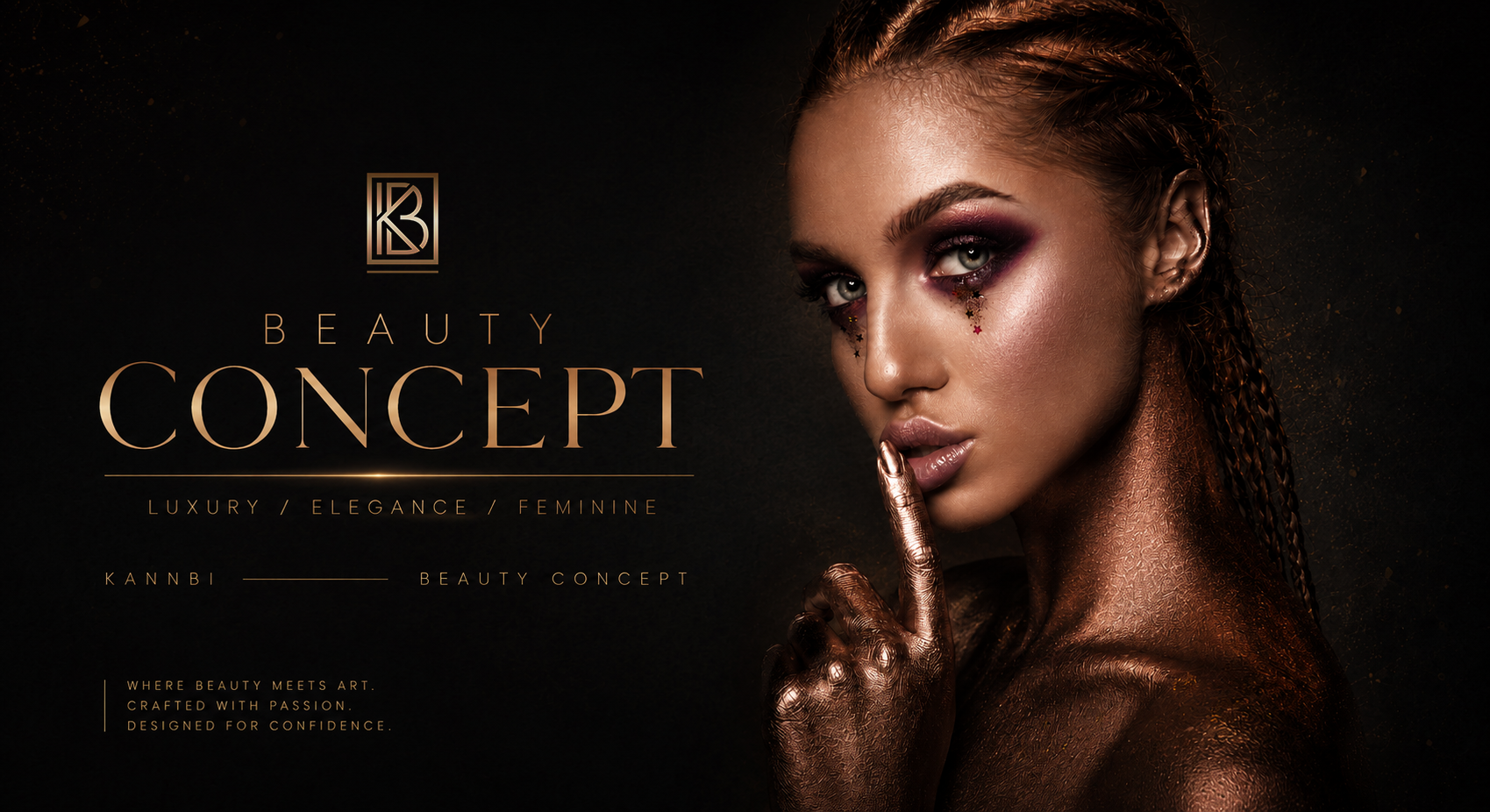
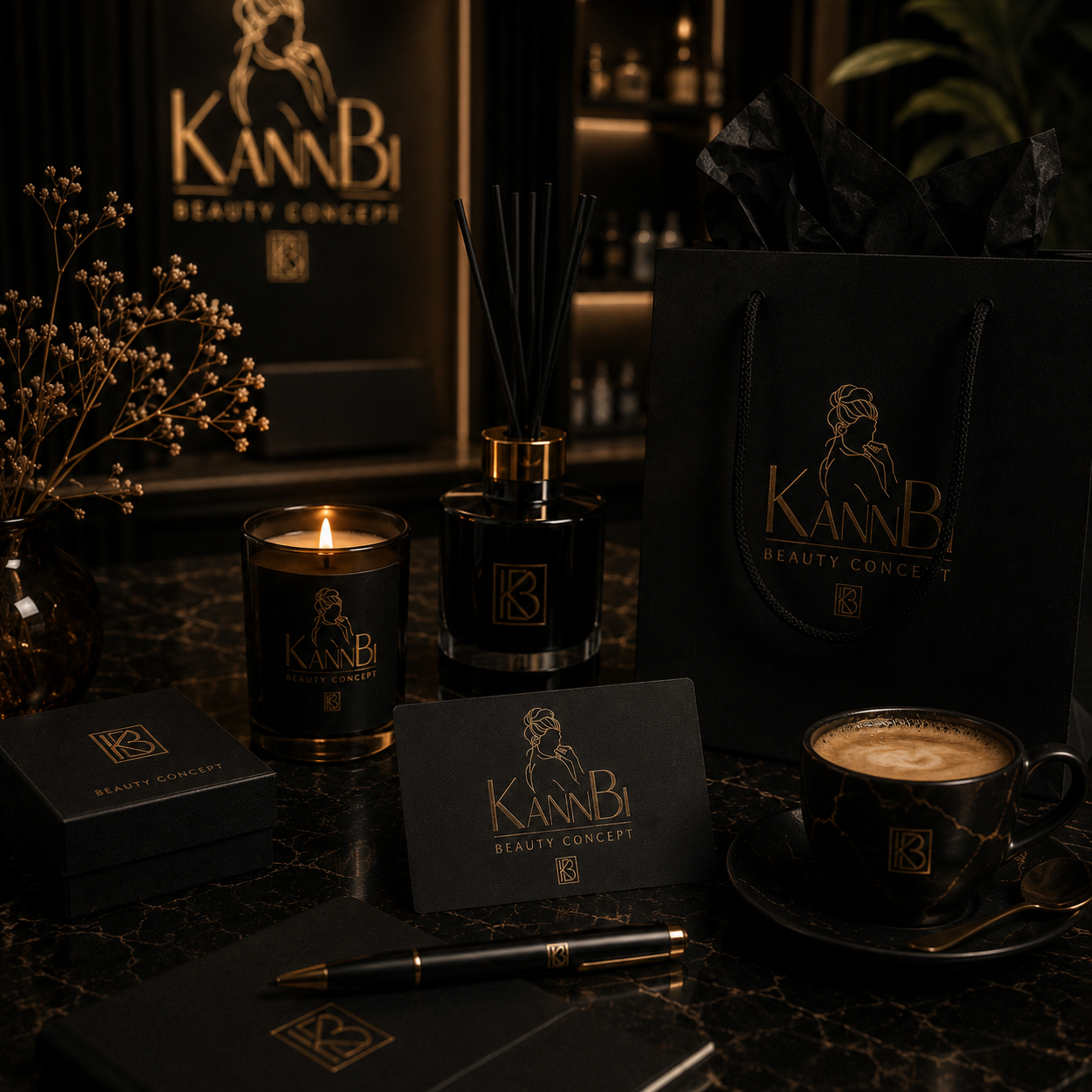
KannBi Beauty Concept brand identity presented across packaging, shopping bag, business card, candle, diffuser, stationery, and branded lifestyle objects in a premium black and gold visual system.

“Our Graphic Design Solutions Are Tailored To The Specific Needs, Audience, And Commercial Purpose Of Every Brand.”

OUR CORE DESIGN SOLUTIONS

Experience That Speaks For Our Quality.

We collaborate with clients across various industries, including:

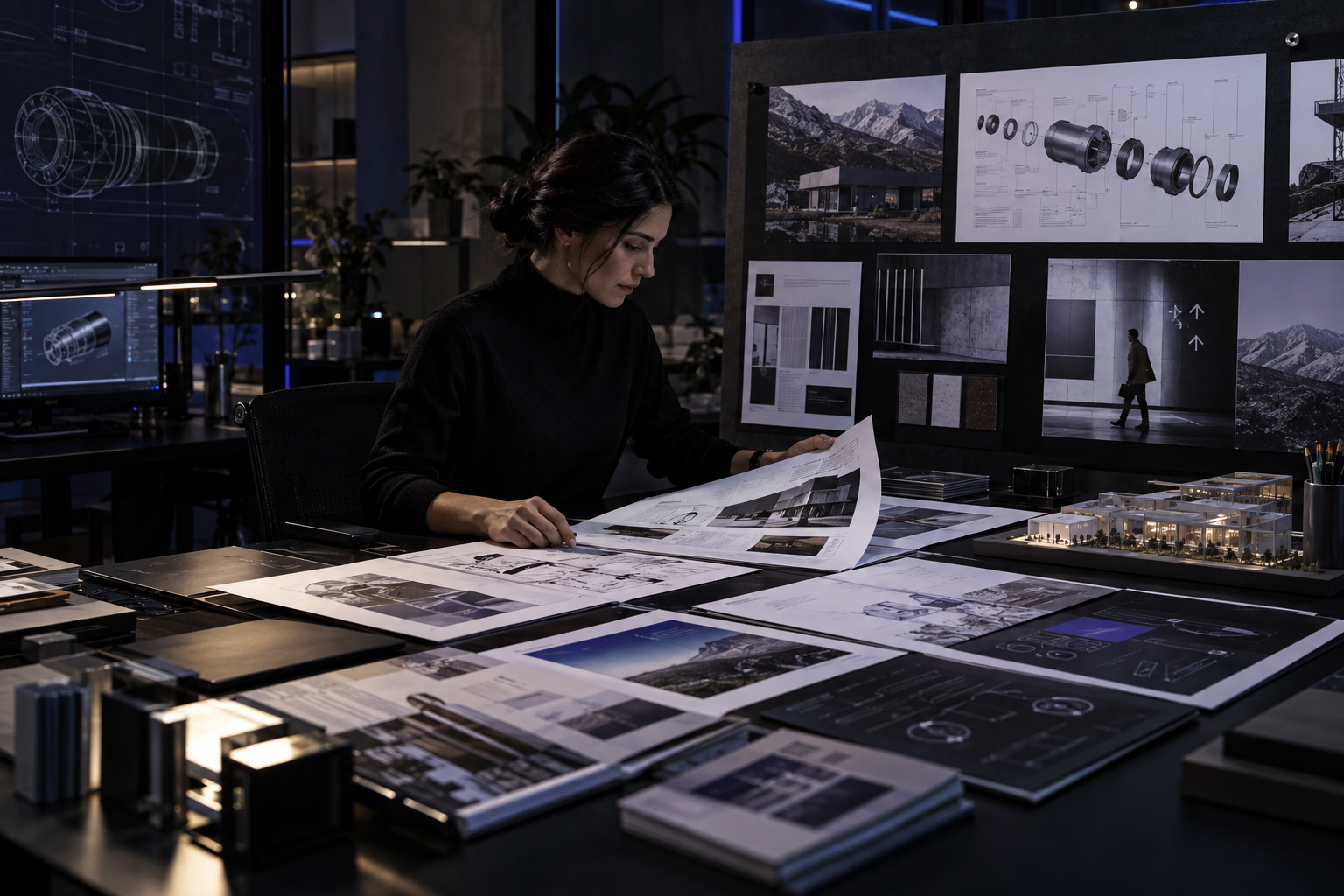
Graphic designer developing a premium brand identity system with logo design, typography, color palette, packaging applications, printed concepts, material samples, and digital brand presentation.

OUR CLIENTS & INDUSTRY APPLICATIONS

Our Graphic Design Services support brands and businesses across multiple sectors, including:

ADDITIONAL PROFESSIONAL SERVICES

Depending on the approved scope, graphic design development may also include:

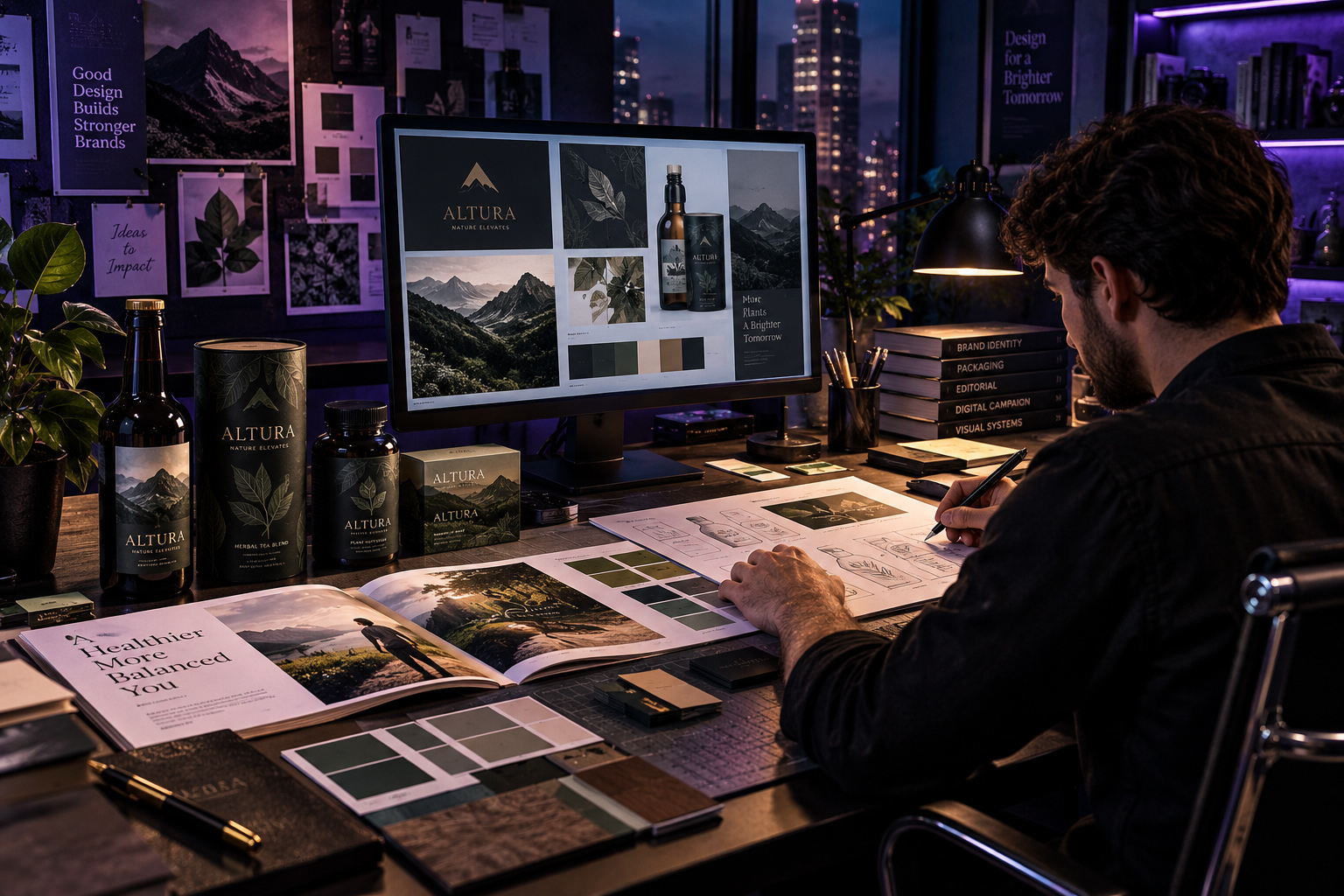
Graphic designer developing the Altura brand identity through logo design, packaging concepts, color palettes, editorial applications, printed materials, and digital brand presentation in a professional studio.

OUR DELIVERY STANDARD

Every project receives a level of development appropriate to its real objective, required formats, production context, and communication purpose.

We Do Not Create Isolated Graphics.
We Build Connected Visual Systems That Help Brands Communicate Clearly, Launch Confidently, And Remain Recognizable Over Time.

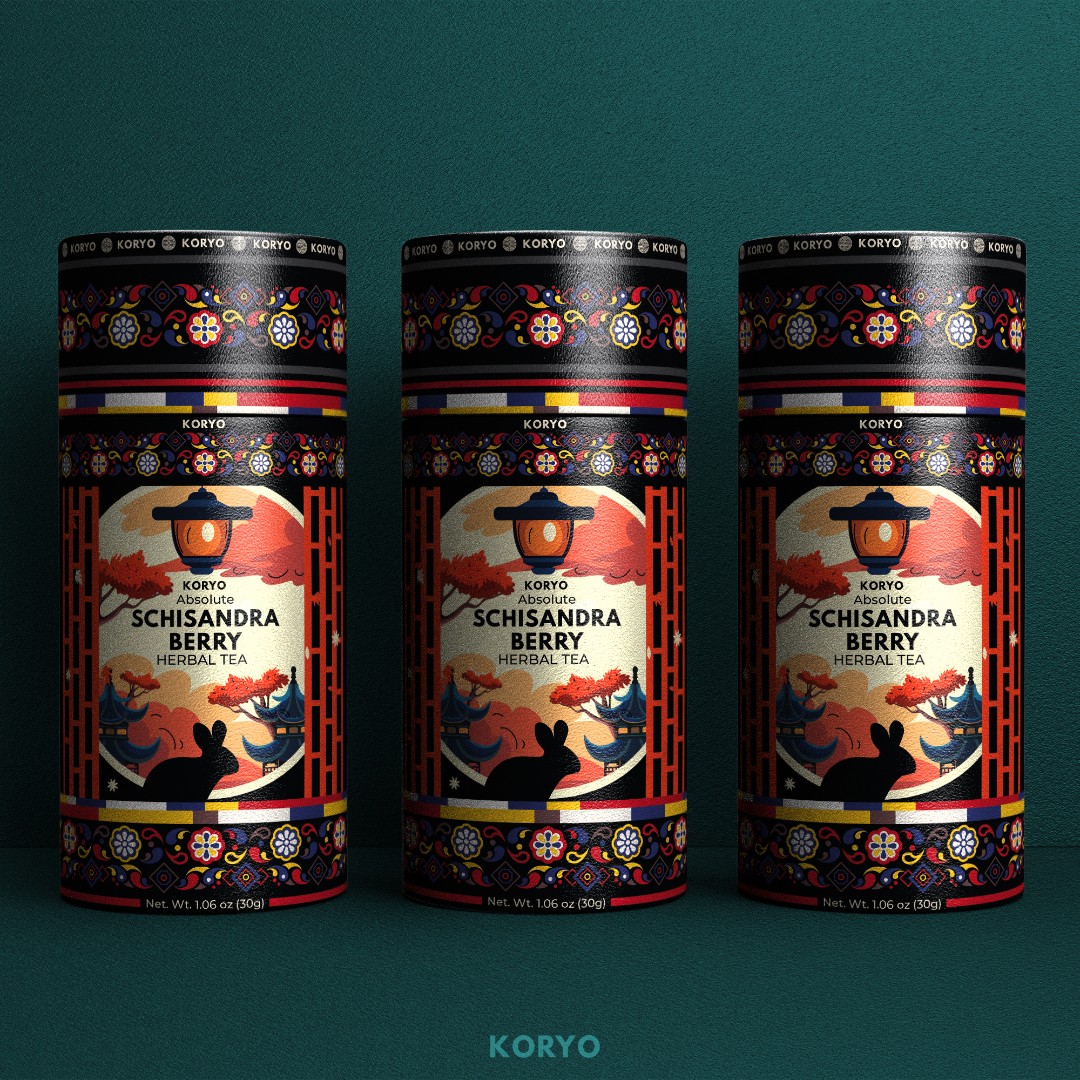
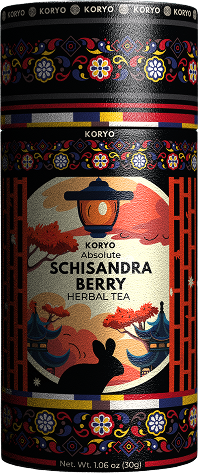
KORYO Absolute Schisandra Berry Herbal Tea canister with richly illustrated Korean-inspired packaging artwork.
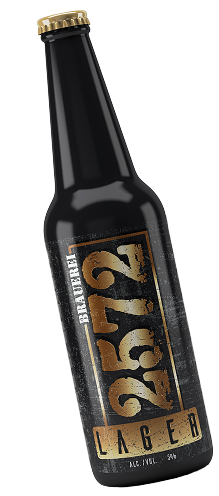
Black Brauerei 2572 Lager beer bottle with a vertical metallic gold label design.
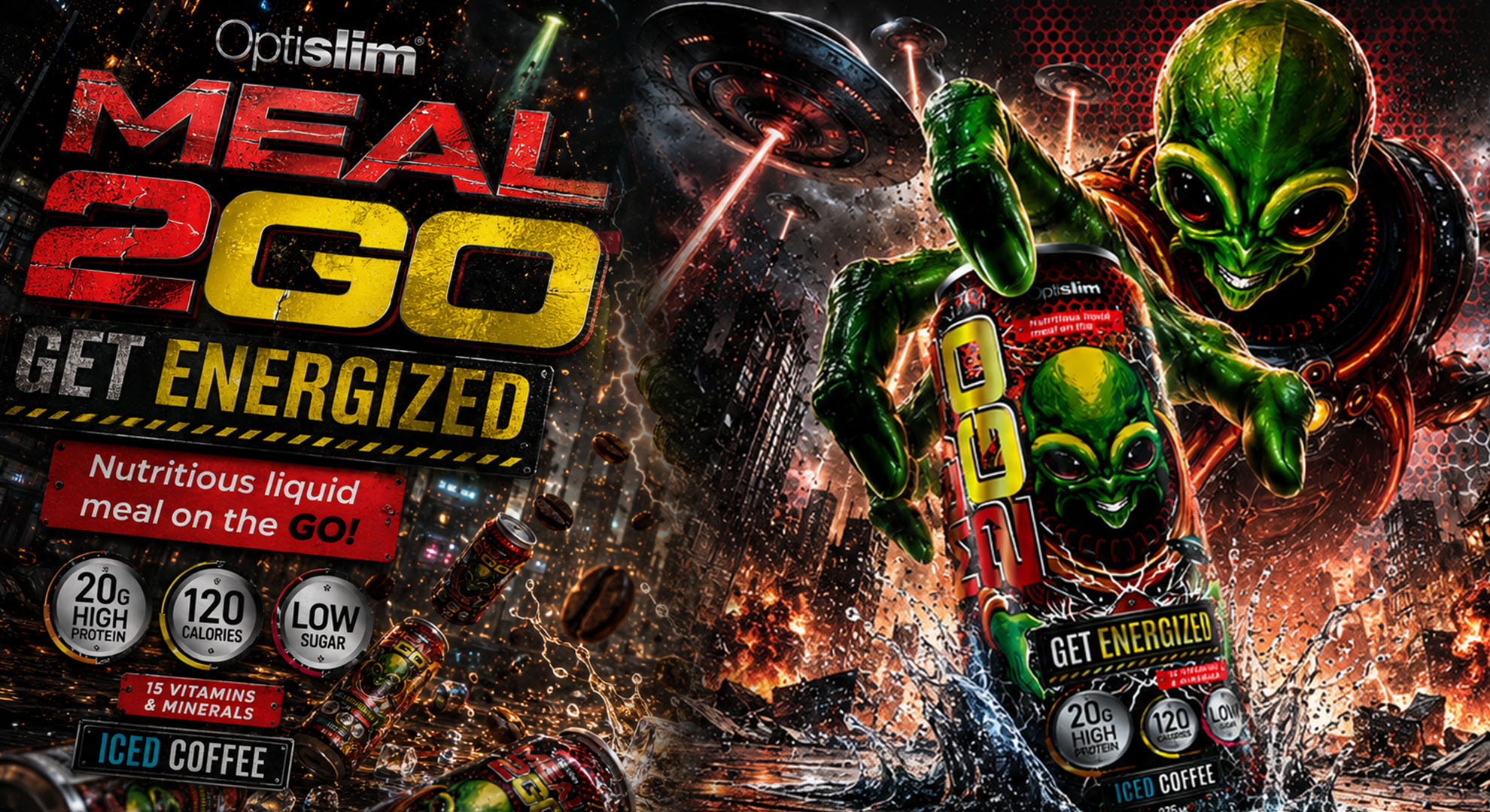
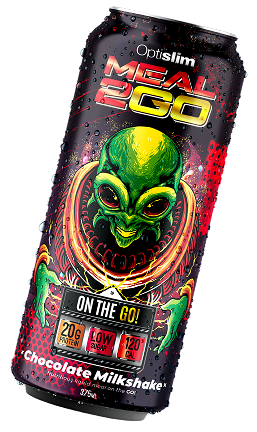
Optislim Meal 2 Go chocolate milkshake can featuring a vivid alien illustration and energetic packaging graphics.

FROM INITIAL BRIEF TO FINAL VISUAL DELIVERY

Graphic design service icon combining a pen nib with a creative light bulb.

Our Graphic Design Development Process

Every Stage Is Structured To Protect Brand Clarity, Creative Consistency, Production Accuracy, And Professional Delivery From Strategy To Final Artwork.

Our Graphic Design Development Process is structured to connect creative ambition, strategic intent, technical precision, and commercial purpose within one controlled workflow. The objective is not simply to move a project from brief to final artwork, but to ensure that every stage contributes to a clearer, stronger, and more usable visual system—one that can be reviewed, refined, approved, produced, and extended with confidence.

The process begins by defining what the design must communicate, who it must reach, where it must perform, and which practical requirements will influence the final outcome. From there, creative direction, visual development, content hierarchy, application logic, production requirements, and delivery standards are coordinated so that individual decisions do not develop in isolation or create unnecessary inconsistency later in the project.

The exact structure changes according to the approved scope, project complexity, number of deliverables, required formats, production conditions, application environments, and level of ongoing support. A focused identity assignment may require a compact development path, while a broader branding, packaging, campaign, editorial, or multi-format system may involve deeper exploration, testing, adaptation, and production control across several stages.

At every level, the purpose remains the same: to keep the work clear, reviewable, strategically grounded, technically controlled, and professionally documented from the first conversation to final delivery. This creates a process where creative exploration has room to develop, while decisions remain connected to the real objectives, responsibilities, constraints, and long-term use of the design.

Consultation & Project Fit

We begin by reviewing the project objective, audience, brand context, required deliverables, timeline, and intended application. This stage helps define whether the engagement focuses on Brand Identity, Packaging Design, Marketing Materials, Digital Assets, Campaign Communication, or a broader connected design system.

Proposal, Agreement & 50% Advance Payment

A written proposal defines the approved scope, deliverables, revision structure, production requirements, timing, and commercial terms. The project is activated after confirmation and the initial 50% advance payment, which secures the production slot and allows structured development to begin.

Brand, Market & Communication Discovery

Relevant information, references, existing materials, product details, positioning cues, packaging requirements, audience expectations, and communication goals are reviewed before visual direction is finalized. This stage ensures that design decisions are based on real context rather than assumption.

Donut chart icon representing analytics, performance metrics, data insights, and reporting.

Strategy, Visual Direction & Creative Framework

We define the appropriate visual direction for the project, including tone, hierarchy, stylistic references, competitive positioning, and overall communication approach. For larger engagements, this stage may include moodboards, visual benchmarks, and direction-setting references that guide the development process.

Concept Development & Initial Design Presentation

Initial concepts are developed according to the approved direction. Depending on the service, this may include logo directions, identity routes, packaging design concepts, layout systems, campaign visuals, digital assets, or broader design exploration presented for structured client review.

Design Development & System Building

Once a direction is selected, the work moves into deeper refinement and controlled expansion. This may include typography systems, color logic, packaging variants, layout consistency, asset hierarchy, supporting applications, and the development of a coherent visual system across all approved deliverables.

Review, Feedback & Structured Revisions

The project is refined through organized feedback rounds within the agreed scope. Adjustments are reviewed in relation to visual clarity, brand consistency, production logic, communication effectiveness, and the approved strategic direction.

Portfolio icon representing professional work, projects, case studies, and creative experience.

Production Artwork & Multi-Format Adaptation

Approved visuals are prepared for their final applications. Depending on the project, this may include print-ready files, packaging artwork, social media assets, digital formats, presentation materials, retail graphics, advertising placements, or other production-ready outputs developed for real use.

Final Approval, 50% Balance Payment & Delivery

After final approval, the remaining 50% balance payment is completed before the release of final files, unless otherwise defined in writing. Final deliverables are then organized and supplied in the approved formats for print, digital use, publication, campaign deployment, or internal implementation.

Optional Rollout, Launch Support & Ongoing Design Development

For brands requiring continued support, approved systems can be extended into additional campaigns, future packaging variants, launch materials, communication updates, and long-term design development. This allows the project to evolve without losing consistency, clarity, or professional control.

What Makes The Design Process Work

A strong Graphic Design process depends on more than creative skill. The quality of the final result is shaped by a clear brief, defined objectives, accurate content, available decision-makers, and disciplined review. When the audience, business purpose, required applications, and priority messages are understood from the start, design decisions can respond to real communication needs rather than personal preference alone.

Consolidated feedback from relevant stakeholders, delivered through one responsible contact, helps protect the approved direction, reduce conflicting instructions, and allow revisions to strengthen the work instead of repeatedly reopening resolved decisions.

Content readiness and timely approvals directly affect design quality. Final copy, product information, dimensions, legal text, photography, brand assets, and technical specifications should be supplied at the appropriate stage. Late material or changes to approved strategy, structure, concepts, or artwork can affect layouts, production files, connected deliverables, and schedules.

The strongest outcomes emerge when strategic direction, creative expertise, client knowledge, accurate information, and timely decision-making work together. This shared discipline protects visual consistency, production accuracy, timelines, and the integrity of the complete design system while allowing the final work to remain clear, coherent, production-ready, and capable of supporting the brand beyond the immediate project.

Chardonnay boxed wine packaging with illustrated cyclist landscape, sage green color palette, integrated handle, and dispensing tap.

From First Concept To Final Delivery, Every Element Is Developed To Strengthen Brand Recognition And Communication Value.

Graphic designer inspecting production-ready packaging artwork with a magnifier while reviewing print proofs, dielines, color swatches, material samples, and prepress files in a professional design studio.

PREPRESS · PRODUCTION QA · FINAL ARTWORK CONTROL

A Design Is Not Finished Until Its Quality Can Survive Production.

A design can look perfect on screen and still fail the moment it enters production. Colour profiles can shift, bleed can be missing, dielines can conflict with artwork, typography can move outside safe areas, finishes can behave differently on real materials, and technical inconsistencies can remain invisible until they become expensive to correct. Creative approval confirms the idea; production readiness proves that the idea can actually survive the process required to make it real.

That is why final artwork control demands a different level of attention. Colour values, overprint behaviour, trapping, trim and bleed, resolution, file structure, print specifications, material limitations, production tolerances, and supplier requirements all have to be checked against the intended result. The objective is not simply to deliver a clean file—it is to protect every visual decision from being weakened, misinterpreted, or technically compromised between design approval and final manufacture.

When that control is built into the workflow, the design becomes more dependable for printers, fabricators, manufacturers, suppliers, internal teams, and future adaptations. Files are easier to reproduce, production errors are reduced, revisions become safer, and the visual system maintains its consistency across different outputs and materials. Final artwork stops being a technical afterthought and becomes the last professional safeguard between creative intent and the physical result the audience will actually see.

WHEN COLOR, FILE STRUCTURE, BLEED, TRIM, MATERIAL LIMITATIONS, PRINT SPECIFICATIONS, AND PRODUCTION TOLERANCES ARE VERIFIED WITH THE SAME CARE AS THE DESIGN ITSELF,
PREPRESS STOPS BEING A FINAL CHECKLIST AND BECOMES A QUALITY-CONTROL SYSTEM—BUILT TO PROTECT DESIGN INTENT, REDUCE AVOIDABLE PRODUCTION ERRORS, AND ENSURE THAT THE VISUAL STANDARD APPROVED ON SCREEN REMAINS INTACT WHEN THE WORK IS FINALLY PRINTED, FABRICATED, PACKAGED, OR PRODUCED.

FROM VISUAL DIRECTION TO LASTING BRAND MEMORY

WHEN DESIGN BECOMES THE LANGUAGE PEOPLE RECOGNIZE BEFORE THEY READ A WORD

THE STRONGEST GRAPHIC DESIGN DOES MORE THAN ORGANIZE WHAT A BRAND SAYS. IT SHAPES HOW THE BRAND IS SEEN, FELT, REMEMBERED, AND RECOGNIZED OVER TIME.

A brand is rarely remembered through one logo, one package, one campaign, or one publication. Brand Recognition is built gradually—through repeated visual signals that remain clear enough to be understood, distinctive enough to be noticed, and consistent enough to become familiar.

Professional Graphic Design gives those signals structure and purpose. Typography establishes tone. Color creates association. Composition guides attention. Packaging Design shapes expectation. Editorial Design builds authority. Digital and campaign assets carry the same identity into new environments. Together, these elements create a coherent Visual Communication System that audiences begin to recognize before they consciously analyze it.

This is where design moves beyond isolated execution. A well-developed Brand Identity System allows different messages, products, formats, and customer touchpoints to feel connected without becoming repetitive. It gives the brand room to evolve while protecting the visual characteristics that make it recognizable, credible, and distinct.

For businesses, this creates practical and long-term value. Internal teams communicate with greater consistency. New materials can be developed from a clearer foundation. Product families feel related. Campaigns gain continuity. Packaging, digital assets, publications, and retail communication begin to reinforce one another instead of competing for attention.

For audiences, the experience becomes simpler and stronger. The brand becomes easier to identify, easier to understand, and easier to trust because its Visual Identity remains deliberate across every relevant encounter.

The lasting value of Graphic Design Services therefore lives not only in what is produced, but in what becomes established: a recognizable brand presence, a coherent way of communicating, and a visual memory capable of supporting Brand Consistency, Audience Trust, And Long-Term Brand Value far beyond the first impression.

THE PROJECT MAY END WITH FINAL ARTWORK. THE BRAND LANGUAGE IT ESTABLISHES CAN CONTINUE TO BUILD RECOGNITION, CONNECTION, AND VALUE LONG AFTER DELIVERY.

Final connected visual system showing coordinated packaging, editorial design, digital interface, campaign imagery, printed materials, and premium brand applications within one cohesive presentation.

BRAND MEMORY · VISUAL CONTINUITY · LONG-TERM RECOGNITION

The Strongest Design Systems Keep Building Recognition Long After The Original Project Is Complete.

A successful Graphic Design project should leave behind more than a set of approved files. The real value appears later—when new products, campaigns, publications, digital interfaces, environments, and future extensions can still feel connected to the same visual world without repeating the original execution. Recognition is not created by one memorable application; it is built by the continuity of decisions that remain visible across time.

That continuity depends on more than repeating colour or typography. Image direction, hierarchy, composition, spacing, graphic behaviour, material choices, tone, and application logic all contribute to the memory structure of the brand. The strongest systems preserve enough visual DNA to remain familiar while giving future work enough freedom to evolve, respond to new contexts, and avoid becoming trapped inside the design language of one moment.

When that balance is achieved, Graphic Design begins creating value far beyond the scope of the original brief. Every new application can strengthen what came before instead of competing with it, allowing familiarity, distinctiveness, and trust to accumulate gradually across multiple touchpoints. The project stops being remembered as one successful design and begins functioning as a visual foundation that helps the brand become easier to recognize, harder to confuse, and more valuable the longer it continues to be used.

WHEN IDENTITY, IMAGERY, TYPOGRAPHY, HIERARCHY, AND APPLICATION LOGIC ARE BUILT TO REMAIN COHERENT BEYOND THE ORIGINAL PROJECT,
GRAPHIC DESIGN STOPS CREATING ONLY FINISHED ASSETS AND BEGINS CREATING BRAND MEMORY—A LONG-TERM VISUAL FOUNDATION CAPABLE OF BUILDING RECOGNITION, FAMILIARITY, AND DISTINCTIVENESS ACROSS NEW PRODUCTS, NEW COMMUNICATION, AND EVERY FUTURE TOUCHPOINT THE BRAND HAS YET TO ENTER.

Creative graphic design studio workspace with brand strategy visuals, packaging mockups, editorial layouts, color palettes, and design concepts displayed across a large monitor, printed materials, and presentation boards.

BRING BRAND STRATEGY, VISUAL LANGUAGE, AND COMMUNICATION INTO ONE DISTINCTIVE SYSTEM

Bring Your Brand Into Sharper Visual Focus — With The Identity, Message Clarity, And Design Discipline Needed To Be Recognized, Understood, And Remembered.

Whether the brief involves a Brand Identity, Packaging System, Editorial Publication, Campaign, Retail Communication, Product Presentation, Digital Design Assets, or a broader Visual Communication System, NF Creative Studio structures the engagement around the real conditions that will shape how the brand is seen and understood—audience, market position, message hierarchy, visual character, application requirements, production realities, channel consistency, and long-term brand use.

Every engagement is developed to protect the relationship between brand character and communication performance. The objective is to make each important visual decision progressively clearer—so that identity remains recognizable, information becomes easier to understand, applications feel connected, production requirements are properly resolved, and the system can expand across new products, campaigns, formats, and touchpoints without losing the qualities that make the brand distinctive.

LET’S MOVE THE BRAND FORWARD WITHOUT LOSING THE CHARACTER, CLARITY, AND VISUAL CONSISTENCY THAT MAKE IT WORTH RECOGNIZING.

Trusted By Leading Brands

What Our Clients Say About Us?

Trusted by global brands and visionary entrepreneurs — hear what they say about working with Infinity Design Studio.

Tell Us What You’re Building.

Share what you already know—what you are creating, changing, improving, launching, or trying to solve. We’ll use that context to understand the project and determine the right next step.

You do not need a perfect brief to begin. Clear context is enough.

We’ll Review Your Enquiry And Get Back To You Within 24 Hours.

Personal Information
Start with the essentials so we know who we’re speaking with and how to reach you. The project itself becomes clearer in the next steps.
Project Details
Tell us what you’re working on, what needs to change, and what outcome you want the project to support. A perfect brief is not required—clear context is enough to begin.
Budget & Timeline
Share the investment range and timeline you currently have in mind. These details help us understand the scale, priorities, and most appropriate way to structure the engagement.
Final Note
Add anything that would help us understand the project more clearly—important context, existing links, constraints, collaborators, references, or questions you would like us to consider before we respond.

PROFESSIONAL GRAPHIC DESIGN PACKAGES · DEFINED SCOPE · SCALABLE CREATIVE SUPPORT

Graphic Design Packages Built Around Your Brand, Project, And Message Goals

Graphic design service icon combining a pen nib with a creative light bulb.

One Discipline.
Multiple Levels Of Creative Depth.
A Graphic Design Service Built Around What Your Brand Actually Needs.

FROM FOCUSED DESIGN ASSETS TO COMPLETE BRAND, PACKAGING, EDITORIAL, DIGITAL, RETAIL, AND VISUAL COMMUNICATION SYSTEMS.

Every project requires a different level of Graphic Design Strategy, Creative Direction, Visual Development, And Production Support.

Some clients need one focused design asset, such as a label, book cover, presentation, campaign visual, or digital graphic. Others require a complete Brand Identity System, Packaging Family, Promotional Campaign, Retail Activation, Editorial Publication, Or Multi-Format Communication System developed across several touchpoints.

Infinity Design Studio structures each package around the project’s real objective: the audience, number of deliverables, creative depth, required formats, production requirements, revision scope, intended platforms, and long-term role the final design must perform.

From Logo Design, Branding, Packaging, And Label Development to marketing materials, digital assets, custom illustration, POS communication, book covers, infographics, and professional presentations, every engagement combines strategic clarity, distinctive visual thinking, production awareness, and presentation-ready execution.

The package system allows clients to select the level of creative support their project genuinely requires—without forcing a focused assignment into an unnecessarily large engagement or reducing a complex brand challenge to disconnected individual assets.

Each pricing category follows the same professional principle: clearly defined scope, transparent deliverables, structured revisions, and final artwork developed for its intended physical or digital environment.
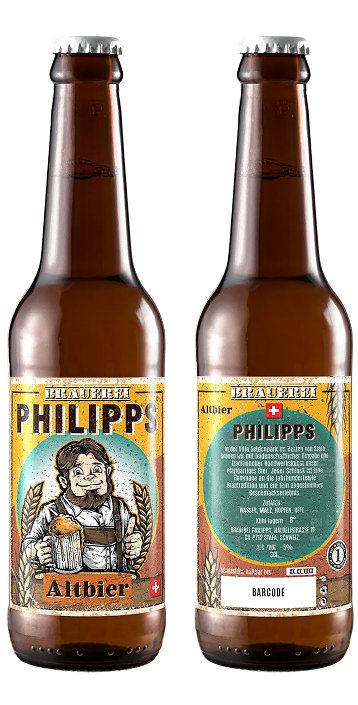
THE FORMAT MAY CHANGE.
THE STANDARD OF STRATEGIC THINKING, VISUAL CLARITY, AND PROFESSIONAL DELIVERY REMAINS CONSISTENT.

Magnifying glass highlighting a euro symbol on a purple pricing document.

One Graphic Design Pricing Hub.
Multiple Levels Of Creative Scope, Support, And Investment.

Professional Design Pricing Built Around What Your Brand Or Project Actually Requires.

One Graphic Design Pricing Hub. Multiple Creative Services. One Consistent Standard Of Scope Clarity, Professional Delivery, And Commercial Transparency.

Product Packaging Design

Label Design

Logo Design, Branding & Visual Identity

Marketing & Promotional Materials

Design for Digital Platforms

Custom Illustrations and Visual Concepts

In-store & Pos Brand Activation

Book Cover Design

Infographics & Presentations

Subscribe to Our Newsletter

Selected studio updates, new work, editorial perspectives, and professional insights — delivered when there is something worth sharing.

Occasional updates from Infinity Design Studio × NF Creative Studio. You can request removal at any time.

Schedule a Call

Tell us a little about your project, what you would like to discuss, and when you would prefer to connect.

We’ll review your request and follow up to confirm a suitable time.