THE NF EDITORIAL SERVICE FORMAT™
Amazon & E-Commerce explored from product positioning and marketplace communication to clarity, connected commerce, and scalable growth.

AMAZON & E-COMMERCE DESIGN · MARKETPLACE STRATEGY · PRODUCT PRESENTATION · CONVERSION-FOCUSED VISUAL SYSTEMS

TRANSFORM PRODUCT VALUE INTO A STRONGER DIGITAL BUYING EXPERIENCE

FROM AMAZON LISTINGS AND A+ CONTENT TO BRAND STORES, PRODUCT VISUALS, AND SCALABLE E-COMMERCE SYSTEMS.

NF Creative Studio develops premium Amazon & E-Commerce Design, Amazon A+ Content, Marketplace Visual Systems, Product Presentation, and Conversion-Focused Creative Assets for products competing in crowded digital markets.

We bring together Brand Identity, Packaging, Product Photography, 3D Visualization, Motion, Content Hierarchy, and Marketplace Strategy to make product value easier to understand, compare, trust, and choose across Amazon, online shops, and wider E-Commerce ecosystems.

From strengthening a single product listing to launching a new product, developing an Amazon Brand Store, or creating a scalable visual system across an entire portfolio, every solution is shaped around Clarity, Credibility, Consistency, Customer Relevance, and Commercial Performance.

A PRODUCT MAY BEGIN WITH VALUE.
ITS DIGITAL ADVANTAGE IS BUILT THROUGH CLARITY, RELEVANCE, CREDIBILITY, AND TRUST.

Purple shopping cart icon with cursor representing Amazon and e-commerce services

One Commercial System.
Multiple Layers Of Product Communication.
An Amazon & E-Commerce Service Built Around What Your Product Actually Needs.

From Product Positioning And Listing Structure To A+ Content, Brand Stores, Product Visuals, And Complete E-Commerce Communication Systems.

Proud Clients

A MULTIDISCIPLINARY AMAZON & E-COMMERCE DESIGN PARTNER

Why High-Value Products Need More Than Attractive Listings

THE MARKETPLACE MAY CHANGE. PRODUCT CLARITY, CREDIBILITY, AND COMMERCIAL DISCIPLINE MUST REMAIN CONSISTENT.

Amazon and E-Commerce success cannot rely on attractive product images alone. Strong digital product presentation requires a clear understanding of product positioning, customer expectations, marketplace behavior, visual hierarchy, technical requirements, and the complete decision path through which people evaluate what they are buying.

From a focused Amazon listing to A+ Content, Brand Stores, Web-Shop presentation, launch campaigns, and broader E-Commerce ecosystems, every successful product experience depends on a coordinated relationship between Visual Strategy, Product Communication, Brand Consistency, Marketplace Structure, Content Hierarchy, and Conversion-Focused Design.

Infinity Design Studio approaches Amazon & E-Commerce as a connected commercial system—bringing strategic thinking, brand design, packaging, product photography, 3D visualization, motion, listing structure, and marketplace-ready visual communication together within one coordinated service.

Why Clients Choose Infinity Design Studio

Product, Marketplace & E-Commerce Capabilities

Our Amazon & E-Commerce Design Service is built for products where clarity, credibility, visual consistency, marketplace relevance, customer understanding, and commercial presentation directly influence how confidently people evaluate and engage with the offer.

FROM PRODUCT POSITIONING TO MARKETPLACE PRESENCE, EVERY ELEMENT IS DEVELOPED TO WORK AS ONE COMMERCIAL SYSTEM.

Amazon and e-commerce strategy team analyzing category landscape, competitor products, customer questions, audience insights, market gaps, product positioning, and commercial opportunities.

MARKETPLACE DISCOVERY · CATEGORY RESEARCH · PRODUCT POSITIONING · COMMERCIAL STRATEGY

A Strong Marketplace Presence Begins By Understanding Why This Product Should Win.

An Amazon or E-Commerce listing enters a market that already contains competing products, established price expectations, recurring buyer questions, category conventions, review patterns, and visual habits that shape what customers notice first. The product does not arrive into an empty page—it enters an existing decision environment where relevance has to be earned against alternatives the customer can compare within seconds.

That is why positioning begins before the first image, infographic, or A+ Content module is designed. Category research, competitor analysis, customer language, review mining, pricing context, product strengths, perceived weaknesses, and unmet buyer needs help reveal where the offer can communicate with greater precision. The objective is not to imitate what already performs well, but to identify where the product can remove uncertainty, demonstrate a meaningful advantage, and occupy a clearer position than the surrounding competition.

Once that commercial logic is understood, every later creative decision becomes more valuable. Photography can prove the right benefits, comparison graphics can address real objections, information hierarchy can prioritize what buyers actually need to know, and the wider listing system can be built around genuine reasons to trust and choose the product. Marketplace design stops beginning with appearance and starts with strategy—giving every visual asset a clearer role in turning product value into customer understanding, differentiation, and purchase confidence.

WHEN CATEGORY CONDITIONS, COMPETITOR BEHAVIOUR, CUSTOMER QUESTIONS, PRODUCT STRENGTHS, AND MARKET GAPS ARE UNDERSTOOD BEFORE CREATIVE DEVELOPMENT BEGINS,
AMAZON & E-COMMERCE DESIGN STOPS BEING A COLLECTION OF ATTRACTIVE SALES ASSETS AND BECOMES A COMMERCIAL COMMUNICATION SYSTEM—BUILT TO MAKE PRODUCT VALUE EASIER TO UNDERSTAND, DIFFERENTIATION EASIER TO RECOGNIZE, AND THE BUYING DECISION EASIER TO MAKE WITH CONFIDENCE.

AMAZON & E-COMMERCE DESIGN · PRODUCT COMMUNICATION · MARKETPLACE EXPERIENCE

Marketplace Design Built Around How Products Are Discovered, Evaluated And Chosen

A STRONG DIGITAL PRODUCT PRESENCE DOES MORE THAN ATTRACT ATTENTION. IT ORGANIZES VALUE, BUILDS CONFIDENCE, AND MAKES THE NEXT DECISION EASIER.

Amazon and E-Commerce environments place product information, visual communication, brand credibility, competitive positioning, and purchasing decisions within the same limited digital space.

Our role is to bring those elements together into a clear commercial system. Depending on the product, platform, market, and stage of development, the service may combine listing design, A+ Content, product photography, 3D visualization, Brand Store systems, Web-Shop assets, campaign communication, localization, and launch support.

The objective is not to create more content around the product. It is to ensure that every important asset contributes to understanding, differentiation, trust, and commercial readiness.

DESIGNED TO BE SEEN. STRUCTURED TO BE UNDERSTOOD. BUILT TO SUPPORT THE SALE.

Amazon Listing
Design & Marketplace Messaging

Product pages designed to communicate value quickly, clearly, and credibly within competitive marketplace environments.

Product
Photography & Commercial Visual Production

Product imagery developed not simply to show what an item looks like, but to communicate quality, use, scale, detail, and perceived value.

3D Product Visualization, Animation &
Digital Prototyping

When photography cannot show what does not yet exist—or cannot communicate enough—3D becomes part of the commercial presentation system.

Brand Store, Web-Shop & Connected E-Commerce Systems

Marketplace performance becomes stronger when individual product assets belong to one recognizable brand environment built around consistency and clarity.

Launch Strategy & Commercial Product Readiness

A marketplace launch begins before the product page goes live.

Location pin icon representing address, geographic location, office location, and place information.

Localization & Multi-Market E-Commerce Adaptation

Selling across markets requires more than translating the same visual.

EVERY ASSET HAS A DIFFERENT JOB. TOGETHER, THEY SHOULD GIVE THE CUSTOMER ONE CLEAR REASON TO BELIEVE IN THE PRODUCT.

Amazon listings, product photography, A+ Content, 3D visualization, Brand Stores, Web-Shop systems, launch assets, and localized communication are most effective when they are not developed as separate pieces—but as parts of one recognizable commercial experience.

Gradient quotation mark icon in purple and turquoise.

EVERY PRODUCT TOUCHPOINT SHOULD MAKE THE BRAND EASIER TO RECOGNIZE, UNDERSTAND, TRUST, AND CHOOSE.

E-commerce strategy team planning an Amazon listing image sequence with hero imagery, product details, benefits, comparisons, social proof, decision support, and buyer journey mapping.

LISTING ARCHITECTURE · INFORMATION HIERARCHY · BUYER JOURNEY · DECISION SUPPORT

A Strong Listing Turns Product Information Into A Sequence That Makes The Buying Decision Easier.

A customer does not read an Amazon listing from beginning to end like a brochure. They scan, compare, return to details, look for reassurance, test claims against alternatives, and decide within seconds whether the product deserves more attention. The listing therefore has to anticipate how confidence is built—showing the right information at the right moment instead of asking every image to explain everything at once.

That sequence gives each asset a different responsibility. The hero image must establish immediate recognition, secondary visuals can clarify form and use, benefit graphics translate features into relevance, comparison content creates context, while reviews, guarantees, proof, and supporting information reduce the uncertainty that remains before purchase. The strongest listing architecture does not compete for attention across every frame; it controls attention so each question is answered before the next one becomes important.

When that hierarchy is resolved properly, the listing begins to behave like a guided commercial journey rather than a gallery of sales assets. Product value becomes progressively clearer, objections are addressed before they become reasons to leave, and the customer reaches the purchase decision with less ambiguity and stronger justification. The design is no longer simply presenting the product—it is organizing the information required for the customer to understand it, compare it, trust it, and choose it with confidence.

WHEN HERO IMAGERY, BENEFIT COMMUNICATION, FEATURE EXPLANATION, COMPARISON CONTENT, PROOF, AND DECISION-SUPPORT INFORMATION ARE STRUCTURED AROUND THE REAL BUYER JOURNEY,
AN E-COMMERCE LISTING STOPS BEING A COLLECTION OF SALES IMAGES AND BECOMES A CONVERSION-FOCUSED INFORMATION SYSTEM—BUILT TO GUIDE ATTENTION, REMOVE UNCERTAINTY, STRENGTHEN TRUST, AND GIVE THE CUSTOMER A CLEARER REASON TO MOVE FROM FIRST GLANCE TO CONFIDENT PURCHASE.

PROJECT EVIDENCE · VITAL COLON DETOX

One Product.
Multiple Commercial Touchpoints.
One Recognizable Presence.

The Vital Colon Detox project demonstrates how product identity, packaging, visual presentation, and digital communication can work together instead of being developed as disconnected assets.

The objective is not simply to make a product look stronger on screen. It is to build a visual system capable of carrying the same product character across marketplace listings, E-Commerce environments, campaign assets, promotional communication, and future brand extensions.

WHEN EVERY PRODUCT ASSET SPEAKS THE SAME VISUAL LANGUAGE, THE MARKETPLACE EXPERIENCE BECOMES CLEARER, STRONGER, AND MORE RECOGNIZABLE.

Three Vital Colon Detox supplement bottles presented in a premium e-commerce product scene with the front label and supplement facts visible.

MARKETPLACE EXPERIENCE · BUYER DECISIONS · PRODUCT COMMUNICATION · COMMERCIAL TOUCHPOINTS

A Product Becomes Easier To Choose When Every Commercial Touchpoint Helps The Customer Understand Why It Matters.

A marketplace purchase is rarely decided by one image, one feature, or one isolated piece of content. Customers move through a sequence of first impressions, product details, visual proof, benefit communication, comparisons, reviews, use cases, brand signals, and purchase-oriented actions before enough confidence exists to move forward.

The ten commercial contexts presented here follow that progression across the wider Amazon & E-Commerce experience. Search visibility creates the first opportunity to be noticed. Hero imagery establishes immediate product clarity. Supporting graphics translate features into understandable benefits. A+ Content expands the value story. Product photography provides evidence. Lifestyle communication introduces real-world relevance. Mobile presentation must preserve clarity under reduced attention, while Brand Stores, product families, variants, and connected commerce environments extend the same commercial logic beyond a single listing.

Strong marketplace design therefore depends on more than making individual assets attractive. Each touchpoint must understand what question the customer is asking at that moment, what uncertainty still needs to be removed, what information deserves priority, and what form of evidence can make the next decision easier. When those responsibilities are coordinated, the product becomes easier to recognize, evaluate, compare, trust, and ultimately choose—without forcing every asset to communicate everything at once.

A CUSTOMER DOES NOT EXPERIENCE YOUR PRODUCT AS A COLLECTION OF SEPARATE ASSETS. THEY EXPERIENCE THE CONFIDENCE THOSE ASSETS BUILD TOGETHER.
FROM FIRST ATTENTION TO FINAL CHOICE, ONE CONNECTED E-COMMERCE SYSTEM TURNS PRODUCT INFORMATION, VISUAL PROOF, BRAND CONSISTENCY, AND BUYER CLARITY INTO A STRONGER COMMERCIAL EXPERIENCE.

WHY STRONG MARKETPLACE PRODUCTS OFTEN UNDERPERFORM

High-Value Products Need More Than Attractive Listings

WHEN POSITIONING, PRODUCT CLARITY, VISUAL HIERARCHY, AND COMMERCIAL DISCIPLINE REMAIN DISCONNECTED, THE MARKETPLACE EXPERIENCE BECOMES HARDER TO TRUST, UNDERSTAND, AND CHOOSE.

Many brands invest in packaging, product visuals, listing content, and advertising with clear commercial goals — stronger visibility, higher trust, better conversion, and long-term marketplace growth — yet still struggle because the customer experience is shaped through disconnected assets rather than one coordinated selling system.

Without a professionally developed Amazon & E-Commerce Design Service, important elements such as product positioning, listing hierarchy, benefit communication, image sequencing, supporting visuals, and marketplace consistency often remain fragmented. Strong Amazon Listing Design, Product Presentation, and Marketplace Visual Systems help transform individual product assets into a commercial environment that is easier to understand, easier to trust, and stronger in real buying situations.

THREE BARRIERS THAT LIMIT MARKETPLACE PERFORMANCE

01 — PRODUCT POSITIONING AND RELEVANCE REMAIN MISALIGNED

A product can appear visually polished while still failing to connect with buyer expectations, comparison logic, decision triggers, and commercial context. Without a clear product position, the marketplace experience often begins with visuals that look complete before the strategic foundation behind them is defined.

Professionally developed Amazon Design, E-Commerce Positioning, and Product Communication Systems connect audience needs, competitive context, product value, and marketplace intent into one coordinated direction that gives the offer greater clarity and stronger commercial relevance across digital marketplace environments.

02 — LISTING STRUCTURE AND PRODUCT MESSAGE LACK CLARITY

Product pages, image sequences, infographics, feature callouts, supporting comparisons, and A+ content can become harder to use when they are not developed as part of a deliberate communication structure. As a result, the product may appear visually strong while still creating hesitation, confusion, or incomplete understanding during real purchase decisions.

Professionally developed Amazon Listing Design, Content Hierarchy, and Marketplace Visual Systems create clearer buying journeys, stronger usability, and more consistent product understanding across listing environments and digital sales touchpoints.

03 — PRODUCT VALUE BECOMES HARDER TO TRUST AND CONVERT

Even a strong product can underperform when the marketplace experience does not clearly communicate credibility, quality, differentiation, and purchase confidence. If the product story, supporting visuals, brand consistency, and presentation logic are not working together, the commercial message becomes weaker and conversion potential becomes harder to realize.

Strategic Product Presentation, Commercial Visual Design, and Connected E-Commerce Systems help transform digital product presence into a more credible, more persuasive, and more conversion-ready marketplace experience across demanding digital sales environments.

The challenge is rarely the product alone. More often, performance weakens when positioning, communication, visual hierarchy, and commercial presentation are not developed as one connected marketplace system.

A professionally developed Amazon & E-Commerce Design Service connects strategy, listing structure, product communication, visual presentation, and marketplace consistency — helping products become easier to evaluate, easier to trust, easier to choose, and better prepared for scalable growth.

THE STRONGEST AMAZON & E-COMMERCE PRODUCTS DO NOT WIN THROUGH VISUALS ALONE. THEY PERFORM WHEN POSITIONING, LISTING CLARITY, PRODUCT COMMUNICATION, AND COMMERCIAL PRESENTATION WORK AS ONE CONNECTED MARKETPLACE SYSTEM.

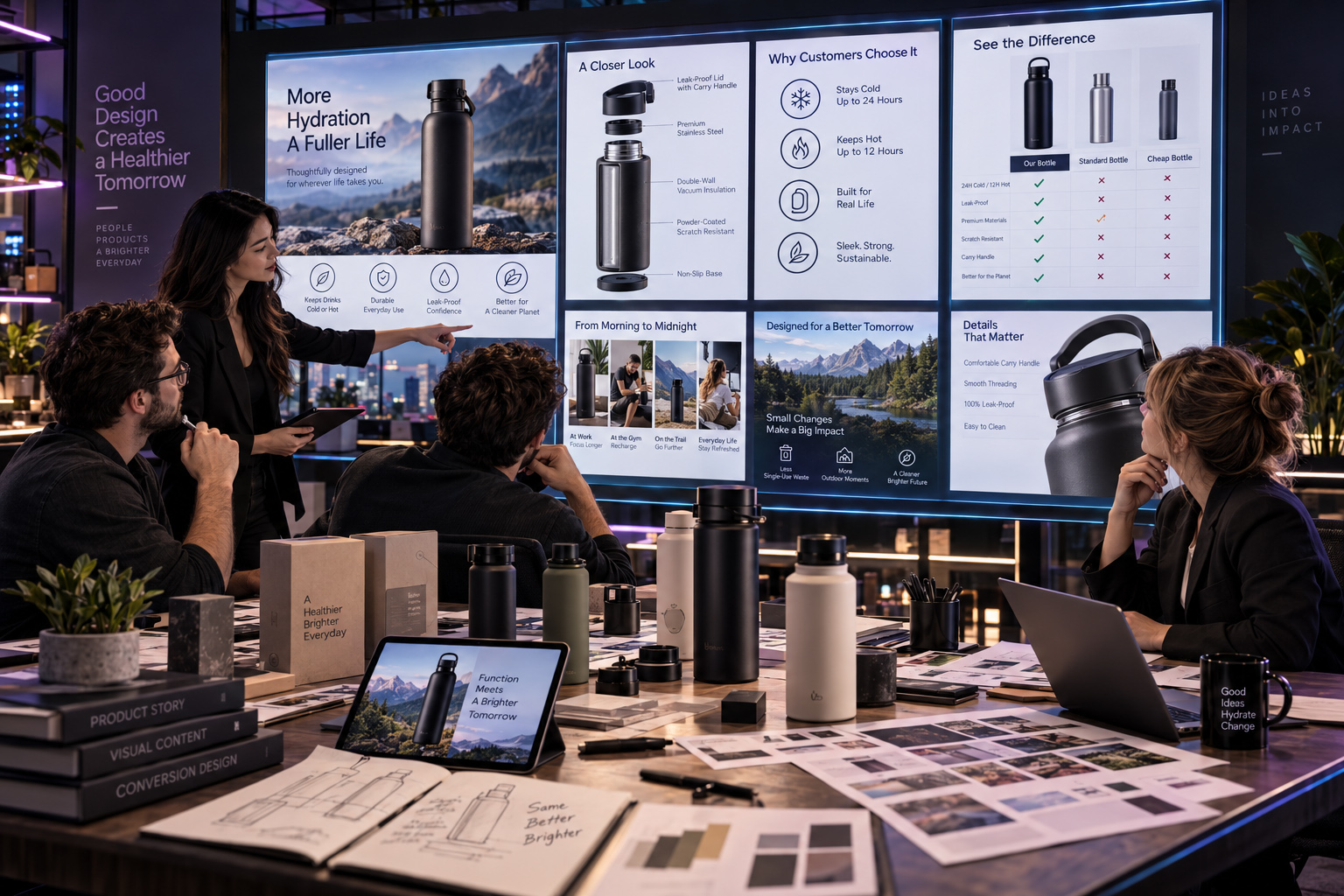
Amazon A+ Content strategy presentation showing product benefits, construction details, comparison graphics, lifestyle applications, sustainability messaging, feature communication, and visual value storytelling.

A+ CONTENT · BENEFIT COMMUNICATION · COMPARISON LOGIC · PRODUCT VALUE STORYTELLING

Product Value Becomes More Persuasive When Features Are Turned Into Reasons To Choose.

Customers rarely need more information simply because more information exists. They need help understanding why a feature matters to them, how one option differs from another, and whether the product can genuinely solve the problem they came to the marketplace to solve. A+ Content becomes valuable when technical details stop behaving like isolated facts and begin forming a clear argument for relevance, usefulness, and choice.

That argument can be built through feature breakdowns, benefit-led modules, product details, use-case scenarios, comparison graphics, diagrams, photography, lifestyle context, and supporting proof—each answering a different question in the buyer’s mind. The strongest content does not repeat the same claim in multiple formats; it gives every module a distinct responsibility, allowing value to accumulate as the customer moves deeper into the product story.

When those elements work together, the product becomes easier to evaluate against real alternatives. Differences gain context, claims gain credibility, and the buyer can see not only what the product contains, but why those characteristics matter in everyday use and where the offer creates a more convincing advantage. A+ Content stops being additional page decoration and becomes a structured value narrative—designed to turn product complexity into understanding, differentiation, and stronger purchase confidence.

WHEN FEATURES, BENEFITS, USE CASES, COMPARISONS, PRODUCT DETAILS, AND SUPPORTING PROOF ARE STRUCTURED AROUND REAL CUSTOMER QUESTIONS,
A+ CONTENT STOPS BEING AN EXPANDED PRODUCT DESCRIPTION AND BECOMES A PERSUASIVE DECISION-SUPPORT SYSTEM—BUILT TO MAKE DIFFERENCES EASIER TO UNDERSTAND, ADVANTAGES EASIER TO BELIEVE, AND PRODUCT VALUE EASIER TO JUSTIFY BEFORE THE CUSTOMER MAKES THE FINAL CHOICE.

PRODUCT CATEGORIES · MARKET CONTEXTS · COMMERCIAL APPLICATIONS

Different Products Compete Differently.
The Commercial System Should Adapt.

DIFFERENT PRODUCTS CREATE DIFFERENT BUYING QUESTIONS. STRONG E-COMMERCE DESIGN BEGINS BY UNDERSTANDING WHAT CUSTOMERS MUST SEE, UNDERSTAND, COMPARE, AND TRUST BEFORE THEY ARE READY TO CHOOSE.

From emerging product brands preparing for their first serious launch to established businesses managing complex portfolios across Amazon, direct-to-consumer stores, retail marketplaces, and supporting campaign environments, every Amazon & E-Commerce Design engagement begins with a different combination of audience expectations, category behavior, competitive pressure, product complexity, sales model, platform requirements, and the level of visual evidence customers need before making a decision.

A health or wellness product may depend on credibility, ingredients, benefits, usage clarity, and supporting proof, while a food or beverage brand may compete through appetite appeal, sensory character, packaging recognition, and strong variant differentiation. Technology products often require clearer explanation of features, compatibility, technical advantages, and comparison logic, while premium lifestyle products may rely more heavily on perceived value, brand character, material quality, and the consistency of presentation across every commercial touchpoint.

For that reason, we do not apply one listing structure, visual hierarchy, content formula, or marketplace aesthetic to every product. We shape each engagement around who is buying, what they need to understand, which objections may delay the decision, how the product differs from competing offers, what evidence strengthens trust, and how the commercial experience must perform across listings, A+ Content, Brand Stores, Web Shops, campaigns, product launches, and future portfolio expansion.

The objective is to create product experiences that are not only visually polished, but commercially relevant, easier to evaluate, clearer to compare, more credible at the point of decision, and structured around the real questions customers need answered before choosing the product.

THE PRODUCT CATEGORY MAY CHANGE.
THE COMMERCIAL EXPERIENCE SHOULD STILL MAKE VALUE EASIER TO RECOGNIZE, DIFFERENCE EASIER TO UNDERSTAND, AND THE BUYING DECISION EASIER TO TRUST.

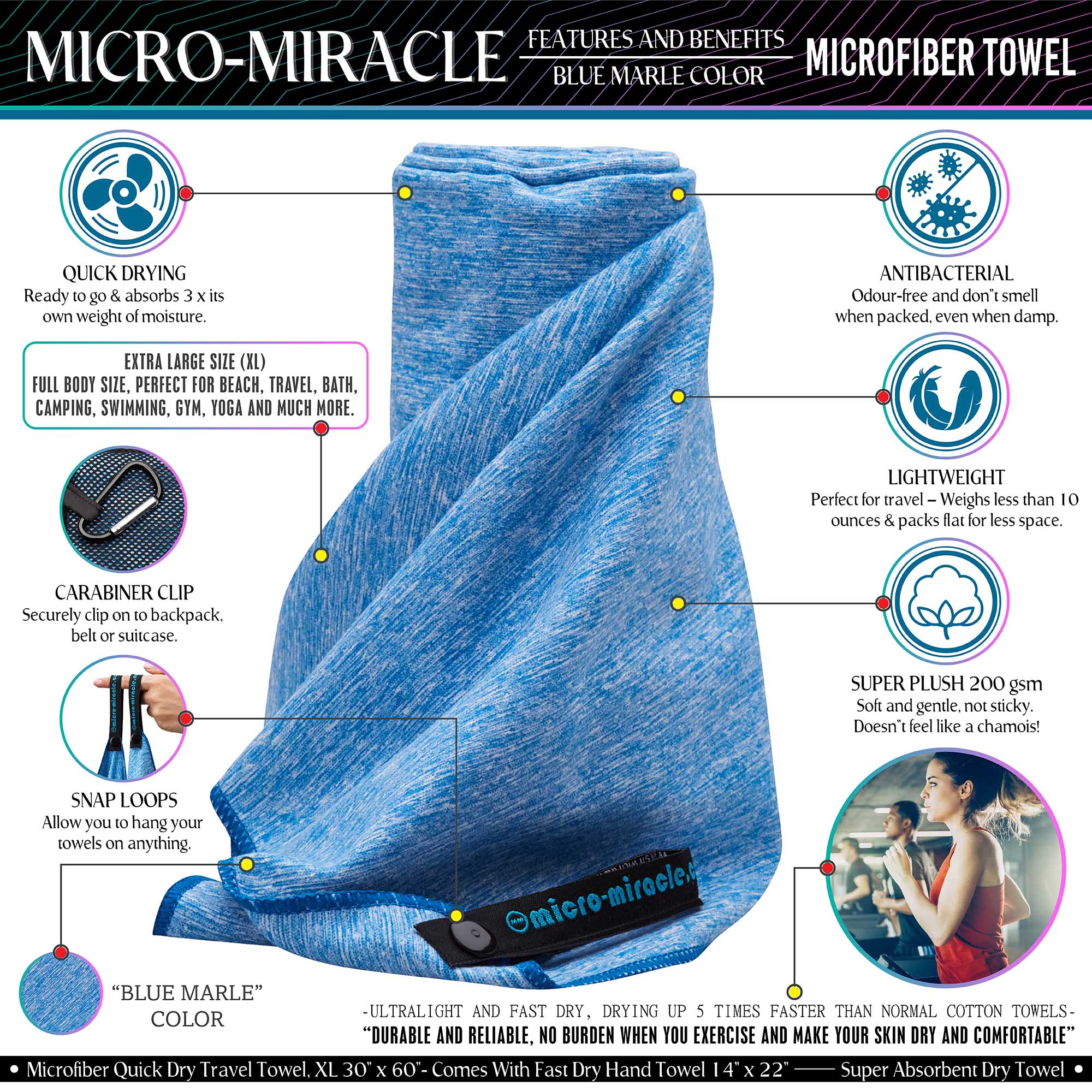
Amazon product presentation for a blue Micro-Miracle microfiber towel highlighting quick drying, antibacterial performance, lightweight construction, carabiner clip, snap loops, large size, and soft 200 GSM material.
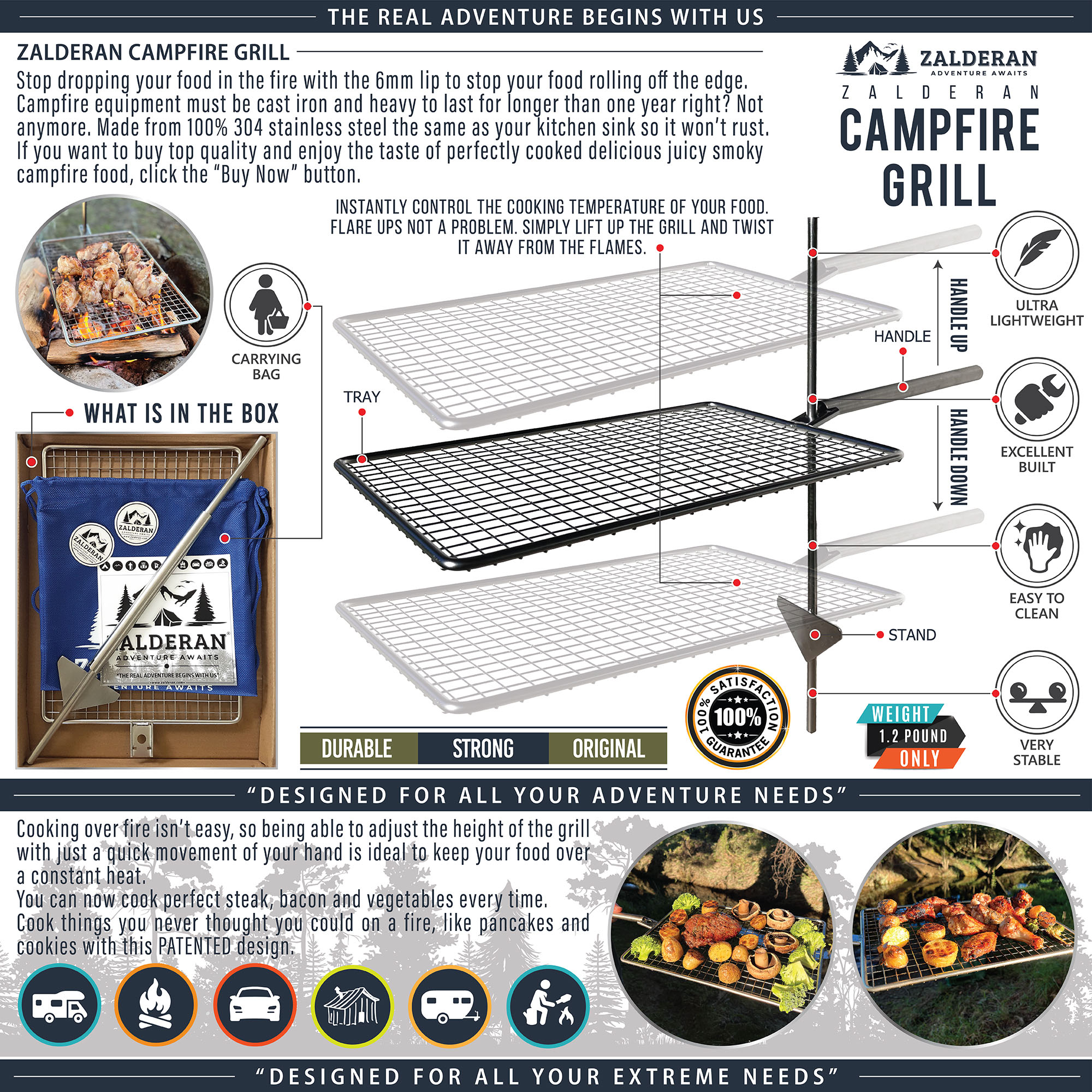
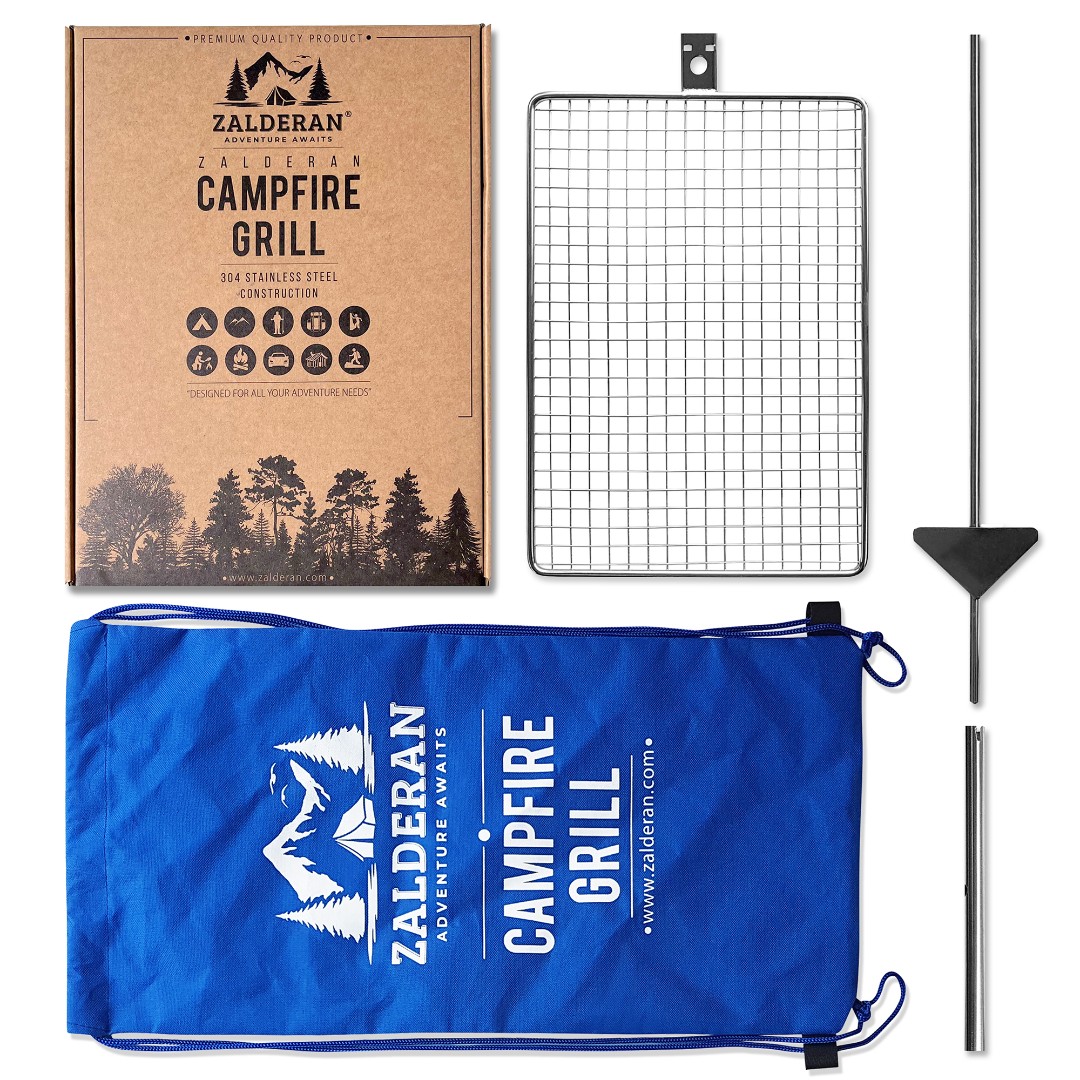
Amazon product infographic for the Zalderan Campfire Grill showing the adjustable stainless steel grill, carrying bag, included components, lightweight construction, durability, stability, cleaning benefits, and outdoor cooking use cases.

COMMERCIAL EXECUTION ACROSS PRODUCT CATEGORIES

A Strong E-Commerce System Adapts To The Product Without Losing The Logic That Makes It Easier To Choose.

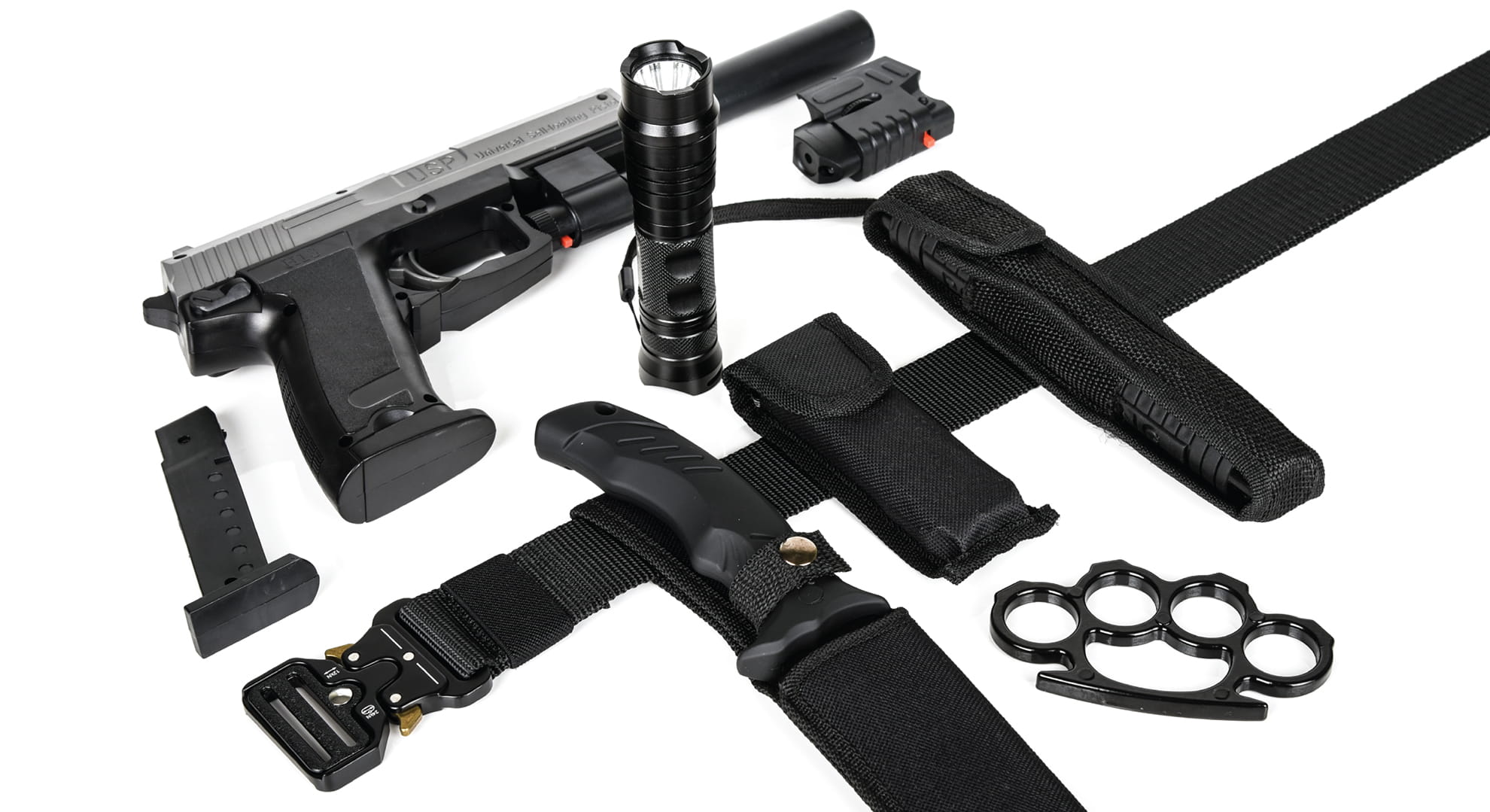
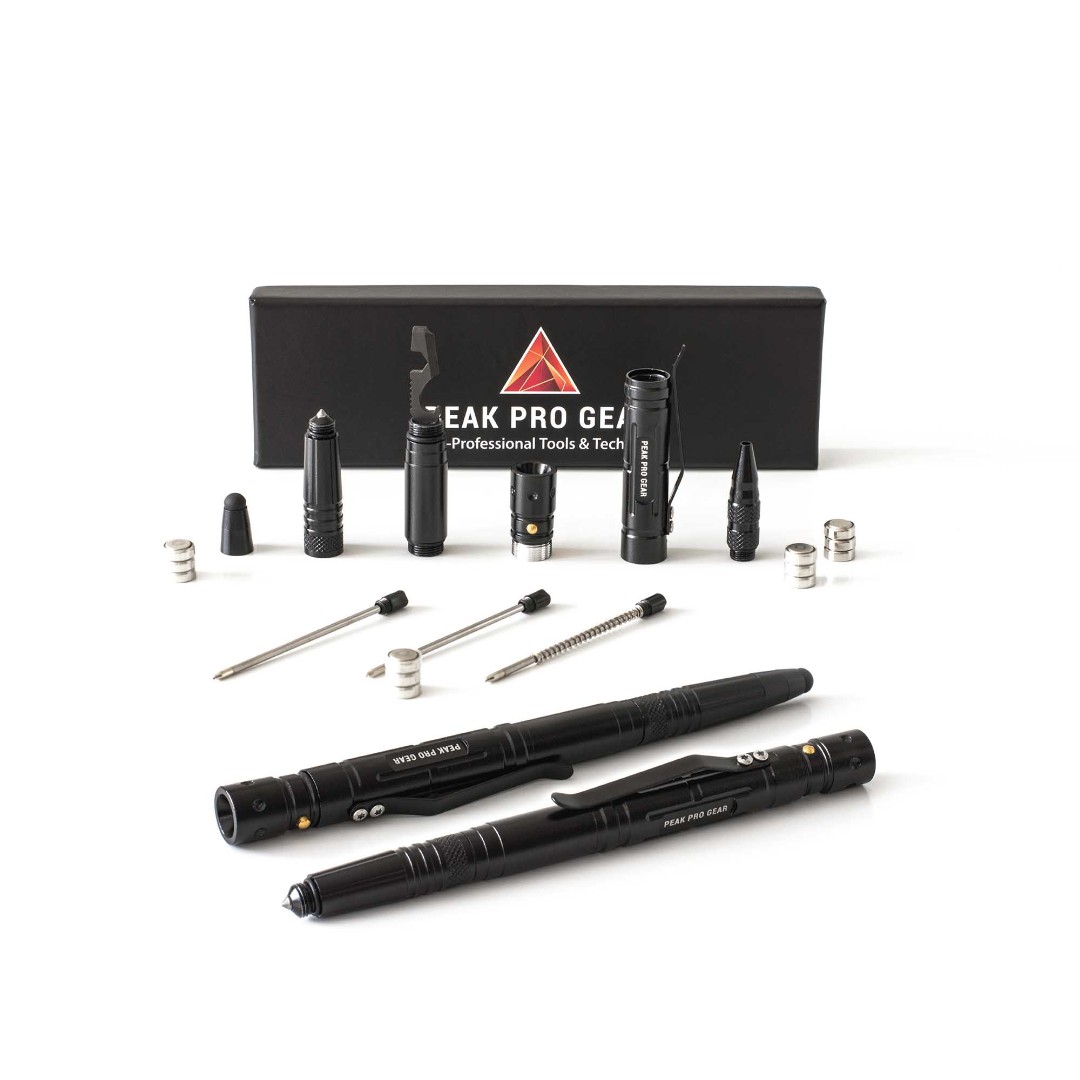
The same Amazon & E-Commerce Design discipline can extend across supplements, tools, outdoor products, lifestyle goods, home accessories, packaged products, and specialist product categories where buying decisions depend on clarity, proof, comparison logic, visual consistency, and marketplace-ready communication. The objective is not to force every product into the same formula, but to develop a commercial system that responds to the real category context, real customer expectations, and the specific questions buyers need answered before they feel ready to choose.

That is why the work often has to move beyond a single listing format. Different categories demand different balances of positioning, feature communication, packaging visibility, image structure, proof strategy, comparison logic, and perceived value building. A strong commercial direction keeps the underlying standard consistent while allowing the execution to adapt—so the offer remains easier to understand, easier to compare, and easier to trust across different product types, audiences, and buying environments.

DIFFERENT PRODUCTS CREATE DIFFERENT BUYING QUESTIONS.
THE RIGHT COMMERCIAL SYSTEM MAKES THE ANSWERS EASIER TO SEE, UNDERSTAND, TRUST, AND ACT ON.

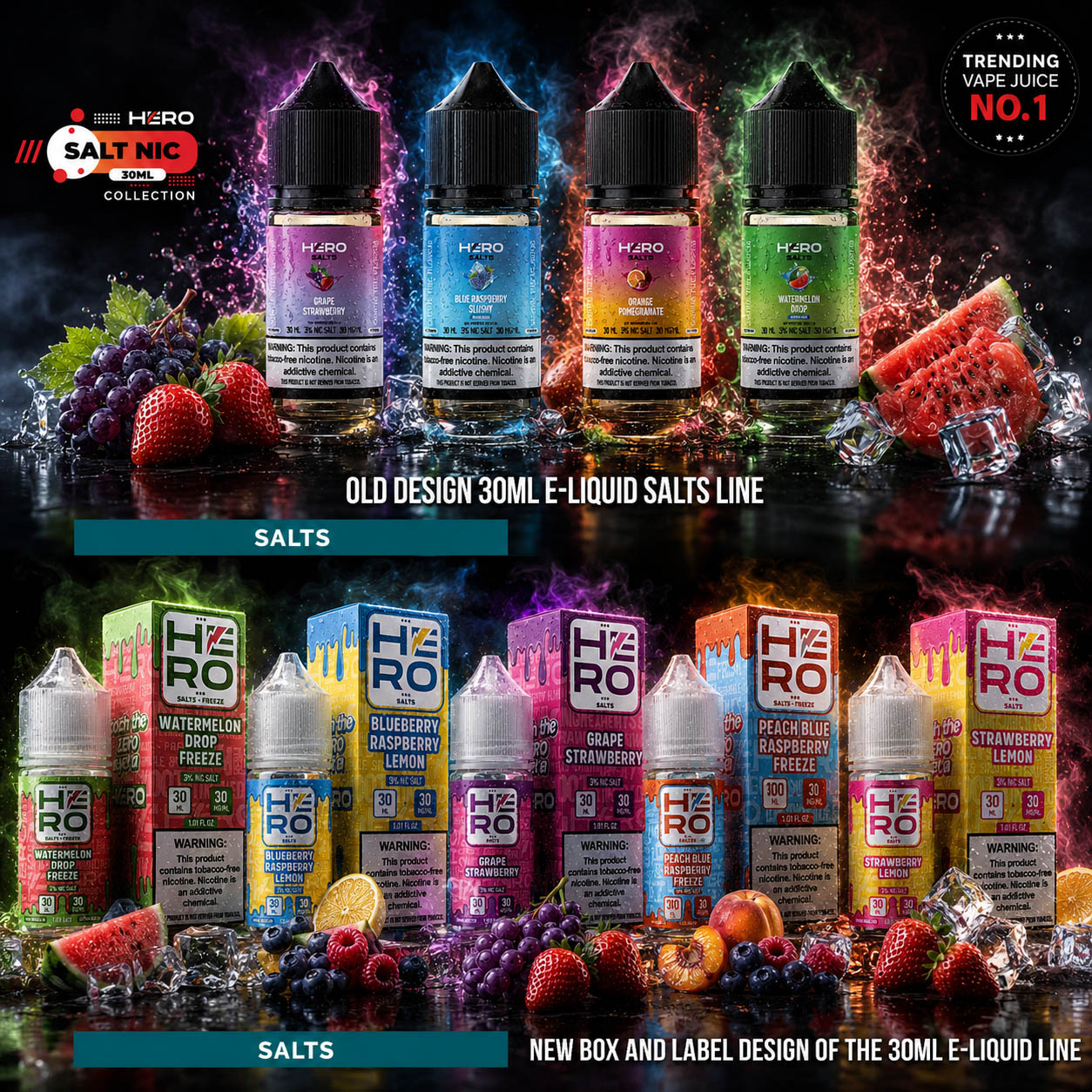
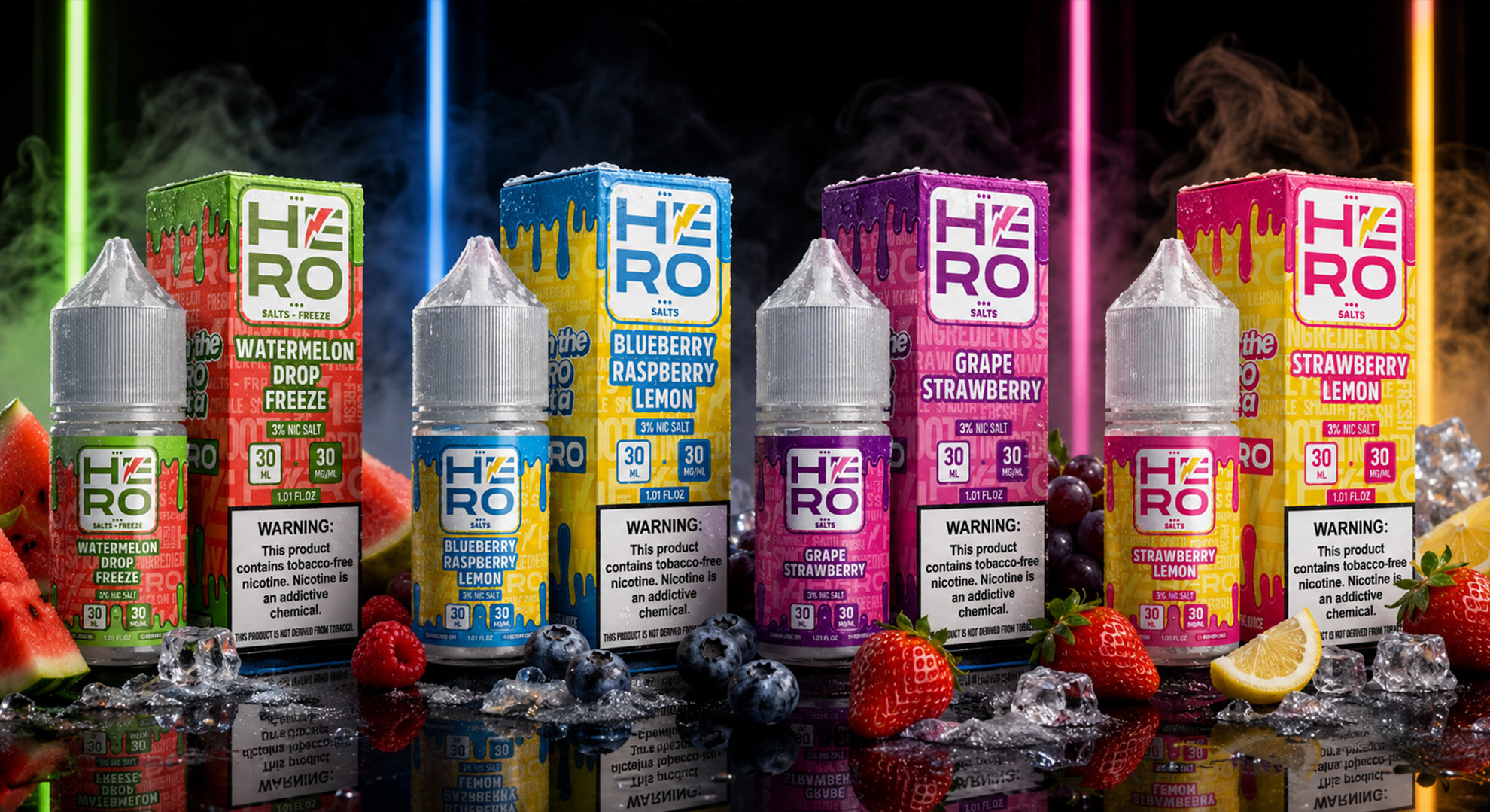
Before-and-after comparison of the HERO 30ml salt nicotine e-liquid range showing redesigned bottles, packaging boxes, flavor differentiation, and stronger product presentation.

WHEN THE COMMERCIAL SYSTEM IS BUILT AROUND THE PRODUCT, CATEGORY, AND REAL BUYING QUESTIONS,
AMAZON & E-COMMERCE DESIGN CAN EXTEND BEYOND THE LISTING WITHOUT LOSING CLARITY—CONNECTING PACKAGING, IMAGERY, COMPARISON, CAMPAIGN ASSETS, AND DIGITAL TOUCHPOINTS INTO ONE CONSISTENT BUYING EXPERIENCE.

AMAZON & E-COMMERCE BEYOND THE CORE MARKETPLACE LISTING

Product performance rarely depends on the marketplace listing alone. The wider commercial experience may also require Packaging Design, Professional Product Photography, Image Development & Retouching, 3D Product Visualization, Lifestyle Imagery, Brand Store Design, Web-Shop Presentation, Campaign Assets, Launch Communication, Comparison Systems, Localization, and supporting cross-channel content capable of presenting the same product with clarity across different buying environments.

Where a project requires broader support, the engagement can therefore extend beyond individual Amazon images or A+ modules into the assets, systems, and communication layers that help the product launch more clearly, maintain stronger visual consistency, communicate value across multiple decision points, and remain recognizable as the offer expands through new variants, markets, platforms, and sales channels.

These disciplines are introduced only where they strengthen the commercial experience itself—whether by improving product understanding, perceived credibility, visual differentiation, packaging recognition, marketplace consistency, campaign readiness, comparison clarity, or the relationship between what customers first notice and what ultimately gives them enough confidence to choose.

The objective is to ensure that the product does not become fragmented as its commercial presence expands, but continues to operate as one connected buying experience—from first impression and product discovery to evaluation, comparison, trust, purchase consideration, and long-term brand recognition.

DIFFERENT PRODUCTS CREATE DIFFERENT BUYING QUESTIONS.
THE RIGHT COMMERCIAL SYSTEM MAKES THE ANSWERS EASIER TO SEE, UNDERSTAND, TRUST, COMPARE, AND ACT ON.

Gradient quotation mark icon in purple and turquoise.

A PRODUCT DOES NOT NEED TO LOOK LIKE EVERYTHING ELSE IN ITS CATEGORY.
IT NEEDS TO MAKE ITS OWN VALUE IMPOSSIBLE TO MISUNDERSTAND.

Professional Amazon and e-commerce product photography production with studio lighting, photographer, branded bottle and packaging, detail images, material textures, lifestyle assets, and marketplace-ready visual library.

PRODUCT PHOTOGRAPHY · DETAIL EVIDENCE · MATERIAL CREDIBILITY · MARKETPLACE-READY VISUALS

A Product Becomes Easier To Trust When The Imagery Proves What The Customer Cannot Physically Inspect.

Online customers cannot hold the product, feel its weight, examine the finish, inspect construction quality, compare proportions in person, or test how it behaves before purchase. That absence creates uncertainty that product photography has to actively reduce. The image is not simply there to show what the product looks like—it has to communicate enough visual evidence for the customer to begin believing what the listing claims.

That requires a deliberately structured image system rather than one polished hero shot. Multiple angles can reveal construction, close-up views can expose texture and finish, packaging imagery can strengthen perceived completeness, lifestyle scenes can establish scale and relevance, while in-use photography can show how the product behaves within a believable real-world context. Each frame should answer a different buying question, gradually replacing what the customer cannot physically inspect with information they can evaluate visually.

When photography is developed around that responsibility, it begins to function as commercial proof. Perceived quality becomes easier to justify, product claims gain visible support, uncertainty decreases, and the same visual foundation can strengthen listings, A+ Content, Brand Stores, campaigns, and broader E-Commerce communication. The imagery stops being a gallery around the product and becomes part of the evidence that helps the customer decide whether the product deserves trust, consideration, and ultimately purchase.

WHEN HERO IMAGERY, DETAIL VIEWS, MATERIAL TEXTURE, PACKAGING, SCALE, LIFESTYLE CONTEXT, AND IN-USE PHOTOGRAPHY ARE BUILT AROUND THE QUESTIONS A CUSTOMER CANNOT ANSWER IN PERSON,
PRODUCT PHOTOGRAPHY STOPS BEING VISUAL PRESENTATION AND BECOMES COMMERCIAL EVIDENCE—BUILT TO MAKE QUALITY MORE BELIEVABLE, FUNCTION MORE UNDERSTANDABLE, CLAIMS MORE CREDIBLE, AND THE DISTANCE BETWEEN ONLINE INSPECTION AND PURCHASE CONFIDENCE SIGNIFICANTLY SMALLER.

THE NF EDITORIAL JOURNAL FORMAT™
Amazon & E-Commerce explored as the point where product strategy becomes marketplace experience—from positioning, visual hierarchy, imagery, proof, comparison logic, and brand consistency to the structure that helps customers understand, trust, compare, and choose.

WHEN PRODUCT PRESENTATION MEETS THE BUYING DECISION

Customers Never Experience Your Marketplace Strategy.
They Experience What The Product Presentation Makes Clear.

A Product Earns Trust When Positioning, Visual Hierarchy, Imagery, Proof, Comparison Logic, And Brand Consistency Answer The Questions That Stand Between Attention And Purchase.

Amazon and E-Commerce products are evaluated through a sequence of rapid decisions. A customer notices the product, interprets what it is, checks relevance, scans benefits, compares alternatives, looks for evidence, evaluates credibility, considers value, and decides whether enough uncertainty has been removed to continue toward purchase. Every one of those moments is influenced by how clearly the commercial presentation has been structured before the customer ever reaches the offer.

This is why strong Amazon & E-Commerce Design cannot be reduced to attractive listing images or decorative A+ Content. Product positioning, image sequencing, visual hierarchy, benefit communication, supporting proof, comparison structures, packaging recognition, marketplace consistency, and commercial storytelling need to reinforce one another so that the customer is not forced to assemble the value of the product independently.

When those relationships are resolved properly, the marketplace experience becomes easier to process. Important information appears at the right moment. Differences become easier to recognize. Benefits feel more relevant. Supporting evidence strengthens confidence rather than adding noise. And the product becomes easier to understand, compare, trust, remember, and ultimately choose across Amazon, direct-to-consumer environments, and supporting digital sales touchpoints.

EXPLORE HOW MARKETPLACE DESIGN TURNS PRODUCT INFORMATION INTO CLEARER REASONS TO UNDERSTAND, TRUST, COMPARE, AND CHOOSE.

Editorial Amazon design visual showing a smartphone shopping interface, customer journey stages, and principles including attention, relevance, clarity, value, trust, experience, and growth.

EDITORIAL CONTEXT · MARKETPLACE ANALYSIS · BUYER DECISION-MAKING

Beyond The Listing — Understanding Why A Product Gets Chosen.

A marketplace product may be noticed in seconds, but whether it earns serious consideration depends on decisions made throughout the entire commercial presentation. Product positioning, first-impression clarity, image hierarchy, benefit communication, comparison logic, visual proof, trust signals, and purchase context determine not only how the listing looks, but how easily customers can understand what the product offers and why it deserves attention.

The Journal examines those decisions beyond surface-level presentation—exploring how marketplace structure influences perception, why some product information creates confidence while other information creates friction, how visual evidence strengthens credibility, and how connected commercial touchpoints can turn attention into understanding and understanding into a more confident buying decision.

E-Commerce presents the product. Critical marketplace thinking reveals the commercial logic that makes the product easier to understand, trust, compare, and choose.

COMMERCIAL E-COMMERCE SYSTEMS · FROM PRODUCT VALUE TO BUYING DECISION

Build The Parts Of Marketplace Performance That Design Can Actually Control

PRODUCT CLARITY, BUYER CONFIDENCE, DIFFERENTIATION, DECISION SUPPORT, BRAND CONSISTENCY, AND LAUNCH READINESS—DEVELOPED AS ONE COMMERCIAL SYSTEM.

Commercial performance is shaped by variables no design studio can control alone—product quality, pricing, reviews, competition, media investment, inventory, fulfillment, seasonality, and platform conditions all matter.

Our responsibility is to strengthen the parts of the buying experience that design can directly influence:
how clearly the product is positioned, how quickly its value is understood, how credible the presentation feels, how easily alternatives can be evaluated, how consistently the brand appears, and how prepared the visual system is to grow across products, channels, and markets. NF Creative Studio develops Amazon & E-Commerce Design around those controllable commercial conditions, combining marketplace strategy, product communication, visual systems, photography, 3D visualization, A+ Content, Brand Store environments, and launch-ready assets into one coordinated product experience.

A PERCENTAGE CANNOT BE DESIGNED.
CLARITY, CREDIBILITY, RELEVANCE, AND DECISION SUPPORT CAN.

01 — Product Clarity & Offer Understanding

A strong marketplace experience begins by making the product easier to understand before asking the customer to believe in it. Positioning, benefits, specifications, differences, usage, and supporting information must form a hierarchy that helps buyers recognize what the product is, why it matters, and whether it is relevant to them.

02 — Buyer Confidence & Product Credibility

Customers cannot physically inspect most products before purchasing online. The marketplace presentation therefore carries a greater responsibility to communicate quality, detail, legitimacy, consistency, and enough visual evidence for the customer to feel confident about what is being offered.

03 — Differentiation & Category Relevance

Standing apart does not mean ignoring the category in which the product competes. Strong positioning balances recognition and distinction—making the product relevant enough to be understood immediately while giving the brand enough character to remain recognizable among competing alternatives.

04 — Decision & Conversion Readiness

Design cannot guarantee conversion, but it can remove unnecessary uncertainty from the path toward a purchase. A strong E-Commerce system helps customers find important information, compare alternatives, resolve questions, recognize value, and move through the decision process with less friction across complex digital buying environments.

05 — Brand Consistency & Portfolio Scale

A single strong listing is useful. A system capable of maintaining quality across multiple products, SKUs, campaigns, channels, and future extensions creates substantially greater long-term value. This is where isolated creative assets become a scalable commercial design system that supports consistency, recognition, efficiency, and controlled growth over time.

06 — Launch Readiness & Market Expansion

A product should not reach the marketplace with one finished image and twenty unresolved communication problems. Launch readiness means ensuring that the essential product assets, marketplace content, visual systems, campaign materials, and regional adaptations are prepared to work together before commercial pressure begins.

Our Amazon & E-Commerce Design Service is built around the parts of commercial performance that creative strategy and design can genuinely strengthen: product understanding, buyer confidence, category relevance, decision clarity, brand consistency, and marketplace readiness. We do not replace product quality, pricing strategy, media performance, reviews, inventory, fulfillment, or the many other factors that influence sales. We build the visual and communication system that allows a strong product to present its value with greater clarity, credibility, consistency, and commercial discipline wherever the buying decision takes place.

STRONGER MARKETPLACE PERFORMANCE BEGINS WHEN EVERY CONTROLLABLE PART OF THE PRODUCT EXPERIENCE IS WORKING IN THE SAME DIRECTION.

Customer evaluating an e-commerce product on a smartphone while reviewing similar products, ratings, customer reviews, pricing, color options, delivery information, and purchase actions.

MOBILE COMMERCE · REAL-TIME DECISION MAKING · BUYER ATTENTION · PURCHASE CONFIDENCE

Mobile Commerce Works Best When The Buying Decision Remains Clear Even When Attention Is Not.e.

Mobile shopping happens inside fragments of everyday life. A customer may be comparing products from a sofa, checking reviews between tasks, returning to a listing during a commute, or making a final decision late in the evening while attention is already divided. The product therefore has very little time to establish relevance, answer uncertainty, and give the buyer enough confidence to continue before another option becomes easier to choose.

That pressure changes what strong E-Commerce communication has to do. Product imagery must remain legible on a smaller screen, value has to be understood without excessive scrolling, pricing and delivery information must be easy to locate, reviews need to reinforce trust quickly, and comparison logic cannot depend on desktop-sized explanations. The experience has to preserve the substance of the product story while reducing the amount of effort required to understand it.

When those priorities are handled deliberately, mobile commerce begins to feel lighter without becoming shallower. The customer can move from discovery to evaluation, reassurance, and purchase without repeatedly stopping to reconstruct the offer or search for missing proof. The result is not simply a responsive listing—it is a buying experience designed around real attention, real hesitation, and the real conditions in which modern purchasing decisions increasingly happen.

WHEN PRODUCT VALUE, IMAGERY, REVIEWS, PRICE, DELIVERY, COMPARISON, AND CONFIDENCE-BUILDING INFORMATION REMAIN CLEAR WITHIN THE CONSTRAINTS OF A MOBILE DECISION,
MOBILE E-COMMERCE STOPS BEING A SMALLER VERSION OF THE DESKTOP EXPERIENCE AND BECOMES A PURPOSE-BUILT BUYING ENVIRONMENT—DESIGNED TO REDUCE FRICTION, PROTECT ATTENTION, AND MAKE THE PATH FROM FIRST INTEREST TO CONFIDENT PURCHASE FEEL NATURAL EVEN IN THE MOST DISTRACTED REAL-WORLD MOMENTS.

SELECTED AMAZON & E-COMMERCE WORK · REAL PRODUCTS · COMMERCIAL SYSTEMS · MARKETPLACE EXPERIENCES

Products Reveal Their Commercial Strength Through The Way Their Value Is Presented.
Every Category Demands Its Own Marketplace Messaging Logic.

PACKAGING SYSTEMS, AMAZON LISTINGS, A+ CONTENT, PRODUCT VISUALS, BRAND STORES, AND CROSS-CHANNEL COMMERCE ASSETS—EACH DEVELOPED AROUND A DIFFERENT PRODUCT, AUDIENCE, CATEGORY, AND BUYING DECISION.

THE PRODUCT MAY CHANGE FROM PROJECT TO PROJECT. THE DISCIPLINE BEHIND A STRONG COMMERCIAL EXPERIENCE CANNOT.

These selected projects demonstrate how Amazon Design, E-Commerce Strategy, Product Positioning, Packaging, Listing Systems, A+ Content, Product Photography, 3D Visualization, Visual Hierarchy, and Marketplace Communication take different forms according to what customers need to notice, understand, compare, believe, and ultimately choose. Each engagement begins with its own combination of category expectations, competitive pressure, product complexity, audience priorities, platform requirements, visual evidence, and commercial objectives rather than with a predetermined marketplace formula.

Some products depend on immediate recognition, strong variant differentiation, clear benefit communication, and fast shelf-to-screen relevance. Others require deeper explanation of ingredients, technical features, materials, usage, compatibility, performance, or supporting proof before customers feel confident enough to continue. Premium products may depend more heavily on perceived value, brand character, packaging quality, lifestyle context, and consistency across every commercial touchpoint. The visual response changes accordingly—allowing hierarchy, imagery, storytelling, comparison logic, and product presentation to develop around the real decision the customer is trying to make.

Across the work, the objective remains consistent: to create commercial experiences that are clear enough to reduce uncertainty, distinctive enough to build recognition, credible enough to strengthen trust, structured enough to support comparison, and flexible enough to remain coherent as products expand across new variants, listings, campaigns, marketplaces, and sales channels.

DIFFERENT PRODUCTS REQUIRE DIFFERENT COMMERCIAL EXPERIENCES.
THE STANDARD OF PRODUCT CLARITY, MARKETPLACE RELEVANCE, VISUAL DISCIPLINE, AND PROFESSIONAL EXECUTION REMAINS CONSISTENT.

WHERE PRODUCT VALUE, MARKETPLACE CLARITY, AND BRAND DISCIPLINE MEET

Our Amazon & E-Commerce Design Philosophy

“A Strong Product Presence Is Built When Every Visual Helps The Customer Understand Why The Product Deserves Consideration.”

At Infinity Design Studio, exceptional Amazon & E-Commerce Design is not defined by visual intensity alone. It begins with understanding the product, category, audience, competitive context, buying questions, platform requirements, and the information customers need before they can evaluate an offer with confidence. We combine Product Positioning, Amazon Listing Design, A+ Content, Product Photography, 3D Visualization, Brand Store Systems, E-Commerce Communication, and Commercial Visual Strategy to develop connected marketplace experiences in which every asset has a clear role.

The objective is not to decorate the product or manufacture artificial persuasion, but to make its value easier to understand, its differences easier to recognize, its presentation more credible, and its brand more consistent across the environments where buying decisions take place. Every listing image, product visual, comparison, content module, campaign asset, and marketplace touchpoint is developed with purpose—supporting clearer evaluation, stronger brand recognition, and a more disciplined commercial presence across Amazon and wider E-Commerce ecosystems.

VISIBILITY EARNS ATTENTION.
CLARITY BUILDS CONFIDENCE. CONSISTENCY MAKES THE PRODUCT EASIER TO CHOOSE.

AMAZON & E-COMMERCE DESIGN · MARKETPLACE SYSTEMS · PROJECT SCOPE · PROFESSIONAL DELIVERY

Amazon & E-Commerce Projects Begin With Clear Scope, Real Requirements, And Defined Responsibilities

From Listing Systems And A+ Content To Product Photography, 3D Visualization, Brand Stores, And Multi-Market Adaptation—The Scope Is Defined Around The Product, Not A Preset Formula.

An Amazon or E-Commerce project can involve a single product, an entire portfolio, an existing brand that needs stronger marketplace communication, or a product that has not yet reached physical production.

Before design begins, we define what already exists, what must be created, which platforms and markets are involved, what information customers need, which visual assets are required, and where our responsibility begins and ends.

Infinity Design Studio can connect Amazon Listing Design, A+ Content, Product Photography, 3D Visualization, Brand Store Design, Web-Shop Presentation, Product Communication, Launch Assets, and Localization within one coordinated engagement, while keeping scope, deliverables, dependencies, approvals, and commercial expectations clear from the beginning.

WE DEFINE WHAT DESIGN CAN CONTROL, WHAT THE PRODUCT REQUIRES, AND WHAT THE PROJECT MUST DELIVER—
BEFORE PRODUCTION BEGINS.

Purple speech bubble with a white question mark representing helpful information and frequently asked questions.

Everything You Need To Know Before We Build Your Marketplace Presence.

Clear Scope. Real Deliverables. Professional Collaboration.

What Makes Infinity Design Studio Different From A Typical Amazon Or E-Commerce Agency? Most Asked

Our approach is multidisciplinary rather than listing-only. Depending on the project, the same commercial system can bring together product positioning, packaging, Amazon Listing Design, A+ Content, product photography, professional retouching, 3D visualization, animation, Brand Store design, Web-Shop presentation, campaign assets, and multi-market adaptation instead of treating every deliverable as an unrelated task. We begin by understanding the product, category, audience, competitive context, existing brand assets, marketplace requirements, and the questions customers need answered before they can evaluate the offer confidently. We also separate professional design responsibility from unsupported performance promises: strong creative work can improve clarity, credibility, differentiation, consistency, and decision support, but sales performance also depends on pricing, reviews, advertising, inventory, fulfillment, competition, seasonality, product quality, and other factors beyond design alone.

The scope can range from a focused listing project to a complete commercial visual system. Depending on what the product actually requires, an engagement may include Amazon main and secondary listing images, benefit graphics, comparison content, A+ Content, Brand Store design, packaging development or refinement, product photography, lifestyle imagery, retouching, 3D product rendering, 360° presentation, animation, Web-Shop product assets, product-family systems, launch visuals, promotional communication, localization, and multi-market adaptations. Not every project needs every capability. The final scope is defined after reviewing the existing materials, platform requirements, number of products or SKUs, production needs, markets, deadlines, and commercial objectives.

No.

Amazon is an important part of this service, but the system can extend beyond a single marketplace. We can develop product communication for Amazon listings, A+ Content, Amazon Brand Stores, independent Web-Shops, product pages, category environments, digital campaigns, launch materials, and supporting E-Commerce touchpoints when they belong to the approved project scope. The objective is to prevent the product from looking like one brand on Amazon, another on its own website, and a third inside advertising. Platform requirements may change, but the recognizable product identity and underlying communication logic should remain connected.

No professional design studio can responsibly guarantee a specific sales increase, conversion percentage, organic ranking position, or commercial result from design alone. Marketplace performance is affected by product quality, pricing, reviews, competition, advertising, search visibility, inventory, fulfillment, seasonality, platform behavior, customer demand, and many other variables. What we can professionally control is the quality of the product communication: positioning, visual hierarchy, information clarity, credibility, differentiation, brand consistency, comparison support, marketplace readiness, and the quality of the assets through which customers evaluate the product. Our responsibility is to make those controllable elements work at the highest possible professional standard.

Existing assets do not need to be replaced simply because a new E-Commerce project begins. We first evaluate what is already working, what can be retained, and where inconsistencies or limitations may affect marketplace presentation. A strong existing identity can be extended into listings, A+ Content, Brand Stores, photography, 3D assets, Web-Shop environments, and campaign communication without unnecessary redesign. If packaging, visual identity, hierarchy, or product communication is preventing the commercial system from working properly, we can define a separate refinement or redesign scope. The objective is not to replace useful work—it is to strengthen the parts that genuinely need intervention.

Yes.

This is one of the areas where our multidisciplinary workflow can be particularly valuable. When final physical products, variants, packaging, or prototypes are not yet available, 3D product visualization, photorealistic rendering, digital packaging visualization, controlled material simulation, multi-angle presentation, and pre-launch asset development can allow approved commercial visuals to be prepared earlier in the process. The exact possibilities depend on the quality of the available models, drawings, dimensions, packaging artwork, material references, product specifications, and other technical information. 3D does not remove the need for accurate source information—the stronger the input, the more reliable the final visualization can become.

Yes.

When those capabilities are appropriate to the project. We can integrate professional product photography, studio imagery, contextual or lifestyle presentation, retouching, photorealistic 3D product rendering, multi-angle visuals, 360° presentation, exploded or functional visualization, and product animation within the wider marketplace system. We do not automatically recommend every production method to every client. Photography may be the right solution for one product, 3D may provide greater flexibility for another, and some projects benefit from combining both. The production approach is selected according to what needs to be communicated and how the assets will actually be used.

Yes.

Where content development is included within the approved scope. We can structure or refine benefit hierarchy, product messaging, visual headlines, supporting explanations, comparison logic, A+ Content narrative, information sequencing, and the relationship between written and visual communication so that customers receive information in a deliberate order rather than through disconnected claims. Keyword research, regulatory language, medical or technical claims, legal approvals, translations, and specialist compliance requirements may require client-provided or separately approved input depending on the category and project. We never treat marketing language as permission to invent unsupported product claims.

Our core role is creative strategy, product communication, marketplace design, visual production, and connected E-Commerce presentation, not routine marketplace operations. Seller account administration, inventory management, logistics, fulfillment, customer service, advertising spend management, and ongoing PPC campaign operation are separate disciplines unless explicitly included through an agreed specialist collaboration. We can work alongside an internal Amazon team, marketplace manager, advertising agency, developer, copywriter, or other specialist and provide the assets, visual systems, content structures, and creative direction required for their part of the implementation.

Design is developed around the platform specifications and approved project requirements available for the engagement, but the accuracy and legality of product claims, certifications, ingredient statements, health claims, technical specifications, regulatory wording, warranties, pricing, and other product-specific representations must be confirmed by the client and, where necessary, appropriate legal or regulatory specialists. We can structure approved information clearly and professionally, but we do not invent evidence or treat visual presentation as a substitute for regulatory compliance. Marketplace rules can also change, so final implementation should always be checked against the current requirements of the relevant platform and product category.

Yes.

Multi-market work can include language expansion, regional content adaptation, hierarchy adjustments, marketplace-specific asset preparation, format changes, and consistent application of the parent brand across different commercial environments. Localization is more than replacing one language with another: text length, information priority, regulatory requirements, customer expectations, available formats, and product emphasis may differ between markets. Where professional translation or legally sensitive localized copy is required, approved language should be supplied or validated by the appropriate specialist while we ensure that the final visual system remains coherent and professionally structured.

We do not expect every client to arrive with a perfect brief, but we do need enough reliable information to understand the product and define the scope properly. Depending on the engagement, useful starting material may include existing brand guidelines, packaging artwork, logos, product specifications, dimensions, product photography, 3D or CAD files, current listings, A+ Content, Brand Store links, Web-Shop pages, competitor references, target markets, audience information, product benefits, approved claims, SKU structure, localization requirements, launch dates, and known platform constraints. If some of these materials do not exist yet, that does not automatically prevent the project from starting—we identify what is missing and determine whether it should be created, supplied, verified, or excluded before production begins.

The timeline depends on the real scope rather than the name of the service. A focused listing using approved existing assets is fundamentally different from a launch involving multiple SKUs, new photography, 3D visualization, packaging refinement, A+ Content, Brand Store design, localization, and campaign production. Timing is therefore defined after the deliverables, dependencies, review stages, number of products, production requirements, client approval process, and technical inputs are understood. Projects involving photography, rendering, animation, translation, regulatory review, or multiple markets naturally require additional coordination. The agreed proposal should establish the expected workflow and milestones before production begins rather than relying on an arbitrary universal turnaround promise.

A revision refines an approved direction within the agreed deliverables—for example adjusting hierarchy, composition, wording, image selection, spacing, or another element that remains within the original project objective. A change of scope occurs when the project itself expands or changes materially, such as introducing additional SKUs, new marketplaces, new languages, additional photography or 3D production, extra A+ modules, a Brand Store that was not originally included, a different creative direction after prior approval, new campaign formats, or functionality and deliverables outside the agreed engagement. We define revision stages and scope boundaries clearly so that both sides know what is included and additional work can be evaluated transparently rather than appearing unexpectedly at the end.

Final deliverables, editable or source files, production assets, usage rights, and intellectual-property conditions are handled according to the approved proposal, agreement, and applicable project terms. Third-party materials such as fonts, licensed imagery, stock assets, plugins, templates, or other externally licensed resources may remain subject to their original licensing conditions and cannot automatically be transferred as unrestricted property. Photography, 3D production files, working files, and reusable systems may also have different delivery requirements depending on the agreed scope. These details should be defined before the project begins so there is no ambiguity about what is delivered, what can be edited, what can be reused, and which rights or licenses remain attached to third-party material.

Yes.

An initial Amazon or E-Commerce engagement can become the foundation for later product launches, additional SKUs, campaign assets, marketplace extensions, new A+ Content, Brand Store updates, photography, 3D production, regional adaptations, Web-Shop assets, or wider visual-system development. Ongoing support is not automatically included indefinitely in a completed project; it is defined separately according to the expected volume, response requirements, type of work, and frequency of future needs. This allows the original system to evolve without turning every new product or campaign into a complete visual restart.

Yes.

International brands and sellers may send suitable products to Serbia when physical access is required for Amazon listing imagery, e-commerce photography, product video, lifestyle content, detail photography, packaging presentation, comparison assets, infographics, demonstrations, campaign visuals, or broader commercial content production.

A physical product allows the production process to work from the real object rather than relying exclusively on supplied manufacturer images or incomplete references. Depending on the product, this can improve the accuracy of scale, surface, color, packaging, construction, functional details, accessories, product relationships, and the visual information required to communicate benefits clearly to online customers.

One approved shipment may also support several connected deliverables. For example, the same product can be used for main listing imagery, secondary image sets, close-up details, video sequences, packaging presentation, branded campaign content, Editorial Case Study evidence, and supporting assets for other digital channels.

Before shipment, we recommend confirming the product category, quantity, declared value, dimensions, country of origin, intended production use, shipping method, and whether the products must be returned after production. Restricted or regulated categories may require additional documentation or may not be suitable for international production shipment.

Yes—and where appropriate, this is often the most efficient production approach.

Once the physical product is available and the creative direction has been established, production may be structured so that one coordinated session generates material for Amazon listing images, A+ Content, Brand Store assets, e-commerce galleries, campaign visuals, detail photography, product video, social content, packaging communication, comparison graphics, and other approved formats.

The objective is not simply to create more assets from one shipment. It is to plan the production system around the complete communication requirement before the product is photographed or filmed, so that angles, details, compositions, demonstrations, backgrounds, supporting props, and required formats are captured intentionally.

Where Photography, Videography, Graphic Design, 3D Visualization, or additional content disciplines are involved, each retains its own specialist production requirements while working from one coordinated commercial direction.

No.

International transport and customs clearance are performed by independent carriers, brokers, and government authorities and therefore cannot be guaranteed within the studio’s production timetable.

Production scheduling begins once the required products, accessories, supporting materials, documentation, approvals, and production information are physically available and ready for use. Delays caused by shipping, customs inspection, incomplete documentation, import restrictions, courier processing, duties, taxes, or other circumstances outside the studio’s control may require production and delivery dates to be adjusted.

For time-sensitive launches, seasonal campaigns, Amazon promotions, or coordinated inventory releases, products should be shipped with sufficient contingency time before the planned production date.

GOOD AMAZON & E-COMMERCE DESIGN REQUIRES MORE THAN ATTRACTIVE PRODUCT VISUALS.
IT REQUIRES CLEAR POSITIONING, DEFINED RESPONSIBILITIES, INFORMED APPROVALS, MARKETPLACE AWARENESS, COMMERCIAL DISCIPLINE, AND A PROFESSIONAL PROCESS CAPABLE OF PROTECTING PRODUCT CLARITY, BRAND CONSISTENCY, AND CUSTOMER TRUST ACROSS EVERY STAGE OF DELIVERY.

Contact Us Today!

Ready to turn your product, marketplace presence, or E-Commerce brand into a clearer, more credible, and professionally structured buying experience?

Contact NF Creative Studio to define the right Amazon & E-Commerce Design Service for your project—from focused Amazon Listing Design, A+ Content, Product Photography, and 3D Visualization to Brand Store Systems, Web-Shop Presentation, Launch Assets, Localization, and complete Marketplace Visual Systems for products and brands competing across digital sales environments.

LET’S BUILD A MARKETPLACE PRESENCE THAT MAKES YOUR PRODUCT EASIER TO UNDERSTAND, TRUST, AND CHOOSE.

THE TEAM BEHIND EVERY PROJECT
Led By The Founder & Creative Director

ONE MULTIDISCIPLINARY STUDIO.
ONE CONSISTENT STANDARD.

BUILT THROUGH MARKETPLACE STRATEGY, PRODUCT CLARITY, VISUAL EVIDENCE, AND COMMERCIAL DISCIPLINE.

A powerful Amazon & E-Commerce Design project requires more than attractive product visuals. It brings together marketplace strategy, product positioning, buyer understanding, content hierarchy, listing structure, visual communication, product photography, 3D visualization, brand consistency, platform requirements, and launch readiness within one coordinated commercial system.

Every engagement is personally directed to ensure that the product value remains clear, the visual evidence is purposeful, and every listing image, content module, product asset, and marketplace touchpoint contributes to a credible, recognizable, and professionally structured buying experience.

One Direction. Clearly Positioned. Credibly Presented. Built To Compete.

Every project is guided through a coordinated combination of strategic thinking, creative direction, specialist expertise, and precise execution. Rather than separating ideas from delivery, our multidisciplinary structure keeps every decision connected—from the first conversation and central concept to the final professional outcome.

Across design, digital products, visual communication, architecture, photography, film, and editorial development, the discipline may change—but the responsibility remains the same: to understand the challenge, protect the integrity of the idea, and deliver work that is clear, considered, and built to create lasting value.

Different Expertise. Shared Direction. One Standard Of Excellence.

The Team Behind the Project:


Every Infinity Design Studio project is personally led and directed by Filip Narančić – Founder & Creative Director.

With a unique blend of creativity, strategy, and precision, Filip ensures that each project delivers premium quality, timeless design, and measurable impact.

Infinity Design Studio operates with a boutique approach, where every detail is carefully crafted, and each solution is tailored to the client’s vision and market demands.

By combining multidisciplinary expertise with hands-on leadership, the studio transforms every project into a distinctive brand experience.

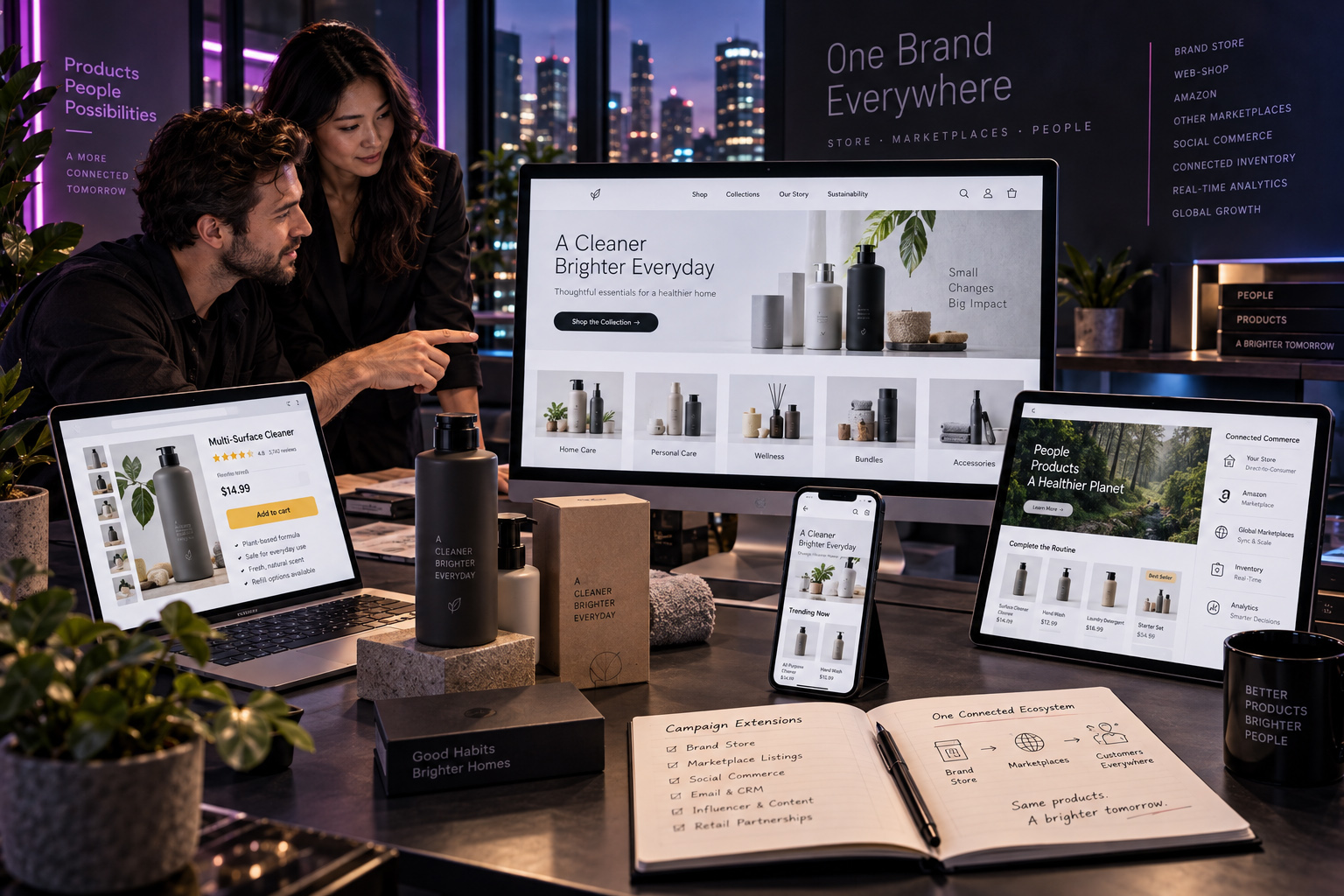
E-commerce team reviewing a connected brand commerce ecosystem across desktop website, marketplace product page, mobile store, tablet commerce interface, physical packaging, and cross-channel campaign extensions.

CONNECTED COMMERCE · BRAND STORE · WEB-SHOP · CROSS-CHANNEL PRODUCT EXPERIENCE

A Strong E-Commerce System Keeps The Brand Recognizable Wherever The Customer Chooses To Buy.

A customer may discover a product on Amazon, explore the wider range through a Brand Store, compare alternatives in a Web-Shop, return later through mobile, encounter the same offer in a campaign, or purchase through an entirely different marketplace. The channel may change, but the customer should never feel that the product has entered a different brand world every time the buying environment changes.

That continuity depends on more than repeating the same colours or product images. Product families, category structure, visual hierarchy, imagery, offer presentation, campaign language, navigation logic, bundle relationships, supporting assets, and promotional communication all need enough shared logic to remain recognisable across platforms with very different technical rules. The objective is not to force every channel into one layout—it is to preserve the commercial identity strongly enough that each environment can adapt without fragmenting the brand or confusing the customer.

When those touchpoints reinforce one another, the E-Commerce system becomes easier to expand and significantly harder to dilute. New products, bundles, categories, markets, and campaign extensions can enter the ecosystem without rebuilding the visual and commercial language from zero. The brand stops operating as a collection of separate storefronts and begins functioning as one connected buying experience—capable of carrying recognition, clarity, confidence, and product continuity wherever the customer decides to continue the journey.

WHEN BRAND STORES, WEB-SHOPS, MARKETPLACE LISTINGS, CAMPAIGNS, PRODUCT FAMILIES, AND DIGITAL TOUCHPOINTS ARE CONNECTED THROUGH ONE CLEAR COMMERCIAL LOGIC,
E-COMMERCE STOPS BEING A COLLECTION OF SEPARATE SALES CHANNELS AND BECOMES A CONNECTED BRAND ECOSYSTEM—BUILT TO PRESERVE RECOGNITION, PRODUCT CONTINUITY, AND CUSTOMER CONFIDENCE AS THE BUSINESS EXPANDS ACROSS NEW PLATFORMS, NEW MARKETS, AND NEW BUYING ENVIRONMENTS.

COMPLETE AMAZON & E-COMMERCE DESIGN

Professional Amazon & E-Commerce Design Systems

FROM PRODUCT POSITIONING, LISTING ARCHITECTURE, AND A+ CONTENT TO PHOTOGRAPHY, 3D VISUALIZATION, BRAND STORES, AND MULTI-MARKET COMMERCIAL ASSETS.

NF Creative Studio develops professional Amazon & E-Commerce Design Systems for new products, established brands, growing portfolios, and businesses that need stronger commercial presentation across marketplace and direct-to-consumer environments.

Every engagement is shaped around the actual product, category, audience, existing brand assets, competitive context, platform requirements, available evidence, production needs, and the questions customers must resolve before they can evaluate the offer confidently.

Our role may range from a focused Amazon listing or A+ Content system to complete product communication combining Packaging, Product Photography, 3D Visualization, Amazon Brand Stores, Web-Shop Presentation, Launch Assets, Localization, and scalable multi-SKU design systems within one coordinated commercial direction.

“We Build Commercial Product Systems That Make Value Easier To See, Understand, Trust, And Choose.”

FOUR PRINCIPLES

The four principles establish how we think about the work; the core solutions define how that thinking becomes a practical commercial system. Each capability is selected according to what the product needs customers to understand, what the marketplace requires, which assets already exist, and where stronger visual or informational structure can improve the buying experience. That means the scope is never expanded simply to add more deliverables. Every listing image, content module, product visual, photography requirement, 3D asset, Brand Store element, or localized adaptation is introduced because it serves a defined commercial purpose and strengthens the way the product is positioned, explained, evaluated, and recognized across the environments where buying decisions take place.

Rather than treating listings, A+ Content, photography, 3D, Brand Stores, localization, and supporting E-Commerce assets as separate creative tasks, we connect them around one approved product direction so that every deliverable contributes to the same communication logic. This creates a more controlled relationship between product value, visual evidence, content hierarchy, brand consistency, marketplace requirements, and future scalability, helping individual assets work together instead of competing for attention. The result is a commercial system built to support clarity, credibility, consistency, stronger product understanding, and long-term marketplace readiness across products, channels, campaigns, and future brand extensions.

OUR CORE AMAZON & E-COMMERCE SOLUTIONS

The core marketplace system defines how the product is positioned, presented, understood, and maintained across its primary digital sales environments. But not every commercial challenge ends with the listing, A+ Content, Brand Store, or product page itself. When packaging, brand identity, launch communication, content structure, pre-launch visualization, or cross-channel adaptation directly influence the quality and consistency of the marketplace presence, those disciplines can be brought into the same engagement instead of being treated as disconnected external tasks. The scope expands only where additional expertise strengthens the product system and supports a more coherent commercial outcome.

ADDITIONAL PROFESSIONAL SERVICES

The approved engagement may extend beyond the core marketplace system when the product requires additional brand, production, launch, or implementation support.

The additional services extend the marketplace system only when they strengthen the product’s broader commercial presence. Whether the project requires packaging refinement, launch communication, pre-production visualization, campaign assets, content development, or cross-channel adaptation, each discipline is introduced with a defined purpose and connected back to the same product strategy. The goal is not to add more services around the project, but to coordinate the right expertise wherever it improves clarity, consistency, credibility, and the quality of the complete E-Commerce experience.

WHY CHOOSE INFINITY DESIGN STUDIO

We approach Amazon & E-Commerce as a connected product communication discipline, not a collection of decorative listing graphics. By combining strategic thinking, brand design, product photography, 3D visualization, packaging knowledge, content hierarchy, and marketplace-aware execution, we can solve the parts of commercial presentation that genuinely benefit from multidisciplinary coordination. We also maintain a clear professional boundary between design quality and unsupported performance claims: our work can strengthen product clarity, credibility, differentiation, consistency, decision support, and marketplace readiness, while sales, ranking, conversion, revenue, reviews, advertising performance, inventory, fulfillment, pricing, and market demand remain influenced by factors beyond design alone.

OUR DELIVERY STANDARD

Every approved engagement is developed according to the actual product, platform, complexity, production requirements, and intended use rather than a generic marketplace template.

A strong delivery standard is not only about how final files are exported. It defines how decisions, responsibilities, approvals, product information, platform requirements, revisions, rights, and future scalability are managed throughout the engagement so that quality is protected from the first approved direction to final handover. Clear delivery standards also reduce ambiguity between the studio, client, and any external specialists involved in implementation by establishing what has been approved, what still requires confirmation, which assets belong to the agreed scope, and how final materials should be prepared for their intended commercial use. This creates greater control over the transition from creative development to real marketplace application and helps prevent avoidable inconsistencies from appearing at the final stage of the project.

The objective is to leave the client with more than visually resolved assets. Final delivery should provide a professionally organized commercial system with clear logic, reliable documentation, controlled implementation conditions, and a stronger foundation for future products, markets, campaigns, and E-Commerce growth. Organized files, consistent naming, appropriate formats, approved visual principles, defined usage conditions, and scalable asset structures make it easier for the established system to continue working after the initial engagement is complete. The result is not simply a collection of finished graphics, but a more durable commercial foundation that can support future SKUs, marketplace extensions, localization, campaign development, and continued brand consistency across evolving digital sales environments.

We Do Not Build Isolated Listing Graphics. We Build Connected Commercial Product Systems Around Clear Value, Credible Evidence, And Scalable Marketplace Presence.

FROM PRODUCT DISCOVERY TO MARKETPLACE-READY DELIVERY

Purple shopping cart icon with cursor representing Amazon and e-commerce services

Our Amazon & E-Commerce Design & Production Process

Every Stage Is Structured To Protect Product Clarity, Brand Consistency, Technical Accuracy, And Commercial Readiness Before Final Delivery.

Our Amazon & E-Commerce Design Process connects strategic discovery, product communication, brand evaluation, marketplace requirements, visual production, photography, 3D visualization, content systems, review, and final handover within one coordinated engagement.

The process is designed to reduce avoidable uncertainty before production begins, separate confirmed information from assumptions, establish responsibility clearly, and ensure that the approved creative system remains coherent from first product analysis to final commercial assets.

Not every project requires every production discipline or every stage at the same depth; the workflow is adapted to the approved scope while maintaining the same standard of clarity, accountability, and professional execution.

Initial Consultation & Commercial Fit

We begin by establishing what the product is, where it is sold or intended to launch, what already exists, what is not working, which commercial environments matter, and whether our capabilities match the actual project requirements. This stage is not used to promise predetermined commercial results; it is used to understand the product and determine whether a responsible scope can be defined.

This first stage may establish:

  • product category and commercial context;
  • target audience and intended markets;
  • Amazon and/or wider E-Commerce environments;
  • current listings, Web-Shop, A+ Content, or Brand Store status;
  • number of products, SKUs, variants, or bundles;
  • existing identity and packaging condition;
  • photography, 3D, motion, or content-production needs;
  • known deadlines, launch dates, and dependencies;
  • required internal or external specialists;
  • intended delivery and implementation model.

Proposal, Agreement, 50% Advance Payment & Project Activation

After the consultation, we define the approved scope, deliverables, responsibilities, revision structure, production schedule, technical assumptions, exclusions, and commercial terms in writing. A signed agreement and 50% advance payment formally activate the engagement, reserve the required production capacity, and allow the approved discovery and production process to begin. Any development, advertising management, Seller Central administration, translation, regulatory review, specialist copy, external production, licensing, hosting, printing, or other work outside the agreed scope is identified separately rather than silently absorbed into the project.

Document and search icon representing case review, research, analysis, and project evaluation.

Product, Brand & Marketplace Intake

We collect and organize the reliable source material required to understand the product and prepare the commercial system. The objective is to identify what is approved, what is missing, what requires verification, and which assets can be reused before design or production effort is committed.

Material may include:

  • brand guidelines and identity assets;
  • packaging artwork and dielines;
  • product specifications and dimensions;
  • approved benefits and claims;
  • certifications and regulatory information;
  • existing listings and A+ Content;
  • Brand Store or Web-Shop references;
  • current product photography;
  • CAD, 3D, technical, or manufacturing files;
  • SKU and variant architecture;
  • audience and market information;
  • competitor or category references;
  • target languages and regional marketplaces;
  • launch dates and campaign requirements;
  • platform specifications and client-provided implementation constraints.
Quotation marks icon representing testimonials, client feedback, statements, and highlighted quotes.

Product Positioning & Buyer Communication Architecture

Before visual production is pushed too far, we establish what the product needs customers to understand, in what order, and with what level of evidence. This stage turns product information into a communication framework rather than immediately converting every available feature into graphics.

The framework may define:

  • primary value proposition;
  • product positioning;
  • audience relevance;
  • feature-to-benefit translation;
  • buyer questions and decision priorities;
  • information hierarchy;
  • comparison logic;
  • differentiators;
  • product-family relationships;
  • required evidence;
  • approved claims;
  • content sequencing;
  • category expectations;
  • marketplace-specific communication priorities.


The result is a clearer commercial foundation that connects the product, audience, category, and marketplace before visual complexity is introduced.

Creative Direction & Production Planning

Once the communication architecture is clear, we define how the product should be presented and which production methods are actually required. Photography is not automatically used where 3D is more appropriate, 3D is not added where professional photography communicates the product more credibly, and neither is produced without understanding where the resulting assets will be used.

Depending on scope, this stage may establish:

  • visual direction and product character;
  • listing image architecture;
  • A+ Content direction;
  • Brand Store visual principles;
  • photography shot requirements;
  • lifestyle or contextual imagery needs;
  • 3D rendering requirements;
  • material and finish references;
  • animation or 360° requirements;
  • comparison and infographic systems;
  • Web-Shop asset requirements;
  • campaign formats;
  • localization logic;
  • cross-channel output planning.

Photography, 3D & Commercial Asset Production

Where production is included, approved visual assets are created according to the defined communication and usage requirements. The objective is not simply to generate attractive imagery, but to produce the visual evidence, context, detail, product understanding, and brand consistency required by the approved marketplace system.

Production may include:

  • studio product photography;
  • packaging photography;
  • detail and material imagery;
  • product-range photography;
  • lifestyle or contextual scenes;
  • professional retouching;
  • compositing;
  • photorealistic 3D rendering;
  • product and packaging visualization;
  • 360° or multi-angle presentation;
  • exploded or functional visualization;
  • product animation;
  • pre-launch digital assets;
  • variant and SKU visualization.


Physical-product accuracy, dimensions, materials, artwork, technical behavior, and other factual characteristics remain dependent on reliable approved source information.

Marketplace Design System Development

Approved strategy and production assets are assembled into the actual commercial communication system. Each format is developed according to its purpose rather than being treated as a resized version of one master graphic.

Depending on scope, this may include:

  • Amazon main and secondary listing images;
  • product-benefit graphics;
  • feature and usage communication;
  • comparison structures;
  • A+ Content modules;
  • enhanced brand storytelling;
  • Amazon Brand Store environments;
  • product-family presentation;
  • Web-Shop product-page assets;
  • category visuals;
  • launch communication;
  • promotional formats;
  • campaign extensions;
  • cross-channel commercial assets;
  • regional or language adaptations.


The objective is one recognizable commercial system with multiple purposeful applications, not a collection of disconnected visuals.

Client Review, Refinement & Scope Control

Approved work is reviewed against the product strategy, communication hierarchy, visual direction, and agreed deliverables. Client feedback is consolidated so that revisions strengthen the approved direction rather than introducing contradictory decisions across separate assets. Included revisions refine agreed work; new products, additional SKUs, new marketplaces, additional languages, new photography or 3D requirements, extra modules, new campaign formats, major direction changes, or previously unapproved deliverables are assessed as Change Of Scope, not standard revisions.

Marketplace QA, Information Verification & Final Approval

Before final release, the approved system is reviewed for consistency, completeness, technical preparation, and delivery readiness. We verify the elements that fall within our professional responsibility while client-controlled product facts and regulated information remain subject to client or specialist approval.

Final review may include:

  • visual-system consistency;
  • listing sequence consistency;
  • content hierarchy;
  • product and variant naming;
  • image resolution and export quality;
  • approved dimensions and formats;
  • packaging-artwork consistency;
  • cross-SKU visual alignment;
  • localization placement;
  • file naming and organization;
  • agreed design documentation;
  • production readiness.


Product claims, ingredients, certifications, regulatory wording, legal statements, technical specifications, warranties, marketplace eligibility, and other factual or regulated information must receive appropriate approval before publication.

Final Approval, 50% Balance & Professional Handover

After final approval, the remaining 50% balance is settled before release of the final approved deliverables according to the project agreement. The handover may include production-ready image assets, marketplace graphics, A+ Content exports, Brand Store assets, photography, approved 3D renders, animation outputs, localized variants, Web-Shop materials, organized source files where included, and any agreed implementation notes or documentation. Where Seller Central uploading, Web-Shop implementation, campaign deployment, or another publishing activity is not explicitly part of the engagement, the approved assets are handed over for implementation by the client or relevant specialist rather than presenting platform administration as automatically included.

Ongoing E-Commerce Support & Commercial System Expansion

A completed marketplace project can continue evolving when new products, SKUs, campaigns, markets, languages, seasonal promotions, Brand Store updates, A+ Content extensions, photography, 3D assets, or Web-Shop requirements emerge. Ongoing work is commissioned through a separately defined engagement or retainer according to expected volume, response requirements, production needs, and long-term commercial priorities; completion of the original project does not imply unlimited maintenance or indefinite support.

From First Product Question To Final Marketplace System, Every Stage Is Built To Protect Clarity, Credibility, Consistency, And The Quality Of The Commercial Experience.


E-commerce team preparing a multi-product portfolio for international marketplace launch with localized packaging, marketplace assets, product imagery, A+ Content, specifications, localization, export files, and final quality assurance.

DELIVERY READINESS · MULTI-SKU SYSTEMS · LOCALIZATION · MULTI-MARKET DEPLOYMENT

A Commercial System Is Ready To Scale When Growth Expands Reach Without Sacrificing Control.

E-Commerce growth rarely expands in only one direction. One successful product can become multiple SKUs, sizes, colours, bundles, packaging variants, localized editions, regional offers, and marketplace-specific executions—each introducing another layer of naming, imagery, specification, compliance, and delivery responsibility. Growth becomes dangerous when the commercial system expands faster than the structure required to keep every product, asset, and market accurate.

That structure has to be designed deliberately. Product families need clear organization, approved imagery must remain traceable, packaging and technical specifications have to stay aligned, localized content must preserve meaning rather than merely translate words, and every marketplace-ready asset must arrive in the correct format, hierarchy, and version. The challenge is not simply producing more files—it is maintaining one reliable source of commercial truth while the number of outputs continues to multiply.

When that control is established, expansion becomes considerably easier to manage. New markets can inherit an existing asset architecture, additional variants can enter without disrupting the product family, and teams can launch with greater confidence because the system already defines what must remain consistent and what must adapt. The commercial operation stops scaling through repeated reconstruction and begins scaling through a controlled infrastructure—one capable of carrying the same brand clarity, product accuracy, and marketplace readiness from one successful launch to the next.

WHEN PRODUCTS, ASSETS, SPECIFICATIONS, LOCALIZATION, PACKAGING, AND MARKETPLACE REQUIREMENTS ARE ORGANIZED AS ONE CONTROLLED DELIVERY SYSTEM,
E-COMMERCE GROWTH STOPS DEPENDING ON REBUILDING THE SAME COMMUNICATION FOR EVERY NEW SKU OR MARKET AND BECOMES A SCALABLE COMMERCIAL INFRASTRUCTURE—BUILT TO PROTECT ACCURACY, BRAND CONSISTENCY, LAUNCH READINESS, AND PRODUCT CLARITY AS THE BUSINESS EXPANDS ACROSS MORE VARIANTS, MORE CHANNELS, AND MORE MARKETS.

FROM MARKETPLACE STRUCTURE TO LASTING COMMERCIAL VALUE

A STRONG PRODUCT PRESENCE BECOMES MORE VALUABLE WHEN EVERY COMMERCIAL TOUCHPOINT WORKS AS ONE

THE STRONGEST E-COMMERCE SYSTEMS DO MORE THAN PRESENT PRODUCTS. THEY CREATE CLARITY, CONSISTENCY, AND RECOGNIZABLE COMMERCIAL LOGIC ACROSS EVERY PLACE THE BRAND IS SEEN.

A serious Amazon & E-Commerce Design system is built gradually—through clear product positioning, deliberate information hierarchy, credible visual evidence, consistent brand presentation, purposeful listing architecture, and production assets developed around real commercial requirements.

Amazon Listings, A+ Content, Product Photography, 3D Visualization, Brand Stores, Web-Shop presentation, launch assets, and localized marketplace communication become significantly more valuable when they are not treated as separate deliverables, but as connected expressions of the same product strategy. This is where marketplace design moves beyond individual graphics.

A well-structured commercial system gives future SKUs, product variants, campaigns, markets, and sales channels a clearer foundation to build from while protecting the visual consistency and communication logic already established. For the brand, that means less fragmentation as the portfolio grows, stronger continuity between packaging and digital presentation, and a more controlled way to extend approved creative assets into new commercial environments.

For the customer, the benefit is equally practical: important information becomes easier to find, product differences become easier to recognize, visual evidence feels more coherent, and the complete offer becomes easier to evaluate with confidence. The lasting value of professional Amazon & E-Commerce Design therefore does not end with the final listing image or approved Brand Store. It remains in the system behind those assets—the positioning logic, visual language, content hierarchy, production quality, and scalable structure that can continue supporting the product long after the initial engagement is complete.

THE PROJECT MAY END WITH FINAL HANDOVER. THE COMMERCIAL SYSTEM IT ESTABLISHES CAN CONTINUE TO SUPPORT PRODUCT CLARITY, BRAND CONSISTENCY, MARKETPLACE EXPANSION, AND LONG-TERM E-COMMERCE VALUE.

Professional Amazon and e-commerce product content workspace showing bottle packaging, camera setup, product photography, marketplace visuals, and digital performance analytics on screen.

BRING PRODUCT POSITIONING, MARKETPLACE CLARITY, AND COMMERCIAL DIRECTION INTO ONE CONNECTED SYSTEM

Bring Your Amazon & E-Commerce Product Into Sharper Commercial Focus — With The Positioning, Marketplace Clarity, And Visual Discipline Needed To Be Understood, Trusted, And Chosen.

Whether the brief involves an Amazon Listing, A+ Content System, Brand Store, Product Launch, Packaging Redesign, E-Commerce Presentation, Marketplace Expansion, or a broader Commercial Visual System, NF Creative Studio structures the engagement around the real conditions that will influence the buying decision—product positioning, customer expectations, category behavior, competitive pressure, benefit hierarchy, supporting evidence, visual consistency, platform requirements, and the commercial context in which the offer must perform.

Every engagement is developed to protect the relationship between product value and customer understanding. The objective is to make each important commercial decision progressively clearer—so that differentiation becomes easier to recognize, benefits are easier to evaluate, supporting proof strengthens credibility, marketplace presentation remains consistent, and the product can expand across new listings, variants, campaigns, markets, and sales channels without losing the clarity and recognition that make the offer worth choosing.

LET’S MOVE THE PRODUCT FORWARD WITHOUT LOSING THE CLARITY, CREDIBILITY, AND COMMERCIAL LOGIC THAT MAKE IT WORTH CHOOSING.

Trusted By Leading Brands

What Our Clients Say About Us?

Trusted by global brands and visionary entrepreneurs — hear what they say about working with Infinity Design Studio.

Tell Us What You’re Building.

Share what you already know—what you are creating, changing, improving, launching, or trying to solve. We’ll use that context to understand the project and determine the right next step.

You do not need a perfect brief to begin. Clear context is enough.

We’ll Review Your Enquiry And Get Back To You Within 24 Hours.

Personal Information
Start with the essentials so we know who we’re speaking with and how to reach you. The project itself becomes clearer in the next steps.
Project Details
Tell us what you’re working on, what needs to change, and what outcome you want the project to support. A perfect brief is not required—clear context is enough to begin.
Budget & Timeline
Share the investment range and timeline you currently have in mind. These details help us understand the scale, priorities, and most appropriate way to structure the engagement.
Final Note
Add anything that would help us understand the project more clearly—important context, existing links, constraints, collaborators, references, or questions you would like us to consider before we respond.

AMAZON & E-COMMERCE DESIGN PACKAGES · DEFINED SCOPE · MULTIDISCIPLINARY COMMERCIAL SYSTEMS

Amazon & E-Commerce Packages Built Around Your Product, Marketplace, And Commercial Scope

Purple shopping cart icon with cursor representing Amazon and e-commerce services

One Commercial Discipline.
Multiple Levels Of Marketplace Depth.
An Amazon & E-Commerce Design Service Built Around What Your Product Actually Requires.

FROM FOCUSED AMAZON LISTINGS AND A+ CONTENT TO PRODUCT PHOTOGRAPHY, 3D VISUALIZATION, BRAND STORES, MULTI-SKU SYSTEMS, AND MULTI-MARKET E-COMMERCE ASSETS.

Every Amazon & E-Commerce project requires a different level of marketplace strategy, product communication, visual production, listing architecture, photography, 3D visualization, Brand Store development, localization, and commercial asset preparation.

A single-product listing built from approved existing materials is fundamentally different from a multi-SKU launch requiring new photography, photorealistic 3D assets, A+ Content, Brand Store systems, packaging alignment, multiple languages, and coordinated campaign materials.

Infinity Design Studio structures each package around the product’s real requirements: number of products and variants, existing brand assets, marketplace environments, production complexity, content depth, required visual evidence, regional adaptations, revision scope, technical dependencies, and intended delivery model.

From focused marketplace support to complete commercial product systems, every engagement combines strategic clarity, brand consistency, controlled scope, professional production, and implementation-ready delivery without forcing a smaller assignment into unnecessary complexity or reducing a sophisticated launch to disconnected graphics.

Each package follows the same professional principle: clearly defined deliverables, transparent production responsibilities, structured revisions, explicit scope boundaries, approved source information, and final assets prepared for the commercial environments included in the engagement.

THE PRODUCT MAY EXPAND.
THE STANDARD OF CLARITY, CREDIBILITY, CONSISTENCY, AND PROFESSIONAL COMMERCIAL DELIVERY REMAINS CONSTANT.

Magnifying glass highlighting a euro symbol on a purple pricing document.

One Amazon & E-Commerce Pricing Hub.
Multiple Levels Of Product Scope, Production Depth, Marketplace Support, And Investment.
Professional Pricing Built Around What Your Product Actually Requires.

One Amazon & E-Commerce Pricing Hub. Multiple Levels Of Marketplace Scope. One Consistent Standard Of Product Clarity, Commercial Discipline, Professional Delivery, And Scope Transparency.

START PREMIUM

“A Strong Professional Foundation For Online Sales.”

2,200 EUR / Project

Who this package is for:

Brands seeking a secure and professional start on Amazon or other E-Commerce Platforms. Ideal for new products, smaller businesses, and start-ups.

Includes:

Key Benefits:

Enables brands to enter the market with a polished and well-defined Product Presentation.

Why this investment pays off:

Saves time and delivers maximum visual impact without hiring additional agencies.

Ideal for:

Start-ups and small brands wanting to look professional from day one.

Start your online sales journey with a professional presence.

→ Request your quote and begin your digital success!

GROWTH PREMIUM

“Optimization That Sells – More Views, More Conversions.”

3,800 EUR / Project

Who this package is for:

Brands ready to increase sales and Conversion Rates through upgraded visuals and optimized Amazon Listings.

Includes:

Key Benefits:

Boosts Conversion Rates and strengthens Brand Credibility.

Why this investment pays off:

Combines visual and textual optimization in one unified Sales System.

Ideal for:

Growing brands that already sell online and want to scale further.

Double your sales through smart design.

→ Choose this package and elevate your listings!

BRAND SYSTEM PACK

“Consistency Across Your Entire Portfolio – Brand Strength On Every Product.”

5,600 EUR / Project

Who this package is for:

Companies developing multiple products that want unified visual and communication standards.

Includes:

Key Benefits:

Builds a cohesive and recognizable Brand Identity across all product lines.

Why this investment pays off:

One investment connects your entire assortment under a consistent Brand System.

Ideal for:

Companies with several products or Private Label Brands.

Don’t just sell products — build a brand.

→ Invest in a system that delivers measurable results!

COMPLETE PRODUCT LAUNCH

“From Idea To Market – Everything You Need For A Successful Launch.”

7,800 EUR / Project

Who this package is for:

Brands launching a new product or product line that need complete visual support — from design to promotion.

Includes:

Key Benefits:

Covers the entire Product Launch Process — from concept to final sale.

Why this investment pays off:

Reduces the need for multiple teams and saves months of preparation.

Ideal for:

Brands that want a strong debut and maximum visibility.

Your product deserves a dream launch.

→ Start your sales with a wow-effect from day one!

SIGNATURE E-COMMERCE PRESENCE

“Visual Dominance And A Brand That Conquers Markets.”

10,900 EUR / Project

Who this package is for:

Established brands seeking complete control and strategy across all channels — Amazon, Web-Shop, and Social Media.

Includes:

Key Benefits:

Delivers a consistent, recognizable, and premium Brand Presence across all platforms.

Why this investment pays off:

One comprehensive solution replaces the need for multiple agencies.

Ideal for:

Large brands and companies with international reach.

Create a brand that conquers the world.

→ Invest in recognition without compromise!

CUSTOM ENTERPRISE ENGAGEMENT

“Tailored To Your Vision, Scope, And Commercial Requirements.”

Price: Upon request

Who this package is for:

Large enterprises and international brands requiring tailored, multi-phase, and complex solutions for Amazon, E-Commerce, and global campaigns.

Includes:

Key Benefits:

Flexible in scope, format, and creative direction—structured around agreed requirements.

Why this investment pays off:

Allows development of complex solutions without compromise in quality or speed.

Ideal for:

Corporate clients, international companies, and long-term partnerships.

Never settle for templates.

→ Contact us and create a solution that exists only in your vision.

Subscribe to Our Newsletter

Selected studio updates, new work, editorial perspectives, and professional insights — delivered when there is something worth sharing.

Occasional updates from Infinity Design Studio × NF Creative Studio. You can request removal at any time.
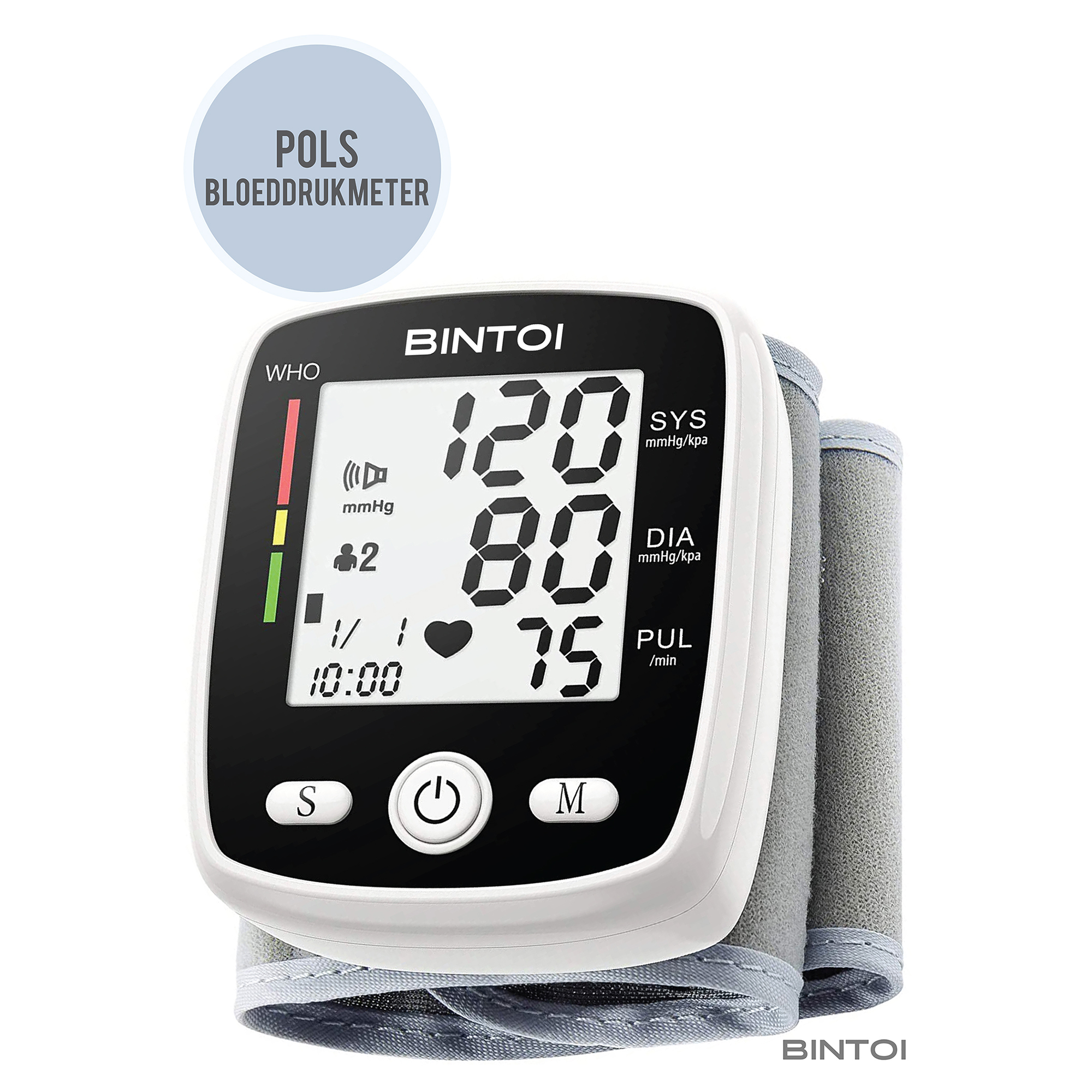
Schedule a Call

Tell us a little about your project, what you would like to discuss, and when you would prefer to connect.

We’ll review your request and follow up to confirm a suitable time.