

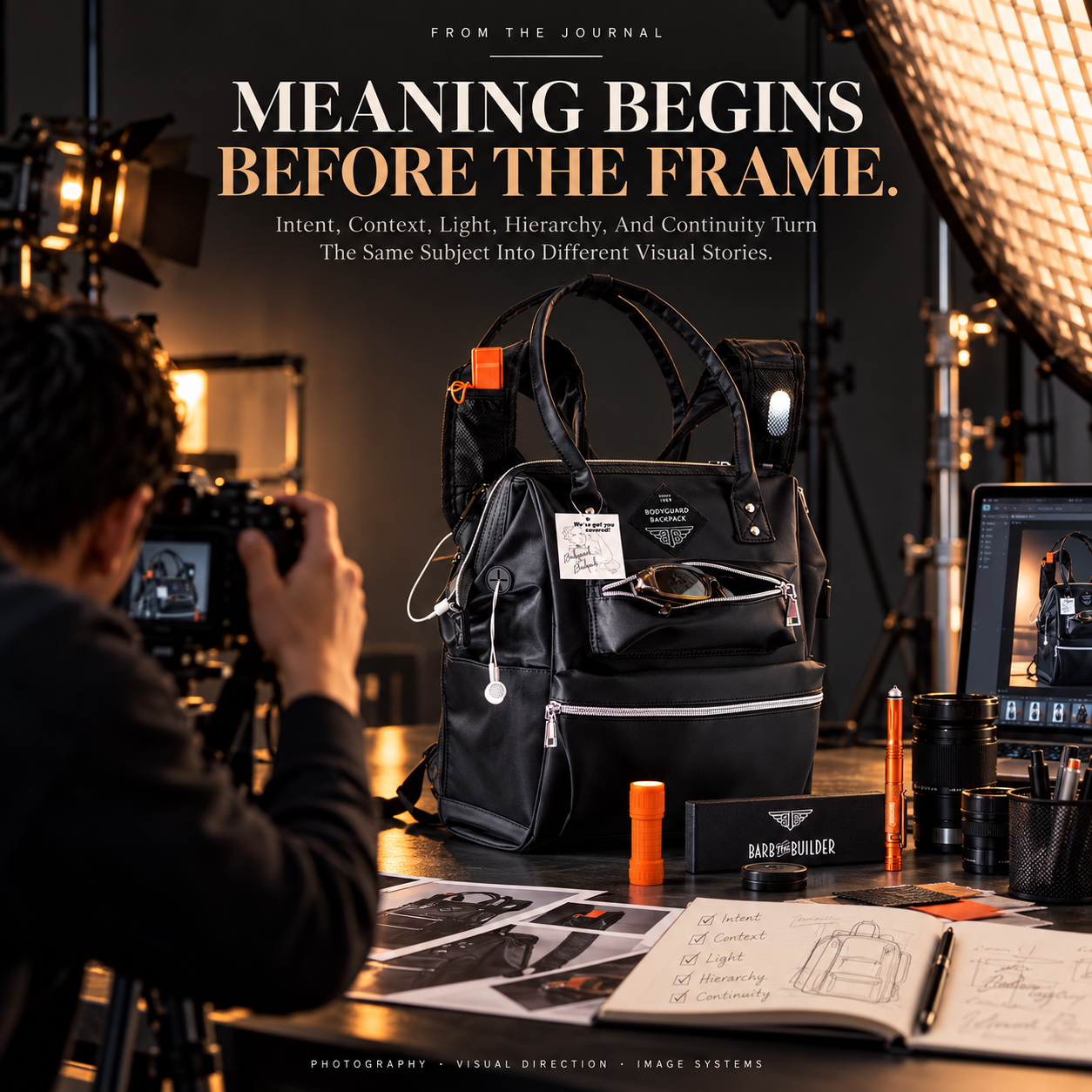
FROM SUBJECT APPEARANCE TO VISUAL UNDERSTANDING
Professional Photography Becomes Valuable When It Reveals What The Subject Means — Not Only What It Looks Like.
Strong Photography is not defined by how attractive a frame appears. It is defined by how clearly the image helps the viewer understand the subject, its purpose, and the story surrounding it.
A subject can be photographed beautifully and still communicate very little.
The same object can appear premium, technical, personal, practical, or purely decorative depending on what the photographer chooses to reveal.
Purpose changes selection. Context changes meaning. Light changes perception. Composition changes emphasis. Timing changes energy. Continuity changes whether one image stands alone or becomes part of a larger visual system.
In each case, the value of professional photography comes from making visual information easier to read.
That is why professional photography becomes a decision-making discipline before it becomes a capture discipline.
It is not enough for an image to be polished.
It must also be clear about what the viewer is meant to understand.
The objective is not to make every photograph dramatic.
It is to make every photograph useful.
THE STRONGEST PHOTOGRAPHY DOES NOT SIMPLY SHOW THE SUBJECT MORE BEAUTIFULLY.
THE RIGHT MEANING EASIER TO SEE, UNDERSTAND, AND REMEMBER.
FROM INDIVIDUAL IMAGES TO ONE VISUAL COMMUNICATION SYSTEM
What Professional Photography Must Resolve Before The Image Becomes Meaningful
Intent. Context. Light. Hierarchy. Continuity. Editorial Use.
A strong image system is not created by collecting attractive photographs and assigning meaning afterward.
It depends on whether each visual decision contributes to one clearer reading of the subject.
Intent determines what the image must help the viewer understand.
Context connects the subject to use, environment, audience, or situation.
Light shapes mood, material truth, texture, and attention.
Hierarchy decides what is seen first, what supports it, and what remains in memory.
Continuity ensures that separate images work together instead of feeling isolated or random.
These five areas depend on one another.
A polished photograph can still communicate very little if its context is missing. Beautiful light can weaken clarity if it hides what matters. Strong individual frames can lose value when nobody considered how they would function together.
The five sections that follow examine these responsibilities individually:
Intent Before Decoration.
Context Before Isolation.
Light Before Effect.
Hierarchy Before Visual Noise.
Continuity Before Random Variation.
Together, they shift the question away from whether a photograph looks impressive and toward something more useful:
Does this image help the viewer understand the subject, its purpose, its environment, and why this visual story matters?
PROFESSIONAL PHOTOGRAPHY BECOMES STRATEGIC WHEN INTENT, CONTEXT, LIGHT, HIERARCHY, AND CONTINUITY ARE TREATED AS PARTS OF THE SAME COMMUNICATION DECISION.
PHOTOGRAPHY PLANNING — FROM SUBJECT TO INTENTIONAL IMAGE SYSTEM
WHY THIS MODEL MATTERS
The image system begins before the camera is raised.
A professional photography plan connects the subject, communication goal, intended audience, styling logic, lighting direction, framing priorities, and final editorial use before individual images are made.
Viewed separately, those choices may appear aesthetic.
Viewed together, they form the logic that determines what the viewer notices, how the subject will be understood, and why one image should lead naturally to the next.
EDITORIAL MODEL
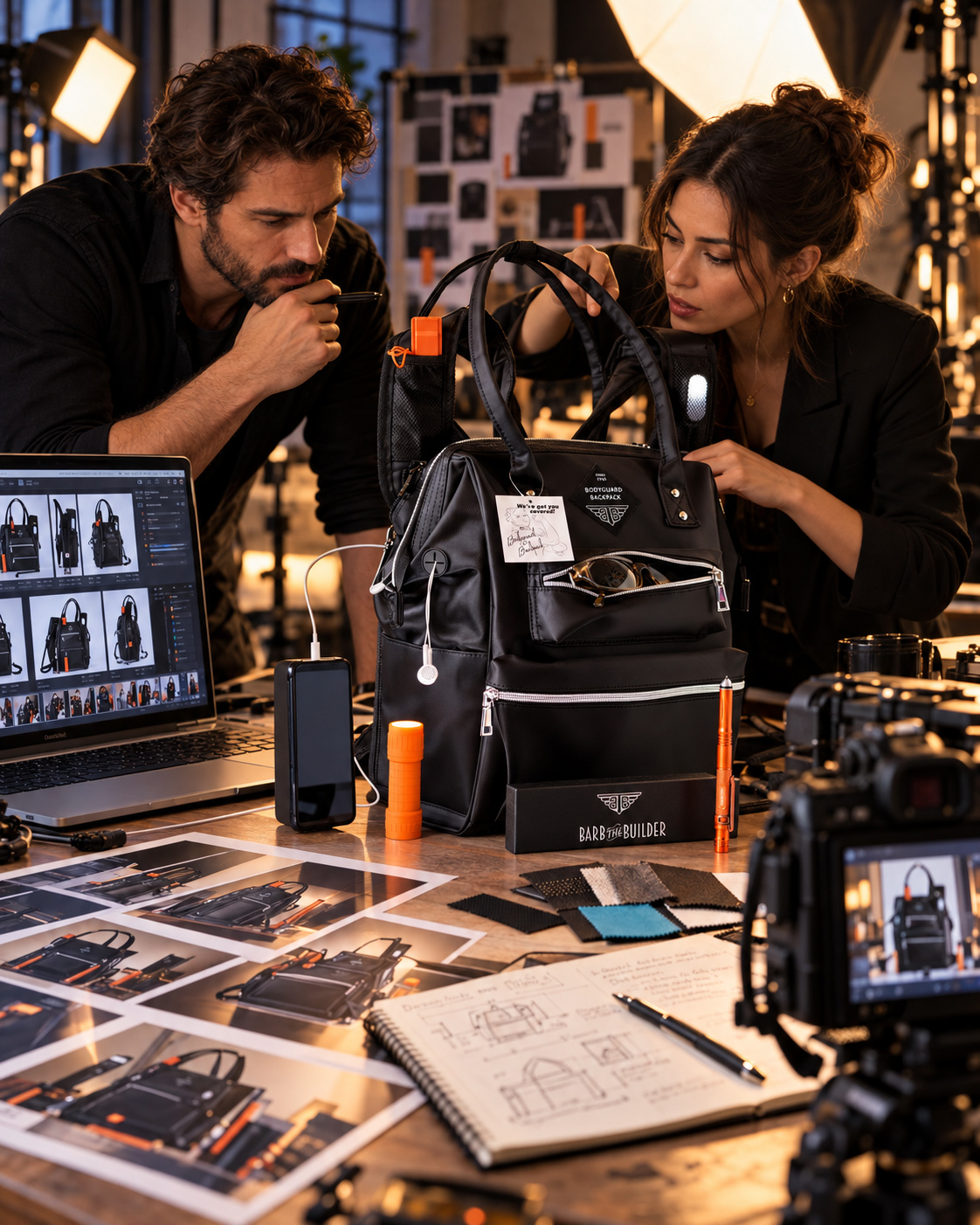
One Subject — Directed Through Intent, Context, Light, Hierarchy, And Continuity.
The visual introduces Professional Photography as a coordinated system of decisions rather than a collection of isolated images—establishing the framework the five sections ahead will examine in greater depth.
01 —
INTENT BEFORE THE FRAME
WHY IT MATTERS
Professional Photography begins by defining what the image must make clear.
A subject can be photographed beautifully in many ways, but not every frame explains the same thing.
Before the shoot begins, the team must establish what matters most, what the viewer should notice first, which relationship should become visible, and what the final image is expected to communicate.
That decision shapes everything that follows.
Light defines emphasis.
Framing controls hierarchy.
Styling influences meaning.
Lens choice changes distance and intimacy.
Timing affects presence, gesture, and energy.
The strongest photograph begins with a simple question:
What should the viewer understand first?
Without that answer, even polished photography can remain visually attractive but strategically unclear.
Intent gives every later photographic decision something to serve.
COMMON FAILURE
WHEN THE CAMERA STARTS SHOOTING BEFORE THE VISUAL PRIORITY IS DEFINED
Photography can quickly produce beautiful material.
Wide frames, close details, styled setups, human interaction, atmospheric moments, and elegant compositions may all look valuable on their own.
The problem begins when they are created without a shared visual priority.
One image may emphasize material.
Another may prioritize context.
Another may focus on use.
Another may chase mood.
Another may suggest identity.
Yet nothing determines which idea matters first, which image should prepare the next, or what the viewer is meant to carry forward.
The result is often more images than meaning.
The subject has been photographed.
But its visual story has not been directed.
WHEN A SUBJECT IS PHOTOGRAPHED FROM MANY ATTRACTIVE ANGLES WITHOUT ESTABLISHING WHAT THE VIEWER SHOULD UNDERSTAND
WHY THIS EXAMPLE MATTERS
Imagine a premium subject photographed across several polished setups.
Studio views, contextual frames, detail shots, hand interaction, and lifestyle scenes may all look strong on their own.
But if the shoot never defines whether the image should communicate form, use, scale, mood, function, or decision-support, the photography begins to compete with itself.
The viewer receives options.
It does not necessarily receive guidance.

WHAT NOT TO DO — CREATE BEAUTIFUL FRAMES FIRST AND DECIDE THEIR PURPOSE LATER
Capturing more polished images does not automatically create a stronger visual story.
When intent remains undefined, light, framing, styling, context, and detail become isolated choices instead of parts of one coherent photographic system.
BETTER
FRAME
DIRECTION
DEFINE THE IMAGE QUESTION BEFORE THE SHOOT
Begin with the communication requirement.
What must become clear?
What should the viewer notice first?
What relationship should the frame explain?
Which detail deserves priority?
What gives the subject context?
What can remain secondary?
A strong photographic system can then follow a deliberate logic:
Intent → Subject → Hierarchy → Light → Framing → Context
The goal is not to reduce creativity, but to make purpose clearer.
It is to give creativity direction, structure, purpose, practical relevance, and a clearer path forward.
PHOTOGRAPHY
STORY
DIRECTION
ONE SUBJECT. DIFFERENT PURPOSES. DIFFERENT IMAGE LOGICS.
The same subject may require completely different photographic decisions depending on what must be communicated.
A product image may need to explain form, material, and construction.
A lifestyle image may need to communicate use, relevance, and belonging.
A detail image may need to direct attention to one important function.
A listing image may need to support clarity, comparison, and purchase confidence.
Professional photography defines light, angle, distance, styling, and subject emphasis around the specific understanding the viewer needs.
The subject may stay the same. The purpose changes the photograph.
WHEN ONE CLEAR VISUAL PRIORITY CONTROLS THE PHOTOGRAPH
WHY THIS EXAMPLE MATTERS
A controlled image system begins with one defined priority and builds outward from it.
A wider frame locates the subject.
A second image clarifies its relationship to context.
A closer frame introduces detail only after the main form is understood.
Human interaction can then add scale, use, or emotional relevance.
The image sequence becomes easier to read because every frame adds information rather than simply presenting another angle.
PRIORITY IN PRACTICE
WHY THIS EXAMPLE MATTERS
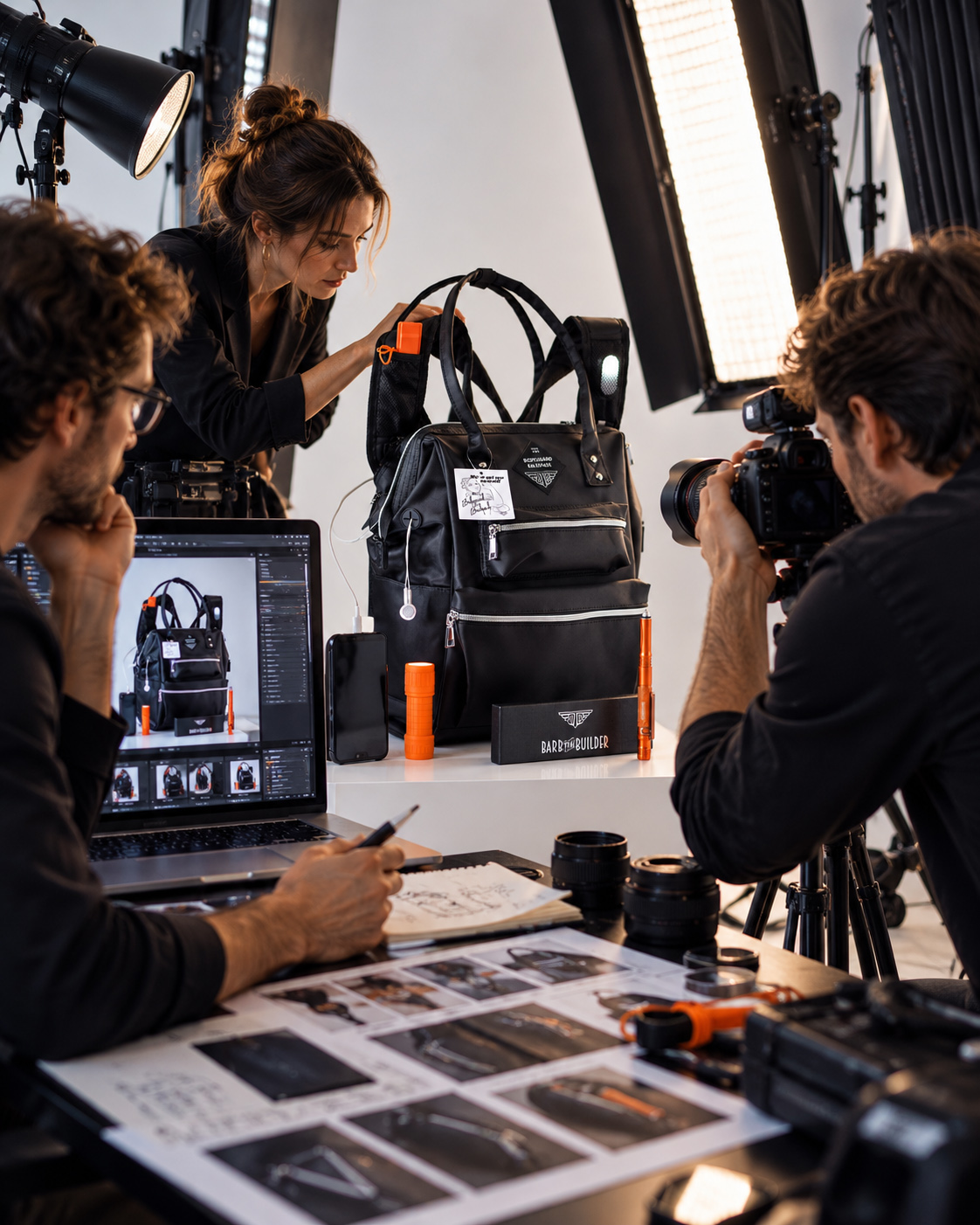
One visual objective gives every production decision a shared direction.
Lighting, camera position, styling, product orientation, detail, and review are coordinated around what the final photograph must make clear.
CONTROLLED IMAGE MODEL
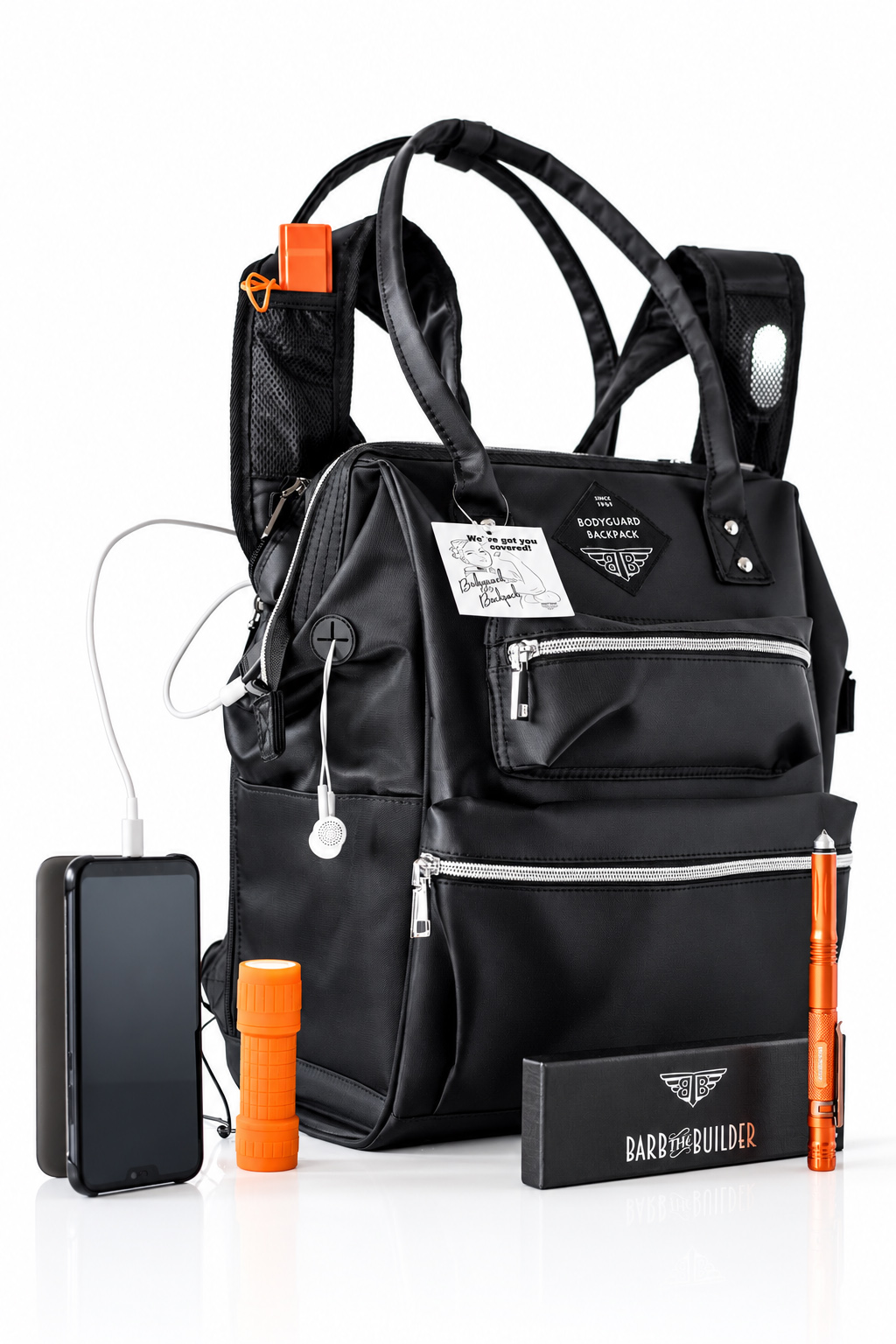
One communication goal translated into subject hierarchy, light, framing, context, and timing.
The strongest photography direction connects each decision to the same visual purpose, allowing separate images to build one coherent visual understanding.
WHEN SEPARATE IMAGES BEGIN TO FUNCTION AS ONE VISUAL STORY
The value of Professional Photography grows when the viewer can understand not only what is visible, but what it means, why this image appears now, and what the next frame adds.
The shoot no longer produces isolated pictures.
It begins to produce a system.
It creates continuity.
It creates orientation.
It creates meaning.
SEQUENCE THINKING
WHY THIS EXAMPLE MATTERS
A visual story is built by deciding what each photograph contributes to the one before and after it.
Selection, variation, detail, context, and image order turn separate successful frames into a photographic system with continuity and purpose.
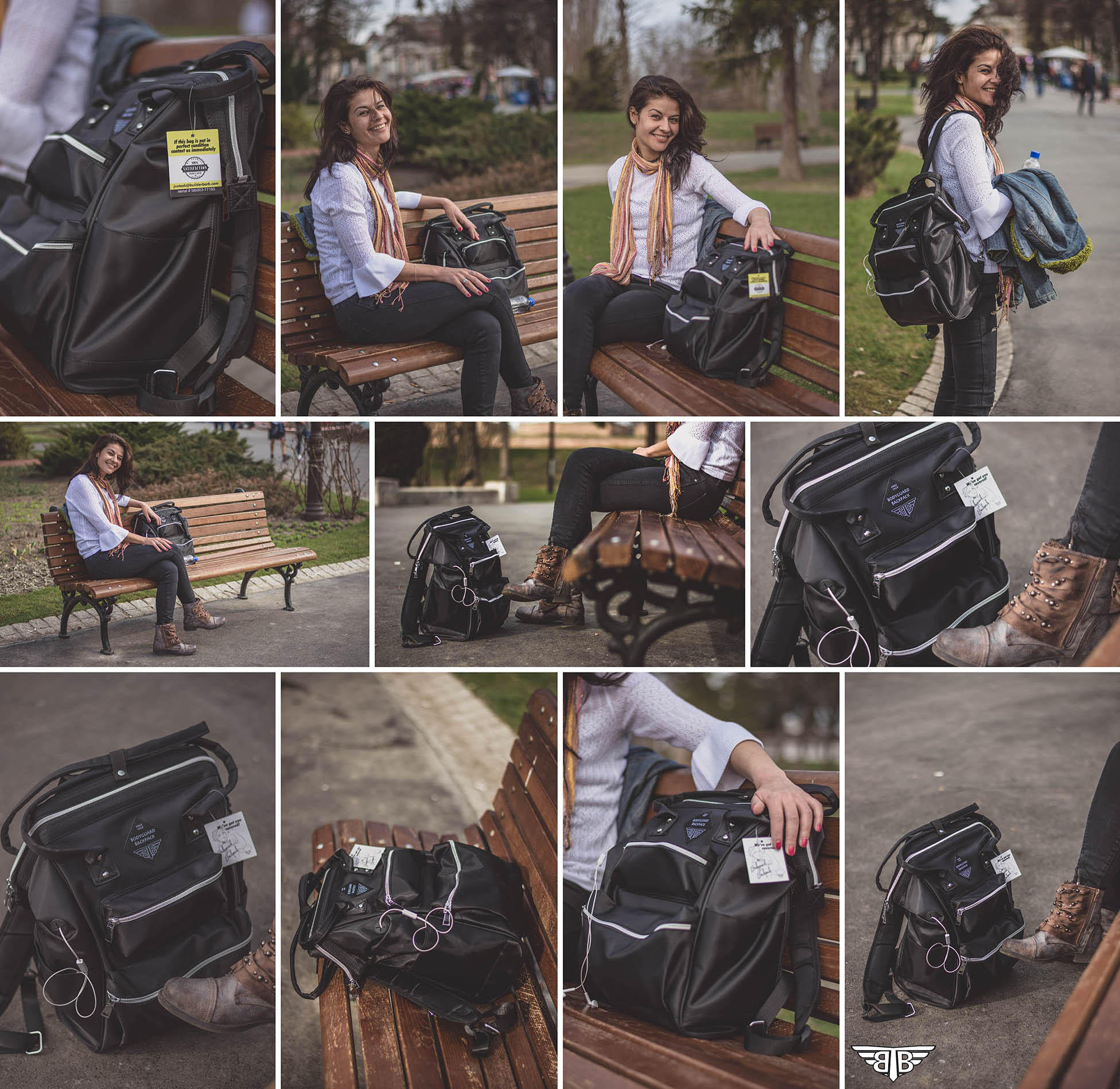
SEQUENCE CLARITY
A strong image sequence reveals the subject in the order the viewer needs to understand it.
Different framings, details, contexts, and tonal shifts become meaningful when each one adds a new layer of clarity without forcing the viewer to reconstruct the story alone.
WHEN ONE SUBJECT MUST ANSWER SEVERAL REAL-WORLD QUESTIONS
WHY THIS EXAMPLE MATTERS
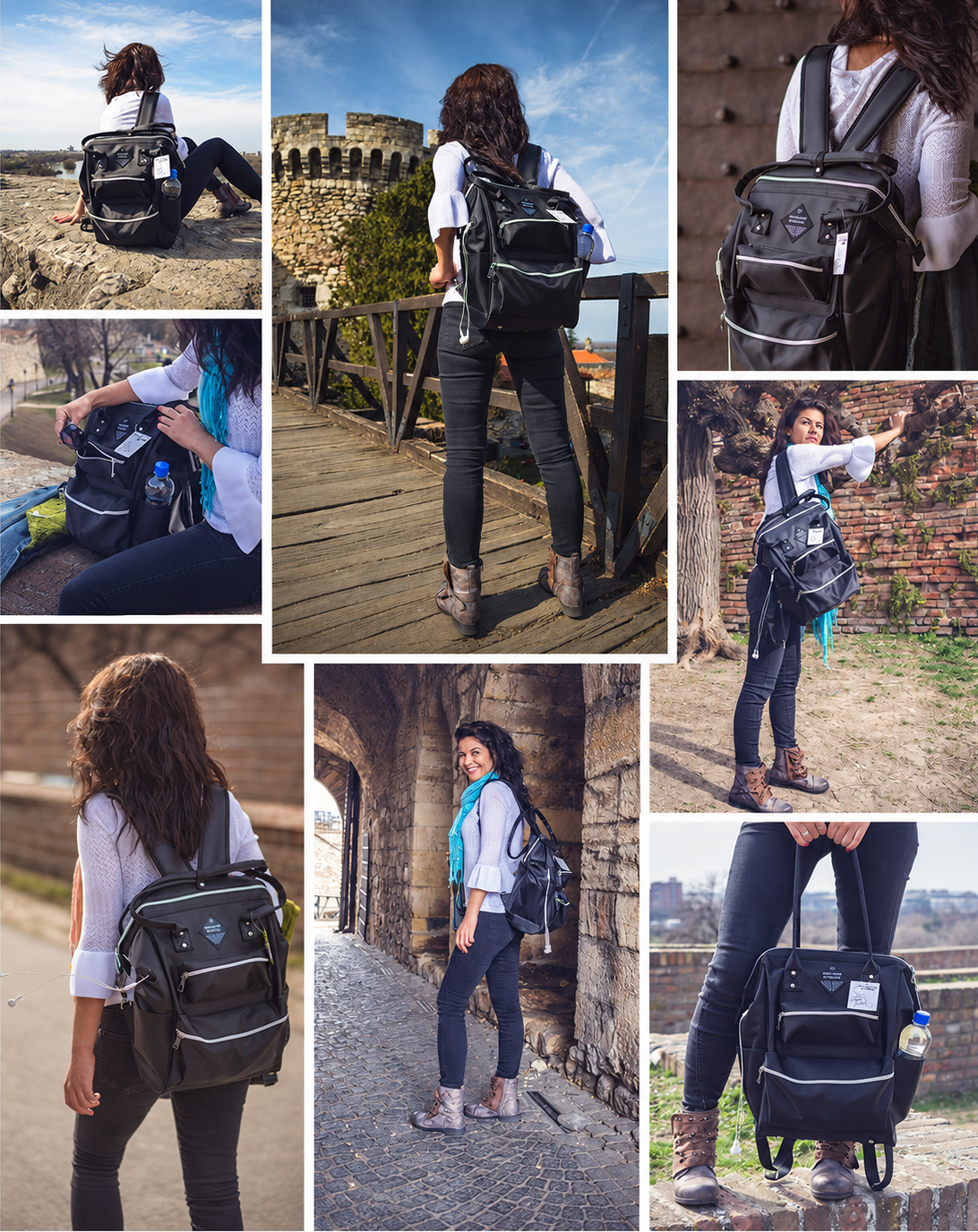
A travel photograph does not only need to show that the product can be carried.
It may need to communicate mobility, access, organization, security, scale, and practical use within the same real-world context.
Different frames therefore perform different jobs.
Together, they allow the viewer to understand how the product belongs in the situation — not simply how it looks inside it.
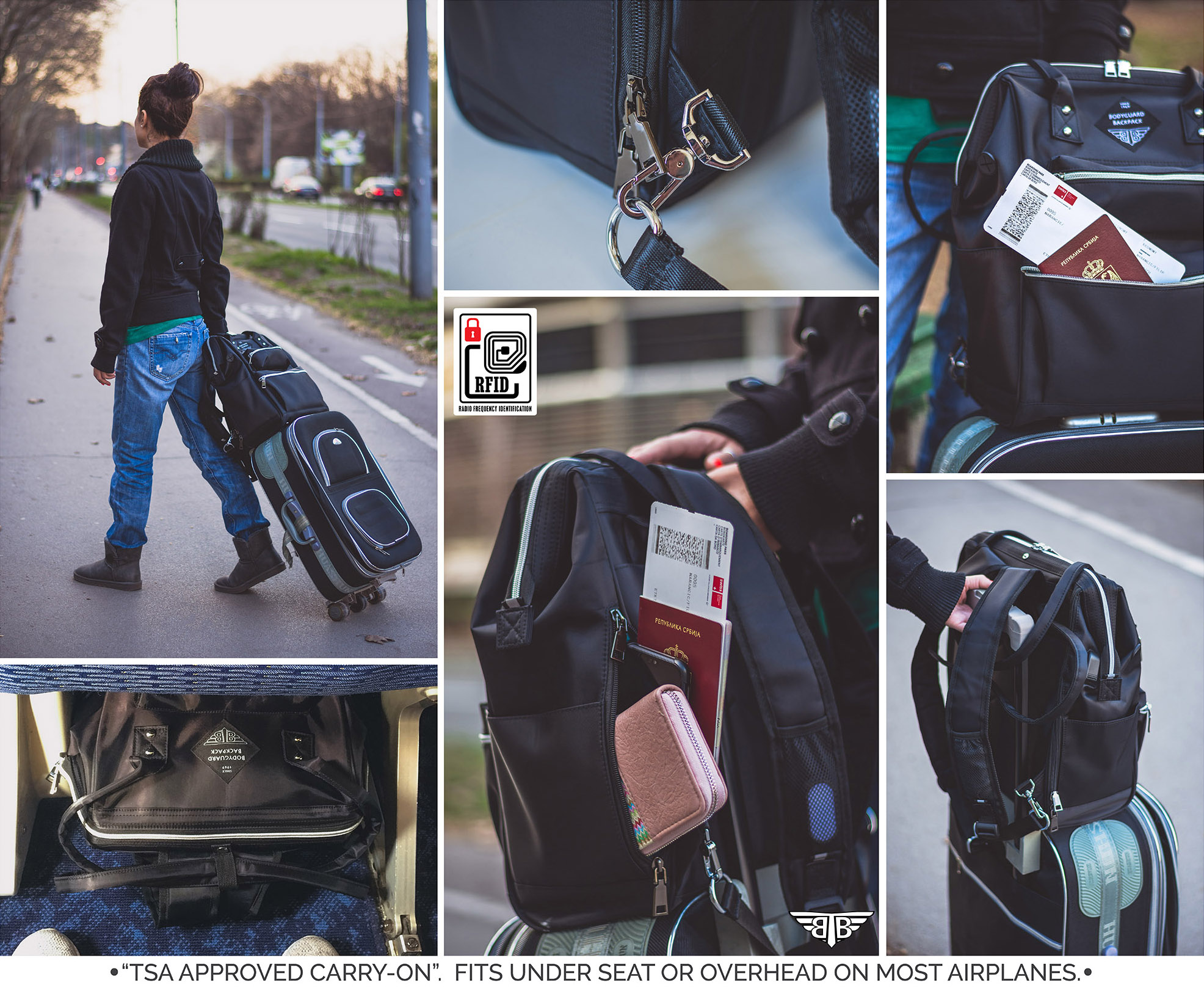
TRAVEL CONTEXT
A stronger photographic story gives each image a different communication role.
Wide views establish use and environment. Closer frames confirm access, construction, storage, and practical detail.
The subject remains the same.
What each photograph needs to explain changes.
WHEN PHOTOGRAPHY MUST EXPLAIN AS WELL AS ATTRACT
WHY THIS EXAMPLE MATTERS
Some images are created to establish mood or perception.
Others must help the viewer identify features, understand differences, and evaluate practical value.
Here, photography becomes the evidence inside a more structured communication layer.
The image no longer exists only to present the product.
It begins to support a decision.
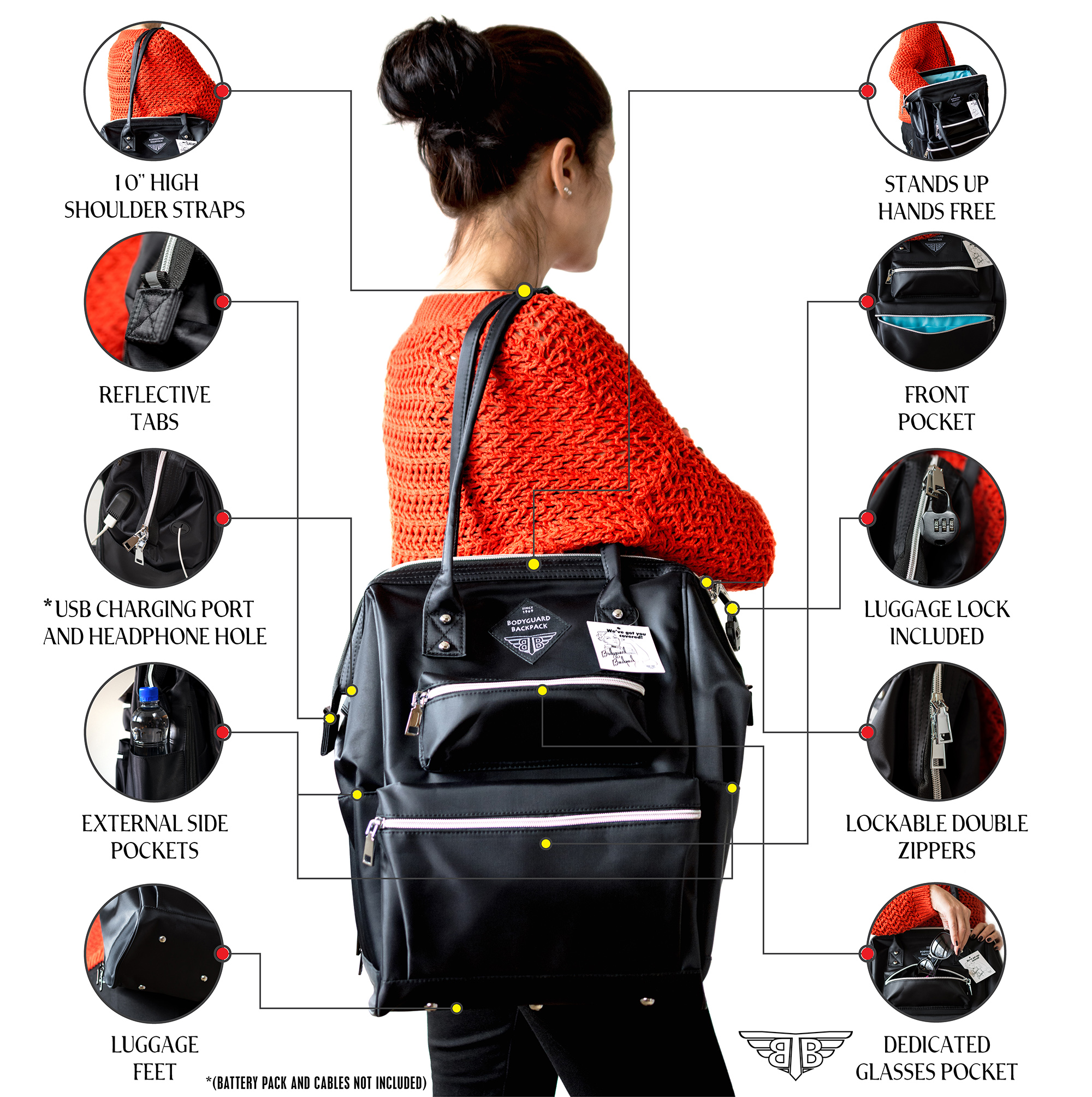
FUNCTIONAL CLARITY
Photography becomes more valuable when visual evidence is organized around what the viewer needs to understand.
Feature details, product context, and supporting callouts transform separate photographs into a clearer explanation of how the product works and why specific details matter.
This is where a frame begins to move from image → function.
INTENT BEFORE THE FRAME
THE VISUAL STORY BECOMES STRONGER WHEN EVERY PHOTOGRAPH HAS A REASON TO EXIST.
Professional Photography is not improved simply by increasing technical polish, lighting complexity, or the number of images produced.
It becomes stronger when those choices answer the same communication question.
That is the difference between collecting photographs and directing a visual story.
STRONG PHOTOGRAPHY DOES NOT BEGIN BY ASKING WHAT THE CAMERA CAN CAPTURE.
IT BEGINS BY DEFINING WHAT THE VIEWER MUST UNDERSTAND.
02 —
VISUAL LOGIC BUILT AROUND THE SUBJECT
WHY IT MATTERS
Professional Photography becomes stronger when the image sequence is built around what the subject needs to reveal.
A subject can be photographed from many angles.
That does not mean every angle helps the viewer understand it.
A strong photographic system begins by asking what the next image must clarify: form, access, function, detail, context, scale, or use.
Distance changes relevance.
Cropping shapes hierarchy.
Perspective controls emphasis.
Human interaction changes meaning.
A frame should never exist only because it looks polished.
The next image should be chosen because it adds understanding.
Good photographic direction gives each image a role — and gives the full sequence a clear visual structure.
COMMON FAILURE
WHEN THE SHOOT FOLLOWS A GENERIC IMAGE PATTERN
Many photography systems repeat the same familiar image logic regardless of the subject.
A hero shot.
A detail crop.
A styled frame.
A lifestyle image.
Another close-up.
Individually, these photographs may look strong.
But when the sequence is chosen before the communication objective, the result can become visually rich while remaining strategically thin.
One image may emphasize material.
Another may prioritize mood.
Another may suggest use.
Another may show context.
Yet nothing determines what the viewer should understand first, which image should prepare the next, or what the full sequence is meant to explain.
The subject has been photographed.
But its visual reading has not been directed.
WHEN EVERY IMAGE TRIES TO LOOK STRONG ON ITS OWN
WHY THIS EXAMPLE MATTERS
Imagine a premium subject photographed through several polished setups.
Studio views, detail frames, hand interaction, and contextual scenes may all look successful on their own.
But if the shoot never defines whether the sequence should communicate form, use, access, construction, context, or decision-support, the photographs begin to compete with each other.
The viewer receives images.
It does not necessarily receive guidance.

WHAT NOT TO DO — BUILD THE SHOOT AROUND FAVORITE SHOTS
A photographic sequence becomes weaker when the image list begins with aesthetics rather than viewer understanding.
Frames should serve the subject — not compete to become the point.
BETTER
SUBJECT
DIRECTION
LET THE SUBJECT DETERMINE THE MOVEMENT
Begin with one question:
What must this sequence help the viewer understand?
If the priority is use, movement may clarify interaction.
If the priority is atmosphere, movement may slow perception.
If the priority is relationship, movement may connect subject and environment.
If the priority is progression, movement may guide the viewer step by step.
A strong sequence can then follow a deliberate logic:
Intent → Subject → Viewpoint → Movement → Framing → Sequence
The objective is not to reduce creativity, but to give every creative choice clearer direction.
It is to make creativity more useful by connecting each decision to a specific defined communication purpose.
PHOTOGRAPHIC
CORRECT
LOGIC
BUILD A SEQUENCE THAT PRESERVES CLARITY
Strong photography does more than collect attractive frames; it builds clarity, structure, continuity, and lasting understanding.
It creates a clear visual progression that helps the viewer understand what the subject is, how it is used, why specific details matter, and what each next image adds.
A recognizable anchor frame, consistent hierarchy, and controlled movement from wider to closer views keep the viewer oriented throughout the sequence with stronger continuity and clarity.
Each new image expands understanding instead of resetting it, while preserving context, continuity, and visual orientation throughout.
The result is not simply a smoother gallery, but a clearer, more purposeful system of communication.
It is a more useful visual system — clearer, more controlled, and easier to follow from beginning to end.
WHEN EACH NEW IMAGE ADDS INFORMATION INSTEAD OF REPLACING IT
WHY THIS EXAMPLE MATTERS
Consider the same subject approached through a deliberate image sequence.
A wider image first defines the subject.
A second frame reveals access or structure.
A closer frame clarifies material, detail, or function.
A contextual image shows where the subject belongs in real use.
A supporting frame confirms the detail that matters most.
The subject remains the same.
The viewer does not have to begin understanding it again.
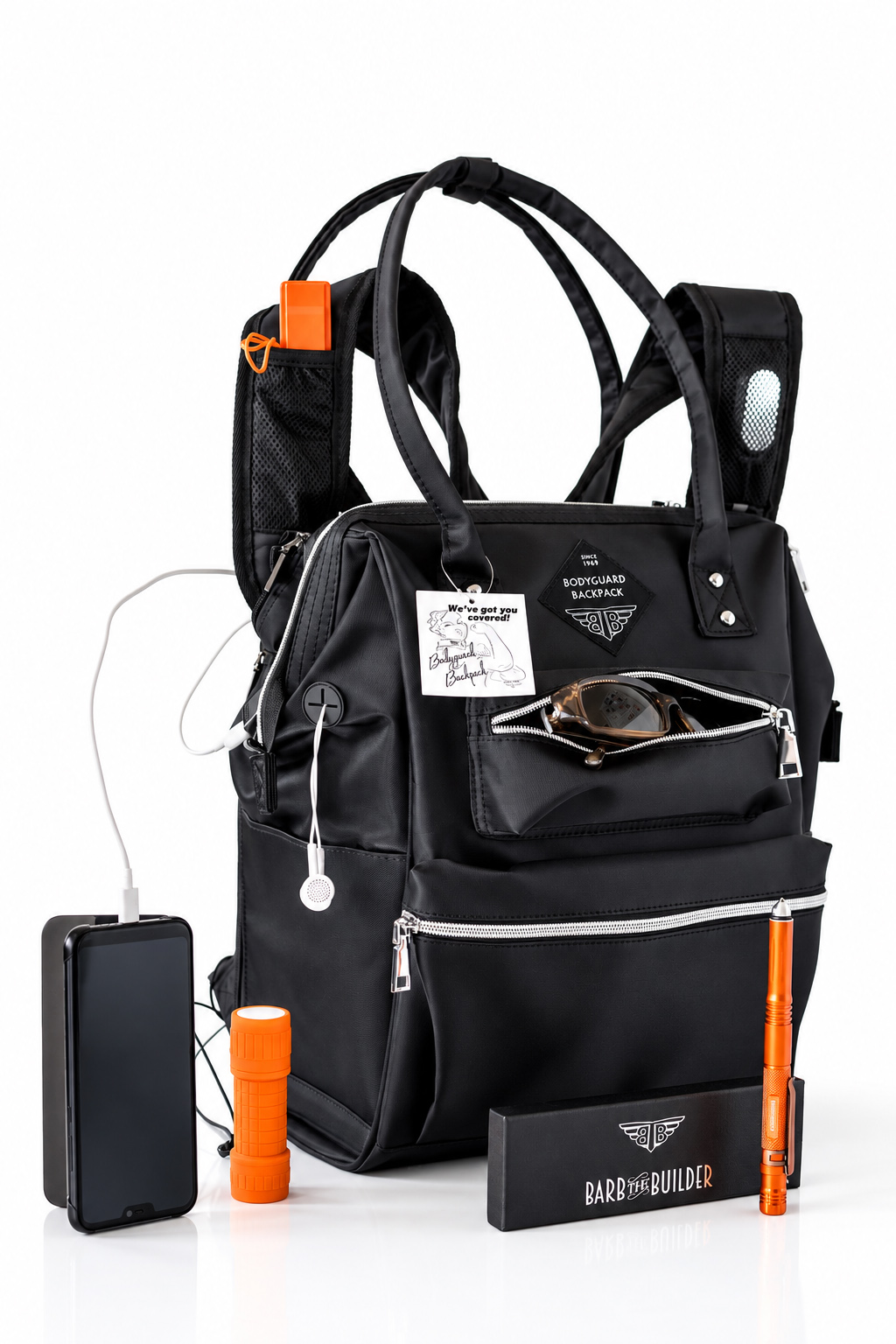
CONTROLLED SUBJECT MODEL
One communication goal translated into subject hierarchy, framing, detail, context, and use.
The strongest photography direction connects each image choice to the same visual purpose, allowing separate photographs to build one coherent subject understanding.
WHEN THE IMAGE ORDER BECOMES PART OF THE EXPLANATION
A well-directed photographic sequence can explain more than one frame alone.
For products, spaces, people, and branded experiences, image order can reveal where attention should begin, what should become clear next, and which supporting detail should complete the picture.
The sequence itself becomes part of the explanation.

VISUAL SEQUENCE
A clear image sequence turns separate photographs into one continuous understanding of the subject.
The strongest photography does not simply create variety.
It creates continuity between form, context, use, detail, and meaning.
VISUAL INTEGRITY
THE NEXT IMAGE SHOULD BE CHOSEN BECAUSE THE SUBJECT NEEDS IT.
Professional Photography becomes more valuable when framing, distance, crop, styling, and sequence are treated as communication decisions rather than a catalogue of attractive options.
The viewer should not only remember that the photographs looked strong.
They should understand the subject more clearly because of how the image system was built.
A STRONG PHOTOGRAPHIC SEQUENCE DOES NOT SIMPLY CREATE VARIETY.
IT ORGANIZES VISUAL PRIORITY SO EVERY NEW IMAGE ADDS SOMETHING THE PREVIOUS ONE COULD NOT.
03 —
FRAMING BEFORE VISUAL IMPACT
WHY IT MATTERS
Professional Photography can contain a large amount of visual information inside one frame.
That does not mean every visible element should compete equally for attention.
Before the image is made, the team must decide what should lead, what should support, and how the viewer should enter the photograph.
Cropping shapes emphasis.
Lens choice affects relationships.
Distance influences scale.
Foreground creates depth.
Background controls distraction.
Composition establishes visual hierarchy.
A strong photograph does not become better by showing more.
It becomes better when the most important relationship is easiest to read.
COMMON FAILURE
WHEN A BEAUTIFUL FRAME MAKES EVERYTHING EQUALLY IMPORTANT
A polished image can still become unclear when every element carries similar visual weight.
The subject, props, styling, hand interaction, background details, environment, and supporting objects may all appear together.
Nothing looks technically wrong.
But nothing clearly leads.
The image feels attractive.
It does not feel directed.
The problem is not richness.
The problem is the absence of hierarchy.
WHEN THE WHOLE SCENE IS VISIBLE BUT THE PHOTOGRAPHIC RELATIONSHIP IS NOT
WHY THIS EXAMPLE MATTERS
Imagine a premium shoot in which the subject, styling, location, atmosphere, and surrounding detail are all presented at once.
Each ingredient may be strong on its own.
But if the frame never decides whether the image should communicate form, use, mood, scale, or decision-support, the viewer receives visual abundance before understanding.
The result is more beauty than direction.

WHAT NOT TO DO — LET EVERY ELEMENT FIGHT FOR ATTENTION
Showing more inside the frame does not automatically create more meaning.
A photograph becomes more useful when subject, context, scale, and supporting detail are organized around one clear reading path.
BETTER
FRAME
DIRECTION
BUILD THE IMAGE AROUND ONE PRIMARY VISUAL DECISION
Before styling the frame, define what the viewer must understand first.
A useful hierarchy may follow:
Primary Subject → Key Relationship → Supporting Context → Secondary Detail
Ask:
What must lead immediately?
Which element proves the point?
What gives the subject context?
What can remain visible without demanding equal attention?
A strong frame does not need to be minimal; it needs clear hierarchy, purposeful detail, and controlled emphasis.
It needs to be readable.
FRAMING
CONTROL
USE CROPPING, LENS CHOICE, DISTANCE, AND COMPOSITION TO DIRECT ATTENTION
Professional framing changes when the communication objective changes.
A wider frame may clarify context.
A tighter frame may strengthen form.
A lower angle may increase presence.
A cleaner background may reduce conflict.
Foreground can build depth.
Negative space can create separation.
Even a subtle shift in position can change what reads first and what remains secondary.
These are not cosmetic choices.
They determine how the photograph is understood.
WHEN THE FRAME MAKES THE SUBJECT AND ITS CONTEXT READ IN THE RIGHT ORDER
WHY THIS EXAMPLE MATTERS
A controlled image allows the subject to establish itself first while the surrounding context explains it second.
The viewer does not need to search for the point.
The composition has already decided where the eye begins.
Context remains visible.
But it no longer competes.
It supports.
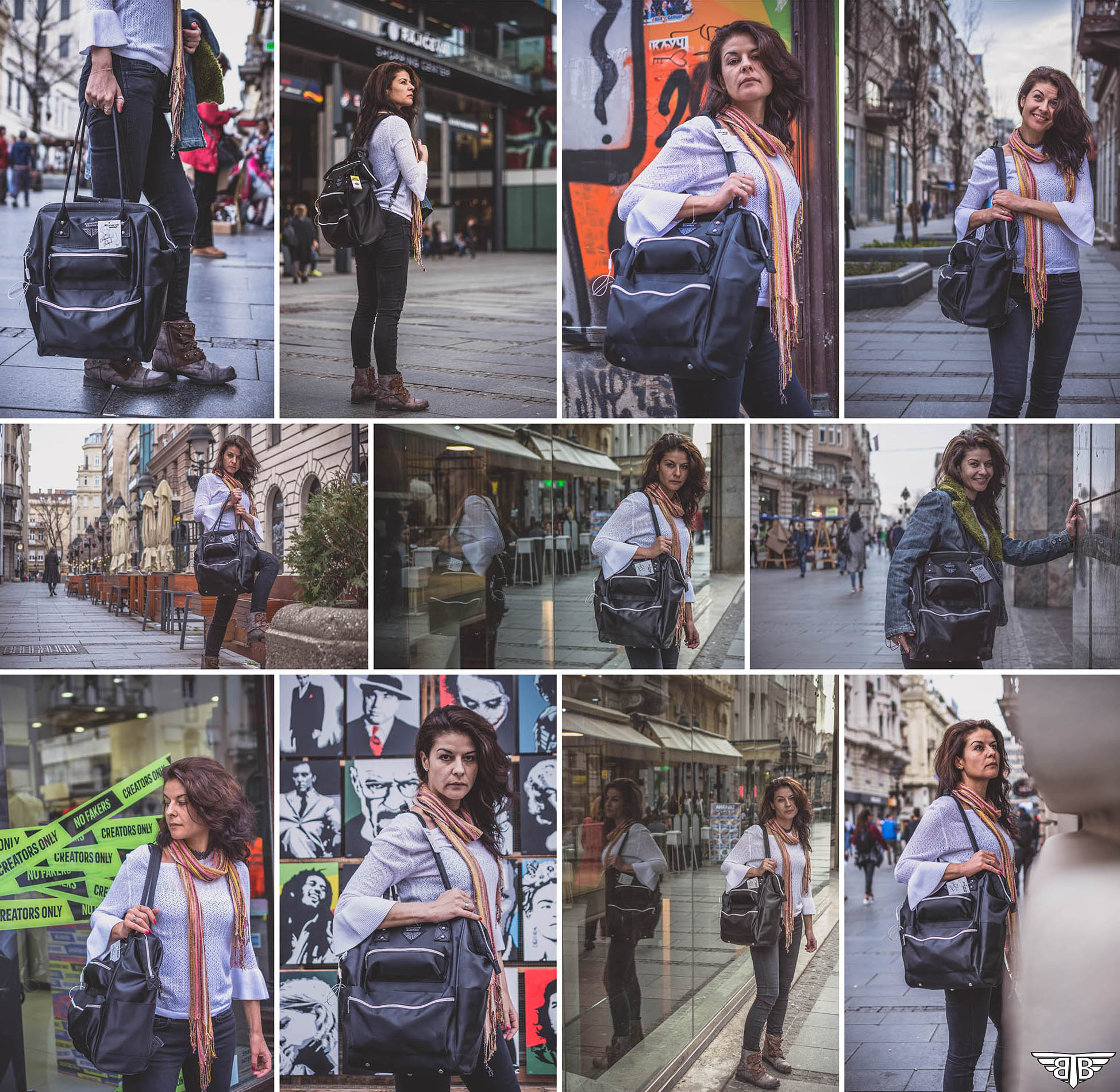
VISUAL READING 01
CONTEXT BECOMES MORE VALUABLE WHEN IT SUPPORTS THE SUBJECT INSTEAD OF COMPETING WITH IT
Professional Photography becomes stronger when complexity remains present but hierarchy stays clear.
The viewer understands the subject first.
Then material, function, environment, use, or atmosphere become progressively easier to read.
That is the difference between simply recording a scene and directing how the image should be understood.
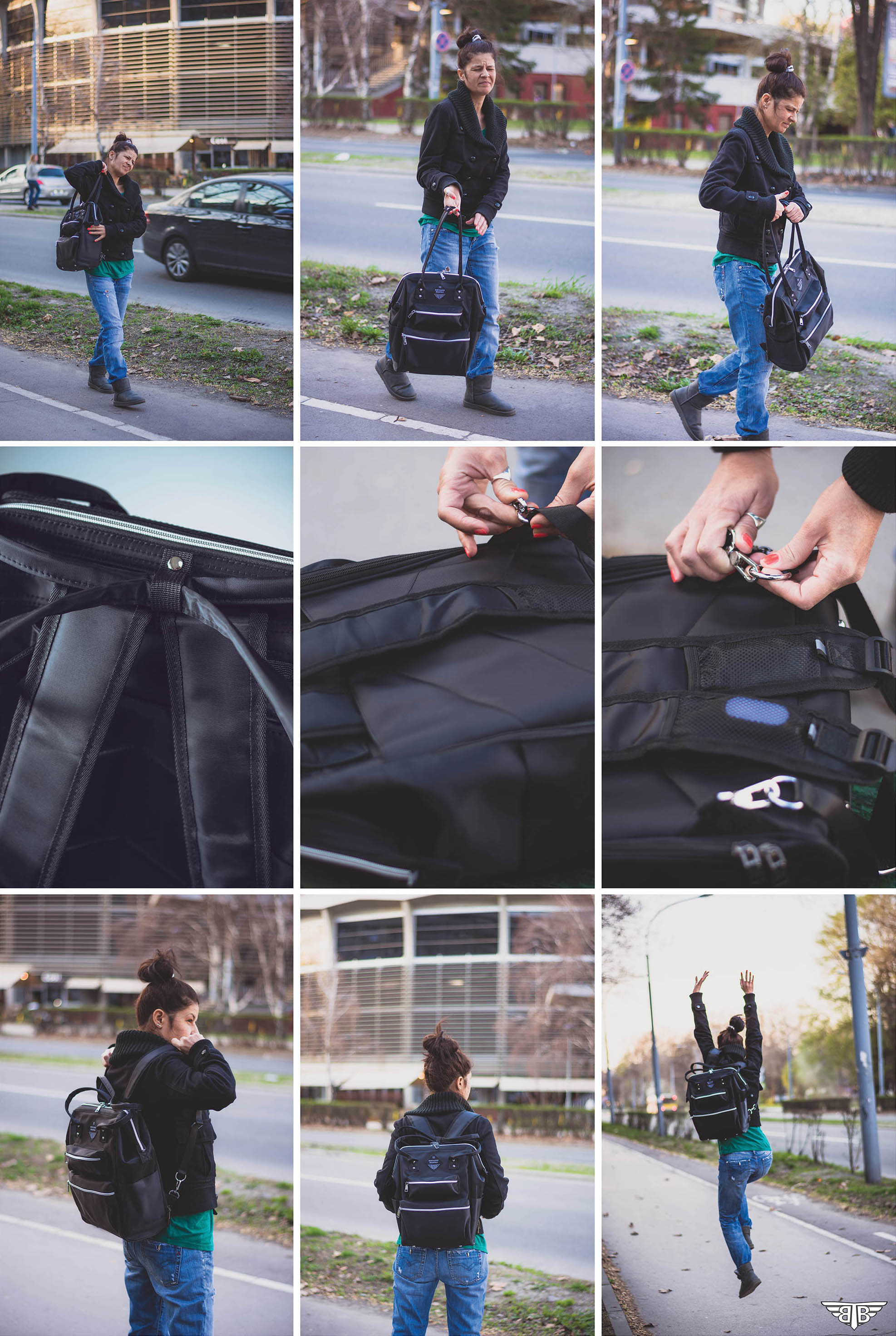
VISUAL READING 02
FUNCTION BECOMES CLEARER WHEN THE PHOTOGRAPH SHOWS HOW THE SUBJECT CHANGES IN USE
Professional Photography can explain functionality without turning the image into a technical instruction.
By combining carry positions, handling moments, construction details, and real-world movement, the sequence makes adaptation and practical use immediately understandable.
The viewer does not have to imagine how the product behaves.
They can see the relationship between design and use — turning a product feature into clear visual value.
WHEN FRAMING TURNS COMPLEXITY INTO CLARITY
WHY THIS EXAMPLE MATTERS
Some photographs need to communicate more than one layer at once.
A product image may need to show quality while preserving function.
A lifestyle frame may need to hold atmosphere while keeping the subject readable.
A stronger frame does not remove information.
It decides which information leads, which supports, and which remains secondary.
That decision is what transforms composition into communication.
FRAMING INTEGRITY
Strong Professional Photography Makes Complexity Readable Without Making The Image Feel Simple
Professional framing does not flatten the scene.
It organizes it.
The frame becomes a visual argument:
this is the subject → this is the supporting context → this is how they relate → this is why that relationship matters
That hierarchy allows Photography to move beyond attractive composition and become a form of visual communication.
THE BEST PHOTOGRAPHIC FRAME IS NOT THE ONE THAT CONTAINS THE MOST INFORMATION.
IT IS THE ONE THAT MAKES THE RIGHT INFORMATION IMPOSSIBLE TO MISS.
REAL PROJECT EVIDENCE · BARB THE BUILDER · BODYGUARD BACKPACK SYSTEM
When One Product Opens Into A Whole Functional World
A product enters the frame as a single subject. Photography decides whether it remains one.
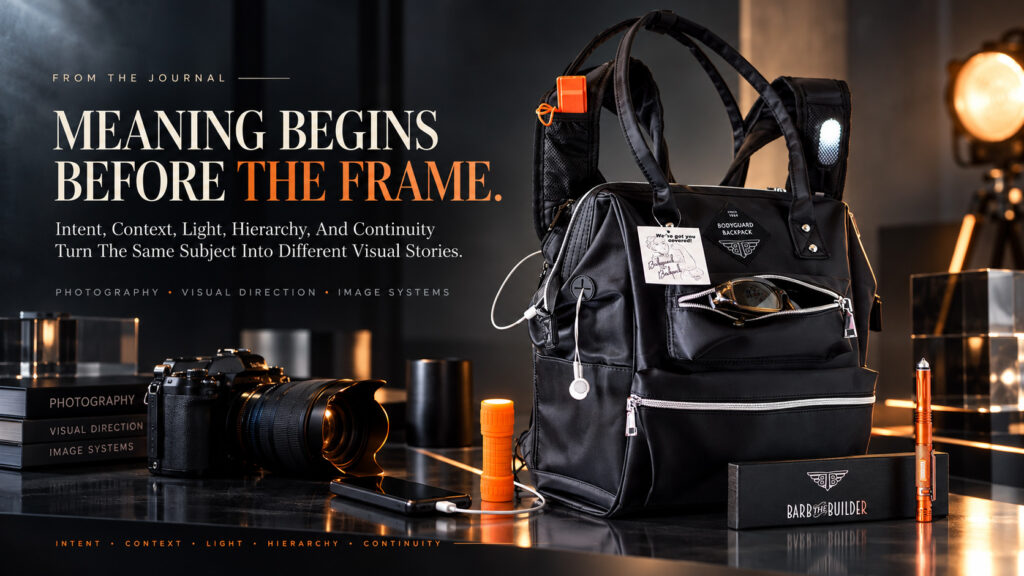
With the BodyGuard Backpack, the bag is only the visible center of a much wider product world. Integrated lighting, safety tools, portable utility elements, and supporting accessories are not secondary additions around the main object. They extend its purpose, change how it is used, and reveal layers of value that a single hero frame can never explain on its own.
Without visual hierarchy, that wider world becomes noise. Features compete. Accessories feel disconnected. Important relationships disappear between isolated images.
Professional photography changes that.
It gives every element a role, every detail a reason to be seen, and every supporting component a clear relationship to the product it belongs to. What first appears to be one object begins to unfold into a structured system of function, context, and meaning.
This is where photography moves beyond representation.
It does not simply show the product more beautifully.
It opens the product up — revealing what belongs to it, how its parts work together, and how many stories one subject is actually capable of carrying.
THE BAG MAY BE THE ENTRY POINT.
THE PRODUCT WORLD IS THE REAL STORY.
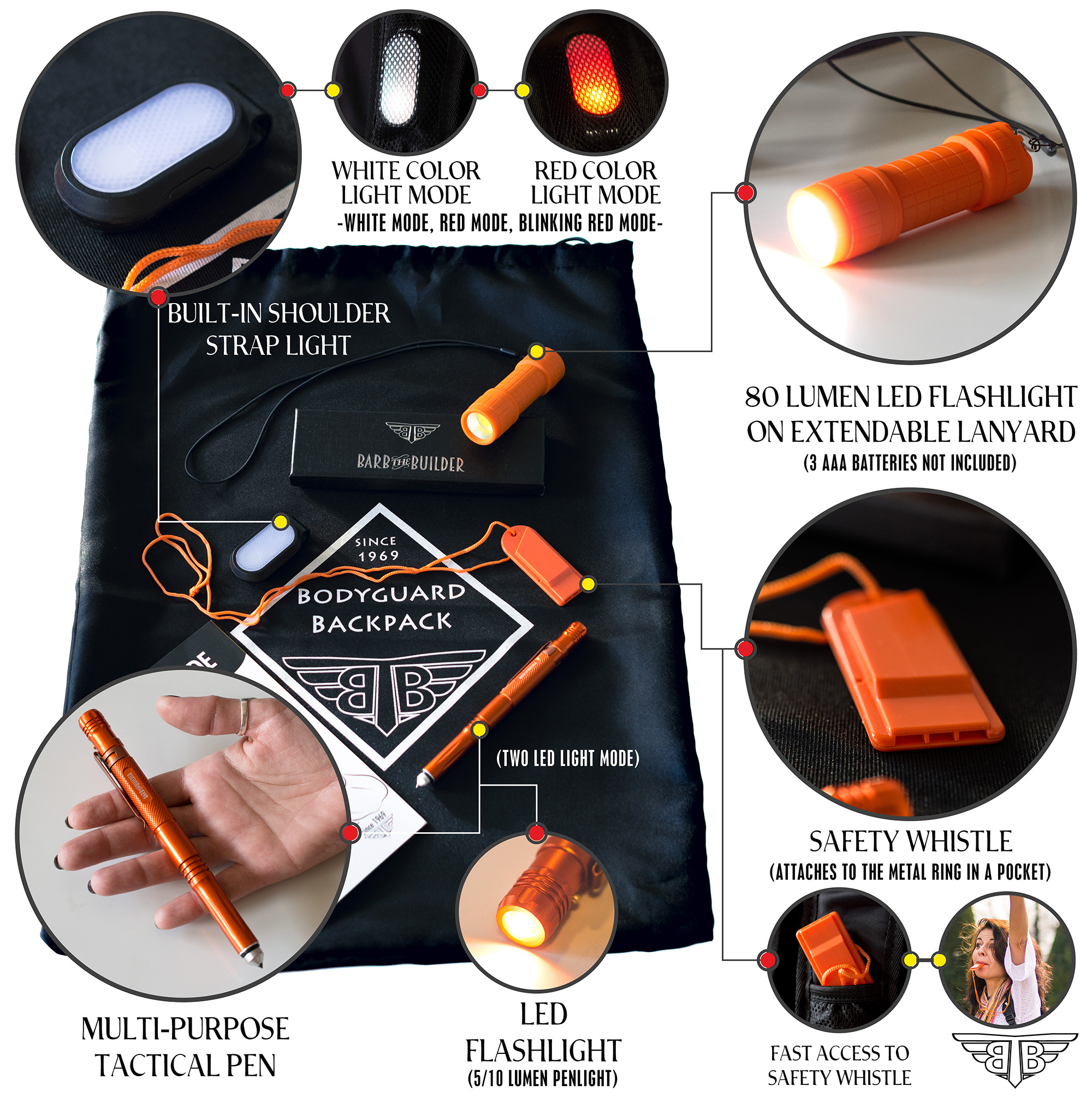
THE COMPLETE PRODUCT SYSTEM
PROJECT EVIDENCE 01 — PRODUCT UNIVERSE
When The Main Product Becomes The Center Of A Larger System
This frame changes the scale of the story.
The BodyGuard Backpack remains the visual anchor, but the photograph begins to reveal everything that extends its function beyond the bag itself: built-in lighting, portable safety tools, the whistle, the Tactical Pen, and the supporting elements that complete how the product is meant to be used.
Seen separately, they could read as accessories.
Seen together, they become evidence of a larger product logic.
Photography is what makes that relationship legible. It establishes what belongs to the core product, what expands its function, and which elements deserve their own moment of attention.
The viewer is no longer looking at a collection of objects.
They are beginning to understand how one product becomes a complete system of use, preparedness, and purpose.
THE HERO DEFINES THE CENTER.
THE SURROUNDING ELEMENTS REVEAL THE SYSTEM.

TACTICAL PEN AS AN INDEPENDENT SUBJECT
PROJECT EVIDENCE 02 — COMPONENT PRIORITY
When A Supporting Element Becomes A Story Of Its Own
Once the wider product system becomes visible, a different question appears:
Which element deserves to step forward next?
The Tactical Pen may belong to the BodyGuard Backpack ecosystem, but its role is too specific to remain permanently in the background. Its material, construction, finish, proportions, branding, and functional character carry information that disappears when it is treated only as a supporting accessory.
Photography changes that relationship.
By isolating the pen and giving it its own visual territory, the image allows a secondary component to develop its own identity without disconnecting it from the larger product world.
What was previously one detail inside a system now becomes a subject worth examining.
And that is where photographic hierarchy becomes powerful: importance is not fixed by size or position inside the package.
It is defined by what the viewer needs to understand next.
ONE PRODUCT WORLD CAN CONTAIN MORE THAN ONE HERO.
PHOTOGRAPHY DECIDES WHEN EACH ONE SHOULD SPEAK.
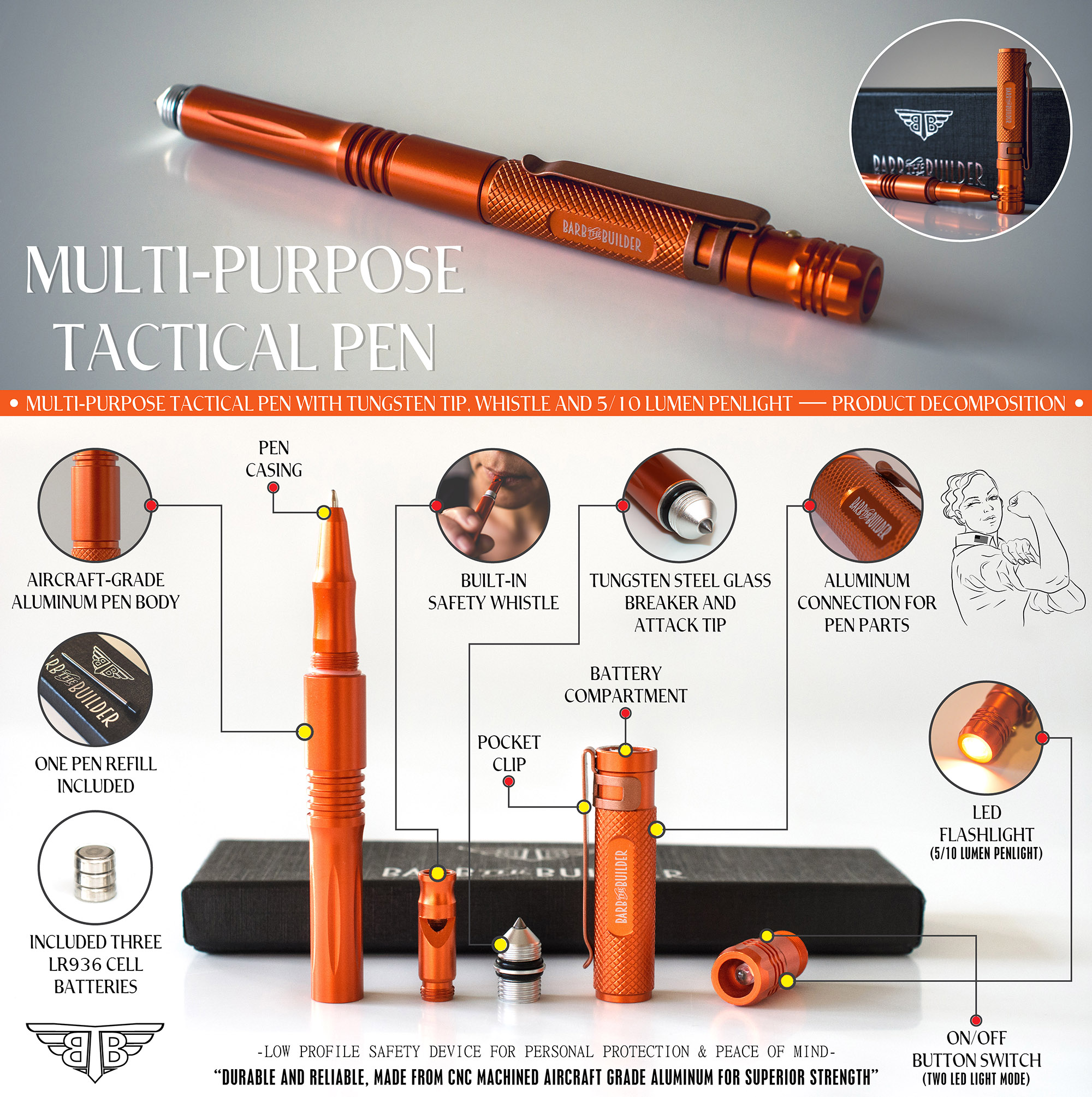
FROM HERO OBJECT TO FUNCTIONAL UNDERSTANDING —TACTICAL PEN DECOMPOSITION
PROJECT EVIDENCE 03 — STRUCTURE, PARTS, AND EXPLANATION
When Recognition Is Only The Beginning
A hero photograph can make an object desirable, memorable, and immediately recognizable.
But recognition is not the same as understanding.
The Tactical Pen contains a second layer of information beneath its finished form: separate components, mechanical relationships, material choices, lighting functions, safety features, and details whose value cannot be understood from the exterior alone.
This is where photography changes its role again.
The object is no longer simply presented as finished.
It is opened visually, separated intelligently, and reconstructed as information.
Each component receives enough space to explain what it contributes, while the full composition preserves the relationship between the parts and the object they create together.
The viewer moves from seeing the Tactical Pen to understanding why it was designed this way, what its individual elements do, and how function is built into the object itself.
At this point, photography is doing far more than recording appearance.
It is turning physical construction into readable visual knowledge.
THE HERO FRAME CREATES RECOGNITION.
THE SYSTEM FRAME REVEALS RELATIONSHIPS.
THE DECOMPOSED FRAME REVEALS HOW VALUE IS BUILT.
04 —
REVIEW BEFORE REPETITION
WHY IT MATTERS
Every professional shoot creates the same question:
Is the image already communicating what it needs to communicate?
Strong photography teams do not wait until the shoot is over to answer it.
They review while the set is still active — while light, styling, framing, subject position, and detail emphasis can still be corrected.
This is where professional feedback becomes part of the image-making process.
A frame may look polished and still leave the message unresolved.
When review is immediate, the team can confirm whether the subject is clear, whether the intended use or feature is visible, and whether the surrounding context is supporting the story.
Professional Photography becomes stronger when the crew does not guess.
It confirms.
COMMON FAILURE
POLISHED FRAMES KEEP GETTING CAPTURED WITHOUT CONFIRMING WHAT THEY ARE PROVING
A shoot can continue smoothly while still becoming strategically uncertain.
The styling may be strong.
The lighting may be attractive.
The subject may be professionally photographed.
But if the team has not confirmed what the frame is actually clarifying, the shoot begins producing more images without more certainty.
The problem is rarely effort.
It is usually the absence of clear on-set evaluation.
When feedback is vague, when nobody defines what success looks like, or when review happens too late, the result is repetition, hesitation, and visually strong material that still feels unresolved.
This wastes time, energy, continuity, and attention.
Useful feedback does not slow the shoot.
It protects it.
It tells the team whether the frame is working, whether it needs correction, or whether it is time to move confidently to the next setup.
BAD EXAMPLE
WHEN A BEAUTIFUL SHOT STILL LEAVES THE TEAM UNSURE
WHY THIS EXAMPLE MATTERS
This example shows how a frame can feel premium, styled, and technically polished while still failing to confirm what the viewer is meant to understand.
The subject may look attractive.
The environment may feel editorial.
The lighting may be refined.
But if the image does not clearly communicate form, use, feature priority, scale, or function, the team is left with atmosphere before clarity.
The result is visually rich photography that still creates uncertainty.
It proves that attractive imagery alone does not guarantee a useful image.

WHAT NOT TO DO — LET VISUAL MOMENTUM REPLACE IMAGE REVIEW
A strong-looking frame is not automatically a resolved frame.
Photography becomes more valuable when subject clarity, function, scale, and supporting detail are checked before the team continues.
BETTER
DIRECTION
DEFINE WHAT MUST BE CONFIRMED BEFORE EXTENDING THE SHOOT
A stronger photography workflow follows a clear sequence, keeping decisions visible, reviewable, purposeful, controlled, and connected throughout production:
Intent → Capture → Immediate Review → Adjustment → Confirmed Frame → Next Setup
Each frame should answer a specific question.
Is the subject clear?
Is the key use visible?
Is the main feature readable?
Is the context supporting the story?
Is any element competing for attention?
The team should be able to evaluate those answers while the light, styling, and scene are still controllable.
Playback review is not hesitation; it is a deliberate checkpoint for visual control.
It is part of professional photography direction, helping confirm priorities before the production moves forward.
The goal is not to discuss every frame endlessly, but to resolve decisions while correction remains possible.
It is to build a reliable review loop that turns capture into controlled visual communication, while preserving consistency, clarity, and confident decision-making throughout.
FEEDBACK
CONTROL
REVIEW THE FRAME WHILE CORRECTION IS STILL POSSIBLE
A professional image review should confirm whether the frame is communicating what the setup was designed to communicate.
The team should be able to answer:
Is the subject leading?
Is the message visible?
Is the composition helping the story?
Is the wider context supporting the image?
Does the frame explain enough without overloading the viewer?
A useful review sequence is:
Live View / Tether → Immediate Review → Adjustment → Confirmed Take
Framing, prop balance, hand position, crop direction, styling emphasis, or detail visibility may still need correction while the subject is on set.
Feedback therefore becomes part of editorial image direction, not something postponed until the shoot is already over.
The objective is not to create more photographs.
It is to confirm when the right photograph has been achieved.
A strong feedback loop makes the next decision clear: adjust, repeat, or move forward.
GOOD EXAMPLE
WHEN REVIEW CONFIRMS THE FRAME BEFORE THE TEAM MOVES ON
WHY THIS EXAMPLE MATTERS
This example shows how live review, role clarity, and immediate evaluation can turn one setup into a controlled decision.
The crew does not rely on instinct alone.
They confirm whether the frame is reading clearly, whether the subject remains dominant, and whether the surrounding context supports the intended message.
The result is a more efficient shoot, fewer unnecessary repeats, and photography that feels both polished and purposeful.
It demonstrates how on-set review, visual confirmation, and team alignment strengthen the final outcome.
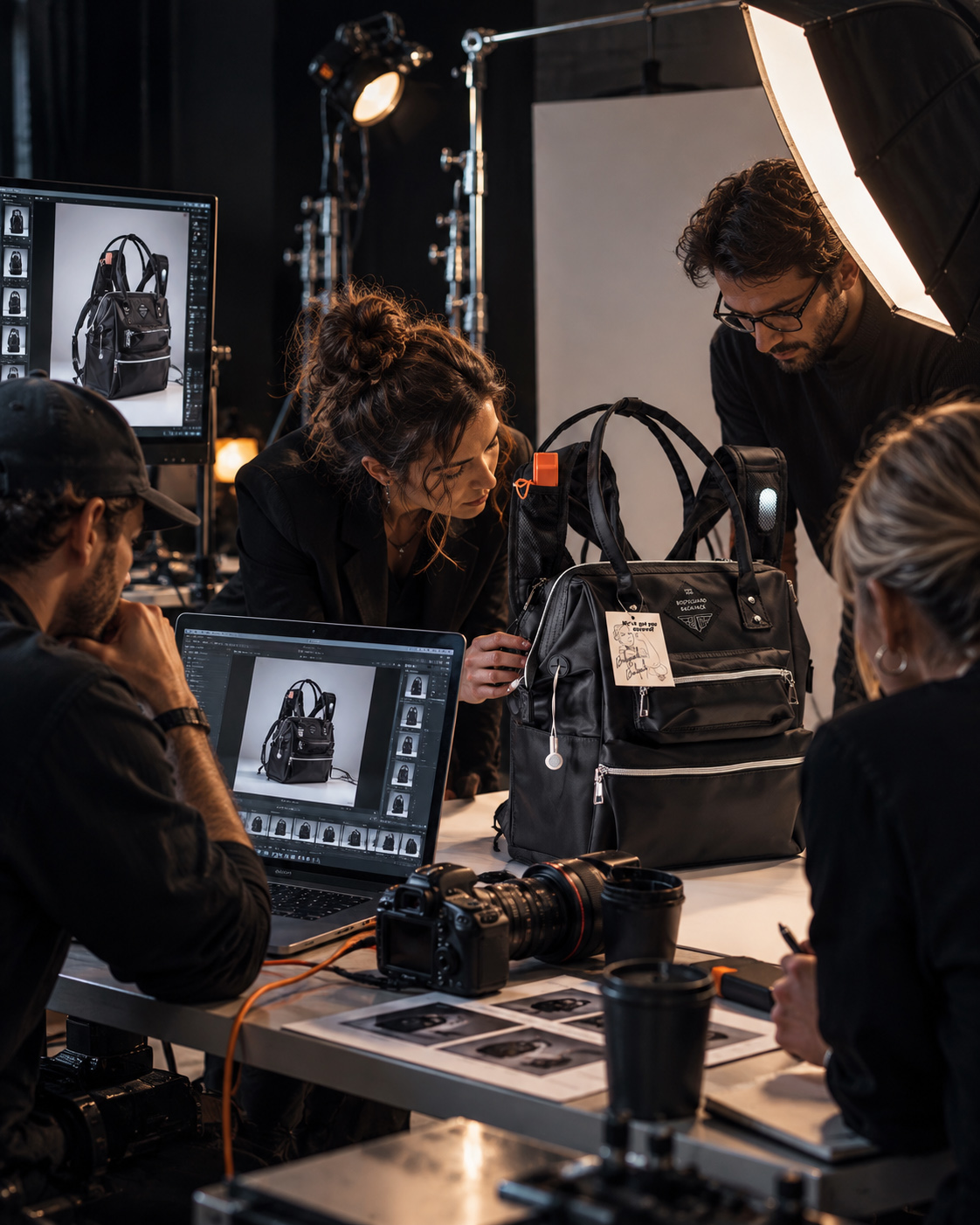
LIVE REVIEW
One Active Photography Setup — Evaluated Through Subject Priority, Framing, Use, Detail, And On-Set Direction While Correction Is Still Possible.
Live review allows the crew to judge whether the intended visual relationship is already clear before the light, styling, or subject position changes.
GOOD EXAMPLE
WHEN FEEDBACK TURNS A FRAME INTO A CONFIRMED VISUAL RESULT
WHY THIS EXAMPLE MATTERS
A successful shoot should not end with the assumption that the image probably worked.
The final frame should make the intended subject, use, detail hierarchy, and supporting context immediately understandable.
When those relationships are clear, the team no longer needs another shot simply to discover what the previous one failed to explain.
This is where editorial feedback becomes visual confirmation: the frame has been observed, refined where necessary, and resolved into an image that communicates with confidence.
The result is not merely attractive photography.
It is a confirmed visual decision in which every element supports the message.

VISUAL CONFIRMATION
One Controlled Photography Result — Where Subject, Use, Detail Priority, And Context Read Clearly In A Single Frame.
The final image demonstrates what effective feedback protects: a photograph that no longer depends on explanation because its visual logic is already visible.
DIRECTION INTEGRITY
THE STRONGEST PHOTOGRAPHS FEEL RESOLVED BECAUSE THEIR DECISIONS ARE ALIGNED.
Professional Photography does not treat framing, light, styling, subject hierarchy, context, and post-production as separate finishing layers.
They are parts of the same communication system.
A resolved photograph is not created by one successful choice. It becomes stronger when each decision confirms the same visual purpose.
The viewer should not need to decode why the image works.
They should simply understand what matters, how the subject should be read, and where attention belongs.
A strong photographic system depends on exactly this alignment: intent is established first, hierarchy directs attention, and review confirms that the final frame actually communicates what it was created to communicate. That remains fully consistent with the master logic of the article: photography as a system of visual decisions, not merely a collection of attractive frames.
A PHOTOGRAPH SHOULD NOT ASK THE TEAM TO GUESS WHETHER IT WORKED.
IT SHOULD PROVIDE ENOUGH FEEDBACK TO CONFIRM WHAT HAS BEEN ACHIEVED, WHAT STILL NEEDS CORRECTION, AND WHAT SHOULD HAPPEN NEXT.
05 —
CONTINUITY BEFORE REPETITION
WHY IT MATTERS
Professional Photography becomes more valuable when a subject is photographed through a recognizable visual logic across time.
A product is rarely shown only once.
It may need a hero image today, a use-focused image next, a detail study later, and then a refreshed image set when the communication goal evolves.
Without continuity, every new shoot starts from zero.
A stronger photographic system shows what remains consistent, what has changed, what has improved, and what the next image needs to explain.
That is what makes repeated photography more useful.
It becomes easier to review.
Easier to compare.
Easier to extend.
Easier to trust.
Visible photographic continuity turns separate images into a readable visual progression.
COMMON FAILURE
NEW PHOTOGRAPHS ARE ADDED WITHOUT A CLEAR COMPARATIVE LOGIC
A repeat shoot may contain better lighting, refined styling, stronger framing, or more polished production.
But if the new material is not connected to what came before, progress becomes difficult to read.
One image may improve atmosphere.
Another may clarify detail.
Another may strengthen use.
Yet the viewer may still struggle to understand:
What is new?
What is improved?
What stayed consistent?
What should be reviewed next?
In that situation, repeated photography creates more image volume, not more understanding.
A strong repeat-photography system should make change easy to identify.
It should help people see:
- what the subject still communicates well
- what has been refined
- what now deserves priority
- and where the next visual decision should go
More photography is not automatically better photography.
It becomes better when progression is visible.
BAD EXAMPLE
WHEN A RETURN SHOOT ADDS MORE IMAGES THAN CLARITY
WHY THIS EXAMPLE MATTERS
A repeated product shoot can look polished and professional while still making development harder to read.
The subject may still be attractive.
The styling may still feel premium.
The images may still look commercially strong.
But if the new photography does not establish what is current, what has changed, what remains useful, and what now matters most, the result becomes difficult to compare.
The viewer receives new imagery.
But not a clearer understanding.
This is where repeated photography loses strategic value.
It demonstrates how unstructured visual repetition can make a growing image library harder — not easier — to use.

WHAT NOT TO DO — LET EVERY NEW SHOOT COMPETE WITH THE LAST ONE
A second or third shoot should not behave like a disconnected restart.
Professional Photography becomes more valuable when comparison, continuity, and subject priority are built into the way the next images are created.
BETTER
DIRECTION
ORGANIZE REPEATED PHOTOGRAPHY AROUND THE QUESTION THE VIEWER STILL NEEDS ANSWERED
A clearer photography system begins with a simple sequence:
Current Image → Key Gap → New Priority → Supporting Context
Each return shoot should clarify one useful relationship at a time.
The sequence should separate:
- what is already resolved
- what still needs clarification
- and what new image should now contribute
Repeated views should make comparison easier.
Not heavier.
The goal is not to reshoot everything.
It is to build a readable visual record that helps viewers recognize development without reinterpreting the whole subject every time.
Good photographic continuity gives people enough structure to see progress with confidence.
PROJECT
EVIDENCE
PROFESSIONAL PHOTOGRAPHY TURNS REPEATED VISITS INTO A READABLE VISUAL SYSTEM
A stronger photographic workflow makes progress visible by organizing repeated imagery around consistency, comparison, and visual hierarchy.
Current communication can be separated from older communication, making active visual priorities easier to identify and evaluate.
Resolved frames can be distinguished from exploratory ones, preserving clarity between confirmed direction and ongoing photographic investigation.
A later image can extend the subject instead of replacing the previous logic, allowing the visual system to grow without losing continuity.
The value does not come from how many photographs exist.
It comes from how clearly the next set reveals what has improved, what remains important, and what should be understood now.
This is how repeated photography becomes more useful for review, presentation, decision-making, and future communication.
GOOD EXAMPLE
WHEN REPEATED PHOTOGRAPHY TURNS CHANGE INTO A CLEAR VISUAL PATTERN
WHY THIS EXAMPLE MATTERS
The following material shows how recurring product photography can move from isolated image-making to a more useful and comparable visual structure.
The goal is not simply to photograph the same subject again.
It is to make each return clarify what changed, what became stronger, and where the next image question begins.
Rather than adding more random angles, the sequence focuses on the relationships people are most likely to need when evaluating progress and deciding how the subject should be presented next.
This is where continuity starts working as a professional advantage.

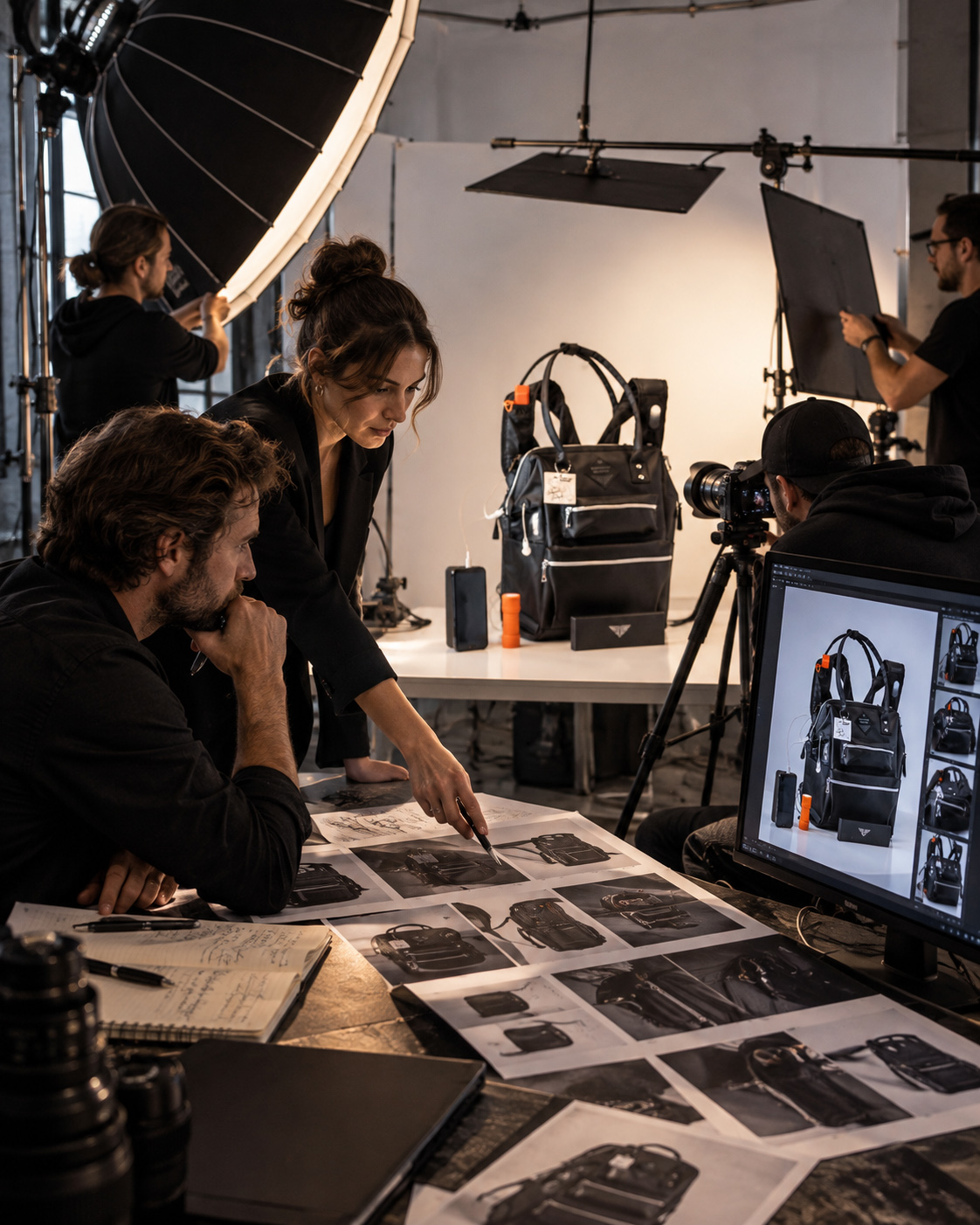
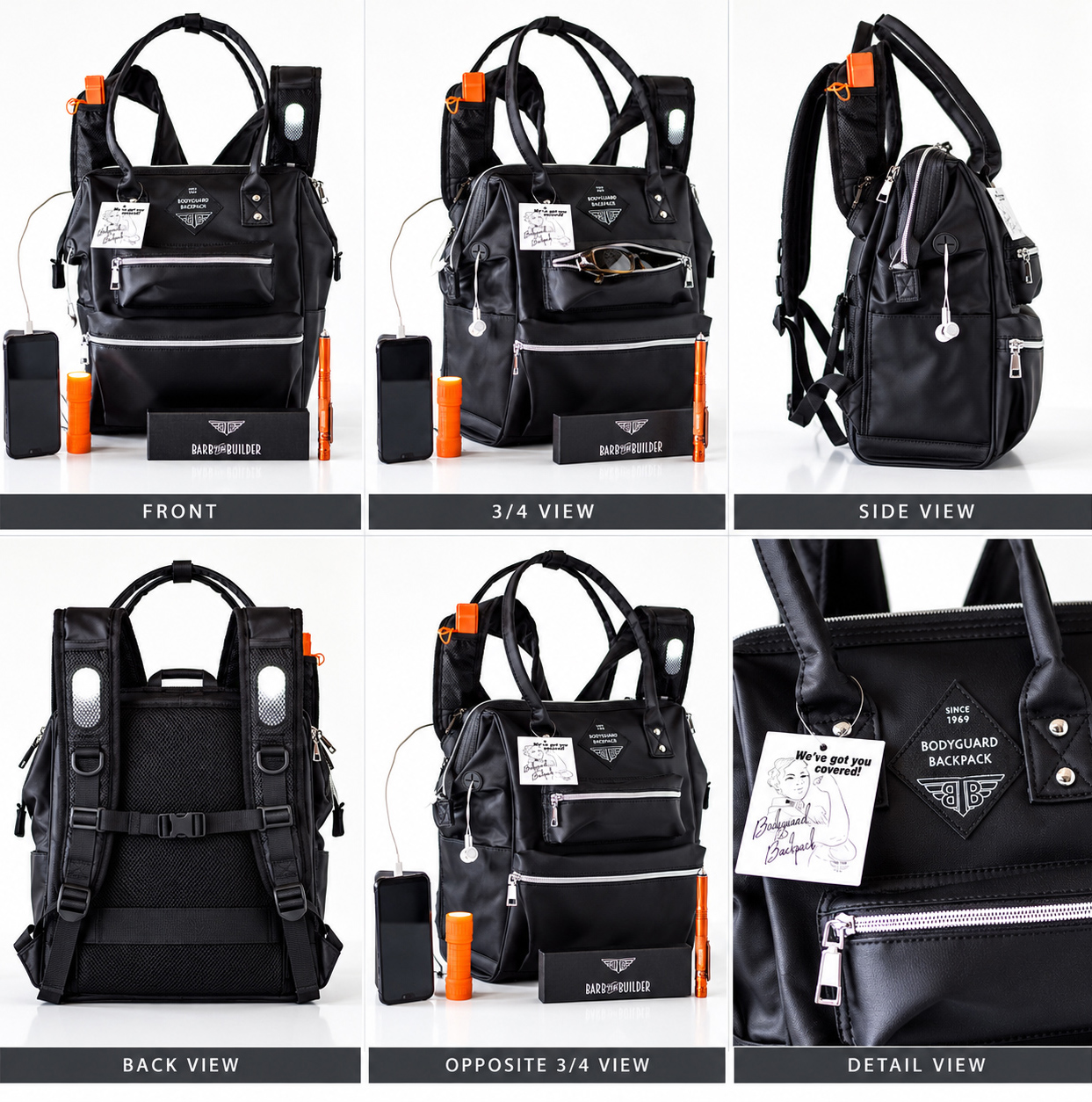
PROJECT EVIDENCE — 01
DOCUMENTATION STUDY — CONSISTENT PRODUCT VIEWS THAT MAKE COMPARISON EASIER
This proof direction shows how recurring product views can make structure, front readability, silhouette consistency, and visible updates easier to compare across time.
The value comes from keeping the visual logic stable enough for change to remain legible.
PROJECT EVIDENCE — 02
DOCUMENTATION STUDY — REFINED IMAGE DIRECTION DISTINGUISHING HERO, FUNCTION, AND DETAIL PURPOSES
This proof direction shows how a stronger photographic system reduces visual confusion by separating main communication roles more clearly.
The viewer can understand what the image is trying to do before deciding whether it does it well.
That creates stronger immediate hierarchy.
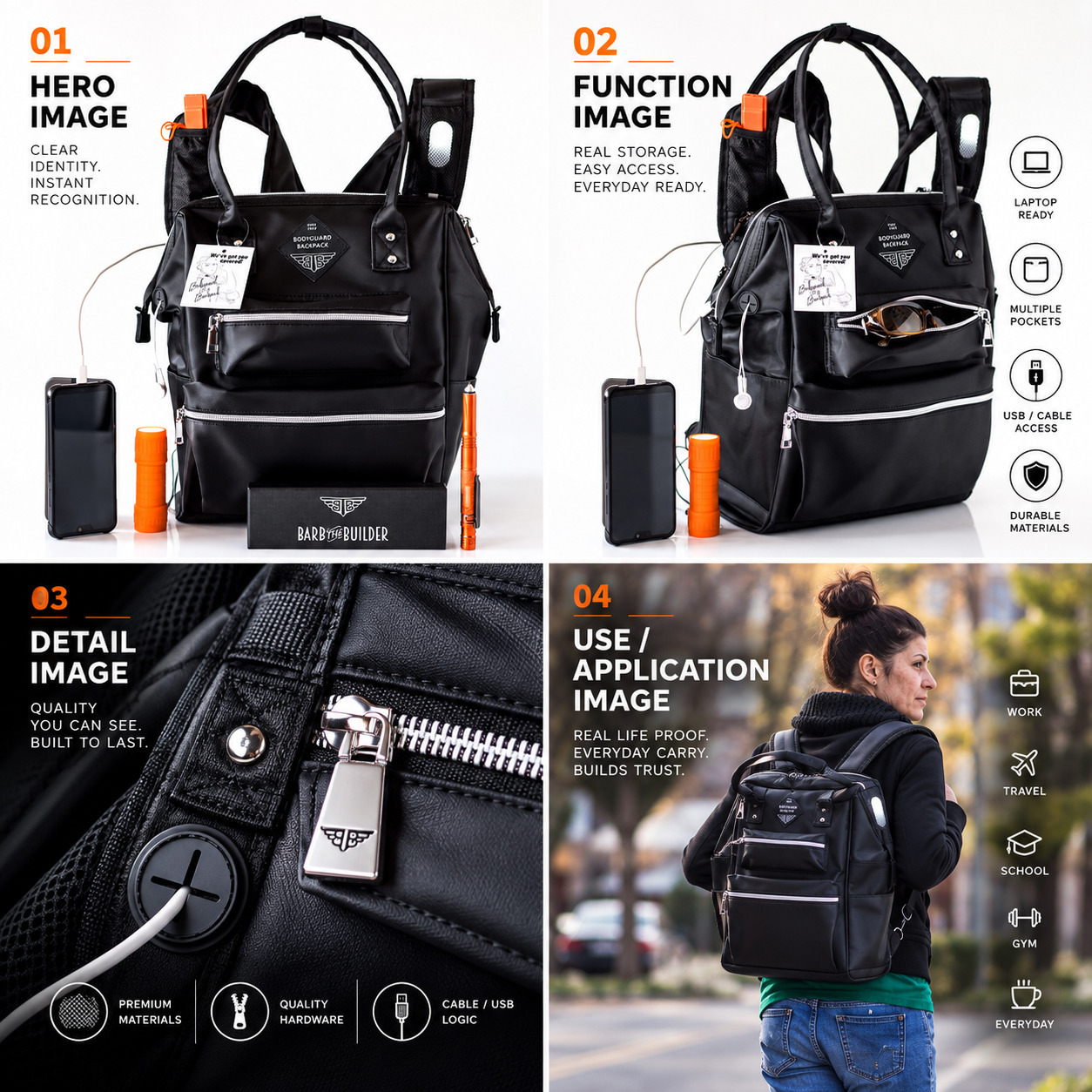
PROJECT EVIDENCE — 03
REAL-WORLD APPLICATION — PROGRESS REVIEWED AS A PROFESSIONAL IMAGE SYSTEM
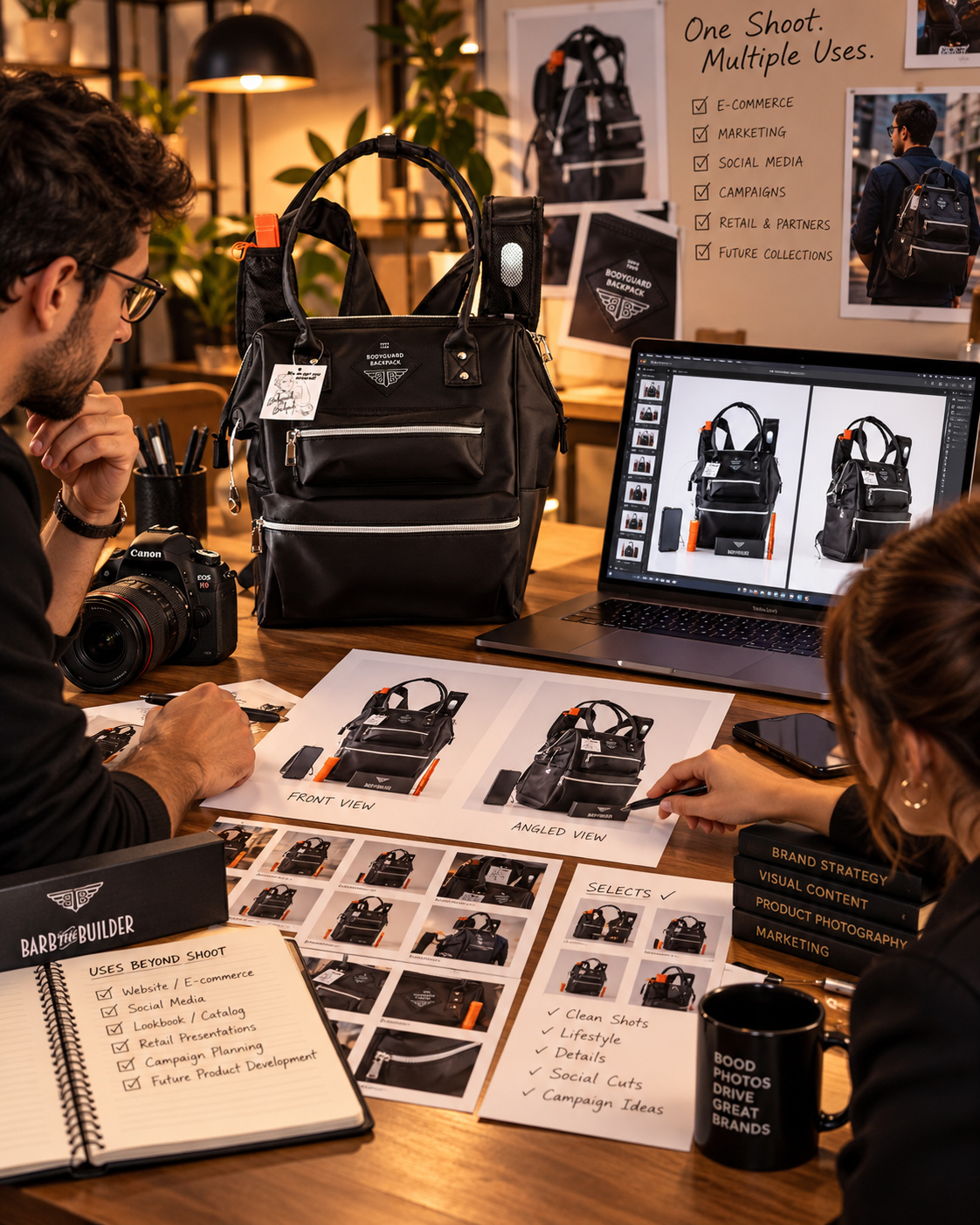
This proof direction places repeated photography into a more realistic working context.
It helps the team evaluate what improved, what stayed active, what still needs refinement, and what the next photographic return should solve.
This is where photography stops behaving like isolated output and starts behaving like an applied visual resource.

REPEATED PHOTOGRAPHY BECOMES MORE USEFUL WHEN PEOPLE CAN SEE WHAT HAS CHANGED, WHAT STILL WORKS, AND WHAT THE NEXT IMAGE SHOULD CLARIFY.
WHEN PHOTOGRAPHY BECOMES A RESOURCE FOR WHAT COMES NEXT
WHY THIS EXAMPLE MATTERS
Professional Photography does not stop creating value when the shoot ends.
When selected frames, repeatable viewpoints, subject hierarchy, function studies, and application logic remain connected, the work becomes easier to review, compare, extend, and reuse.
The image record preserves more than appearance.
It preserves how the subject was understood at that moment.
That changes what completion means.
Instead of leaving behind disconnected files, the work becomes a structured visual resource for communication, refinement, comparison, future planning, and return shoots.
The frame is finished.
Its usefulness should not be.
VALUE BEYOND THE SHOOT
PHOTOGRAPHY BECOMES MORE USEFUL WHEN ITS CONTEXT REMAINS AVAILABLE
The image preserves what was visible.
The wider visual system preserves why that image mattered.
Together, they can support:
- progress comparison
- client presentation
- product review
- listing refinement
- future campaign planning
- and later production decisions
This is where Photography becomes more than capture.
It becomes continuity, reference, and reusable visual knowledge.
Strong photography should not disappear into a folder.
It should remain available as a foundation for what comes next.
LONG-TERM PHOTOGRAPHIC VALUE
THE STRONGEST IMAGE SYSTEMS MAKE FUTURE RETURNS EASIER TO BUILD
A product evolves.
Its photographic logic should not have to restart from zero every time.
When viewpoints, framing discipline, feature priorities, repeated proof images, and application context remain connected, the next shoot can begin with understanding rather than reconstruction.
That makes repeated photography more useful.
Not because more files exist.
But because each return can build on what the previous images already made clear.
It becomes infrastructure for comparison, continuity, and future communication.
THE SHOOT ENDS.
THE VISUAL KNOWLEDGE SHOULD REMAIN AVAILABLE.
FROM PHOTOGRAPHIC CAPTURE TO LASTING VISUAL VALUE
A Strong Photography System Turns A Product Into Visual Knowledge People Can Understand, Compare, And Use Again
The strongest product photography does more than produce attractive images.
It preserves subject priority, use context, detail clarity, feedback, and continuity so the work remains useful after the shoot is complete.
A single product image can show what exists.
Professional Photography should reveal more.
It can establish what the subject is, how it should be read, what deserves attention first, and which details support trust.
Across the five sections explored in this article, one principle keeps returning:
product photography becomes more valuable when every visual decision improves understanding.
Subject priority creates orientation.
Use context creates relevance.
Detail creates evidence.
Feedback protects direction.
And continuity allows future image cycles to build on what has already been clarified.
These responsibilities are different.
But none of them is strongest in isolation.
Without hierarchy, styling can become distraction.
Without use context, product beauty can remain abstract.
Without detail, trust becomes thinner.
Without feedback, mistakes survive.
And without continuity, future shoots produce more files while making comparison harder.
Professional Photography therefore does not make a product feel more complicated.
It makes its visual logic more legible.
It allows viewers to understand not only what is visible, but what matters, how the product works, what has improved, and where attention should move next.
THE CAMERA RECORDS THE SUBJECT.
PROFESSIONAL PHOTOGRAPHY PRESERVES THE UNDERSTANDING THAT MAKES THE SUBJECT USEFUL.
THE FIVE DIMENSIONS OF PHOTOGRAPHY THAT CONTINUE TO CREATE VALUE
Subject Priority defines where understanding begins.
Use Context connects the subject to real application.
Detail gives visible proof.
Feedback verifies that the intended message is actually working.
Continuity keeps repeated photography comparable and useful.
Together, these five dimensions transform isolated product images into a professional visual system that can be understood, reviewed, compared, presented, and used again without rebuilding the subject story from the beginning.
A PRODUCT IMAGE MAY SHOW THAT SOMETHING LOOKS PREMIUM.
STRONG PHOTOGRAPHY EXPLAINS WHAT THAT SUBJECT IS, HOW IT SHOULD BE READ, AND WHY IT REMAINS USEFUL NEXT TIME.
FROM PHOTOGRAPHIC DIRECTION TO LONG-TERM USE
Key Takeaways
Professional Photography creates greater value when every image knows what it must communicate — and every visual decision helps make that meaning clear.
Professional Photography creates greater value when every image decision contributes to clarity, readability, and future use rather than visual impact alone.
The five principles explored throughout this article lead to one larger idea:
product photography becomes professionally useful when people can understand not only what they are seeing, but why that view, that detail, and that sequence matter.
01 —
SUBJECT
BEFORE
STYLING
Photography should decide what the viewer needs to understand before it decides how the set should impress.
The subject, hierarchy, and intended use should determine where the frame begins.
A stronger image starts when attention is guided on purpose.
02 —
USE
BEFORE
VARIETY
More images do not automatically create more value.
Professional product photography becomes more useful when each view has a role.
A useful sequence shows hero, function, detail, and application with clear intent.
03 —
DETAIL
BEFORE
DECORATION
A premium surface is not the same as proof.
Close detail should confirm material quality, construction, access, and use logic without becoming visual noise.
Trust grows when the small things are made readable, purposeful, consistent, and easy to understand.
04 —
FEEDBACK
BEFORE
ASSUMPTION
A photograph should be evaluated while correction is still possible.
Live review helps confirm whether subject priority, clarity, and use logic are actually working.
Professional feedback turns image-making into a controlled decision process.
05 —
CONTINUITY
BEFORE THE
NEXT RETURN
Repeated photography becomes more valuable when future shoots can be compared with a known visual reference.
Consistent framing, recognizable priorities, and preserved context make change easier to read over time, while keeping each photographic return connected to what came before.
The next shoot should begin with what the previous one already clarified, established, and made visually understandable.
THE STRONGEST PHOTOGRAPHY IS NOT THE SHOOT THAT PRODUCES THE MOST IMAGES.
IT IS THE ONE THAT TURNS SUBJECT, USE, DETAIL, FEEDBACK, AND CONTINUITY INTO VISUAL KNOWLEDGE PEOPLE CAN RETURN TO.
REAL PROJECT EVIDENCE · BARB THE BUILDER · BODYGUARD BACKPACK
When A Shared Visual System Moves From Still Photography Into Motion Without Losing Its Identity.
A strong photography system should not end when the still image is complete.
It should establish enough visual logic, product hierarchy, detail priority, and real-use context to support the next communication format without forcing the subject to start again from zero.
For the BodyGuard Backpack, the same product world extends naturally into motion through urban lifestyle settings, studio-controlled product presentation, close-up feature emphasis, day-to-night environments, and real-use demonstrations built around the backpack’s multifunctional character. Bodyguard Backpack Project – ENG
The video does not simply repeat the photography.
It takes the same underlying communication priorities — subject recognition, functional evidence, meaningful detail, practical use, and visual continuity — and reorganizes them through movement, sequence, pacing, and time.
That distinction matters.
A consistent visual system should not make photography and video look mechanically identical.
It should make them feel as though they belong to the same product story, the same creative direction, and the same visual intelligence.
THE FORMAT CHANGES.
THE PRODUCT LANGUAGE REMAINS RECOGNIZABLE.
REAL PROJECT EVIDENCE · BARB THE BUILDER · BODYGUARD BACKPACK
From Photographic Clarity To One Continuous Product Experience.
The completed BodyGuard Backpack video shows how a still-photography system can expand into motion while preserving the product priorities already established through the wider visual project.
The production uses an on-the-go narrative built around travelers, commuters, and urban users, while day and night settings reinforce the backpack’s practical, tactical, and multifunctional character.
Movement adds sequence without replacing hierarchy.
Close-up detail gives functional features enough time and emphasis to be understood.
Real-use context proves that the backpack is not only designed to look capable, but to operate within everyday travel and urban situations.
Day-to-night progression extends the product story across different conditions while keeping the visual identity coherent.
And feature-led editing and graphic callouts help transform physical details into communication that can be understood quickly within an Amazon and D2C environment.
What matters is not that every moving shot reproduces a still photograph frame for frame.
What matters is that the same visual priorities remain legible beneath a different medium.
The photography defines the subject.
The details establish evidence.
The real-world context explains use.
The motion creates sequence.
The finished video connects those decisions into one continuous product experience.
The project material positions this video as a key Amazon and advertising asset within the wider BodyGuard visual system, extending the product presentation beyond static imagery into motion-led communication.
CONTINUITY DOES NOT MEAN REPEATING THE SAME IMAGE IN MOTION.
IT MEANS KNOWING WHICH VISUAL PRINCIPLES SHOULD SURVIVE WHEN THE FORMAT CHANGES.
FROM PHOTOGRAPHIC DIRECTION TO LASTING VISUAL VALUE
A Strong Photography System Turns Individual Images Into A Clear Visual Record People Can Understand, Compare, And Use Again
The strongest Professional Photography does more than produce attractive images. It connects intent, image logic, hierarchy, feedback, and continuity so every photograph contributes to a clearer and more useful visual system.
A strong photograph can create attention.
Professional Photography must do more.
It should clarify what matters, what should be noticed first, what each image contributes, and how separate photographs work together rather than compete for attention.
Across the five sections explored in this article, one principle keeps returning:
photography becomes more valuable when every image decision strengthens understanding.
Intent defines what the photograph must make clear.
Image logic determines why one view exists beside another.
Hierarchy controls what the viewer reads first.
Feedback confirms whether the intended result is actually working.
And continuity allows later photography to build on what has already been established.
These responsibilities are different.
But none of them is strongest in isolation.
Intent without hierarchy can remain unclear.
Beautiful images without image logic can become repetition.
Detail without priority can become visual noise.
Photography without feedback can preserve the wrong decision beautifully.
And repeated shoots without continuity can create more files while making comparison harder.
Professional Photography therefore does not simply make a subject look better.
It makes the subject more legible, more comparable, and more useful.
It allows the viewer to understand not only what is visible, but what matters, how images relate, what has changed, and what should remain available for future use.
THE CAMERA RECORDS THE SUBJECT.
PROFESSIONAL PHOTOGRAPHY PRESERVES THE VISUAL LOGIC THAT MAKES THE SUBJECT UNDERSTANDABLE.
THE FIVE DIMENSIONS OF PHOTOGRAPHY THAT CONTINUE TO CREATE VALUE
Intent defines what the image must communicate before the camera begins collecting options.
Image Logic gives separate photographs distinct roles so the visual story develops instead of repeating itself.
Hierarchy determines what should be read first and what should remain supporting context.
Feedback confirms whether the intended photographic result is working while correction is still possible.
Continuity allows future photography to remain comparable, recognizable, and useful without rebuilding the visual system from zero.
Together, these five dimensions transform separate photographs into a professional visual system that can be understood, reviewed, compared, applied, and used again across future communication needs.
A BEAUTIFUL PHOTOGRAPH MAY SHOW THAT A SUBJECT WAS CAPTURED WELL.
STRONG PROFESSIONAL PHOTOGRAPHY EXPLAINS WHAT MATTERS — AND PRESERVES THAT CLARITY FOR WHAT COMES NEXT.
WHEN PHOTOGRAPHY BECOMES A REFERENCE FOR WHAT COMES NEXT
WHY THIS EXAMPLE MATTERS
Professional continuity becomes visible when photography remains understandable after the production moment has passed.
The shoot is complete.
The product may evolve.
The application may expand.
But the selected views, comparisons, and reasoning behind them can still support the next review, listing, campaign, or return shoot.
At that point, photography stops functioning only as content.
It becomes part of the visual memory of the product.
That is where professional Photography gains value beyond capture.
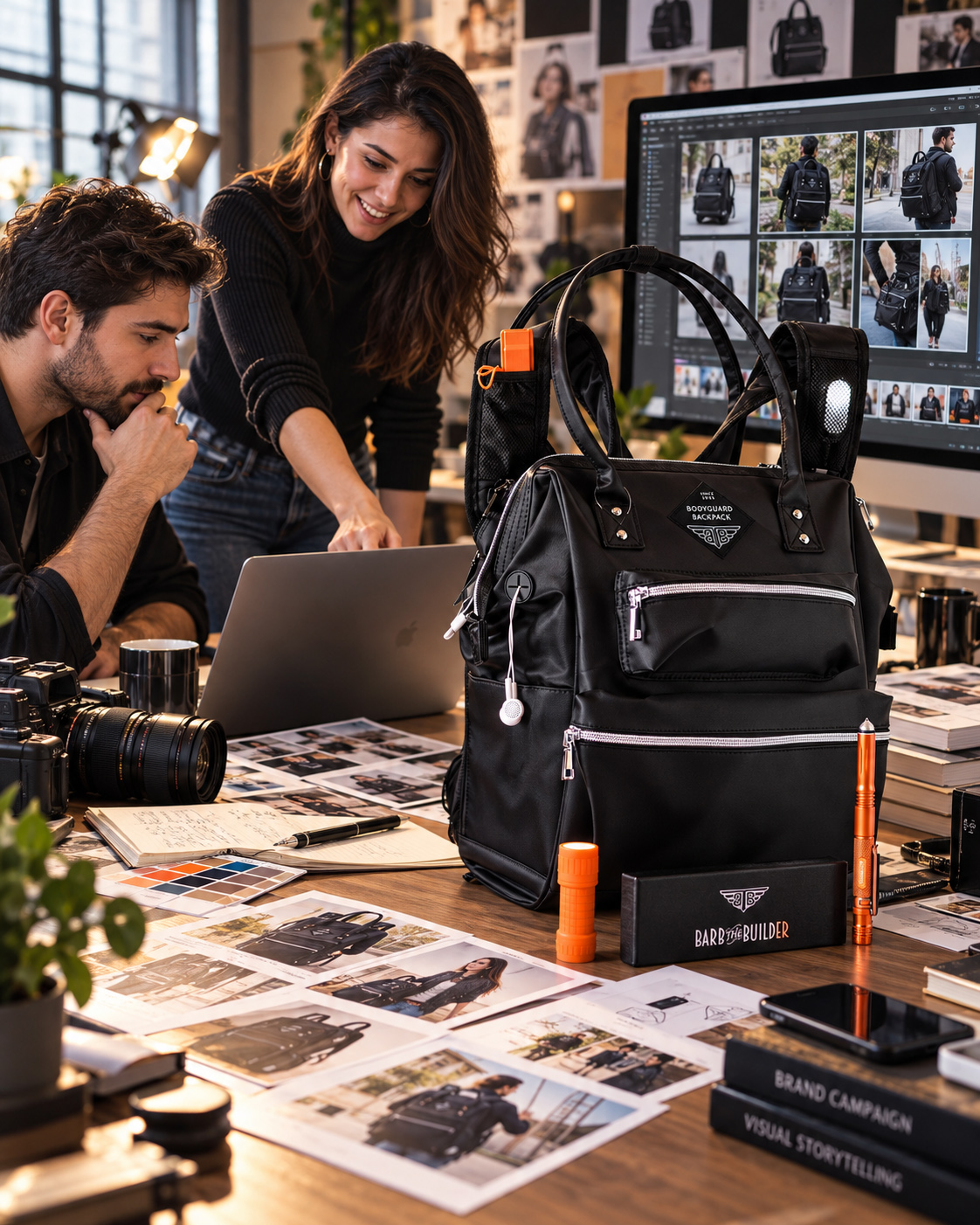
PHOTOGRAPHIC CONTINUITY BEYOND THE SHOOT
A completed photography system creates long-term value when its subject logic, comparisons, and use context remain available for what comes next.
The set may be cleared.
The files may be delivered.
But the understanding created through the shoot should remain usable.
Strong photography leaves behind more than attractive visuals.
It leaves behind a reference for understanding the subject again, comparing what changes, and approaching the next visual decision with greater clarity.
THE SHOOT ENDS.
THE VISUAL KNOWLEDGE SHOULD NOT.
FROM PRODUCT CAPTURE TO VISUAL INTELLIGENCE
A final conclusion visual should condense the entire article into one professional editorial statement: Photography becomes more valuable when it builds a system people can read, review, and use again.
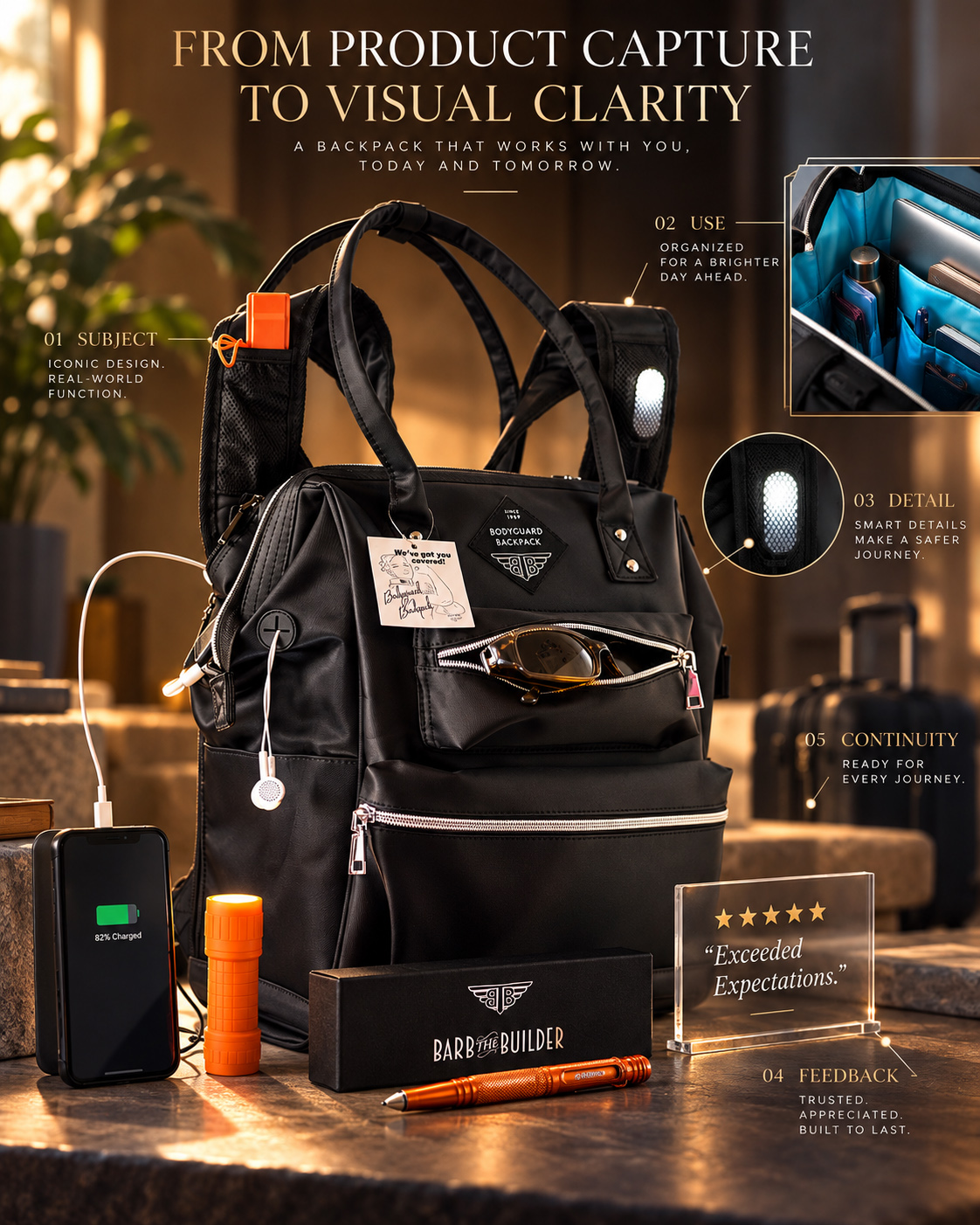
FINAL VISUAL CONCLUSION
Professional Photography turns product views into lasting understanding.
The image should summarize the article’s full idea through one clear visual system:
subject priority, use context, detail evidence, review logic, and continuity.
This is where photography stops behaving like isolated output and starts behaving like usable visual knowledge.
BETWEEN CAPTURE AND CLARITY, PROFESSIONAL PHOTOGRAPHY BUILDS THE BRIDGE.