

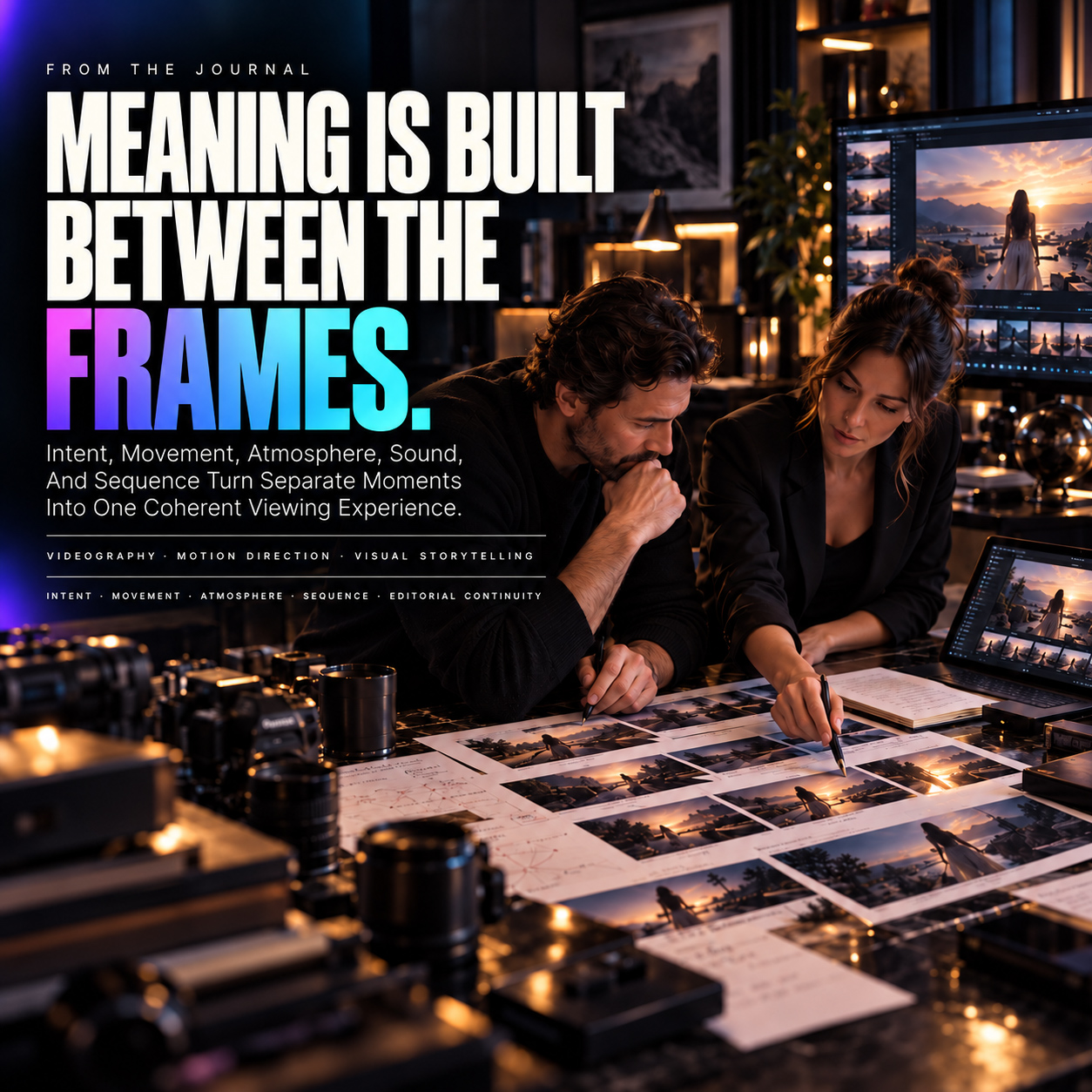
FROM ISOLATED SHOTS TO COHERENT VIDEO MEANING
Videography Becomes Valuable When Separate Moments Begin To Work As One Viewing Experience.
Strong Videography is not defined by how attractive one shot looks. It is defined by how clearly the work helps the viewer understand, feel, and remember what matters.
Footage can create immediate visual impact. Light, movement, material, pace, and atmosphere can all attract attention before the audience has understood what the video is actually communicating.
But visual appeal alone does not create clarity.
A product film may need to reveal detail, ritual, and value at once. A brand video may need to connect mood, behavior, and identity. A space or hospitality sequence may need to make arrival, energy, and environment readable within one controlled flow.
In each case, the value of the work comes from meaning that becomes legible because the sequence has been shaped with purpose.
That makes professional Videography a communication discipline before it becomes a capture discipline.
Intent defines purpose. Movement directs attention. Atmosphere shapes emotional reading. Sequence creates continuity. Editorial Continuity determines how the material remains useful after delivery.
The same subject can therefore communicate very different meaning depending on what is shown first, what is withheld, how movement behaves, how rhythm is controlled, and how one moment leads into the next.
A close detail can build trust. A reveal can create anticipation. A slower moment can give emphasis. A transition can reposition attention. None of these choices matter by default.
Their value depends on what the sequence needs to explain.
This is why strong Videography direction begins before recording starts. The work must already know what needs to become visible, what emotional tone supports that message, where attention should move, and what understanding should remain after the sequence ends.
The objective is not to make every shot feel cinematic.
It is to make the sequence meaningful.
THE STRONGEST VIDEO DOES NOT SIMPLY SHOW MORE OF A SUBJECT.
IT MAKES THE RIGHT RELATIONSHIPS EASIER TO SEE, FEEL, UNDERSTAND, AND REMEMBER.
FROM INDIVIDUAL SHOTS TO ONE COMMUNICATION SYSTEM
What Videography Must Resolve Before The Sequence Becomes Meaningful
Intent. Movement. Atmosphere. Sequence. Editorial Continuity.
A strong video sequence is not created by collecting beautiful footage and deciding what it means later.
It depends on whether each decision contributes to one clearer reading of the subject.
Intent determines what the work is actually trying to communicate.
It asks the first question of every sequence:
What should the viewer understand, feel, or trust more clearly by the end of this video?
Movement organizes attention through time.
A push, track, reveal, follow, or shift in pace should not exist only because it looks dynamic. Its path should help the viewer discover information in a deliberate order.
Atmosphere shapes emotional interpretation.
Light, texture, color, sound, rhythm, and environmental tone influence what the footage says about the subject — not merely how polished it appears.
Sequence determines how separate moments become one experience.
An individual shot may be strong on its own, but its real value depends on what comes before it, what follows it, and what role it plays inside the whole structure.
Editorial Continuity determines what the material can accomplish after production.
A sequence built for launch, campaign storytelling, product education, presentation, hospitality promotion, or long-term editorial use may require very different videography decisions.
These five areas depend on one another.
A visually strong sequence can still communicate very little if intent is weak. Atmosphere can become decorative when it does not support meaning. Movement can become noise when it reveals nothing new. Well-shot footage can lose value when nobody has considered how it will later be structured, edited, and used.
The five sections that follow examine these responsibilities individually:
Intent Before Coverage.
Movement Before Decoration.
Atmosphere Before Mood Alone.
Sequence Before Beautiful Fragments.
Editorial Continuity Before Disposable Footage.
Together, they shift the question away from whether a video looks impressive and toward something more useful:
Does this sequence help the audience understand the subject more clearly, feel its value more strongly, and remember what matters after the video ends?
VIDEOGRAPHY BECOMES STRATEGIC WHEN INTENT, MOVEMENT, ATMOSPHERE, SEQUENCE, AND FINAL USE ARE TREATED AS PARTS OF THE SAME COMMUNICATION DECISION.
VIDEOGRAPHY PLANNING — FROM INTENT TO EDITORIAL SEQUENCE
WHY THIS MODEL MATTERS
The work begins before the first clip is recorded.
A professional Videography plan connects the subject, message, movement logic, emotional tone, sequence structure, and final communication purpose before individual shots are captured.
Viewed separately, many production decisions may appear technical.
Viewed together, they form the logic that determines what the audience will notice, how the video will be felt, how the sequence will be understood, and why one moment should lead to the next.
That is the difference between footage that merely exists and footage that is built to communicate.
EDITORIAL MODEL
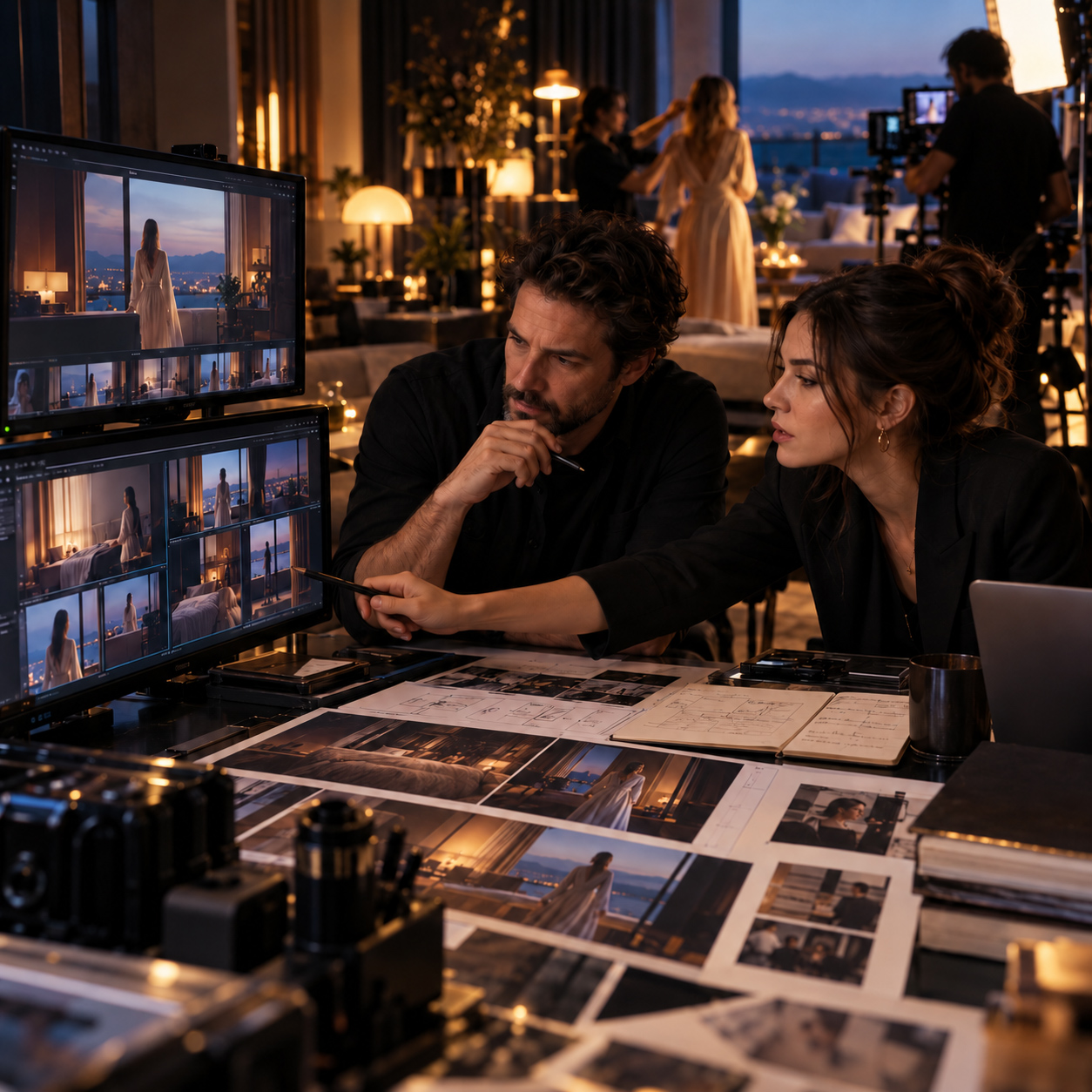
One Sequence — Intent, Movement, Atmosphere, Sequence, And Editorial Continuity.
The visual introduces Videography as a coordinated system of decisions rather than a collection of isolated shots — establishing the framework the five sections ahead will examine in greater depth.
01 —
INTENT BEFORE FOOTAGE
WHY IT MATTERS
Professional Videography begins by defining what the sequence must communicate.
A scene can be visually strong from many angles, but not every shot explains the same thing.
Before production begins, the team must establish what matters most, which relationship should become visible, what emotional shift the viewer should feel, and what the sequence is expected to achieve.
That decision shapes everything that follows.
Shot size changes what the viewer notices first.
Movement determines what is revealed and in what order.
Lighting influences mood, clarity, and emphasis.
Performance gives human context.
Sound helps the moment feel present and believable.
The strongest sequence begins with a simple question:
What should the viewer understand after watching this scene?
Without that answer, technically polished footage can remain visually attractive but strategically unclear.
Intent gives every later production decision something to serve.
COMMON FAILURE
WHEN THE CAMERA STARTS MOVING BEFORE THE VISUAL QUESTION IS DEFINED
Video production can quickly generate beautiful material.
Wide establishing shots, detail inserts, slow tracking moves, handheld moments, atmospheric cutaways, and performance fragments may all look valuable on their own.
The problem appears when they are captured without a shared communication priority.
One shot may emphasize product detail.
Another may prioritize space.
Another may follow movement.
Another may focus on emotion.
Another may chase atmosphere.
Yet nothing determines which idea matters first, which shot should prepare the next, or what the viewer is supposed to carry forward.
The result is often more footage than meaning.
The scene has been recorded.
But its viewing logic has not been directed.
WHEN A SCENE IS FILMED BEAUTIFULLY WITHOUT ESTABLISHING WHAT THE VIEWER NEEDS TO UNDERSTAND
WHY THIS EXAMPLE MATTERS
Imagine a premium hospitality or lifestyle location filmed through multiple elegant setups.
The production captures wides, mediums, close details, talent movement, design atmosphere, and polished cinematic inserts.
Every individual shot may be technically successful.
But if the production never establishes whether the sequence should explain arrival, flow, interaction, product value, mood, or brand perception, the footage begins to compete with itself.
The viewer receives impressions.
It does not necessarily receive direction.
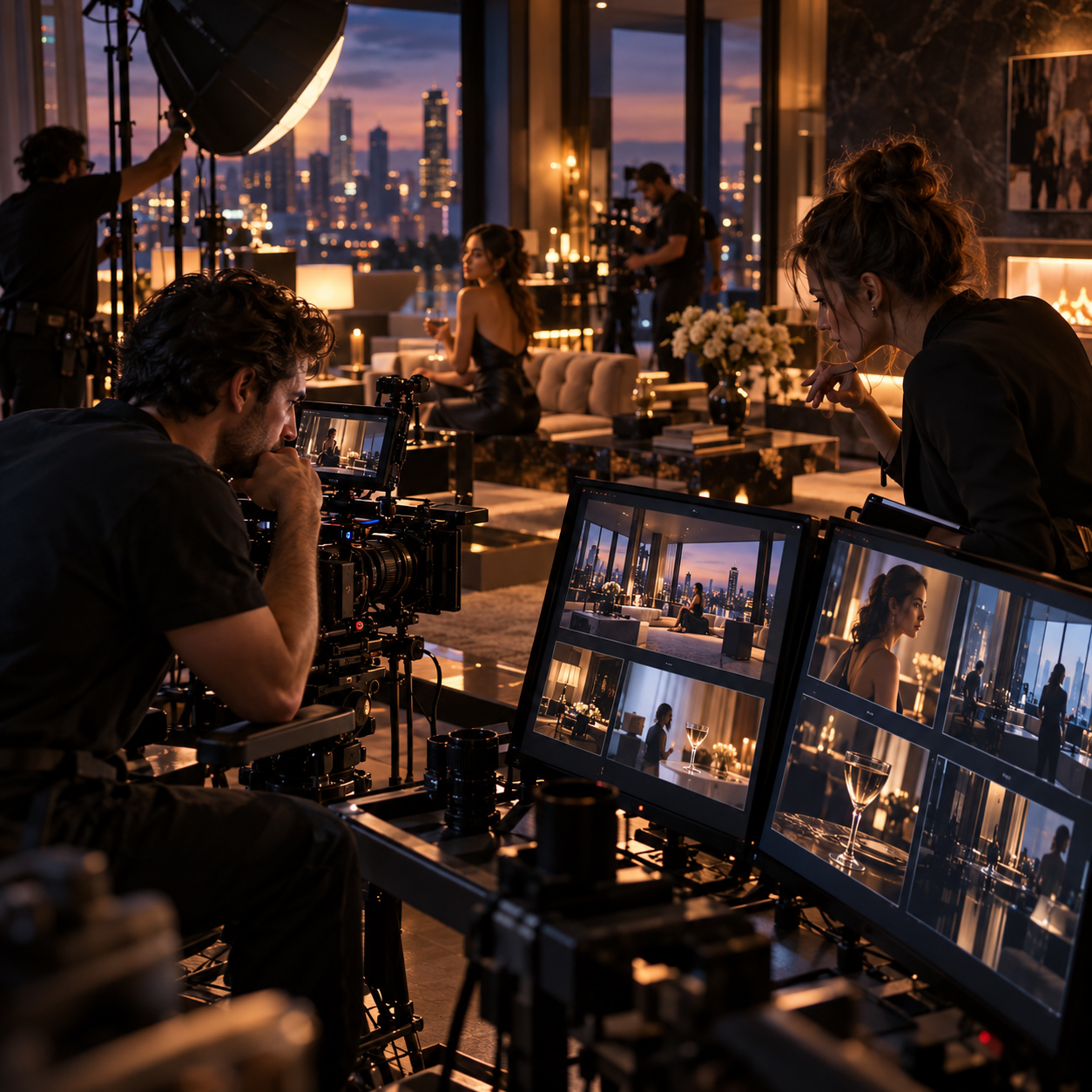
WHAT NOT TO DO — FILM FIRST AND DECIDE WHAT THE SCENE MEANS LATER
Capturing more footage does not automatically create a stronger video sequence.
When purpose remains undefined, framing, movement, performance, atmosphere, and sound become isolated choices instead of parts of one coherent editorial system.
BETTER
INTENT
DIRECTION
DEFINE THE VISUAL QUESTION BEFORE THE SHOOT
Begin with the communication requirement.
What must become clear?
What should the viewer understand first?
What relationship should the sequence reveal?
What emotional or spatial shift matters most?
Which shot provides context?
Where should movement introduce new information?
What can remain secondary?
A strong video sequence can then follow a deliberate logic:
Intent → Subject → Shot Priority → Movement → Performance → Atmosphere → Timing
The objective is not to restrict creative exploration.
It is to make exploration useful.
VIDEOGRAPHY
DIRECTION
ONE SCENE. DIFFERENT PURPOSES. DIFFERENT SHOOT LOGICS.
The same location may require completely different production decisions depending on what must be communicated to the intended audience.
A brand film may need to connect atmosphere, character, aspiration, and tone.
A product sequence may need to reveal use, detail, material quality, and value.
A hospitality film may need to communicate arrival, flow, comfort, and experience.
A documentary-style scene may need to support clarity, trust, context, and emotional presence.
Professional videography defines shot strategy, camera movement, performance direction, lighting emphasis, sound attention, and edit rhythm around the specific understanding the viewer needs.
The scene may stay the same. The purpose changes the sequence.
REAL PROJECT EVIDENCE · GREENLINE GOODS · CONSTITUTION ROCKS GLASS
When One Clear Intent Gives Every Shot A Reason To Exist.
A product film does not become coherent simply because every frame looks premium.
It becomes coherent when detail, movement, atmosphere, styling, sound, and timing all reinforce the same communication idea.
For the Constitution Rocks Glass, the engraved product detail establishes the narrative anchor. Warm ambient light, aged paper, quill, dark wood, leather, close product views, and controlled liquid movement were used to connect the glass with heritage, craftsmanship, collectibility, and premium character rather than present it as an isolated object.
The sequence can therefore move from atmosphere into product detail, from detail into interaction, and from interaction into a fuller product experience without losing its direction.
Every new shot adds information without asking the viewer to begin again.
THE STRONGEST PRODUCT VIDEO DOES NOT ASK EVERY FRAME TO COMPETE FOR ATTENTION.
IT GIVES EACH FRAME A ROLE IN THE SAME STORY.
REAL PROJECT EVIDENCE · GREENLINE GOODS · CONSTITUTION ROCKS GLASS
From Product Detail To One Coherent Motion Experience.
The finished film shows how individual production decisions become stronger when they work in sequence.
Macro views make the engraving legible. Controlled warm light gives the glass material presence. Historical styling provides context. Liquid movement introduces interaction. Editing and color grading keep those different moments inside the same visual world.
What matters is not that each shot could function as an attractive image on its own.
What matters is how one moment prepares the next.
Context establishes meaning.
Detail confirms character.
Movement creates progression.
Atmosphere protects emotion.
Sequence turns separate shots into one viewing experience.
THE VALUE IS NOT CONTAINED IN ONE FRAME.
IT IS BUILT IN THE RELATIONSHIP BETWEEN THE FRAMES.
WHEN ONE CLEAR COMMUNICATION GOAL CONTROLS THE SHOOT
WHY THIS EXAMPLE MATTERS
A controlled video sequence begins with one defined priority and builds outward from it.
An establishing shot locates the subject.
A second shot clarifies its relationship to the surrounding space.
Movement reveals access, interaction, or progression.
A closer shot introduces detail only after the wider situation is understood.
Performance adds intention only after the viewer knows where attention belongs.
The sequence becomes easier to read because every new shot adds information rather than simply changing the camera angle.
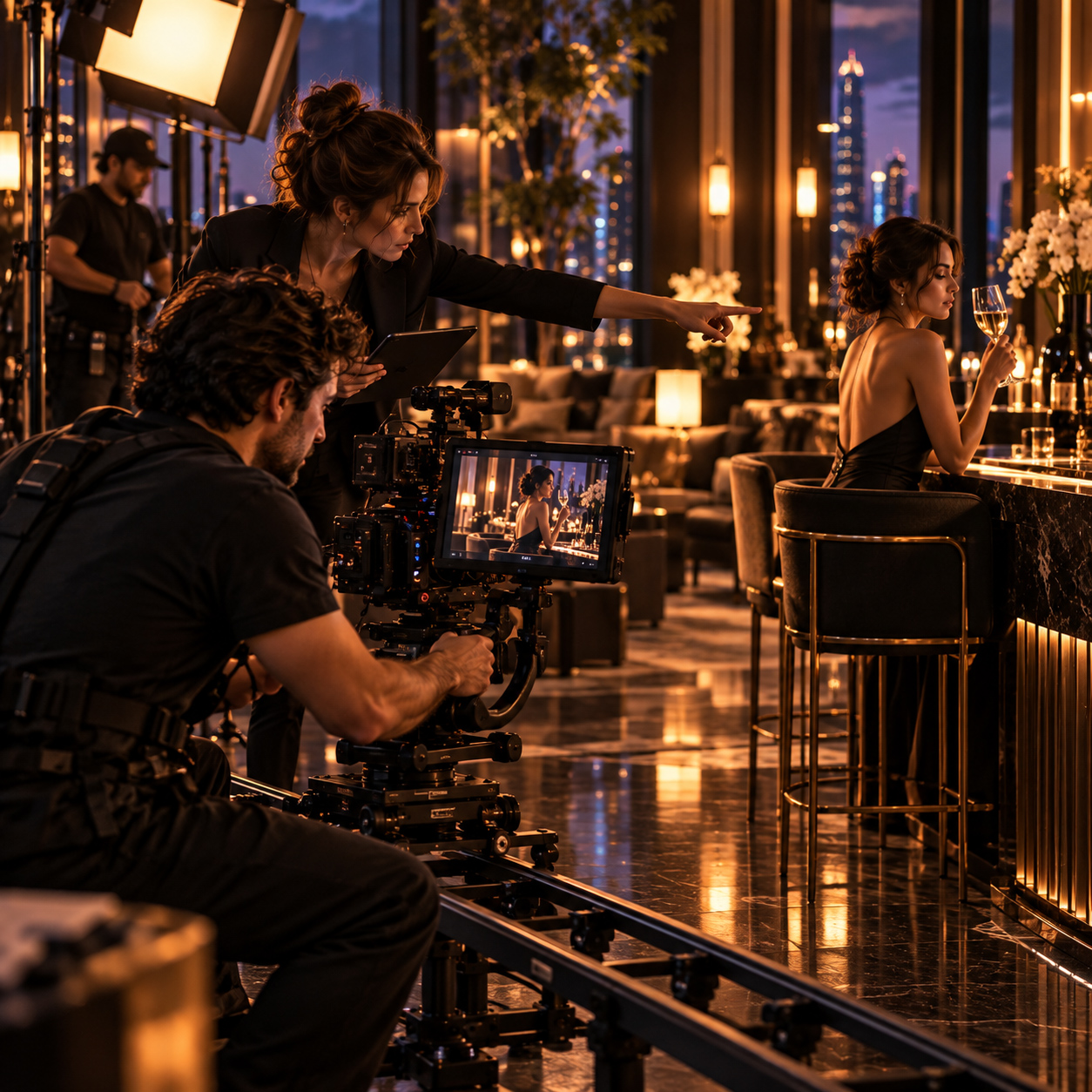
CONTROLLED SHOOT MODEL
One communication goal translated into shot order, movement, performance, atmosphere, and timing.
The strongest videography planning connects each production decision to the same visual purpose, allowing separate shots to build one coherent viewer understanding.
WHEN SEPARATE SHOTS BEGIN TO FUNCTION AS ONE COHERENT VIEWING SEQUENCE
The value of Videography grows when the viewer can understand not only what is visible, but why it appears now, how it connects to what came before, and what the next shot adds.
The footage no longer functions as a collection of isolated moments.
It begins to function as a sequence.
It produces continuity.
It produces orientation.
It produces meaning over time.
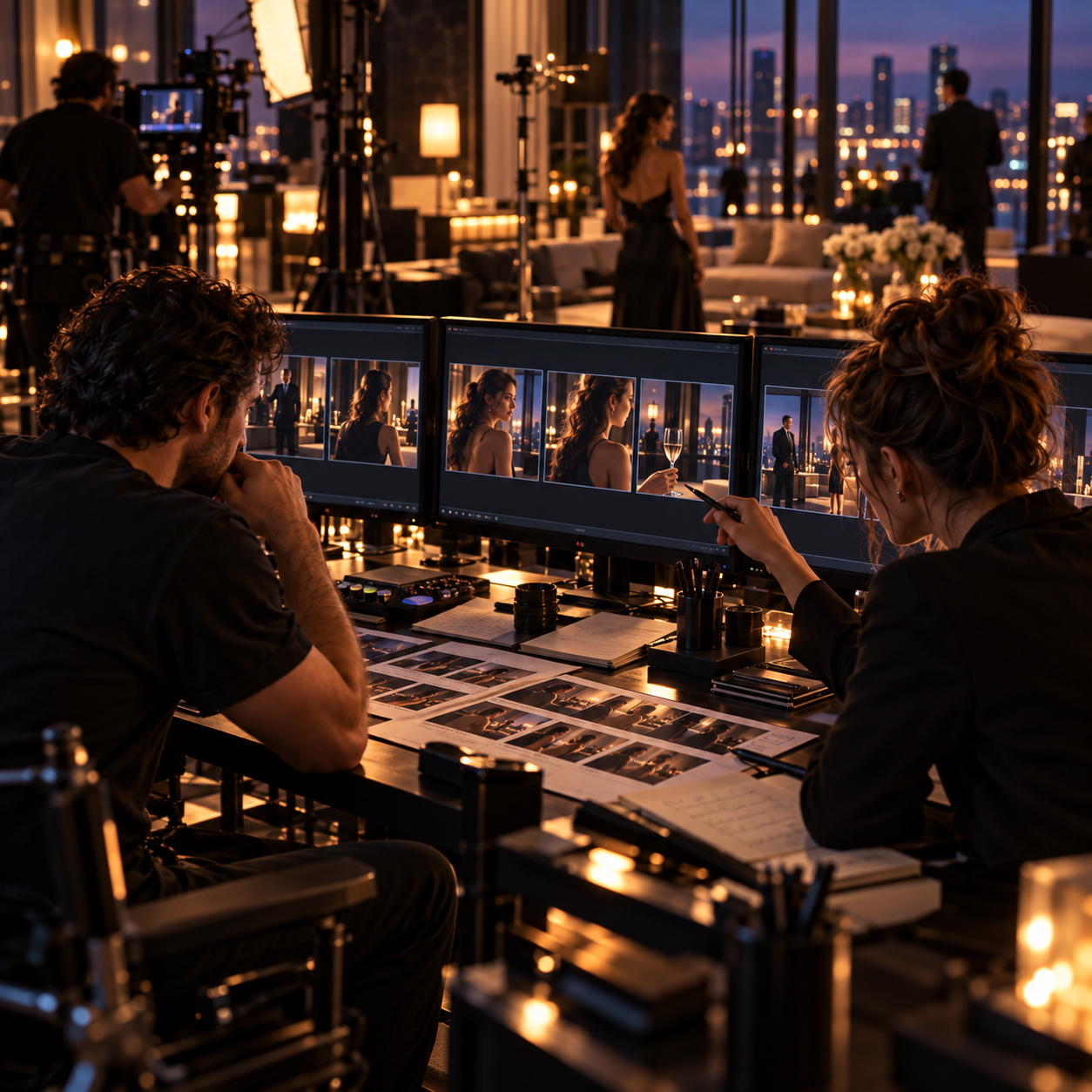
SEQUENCE CLARITY
A strong sequence reveals the subject in the order the viewer needs to understand it.
Different shot sizes, movements, performances, and tonal shifts become meaningful when each one adds a new layer of clarity without forcing the viewer to reconstruct the scene alone.
INTENT BEFORE FOOTAGE
The sequence becomes stronger when every shot has a reason to exist.
Videography is not improved simply by increasing movement, technical polish, or the number of recorded moments.
It becomes stronger when those choices answer the same communication question.
That is the difference between collecting footage and directing a viewing experience.
STRONG VIDEOGRAPHY DOES NOT BEGIN BY ASKING WHAT THE CAMERA CAN CAPTURE.
IT BEGINS BY DEFINING WHAT THE VIEWER MUST UNDERSTAND.
02 —
MOVEMENT LOGIC BUILT AROUND THE SUBJECT
WHY IT MATTERS
A moving camera can create energy, elegance, and atmosphere. That does not mean every movement helps the audience understand the subject.
Professional Videography begins by deciding what the movement must reveal—form, behavior, access, relationship, progression, or emotional shift.
Distance changes scale. Direction changes emphasis. Speed changes how much visual information the viewer can absorb before the next moment arrives.
A pan, track, orbit, reveal, push-in, or pullback should therefore never exist only because it looks cinematic.
The movement should be chosen because it makes the subject easier to understand.
Good motion logic gives each shot a role—and gives the full sequence a readable direction.
COMMON FAILURE
WHEN THE CAMERA FOLLOWS A GENERIC CINEMATIC PATTERN
Many productions rely on the same familiar movement language regardless of what is being filmed.
A slow reveal. A side track. A dramatic push-in. A handheld detail pass. A wide pullback.
Individually, those shots may look polished.
But when movement is selected before the communication objective, the sequence can become visually active while remaining structurally unclear.
A reveal may hide context.
A push-in may create intensity while weakening orientation.
A lateral move may look elegant while explaining very little.
A fast series of angles may create stimulation without creating understanding.
The problem is not movement itself.
The problem is using movement without deciding what that movement must explain.
WHEN EVERY CAMERA MOVE TRIES TO CREATE IMPACT
WHY THIS EXAMPLE MATTERS
Imagine a premium hospitality interior filmed through a sequence of beautiful glides, reveals, and atmosphere-led moments.
Each shot feels refined.
Yet the viewer repeatedly loses the relationship between the main subject, the surrounding space, the route through the scene, and the reason one shot follows the next.
The result contains style—but little cumulative understanding.
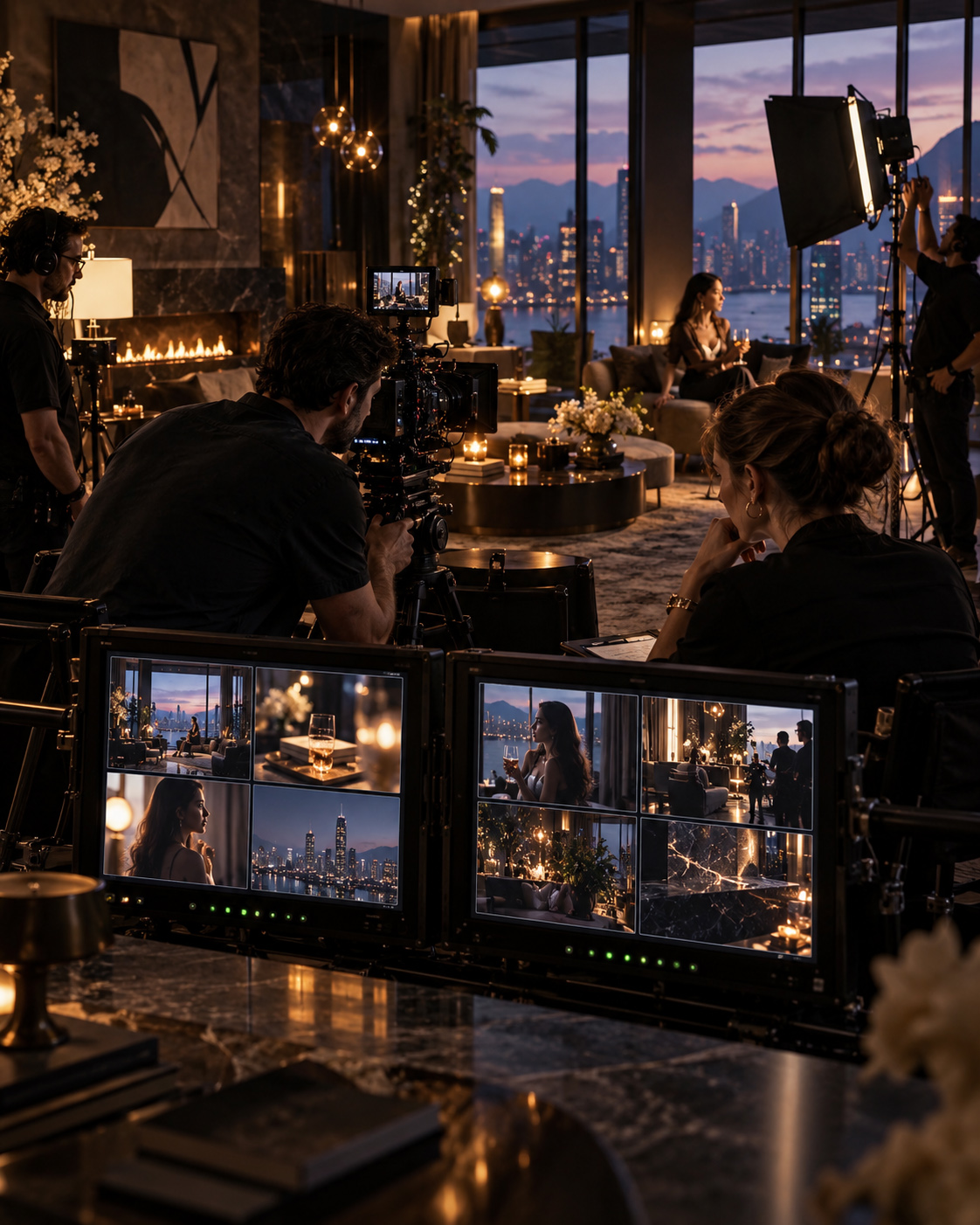
WHAT NOT TO DO — Build The Sequence Around Favourite Camera Moves
A production becomes weaker when the shot list begins with techniques rather than the information the audience needs.
Movement should serve the subject—not become the subject.
BETTER
DIRECTION
LET THE SUBJECT DETERMINE THE MOVEMENT
Begin with one question:
What must this sequence help the viewer understand?
If the priority is use, movement may clarify interaction.
If the priority is atmosphere, movement may slow perception.
If the priority is relationship, movement may connect subject and environment.
If the priority is progression, movement may guide the viewer step by step.
A strong sequence can then follow a deliberate logic:
Intent → Subject → Viewpoint → Movement → Framing → Sequence
The objective is not to reduce creativity, but to give every creative choice clearer direction.
It is to make creativity more useful by connecting each decision to a specific defined communication purpose.
MOVEMENT
LOGIC
BUILD A SEQUENCE THAT PRESERVES ORIENTATION
Strong moving-image sequences do more than connect attractive shots.
They create a clear visual progression that helps the audience understand where they are, what they are seeing, and how each new view relates to the previous one.
A recognizable axis, direction of travel, gesture, spatial cue, or repeated visual anchor can become the continuity reference that holds the sequence together.
This allows the camera to change distance, direction, and rhythm without forcing the viewer to rebuild meaning after every cut.
When that continuity is carefully planned, the movement feels cinematic without becoming visually disconnected.
Each shot carries the spatial and editorial logic forward.
The result is not simply more motion—it is a more coherent viewing system for the audience.
WHEN MOVEMENT ADDS INFORMATION INSTEAD OF REPLACING IT
WHY THIS EXAMPLE MATTERS
Consider the same subject approached through a deliberate sequence.
A wider opening view first defines the location.
A controlled movement then reveals the relationship between the subject and its surroundings.
A lateral or forward transition clarifies how one area connects to the next.
A slower pass introduces form, texture, or interaction only after the wider logic is already understood.
The camera continues moving—but the audience never has to begin understanding the scene again.
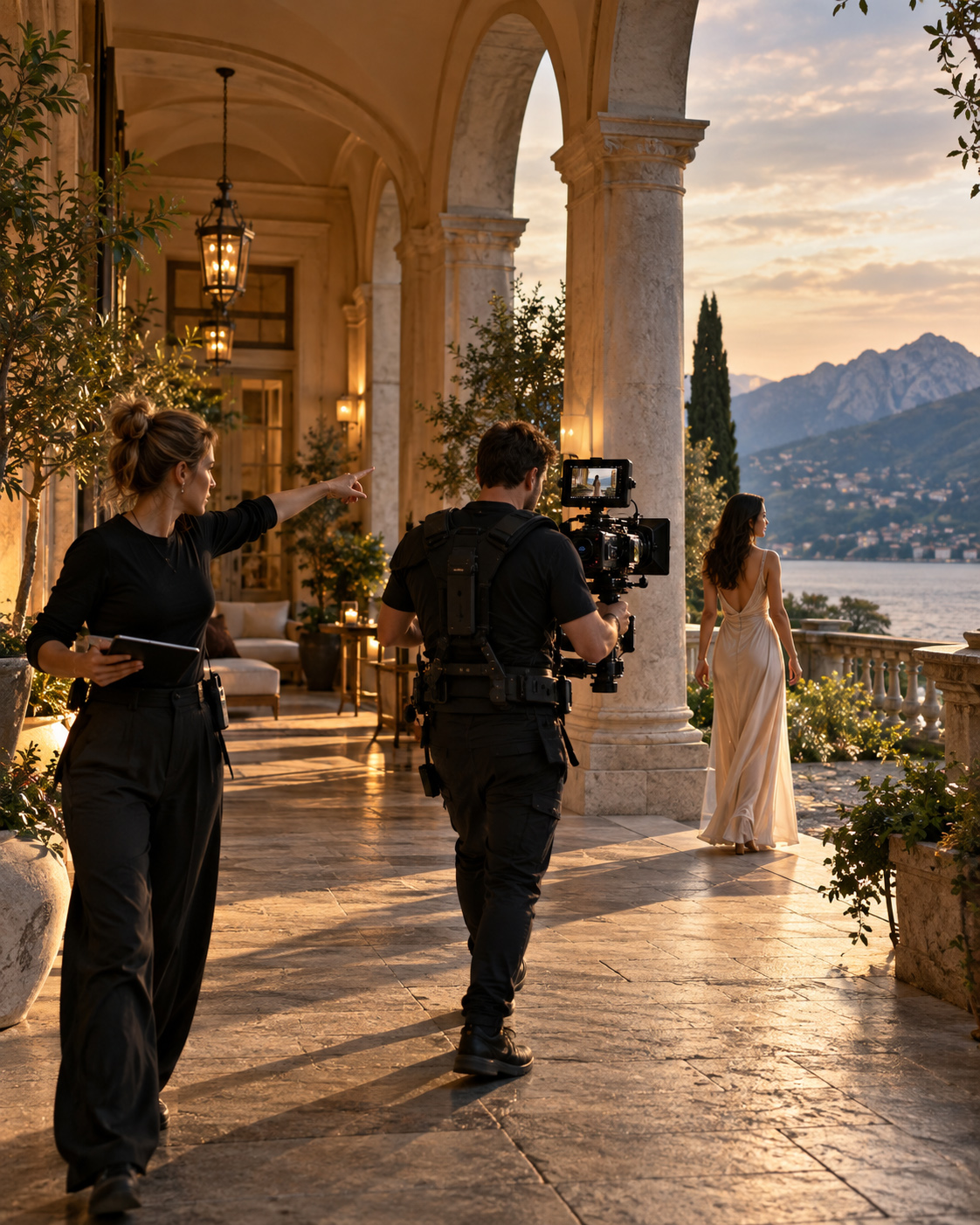
CONTROLLED MOVEMENT MODEL
One Subject — Read Through Distance, Direction, Movement, And Sequence.
This model demonstrates how different camera decisions can work together when every shot has a defined communication role.
Instead of collecting isolated cinematic moments, the sequence becomes a structure in which each perspective prepares the viewer for the next.
WHEN THE CAMERA PATH BECOMES PART OF THE EXPLANATION
A well-directed sequence can reveal information that one impressive angle cannot.
For hospitality, retail, architecture, product presentation, branded spaces, or experience-led storytelling, movement can show where attention begins, how it travels through the scene, what it connects to, and where it leads.
The path itself becomes part of the explanation.

SEQUENCE CONTINUITY
A Clear Camera Path Can Turn Separate Views Into One Continuous Understanding Of The Subject.
The strongest camera movement does not simply create energy.
It creates continuity between scale, location, direction, context, and emotional reading.
MOVEMENT INTEGRITY
The Camera Should Move Because The Meaning Requires It.
Videography becomes more valuable when camera movement, shot order, pacing, and framing are treated as communication decisions rather than as a catalog of cinematic effects.
The viewer should not only remember that the footage looked refined.
They should understand the subject more clearly because of how the camera moved around it.
A STRONG CAMERA MOVE DOES NOT SIMPLY CREATE MOTION.
IT ORGANIZES ATTENTION SO EVERY NEW VIEW ADDS SOMETHING THE PREVIOUS VIEW COULD NOT.
03 —
FRAMING BEFORE VISUAL IMPACT
WHY IT MATTERS
A video frame can contain people, space, movement, light, objects, and atmosphere at the same time.
That does not mean every visible element should compete equally.
Framing determines what becomes primary, what remains contextual, and how the viewer begins to read the scene.
Camera movement creates progression. Editing creates sequence.
But framing establishes visual hierarchy inside each shot.
A person may need to dominate the frame while the surrounding location explains scale.
A product may lead while the environment supports mood.
A spatial detail may matter because it explains use, access, or relationship.
The objective is not to remove context.
It is to organize it.
Strong Videography uses angle, distance, foreground, background, negative space, lens choice, and subject placement to make visually rich scenes easier to understand.
A strong frame does not show the most. It makes the most important relationship easiest to read.
COMMON FAILURE
WHEN A BEAUTIFUL FRAME MAKES EVERYTHING FEEL EQUALLY IMPORTANT
A visually impressive shot can still communicate very little.
Talent, architecture, props, lighting, movement, styling, and surrounding activity may all look strong at once.
But when each element carries similar visual weight, the viewer has to decide alone what matters.
The result may still feel cinematic.
It simply lacks visual direction.
This is where a video can become attractive without becoming informative.
The problem is not richness, detail, or complexity.
The problem is the absence of hierarchy.
WHEN THE WHOLE SCENE IS VISIBLE BUT THE KEY RELATIONSHIP IS NOT
WHY THIS EXAMPLE MATTERS
A polished cinematic composition may capture the full environment while failing to clarify its internal logic.
The main subject competes with surrounding architecture, secondary action, background detail, light sources, and atmospheric elements because the frame gives each one similar importance.
Nothing is technically wrong.
But the viewer receives more information than direction.
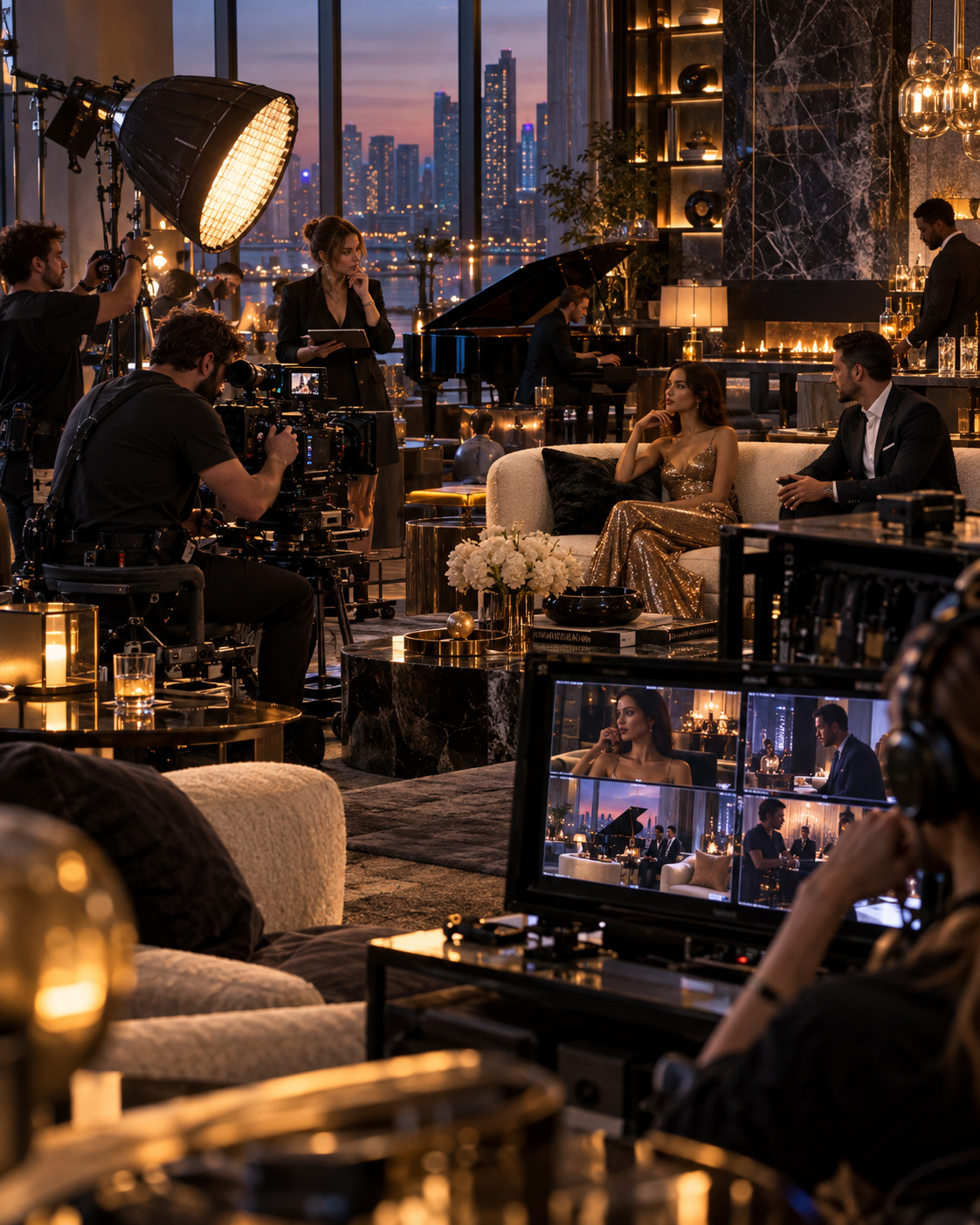
WHAT NOT TO DO — LET WIDTH REPLACE CLARITY
Showing more of a scene does not automatically explain more about it.
A frame becomes more useful when the relationship between subject, context, scale, and surrounding elements is intentional.
BETTER
DIRECTION
DESIGN THE FRAME AROUND ONE PRIMARY VISUAL RELATIONSHIP
Before deciding how wide the shot should be, define what the viewer must understand first.
A useful hierarchy may follow:
Primary Subject → Critical Relationship → Supporting Context → Secondary Detail
Ask:
- What must dominate immediately?
- What explains its scale?
- Which surrounding element gives the subject meaning?
- What can remain visible without demanding equal attention?
This does not require narrow framing.
A wider composition can still contain substantial information while giving the eye a clear place to begin for the viewer to follow.
FRAMING
CONTROL
USE ANGLE, DISTANCE, COMPOSITION, AND SUBJECT PLACEMENT TO DIRECT ATTENTION
Framing changes even when the camera moves only slightly.
A closer position may strengthen priority.
A wider distance may reveal relationships.
Foreground can establish depth.
Negative space can isolate a subject.
A horizon line can stabilize context.
Lens choice can either compress or separate visual information.
Even a small reframing decision can change which relationships become immediately visible and which remain secondary.
These are not cosmetic choices.
They determine how the shot is read.
WHEN THE FRAME MAKES THE SUBJECT AND ITS CONTEXT READ IN THE RIGHT ORDER
WHY THIS EXAMPLE MATTERS
A controlled frame allows the primary subject to establish itself immediately while surrounding elements explain rather than compete.
Performance, product, architecture, access, environment, or movement can all remain visible — but each receives a different visual role.
The viewer does not need to search for the point.
The composition has already established it.
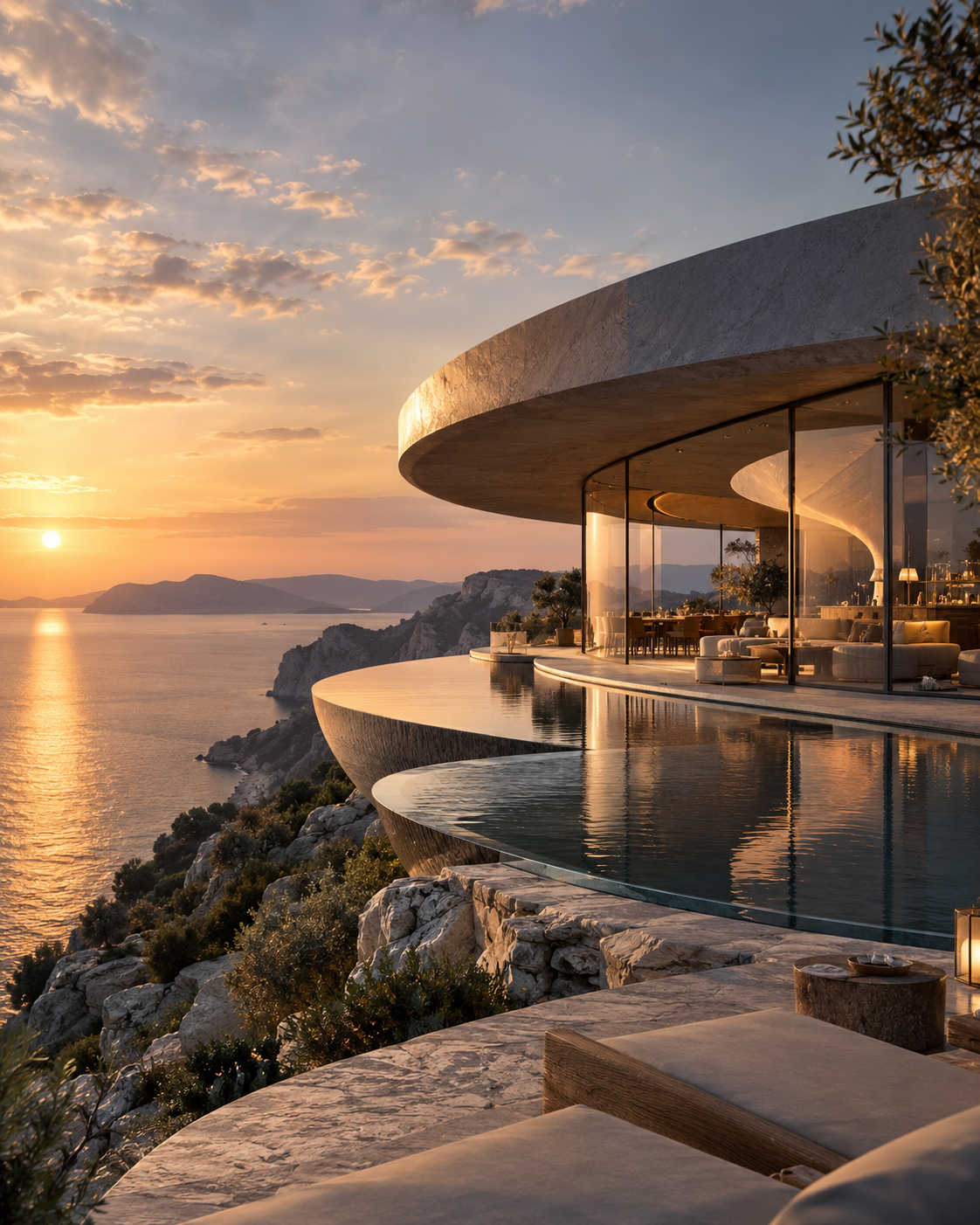
SPATIAL READING
CONTEXT BECOMES MORE VALUABLE WHEN IT SUPPORTS THE SUBJECT INSTEAD OF COMPETING FOR ATTENTION
Videography becomes more powerful when a shot contains several layers of information without becoming visually confusing.
The strongest frame can preserve that complexity while making its hierarchy understandable.
The viewer sees the subject first.
Then its relationship to space, movement, surrounding elements, atmosphere, or use becomes progressively clearer.
That is the difference between simply recording a scene and directing how that scene is understood.
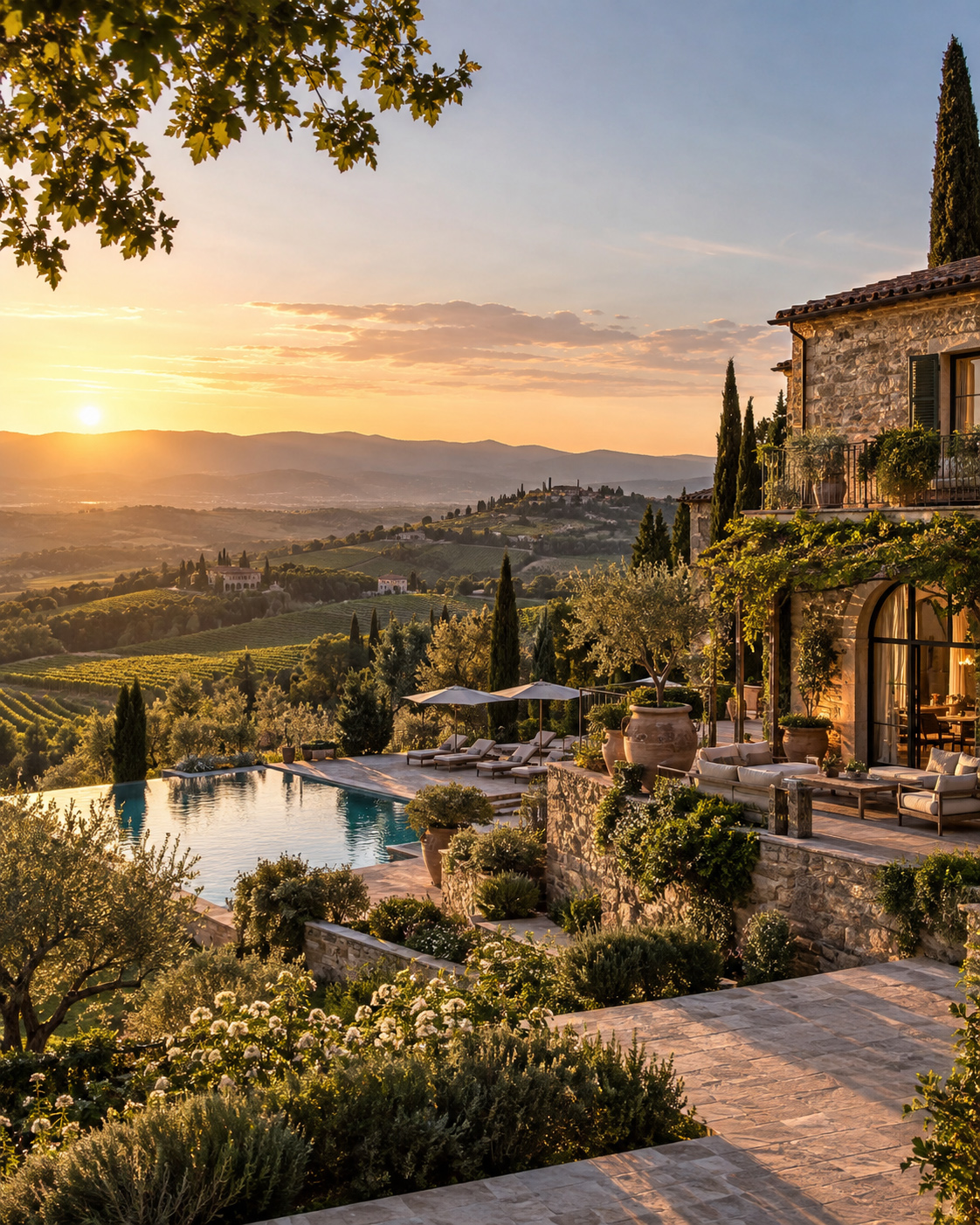
FRAMING INTEGRITY
STRONG VIDEOGRAPHY MAKES COMPLEXITY READABLE WITHOUT MAKING THE SCENE FEEL SIMPLE
Professional framing does not eliminate information from rich environments.
It decides which information leads.
The frame becomes a visual argument:
this is the subject → this is what surrounds it → this is how the two relate → this is why that relationship matters
That hierarchy allows Videography to move beyond attractive composition and become a form of visual communication.
THE BEST FRAME IS NOT THE ONE THAT CONTAINS THE MOST INFORMATION.
IT IS THE ONE THAT MAKES THE RIGHT INFORMATION IMPOSSIBLE TO MISS.
04 —
DIRECTION CONNECTS PERFORMANCE, SOUND, AND STORY
WHY IT MATTERS
Professional Videography is not created by treating image, performance, movement, and sound as separate achievements.
A scene becomes convincing when those elements serve the same communication intent.
The camera may be beautifully controlled.
The performance may feel natural.
The sound may be technically clean.
But if they suggest different emotional priorities, the viewer feels the disconnect even when every individual element looks professional.
Strong direction establishes what the audience should understand or feel—and then aligns performance, camera movement, framing, atmosphere, sound, and timing around that objective.
A gesture can change the emotional weight of a shot.
A camera move can strengthen that gesture—or distract from it.
Ambient sound can create intimacy, tension, scale, or realism.
Silence can be equally deliberate.
The role of direction is to make those decisions behave as one viewing experience rather than parallel production layers.
THE SCENE SHOULD NOT ONLY LOOK CONTROLLED.
IT SHOULD FEEL LIKE EVERY ELEMENT BELONGS TO THE SAME IDEA.
COMMON FAILURE
THE IMAGE, PERFORMANCE, AND SOUND ARE ALL STRONG — BUT THEY ARE NOT SAYING THE SAME THING
A production can be technically excellent and still feel emotionally unresolved.
The lighting may suggest intimacy while the camera moves aggressively.
The performance may feel restrained while the edit pushes for energy.
The sound design may create tension while the visual rhythm communicates calm.
Nothing is necessarily wrong in isolation.
The problem is that each layer is making its own decision.
When that happens, the audience receives professional execution without a clear emotional direction.
Movement becomes decorative.
Performance loses context.
Sound becomes an added layer instead of part of the scene.
The solution is not more production value.
It is stronger coordination.
DIRECTION GIVES SEPARATE PRODUCTION ELEMENTS ONE REASON TO EXIST TOGETHER.
BAD EXAMPLE
WHEN EVERY ELEMENT WORKS ON ITS OWN BUT THE SCENE STILL FEELS DISCONNECTED
WHY THIS EXAMPLE MATTERS
Imagine a beautifully produced lifestyle scene.
The talent performs naturally.
The location is premium.
The lighting is cinematic.
The camera creates elegant movement.
The recorded sound is technically clean.
Yet the scene still feels uncertain because those strengths are not reinforcing the same message.
The viewer may notice the performance, then the environment, then the camera move—but never feel why those moments belong together.
This is how high production quality can exist without narrative alignment.
The scene contains strong ingredients.
It lacks one directorial logic.
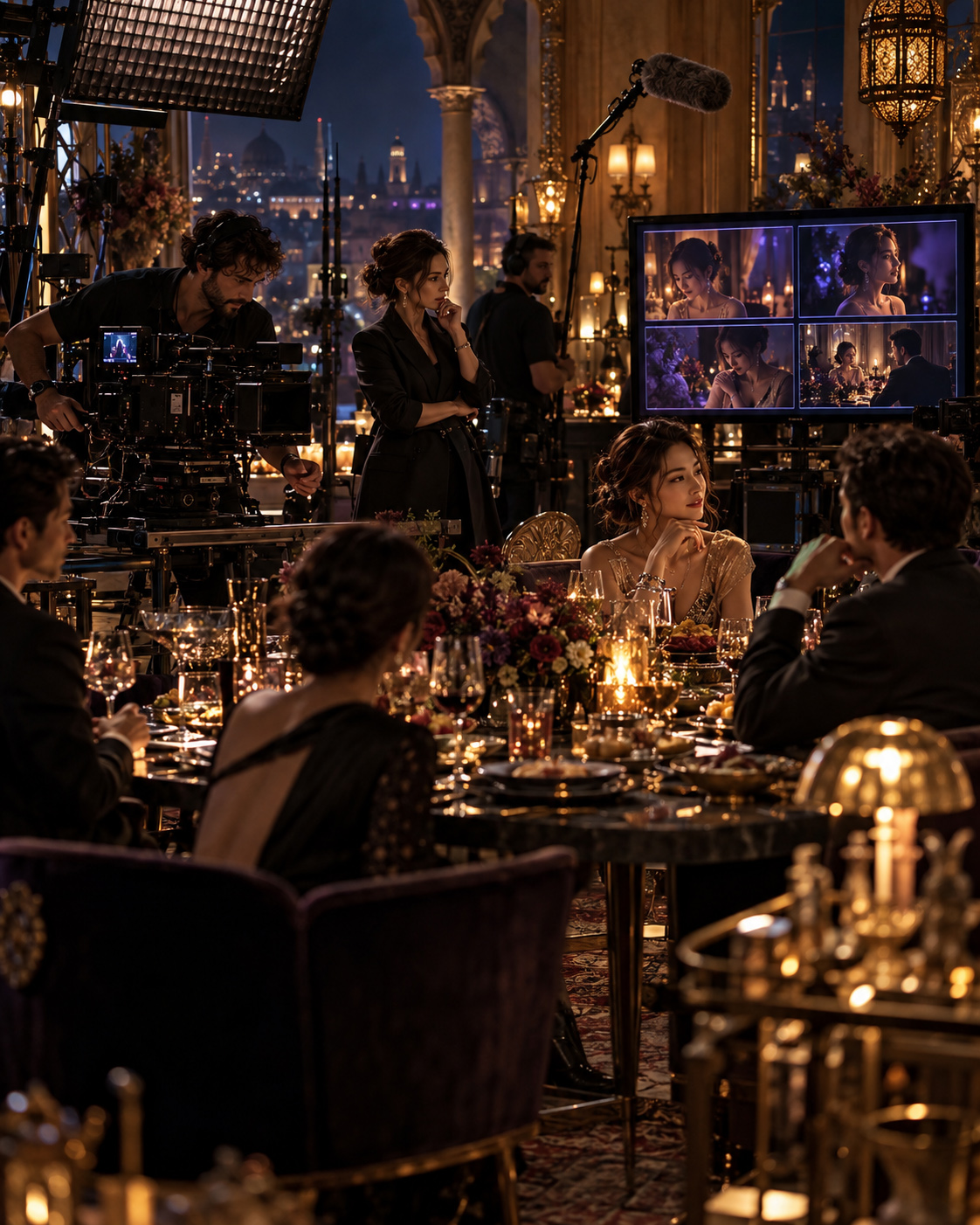
WHAT NOT TO DO — Let Separate Strengths Compete For Meaning
A strong performance should not have to compete with camera movement, atmosphere, styling, or sound for attention.
When every production layer tries to create impact independently, the scene gains intensity but loses coherence.
BETTER
DIRECTION
DEFINE WHAT THE SCENE MUST COMMUNICATE BEFORE ACTION BEGINS
Begin with one question:
What should the audience understand or feel when this moment is complete?
Then organize the scene around that answer.
A useful sequence is:
Intent → Performance → Camera → Sound → Timing → Review
Ask:
What emotional state should the performance establish?
Should movement increase energy or preserve intimacy?
What sound needs to remain present?
What should remain quiet?
Where should attention move next?
Direction does not restrict performance.
It creates the conditions in which performance, image, and sound can support one another with greater clarity and emotional precision.
DIRECTION
CONTROL
KEEP PERFORMANCE, CAMERA, SOUND, AND TIMING INSIDE THE SAME EMOTIONAL LOGIC
Professional scene direction connects departments that the viewer should never experience as separate systems.
A restrained performance may need a slower camera approach.
A kinetic scene may require tighter timing between movement, action, and sound.
Atmosphere may come from environmental audio rather than additional visual complexity.
A reaction may need space before the next cut.
These are not isolated technical decisions.
They determine how the scene is experienced.
The strongest direction does not make every layer equally noticeable.
It decides which layer leads—and how the others support it.
ONE SCENE. ONE INTENT. MULTIPLE ELEMENTS WORKING TOWARD THE SAME RESPONSE.
GOOD EXAMPLE
WHEN DIRECTION ALIGNS PERFORMANCE, CAMERA, AND SOUND BEFORE THE TAKE
WHY THIS EXAMPLE MATTERS
A coherent scene begins before the camera rolls.
The performer understands the emotional objective.
The camera team knows what movement supports that objective.
The sound team knows which voices, gestures, environmental details, and pauses matter.
The director knows what must remain consistent across the take.
Because the intent is shared, each department can make precise decisions without competing for control.
The result feels natural rather than engineered.
Camera movement supports the performance.
Sound strengthens atmosphere.
Timing gives important moments enough space.
Direction becomes invisible because the scene feels inevitable.
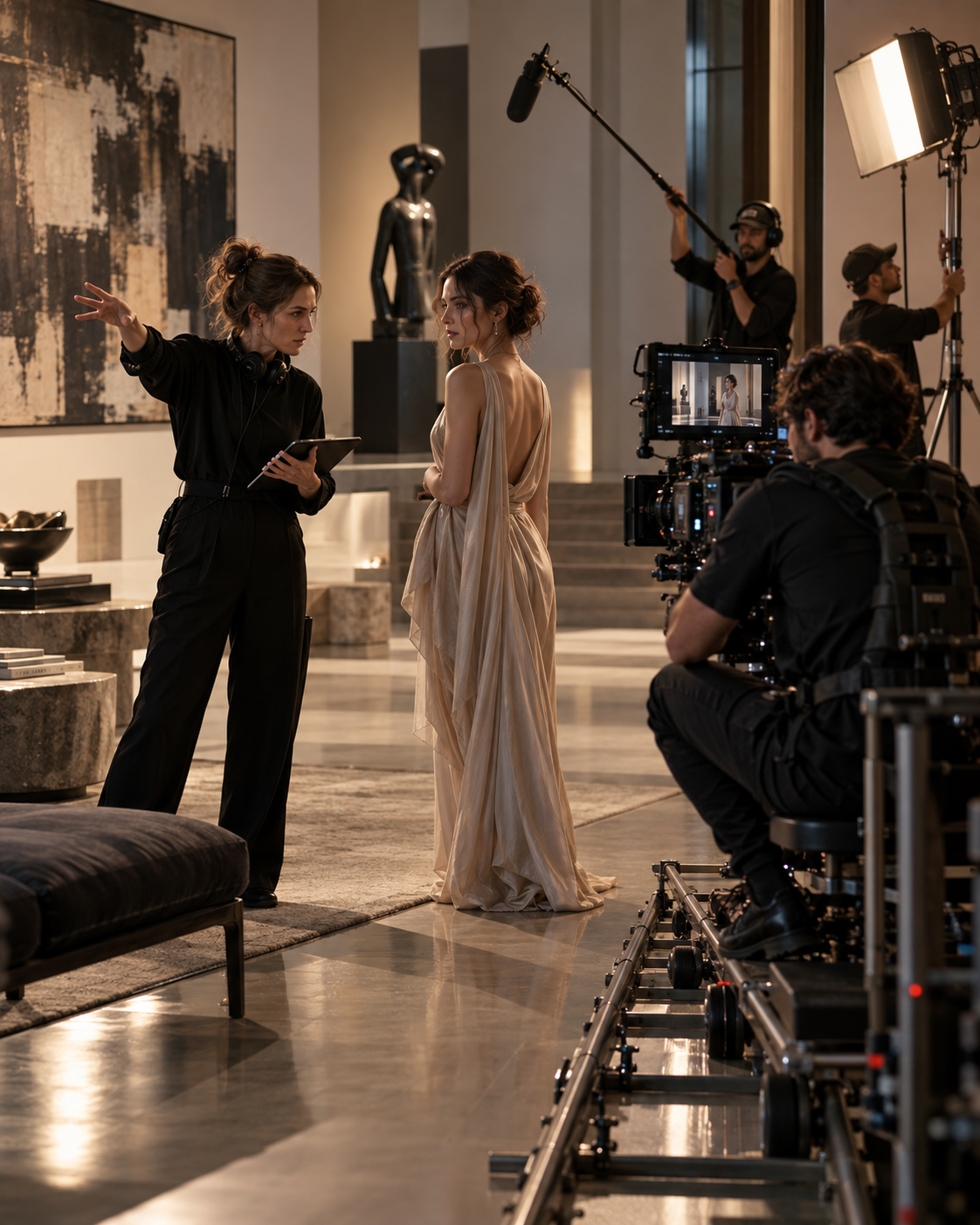
DIRECTED PERFORMANCE
One Intent — Carried Through Performance, Camera Movement, Sound, Timing, And Atmosphere.
When the production team shares one communication objective, technical decisions stop behaving independently.
They begin to support one emotional and narrative result.
GOOD EXAMPLE
WHEN VISUAL AND SONIC CUES RESOLVE INTO ONE VIEWING EXPERIENCE
WHY THIS EXAMPLE MATTERS
The strongest video moments often feel simple because the underlying decisions are aligned.
The frame establishes attention.
Performance gives the moment human meaning.
Movement controls progression.
Sound establishes presence, distance, texture, and emotional tone.
Editing decides how long that meaning is allowed to develop.
None of those elements needs to dominate.
They need to connect.
When that happens, the audience no longer experiences a collection of production choices.
It experiences one coherent moment.
That is the difference between technically successful footage and directed Videography.
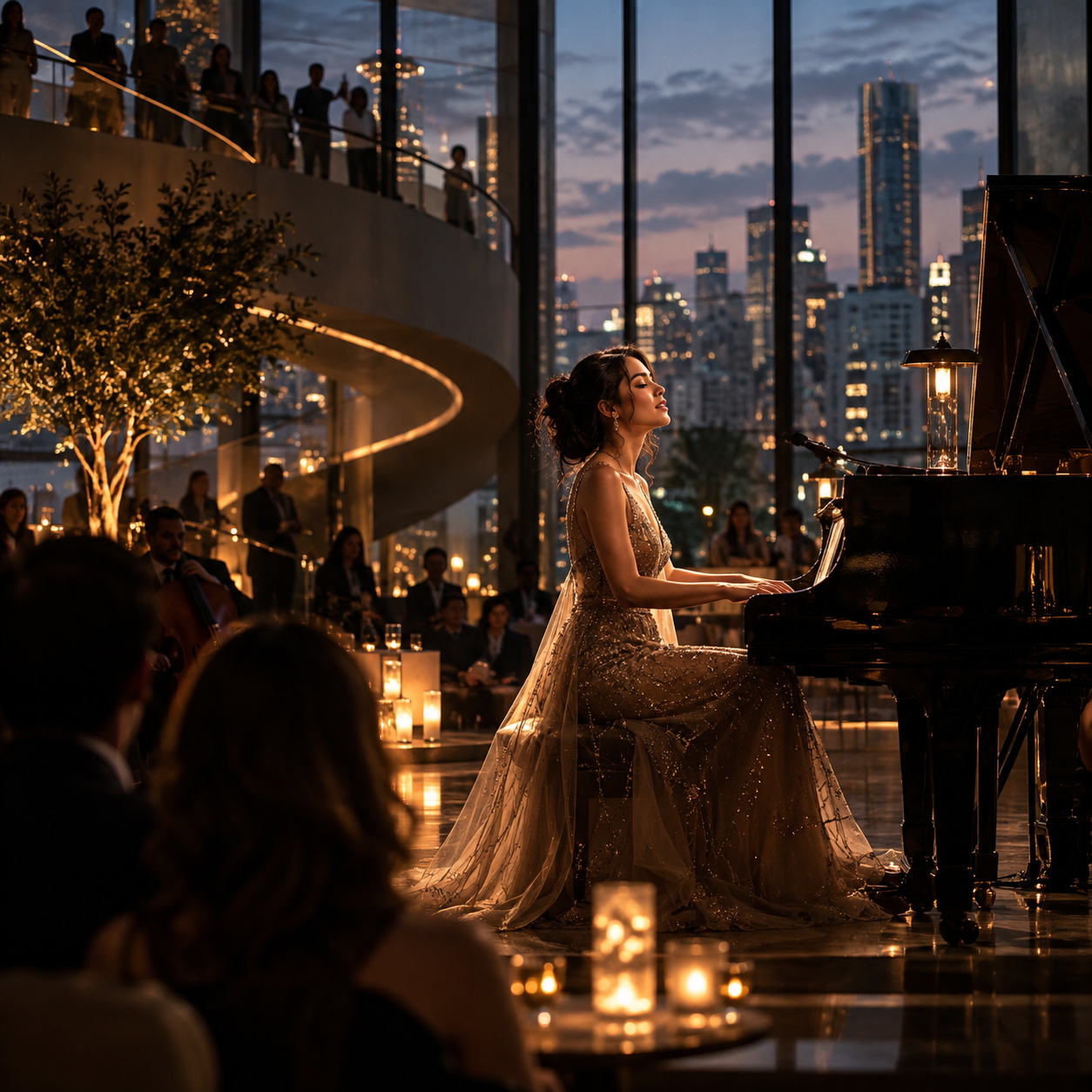
SCENE COHERENCE
Performance Establishes Meaning. Camera Movement Guides Attention. Sound Protects Atmosphere. Timing Allows The Moment To Land.
A strong scene does not ask the viewer to separate its components.
It allows every component to reinforce the same experience.
DIRECTION INTEGRITY
THE STRONGEST SCENES FEEL UNIFIED BECAUSE THEIR DECISIONS ARE UNIFIED.
Professional Videography does not treat performance, cinematography, sound, atmosphere, and pacing as separate finishing layers.
They are parts of the same communication system.
The viewer should not need to notice why a moment works.
They should simply understand it, feel it, and remain inside it.
STRONG DIRECTION DOES NOT MAKE EVERY ELEMENT LOUDER.
IT MAKES EVERY ELEMENT AGREE ON WHAT THE SCENE IS TRYING TO SAY.
05 —
EDITORIAL CONTINUITY BEFORE DELIVERY
WHEN A FINISHED VIDEO CONTINUES TO
CREATE VALUE
WHY IT MATTERS
A finished master is only one expression of a production.
Professional Videography becomes more valuable when the decisions behind that master — selected footage, sequence logic, sound, framing, color, pacing, and visual language — remain organized enough to support what happens next.
A single production may eventually serve a website, launch, campaign, product page, social edit, retail presentation, or supporting cut.
But reuse alone does not create continuity.
The important question is:
What must remain recognizable when the format, duration, or placement changes?
A shorter cut may remove scenes.
A vertical version may change composition.
A product-page edit may prioritize detail.
A campaign version may accelerate pacing.
Yet the central visual idea should remain intact.
That is the role of editorial continuity.
It protects meaning while allowing the material to adapt.
Strong delivery therefore does not only complete a film.
It preserves enough structure for the film to continue working.
COMMON FAILURE
THE FINAL VIDEO IS DELIVERED, BUT THE SYSTEM BEHIND IT DISAPPEARS
A polished video may be completed, approved, exported, and delivered successfully.
But the production can still lose future value if everything behind the master becomes fragmented afterward.
Selected footage becomes difficult to locate.
Useful alternative takes disappear inside raw media.
Sound, graphics, framing logic, and sequence decisions become separated from the final result.
New versions are then created by reconstructing decisions that were already made once.
The problem is not missing footage.
It is missing editorial continuity.
More assets do not automatically create more flexibility.
Without a clear system, they create more material to search through.
A strong Videography workflow should make future use easier — not force the story to be rebuilt every time the format changes.
WHEN A STRONG VIDEO HAS ONLY ONE LIFE
WHY THIS EXAMPLE MATTERS
A finished film can look excellent while still functioning as a one-time deliverable.
The master may contain strong cinematography, sound, pacing, performance, and atmosphere.
But if the underlying footage and editorial logic are not preserved as a usable system, every later request begins almost from zero.
A new crop needs reinterpretation.
A shorter edit requires rediscovering the important moments.
A campaign version may lose the original rhythm.
The film succeeded.
The continuity around it did not.
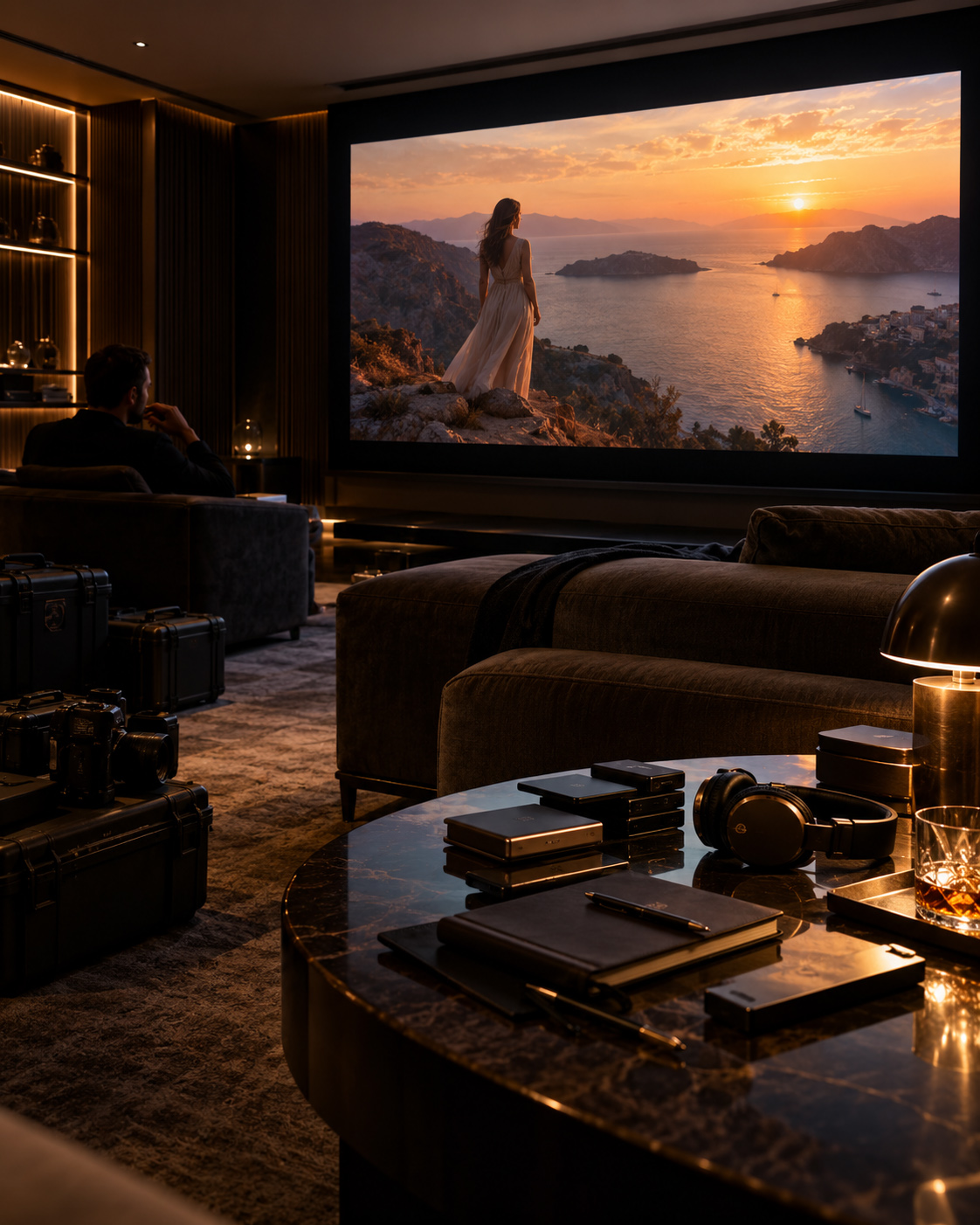
WHAT NOT TO DO — Treat The Master Export As The Entire Value Of The Production
The master film matters.
But treating it as the only meaningful outcome can leave valuable footage, alternate sequences, sound, and editorial decisions disconnected from future use.
Delivery should close the production — not erase its intelligence.
BETTER
DIRECTION
BUILD CONTINUITY INTO THE PRODUCTION BEFORE DELIVERY
Do not wait until a new format is requested to decide what can be reused.
A stronger system begins with the intended communication structure.
Core Intent → Master Narrative → Selected Moments → Format Logic → Supporting Cuts → Future Use
Ask:
Which moments carry the central idea?
Which shots can survive shorter durations?
Which compositions can adapt safely?
Which sound cues define the experience?
Which visual relationships must remain recognizable?
What should never change even when the format does?
The objective is not to produce every possible version in advance.
It is to preserve the logic that makes future versions easier to build with greater consistency later.
EDITORIAL
CONTINUITY
KEEP THE STORY RECOGNIZABLE AS THE FORMAT CHANGES
A video system becomes stronger when adaptation does not require reinvention.
Duration may change.
Aspect ratio may change.
Placement may change.
The sequence may become shorter.
But the audience should still recognize the same tone, hierarchy, movement language, atmosphere, and narrative priority.
That consistency is not repetition.
It is continuity.
A useful editorial system therefore protects:
Intent → Key Moments → Visual Language → Sound Identity → Sequence Logic
Everything else can adapt around them.
The result is a production that remains flexible without becoming visually disconnected.
WHEN ONE PRODUCTION BECOMES A FAMILY OF COHERENT OUTPUTS
WHY THIS EXAMPLE MATTERS
A strong production can create more than one useful expression of the same story.
The master film establishes the complete experience.
A shorter cut preserves the strongest progression.
A vertical version protects the same subject hierarchy inside a different frame.
A product or campaign edit may prioritize a specific moment without abandoning the original visual language.
Each output changes.
The communication logic remains recognizable.
That is where editorial continuity becomes practical rather than theoretical.
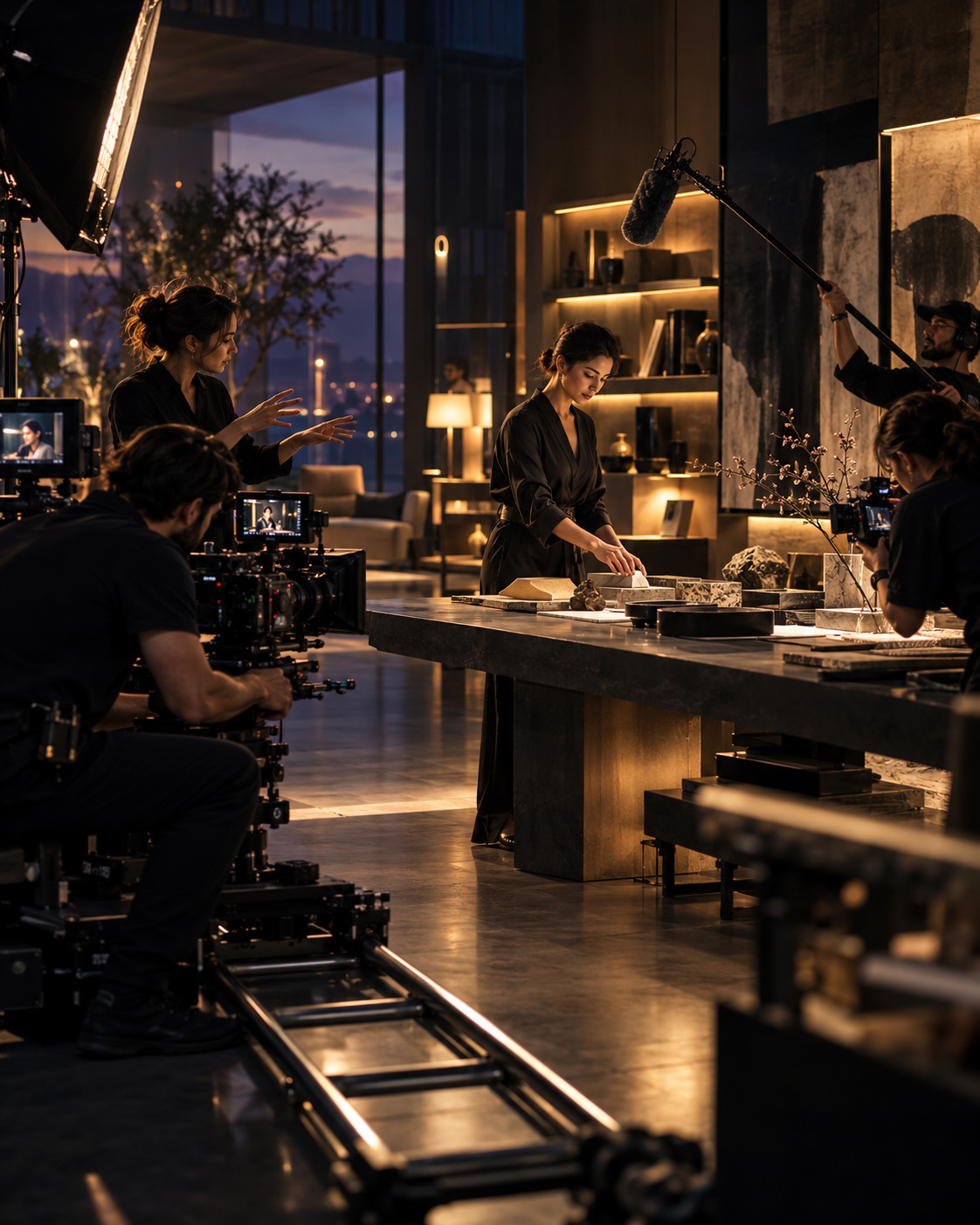
DELIVERY SYSTEM
One Production — Structured Across Master Film, Supporting Cuts, Format Adaptation, Campaign Use, And Future Re-Entry.
Strong Videography does not create value by multiplying versions.
It creates value by making sure those versions still belong to one coherent visual system.
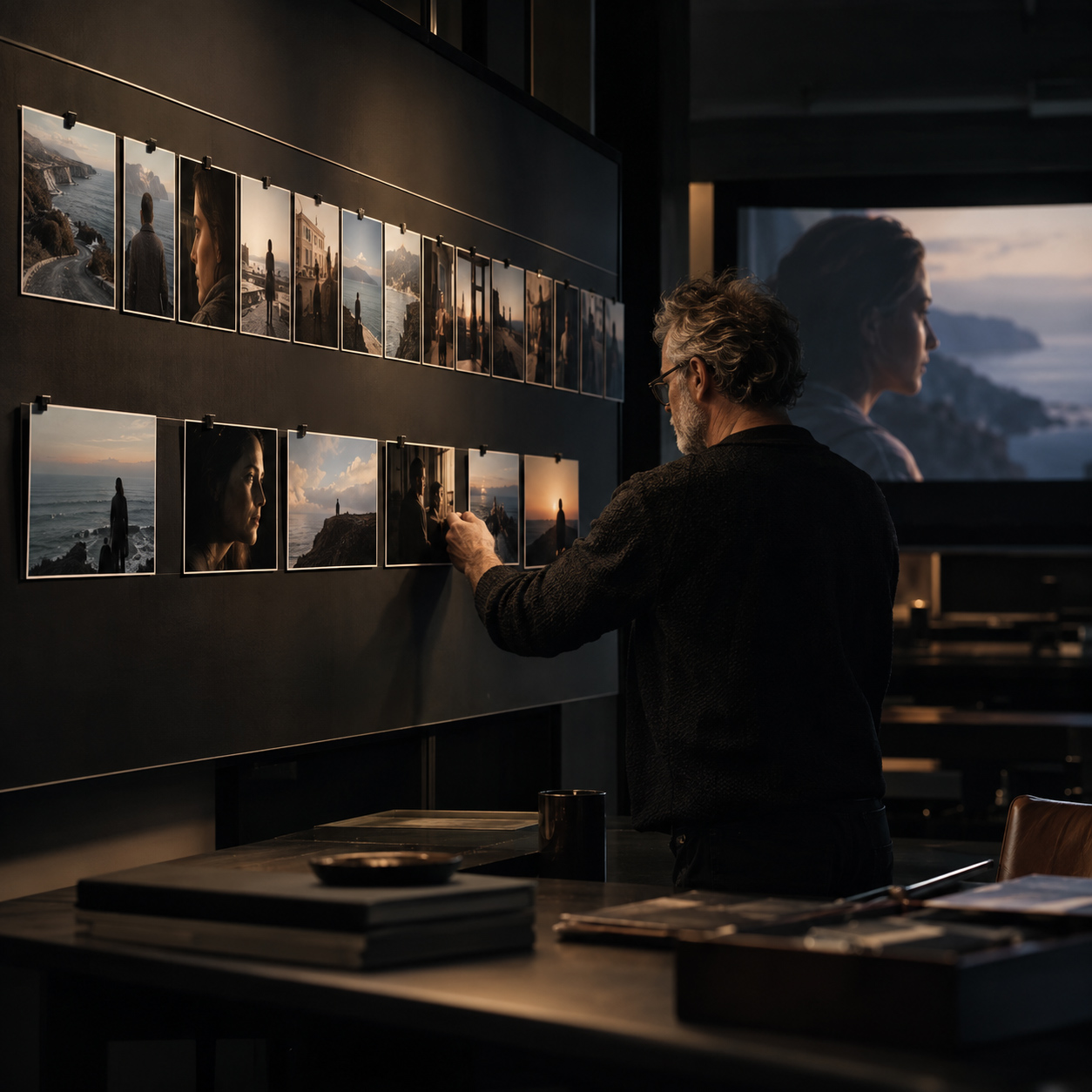
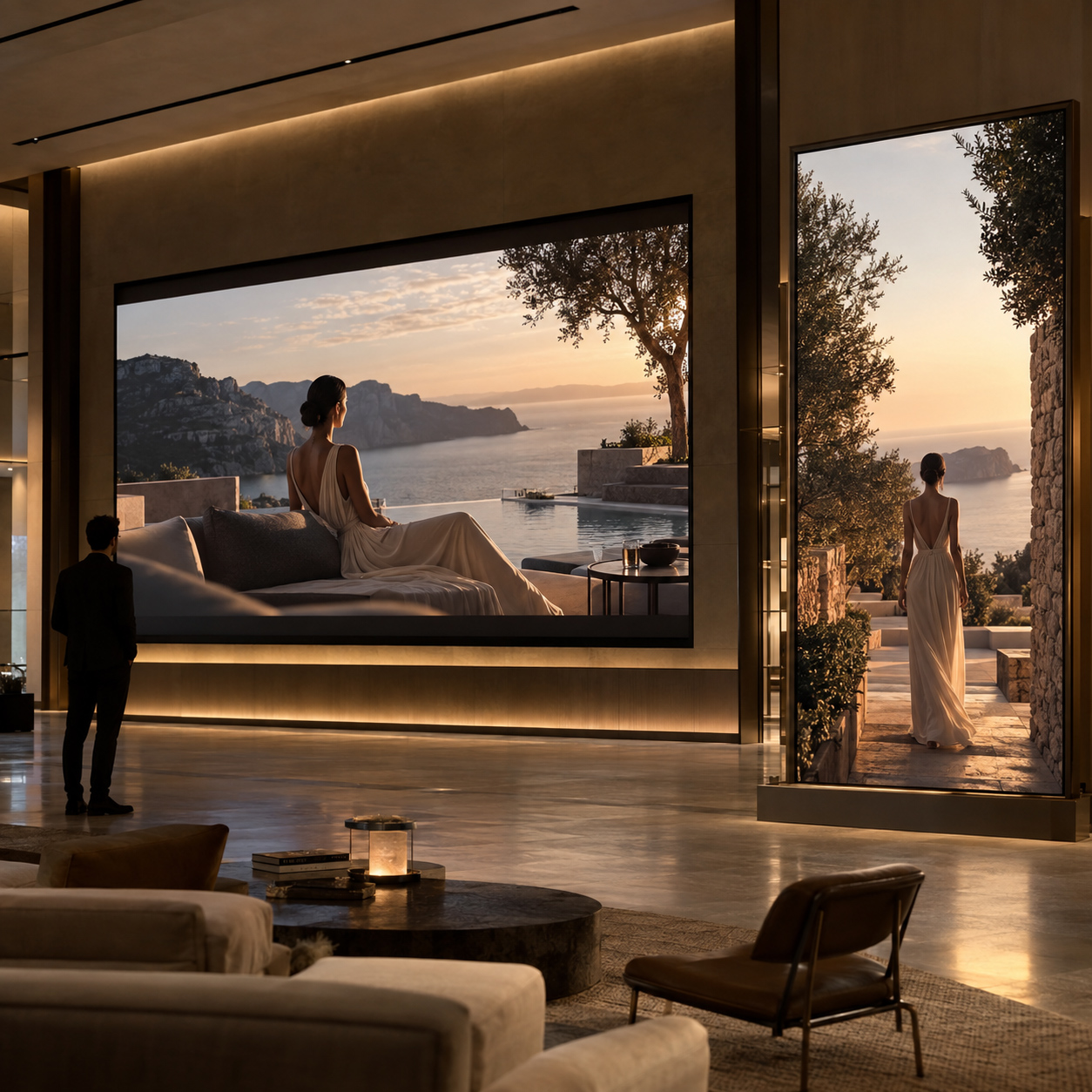
EDITORIAL APPLICATION — 01
WHEN THE MASTER NARRATIVE CAN BECOME A SHORTER EXPERIENCE WITHOUT LOSING ITS POINT
A shorter edit should not feel like the original film with random pieces removed.
It should preserve the same priority, progression, and emotional direction with fewer moments.
What disappears may change.
What the audience is meant to understand should not.
EDITORIAL APPLICATION — 02
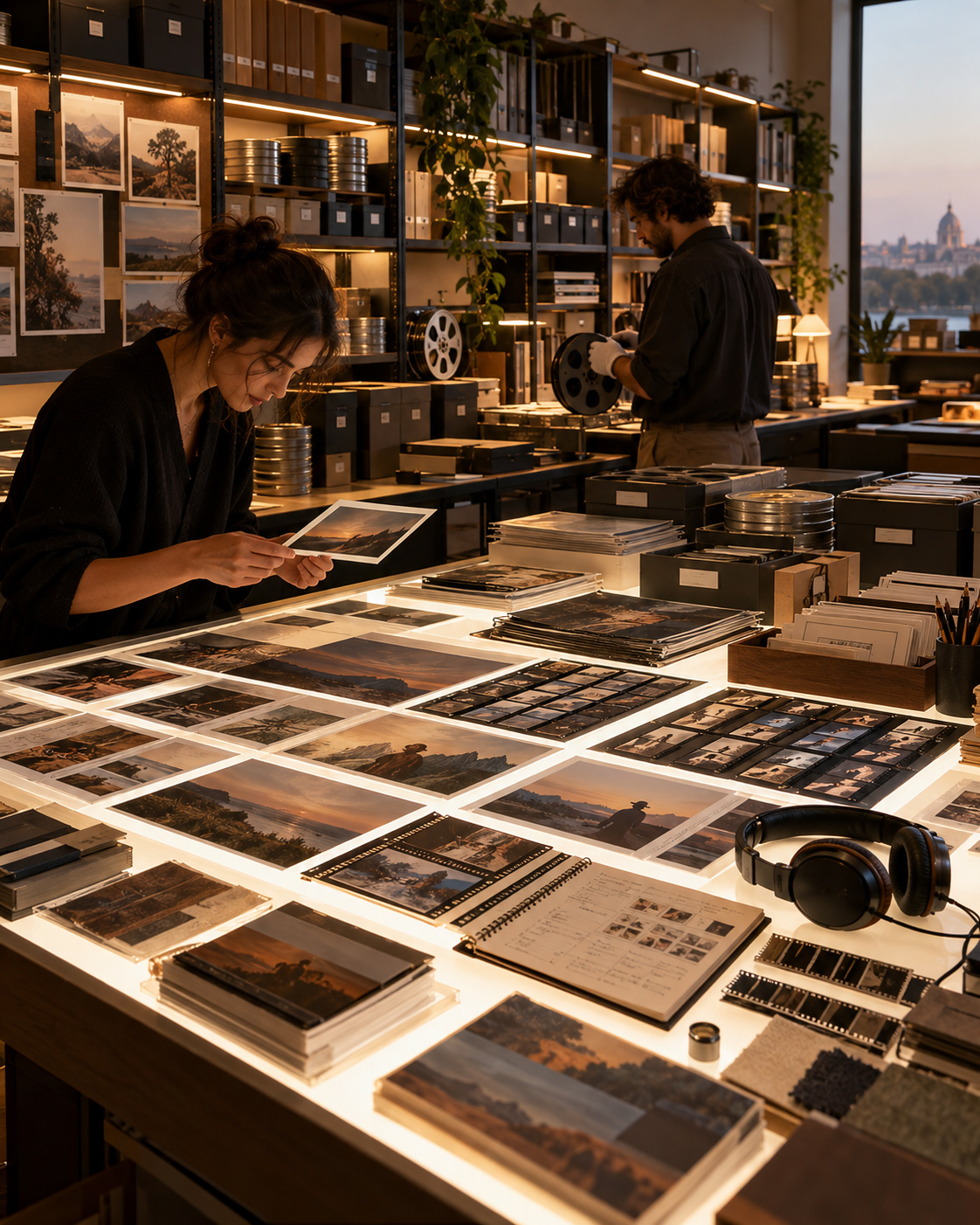
WHEN THE FRAME CHANGES BUT THE VISUAL LANGUAGE DOES NOT
Horizontal and vertical outputs do not communicate space in exactly the same way.
A new aspect ratio may require different cropping, timing, subject placement, or shot selection.
The solution is not mechanical resizing.
It is editorial adaptation.
The frame changes.
The meaning remains recognizable.
EDITORIAL APPLICATION — 03
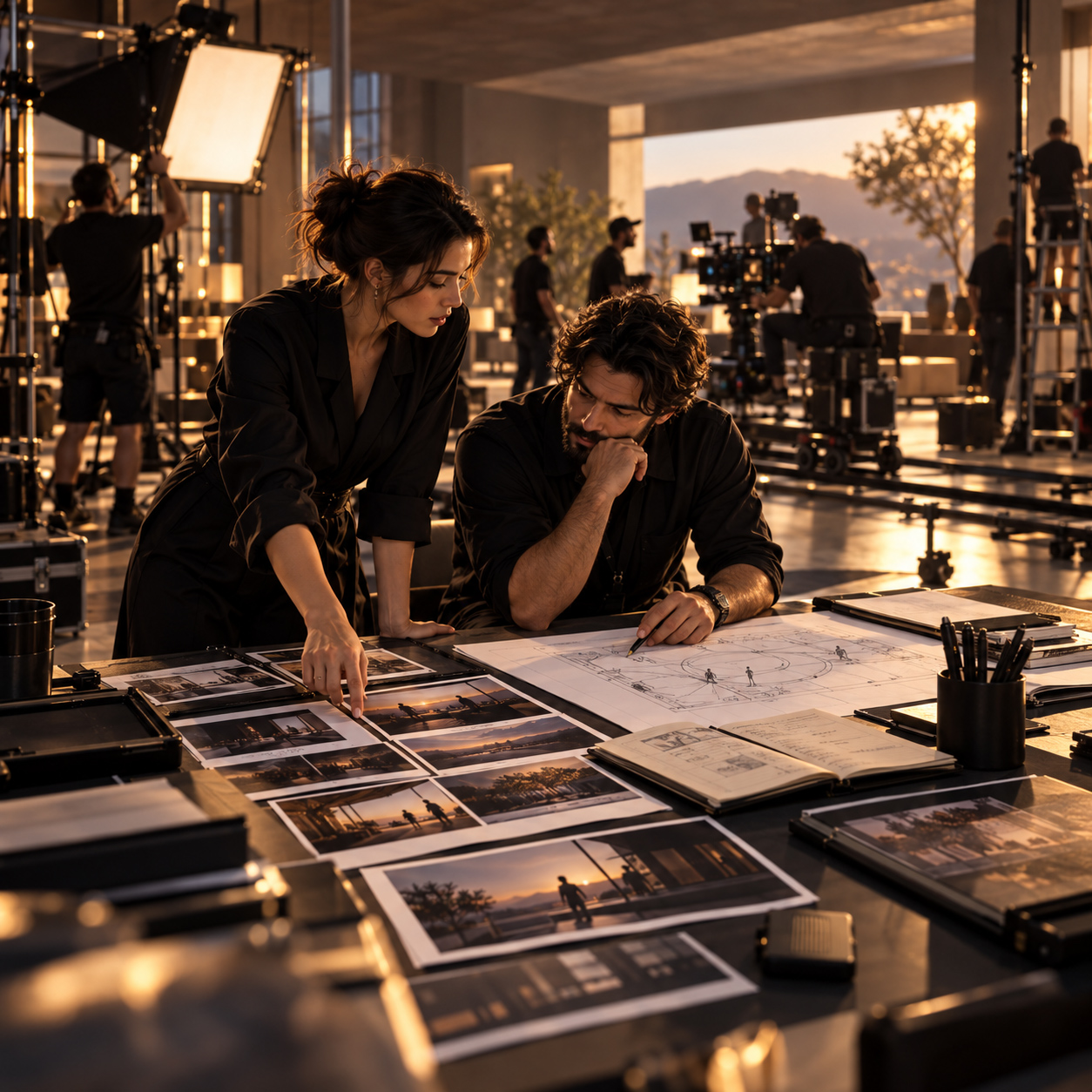
WHEN SELECTED FOOTAGE BECOMES A REUSABLE MOTION LIBRARY
The strongest material should not disappear inside a finished timeline.
Hero moments, detail shots, transitions, atmosphere, interaction, sound, and alternate performance can remain organized for later communication.
That allows future work to begin with known visual value instead of another search through raw footage.
A STRONG VIDEO DOES NOT BECOME MORE VALUABLE BECAUSE MORE VERSIONS EXIST.
IT BECOMES MORE VALUABLE WHEN EACH NEW USE CAN BUILD ON THE SAME VISUAL INTELLIGENCE WITHOUT REBUILDING THE STORY FROM ZERO.
REAL PROJECT EVIDENCE · GREENLINE GOODS · DECLARATION ROCKS GLASS
When A Shared Production Language Creates A Different Story Without Losing Its Identity.
Editorial continuity does not require every film to repeat the same shots, pacing, or symbolic structure.
It requires the underlying visual language to remain recognizable while the communication objective changes.
For the Greenline Goods Declaration Rocks Glass, the production builds around engraved product detail, warm cinematic light, heritage-inspired styling, controlled movement, tactile materials, and a more ceremonial atmosphere.
Those decisions belong to the same premium production world established across the wider Greenline Goods collaboration — but they are reorganized around a different product narrative and emotional emphasis.
The props, macro cinematography, amber highlights, historical references, and fluid motion support a heritage-led story rather than functioning as decorative styling.
That distinction is important.
A reusable production system should not make every output feel identical.
It should make different outputs feel intentionally related.
THE STORY CHANGES.
THE PRODUCTION LANGUAGE REMAINS RECOGNIZABLE.
REAL PROJECT EVIDENCE · GREENLINE GOODS · DECLARATION ROCKS GLASS
From Shared Visual Principles To One Distinct Finished Motion Experience.
The completed Declaration film demonstrates how a recognizable production language can support a new story without becoming formulaic.
Macro detail gives the engraved typography physical presence.
Warm amber lighting reinforces material richness and heritage.
Historical props and tactile surfaces establish context.
Controlled camera movement gives the viewer time to read craftsmanship rather than simply observe decoration.
And fluid transitions connect those moments into one continuous visual experience. These choices are consistent with the project’s documented creative direction and cinematography approach.
What matters is not that the Declaration film resembles another Greenline Goods video frame for frame.
What matters is that the same production intelligence can be recognized beneath a different story.
The identity survives because the decisions remain coherent.
Detail establishes character.
Styling creates context.
Movement controls attention.
Atmosphere protects emotion.
Sequence turns separate shots into one finished experience.
CONTINUITY DOES NOT MEAN REPEATING THE SAME FILM.
IT MEANS KNOWING WHICH CREATIVE PRINCIPLES SHOULD SURVIVE INTO THE NEXT ONE.
WHEN THE FINISHED FILM BECOMES A RESOURCE FOR WHAT COMES NEXT
WHY THIS EXAMPLE MATTERS
Professional Videography does not have to stop creating value when the master is approved.
When selected footage, sequence logic, sound, framing decisions, color, and format references remain connected, future communication begins with context rather than reconstruction.
The film records a finished experience.
The wider production system preserves how that experience was built.
That distinction matters.
Instead of leaving behind one export and a folder of raw footage, the project leaves behind usable motion intelligence.
The production is complete.
Its value does not have to be.
VALUE BEYOND DELIVERY
A FINISHED FILM BECOMES MORE USEFUL WHEN THE DECISIONS BEHIND IT REMAIN AVAILABLE.
The master preserves the final story.
The wider asset system preserves how that story can continue.
Together they can support future formats, campaign extensions, product communication, supporting edits, and new production decisions without rebuilding the visual language from the beginning.
This is where Videography becomes more than delivery.
It becomes continuity, reference, and reusable communication value.
LONG-TERM VIDEO VALUE
THE STRONGEST VIDEO SYSTEMS MAKE THE NEXT USE EASIER TO BUILD
A campaign changes.
A format changes.
A platform changes.
The visual logic should not have to be rediscovered every time.
When key footage, framing, timing, sound, sequence, and editorial intent remain connected, future work can begin with understanding rather than reconstruction.
That makes one production more useful over time.
Not because the archive contains more files.
But because the right decisions remain available.
THE MASTER IS DELIVERED.
THE VISUAL INTELLIGENCE SHOULD REMAIN USABLE.
FROM MOVING FOOTAGE TO LASTING COMMUNICATION VALUE
A Strong Video Does Not Only Capture A Moment. It Organizes How That Moment Will Be Understood, Felt, And Remembered.
The strongest Videography does more than record movement beautifully. It connects intent, camera movement, atmosphere, sound, sequence, and editorial continuity so separate moments become one coherent viewing experience.
A single shot can attract attention.
A professional video must do more.
It must establish what matters, guide the eye through time, control how atmosphere supports meaning, determine what follows what, and preserve enough visual logic for the finished work to remain useful beyond one delivery.
That process begins before the camera rolls.
Intent gives the production a reason to exist.
Movement determines how information and emotion unfold.
Atmosphere shapes how the audience experiences what it sees.
Sequence turns individual shots into progression.
And editorial continuity ensures that the visual language can remain recognizable across edits, formats, campaigns, and future use.
These responsibilities are different.
But the finished film depends on how well they work together.
A beautiful shot without intent can remain decorative.
Movement without direction can create activity without meaning.
Atmosphere without hierarchy can become surface.
Strong individual frames without sequence can feel disconnected.
And a successful master without continuity can become valuable only once.
Professional Videography therefore becomes stronger when every decision belongs to one communication system.
Not more shots.
Not more motion.
Not more production spectacle.
More coherence.
THE CAMERA CAPTURES MOMENTS.
PROFESSIONAL VIDEOGRAPHY BUILDS THE RELATIONSHIPS THAT TURN THOSE MOMENTS INTO MEANING.
THE FIVE DIMENSIONS OF VIDEOGRAPHY THAT CONTINUE TO CREATE VALUE
Intent defines what the audience should understand, feel, or remember.
Movement controls how attention develops through time.
Atmosphere gives light, sound, performance, space, and visual tone one emotional direction.
Sequence determines how separate shots prepare, strengthen, and complete one another.
Editorial Continuity allows the finished visual language to survive new edits, formats, campaigns, and future communication.
Together, these dimensions turn isolated footage into a coherent motion system that can be watched, understood, adapted, and used again without rebuilding its visual logic from the beginning.
A BEAUTIFUL SHOT CAN HOLD ATTENTION FOR A MOMENT.
A STRONG VIDEO ORGANIZES THOSE MOMENTS INTO AN EXPERIENCE THAT REMAINS UNDERSTANDABLE AFTER THE FRAME HAS CHANGED.
FROM INDIVIDUAL SHOTS TO ONE COHERENT MOTION SYSTEM
Key Takeaways
Professional Videography creates greater value when every production decision contributes to one coherent visual story rather than making each shot compete for impact on its own.
Professional Videography creates greater value when every production decision contributes to one recognizable communication logic.
The five sections of this article lead to one larger principle:
meaning is not contained inside one frame. It is built through the relationship between frames.
01 —
INTENT
BEFORE
FOOTAGE
A production should define its communication objective before it begins collecting attractive material.
The subject, audience, emotional direction, platform, and intended use should establish what the video must accomplish.
Strong footage begins with a reason for the shot to exist and clear intent behind every decision.
02 —
MOVEMENT
BEFORE
DECORATION
Camera movement should not exist simply because motion looks cinematic.
Tracking, revealing, approaching, following, or holding should help the viewer understand what changes, what connects, and where attention should move next.
Movement becomes valuable when it adds information or emotion instead of replacing them.
03 —
ATMOSPHERE
BEFORE
IMPRESSION
Light, sound, styling, space, performance, and pacing should not compete to create impact independently.
They should reinforce the same viewing experience.
Atmosphere becomes powerful when every sensory decision supports the meaning of the scene.
04 —
SEQUENCE
BEFORE
FRAGMENTS
A strong video is not a collection of individually successful shots.
Each frame should prepare, clarify, intensify, or resolve something that came before it.
Sequence turns separate production decisions into one continuous experience.
05 —
EDITORIAL CONTINUITY
BEFORE
DELIVERY
The value of a production should not disappear inside one final export, especially when future communication may still need its strongest material.
Its value should remain available beyond delivery.
Selected footage, sequence logic, sound, framing, color, and format references can remain available for future cuts and communication.
The master may finish the film.
Editorial continuity keeps the production useful.
THE STRONGEST VIDEOGRAPHY IS NOT THE PRODUCTION THAT CREATES THE MOST FOOTAGE.
IT IS THE ONE THAT TURNS INTENT, MOVEMENT, ATMOSPHERE, SEQUENCE, AND CONTINUITY INTO ONE EXPERIENCE THE AUDIENCE CAN UNDERSTAND, FEEL, AND REMEMBER.
REAL PROJECT EVIDENCE · GREENLINE GOODS · BOSTON CITY GRID WHISKEY GLASS
When Rhythm, Detail, And Visual Contrast Turn Separate Shots Into Immediate Momentum.
Different shots. Different functions. One recognizable motion language.
FROM CAPTURED MOMENTS TO LASTING EDITORIAL VALUE
A Strong Videography System Turns Separate Shots Into Visual Meaning People Can Understand, Feel, And Use Again
The strongest Videography does more than capture attractive motion. It connects intent, movement, atmosphere, sequence, feedback, and editorial continuity so a finished video communicates more than isolated beautiful moments.
A strong shot can hold attention.
Professional Videography must do more.
It must clarify what matters, guide how attention moves, shape how the atmosphere is felt, organize how one moment leads into the next, and preserve enough editorial logic for the work to remain useful after delivery.
Across the six sections explored in this article, one principle keeps returning:
a video becomes more valuable when every production decision strengthens meaning.
Intent defines what the work is trying to say.
Movement shapes how that meaning unfolds.
Atmosphere protects emotional coherence.
Sequence turns separate shots into progression.
Feedback confirms whether the intended result is actually working.
And editorial continuity allows the production to remain useful beyond one final export.
These responsibilities are different.
But none of them is strongest in isolation.
Intent without sequence can remain theoretical.
Movement without purpose can become decoration.
Atmosphere without clarity can become surface.
Strong individual shots without continuity can become fragmentation.
And a successful master without editorial continuity can become valuable only once.
Professional Videography therefore does not simply make footage more polished.
It makes communication more legible.
It allows the audience to understand not only what it is seeing, but what matters, how moments relate, how attention should move, and what should remain after the film ends.
THE CAMERA CAPTURES THE MOMENT.
PROFESSIONAL VIDEOGRAPHY PRESERVES THE RELATIONSHIPS THAT MAKE THE MOMENT MEANINGFUL.
THE SIX DIMENSIONS OF VIDEOGRAPHY THAT CONTINUE TO CREATE VALUE
Intent defines what the audience should understand, feel, or remember.
Movement directs how attention and information unfold through time.
Atmosphere gives light, sound, space, and styling one emotional direction.
Sequence connects individual shots into a coherent progression.
Feedback confirms whether the intended result is actually working while adjustment is still possible.
Editorial Continuity keeps the visual language usable across future edits, formats, and communication needs.
Together, these six dimensions transform isolated footage into a professional editorial system that can be understood, reviewed, adapted, presented, and used again without rebuilding the visual logic from the beginning.
A BEAUTIFUL VIDEO MAY SHOW THAT A MOMENT WAS CAPTURED WELL.
STRONG VIDEOGRAPHY EXPLAINS WHY THAT MOMENT WORKS — AND PRESERVES ITS VALUE FOR WHAT COMES NEXT.
WHEN A FINISHED VIDEO BECOMES A REFERENCE FOR WHAT COMES NEXT
WHY THIS EXAMPLE MATTERS
Professional continuity becomes visible when a finished production remains understandable after the original edit has been delivered.
The master is complete.
The campaign may continue.
The platform may change.
A new cut may be required.
But the strongest moments, visual language, sequence logic, sound references, and editorial decisions can remain available.
At that point, footage stops functioning only as archived media.
It becomes part of the production memory of the project.
The finished video records what was created.
The wider system preserves why it worked and how that language can continue.
VISUAL CONTINUITY BEYOND DELIVERY
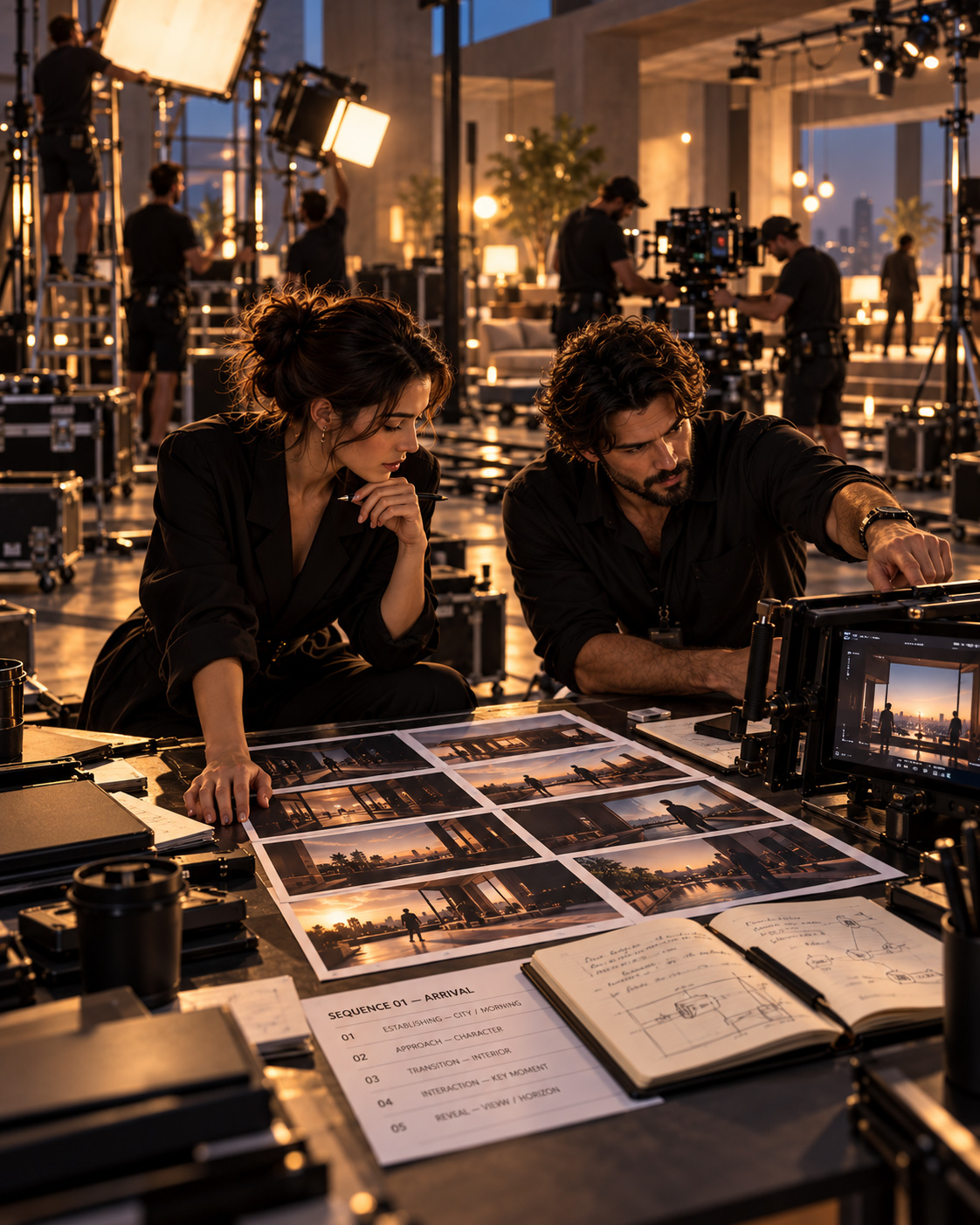
A Finished Production Creates Greater Long-Term Value When Its Visual Language, Sequence Logic, And Selected Material Remain Available For What Comes Next.
The final export may be complete.
The production intelligence behind it should remain usable.
A strong Videography system leaves behind more than one film.
It leaves behind a visual reference for future edits, campaign extensions, format adaptation, supporting content, and new production decisions.
THE FILM ENDS.
THE VISUAL LANGUAGE DOES NOT HAVE TO.
MEANING IS BUILT BETWEEN THE FRAMES.
A frame can establish a subject.
Movement can reveal change.
Atmosphere can create emotional weight.
Sound can alter perception.
Sequence can transform separate images into progression.
And editorial continuity can preserve that language beyond one finished film.
Professional Videography brings those decisions together.
BETWEEN CAPTURE AND EXPERIENCE,
PROFESSIONAL VIDEOGRAPHY BUILDS THE CONNECTION.