

PACKAGING DESIGN · BRAND PERCEPTION · PRODUCT COMMUNICATION
Packaging Isn’t Just A Wrapper.
It Is The First Promise Your Brand Makes.
Before a customer reads the details, compares features, or experiences the product itself, packaging design is already shaping brand perception—communicating identity, hierarchy, quality, relevance, and the level of value the product appears to offer.
Before a product is touched, tested, or trusted, it is judged through its packaging. In a matter of seconds, customers begin forming an impression about quality, clarity, relevance, and value—often long before they fully understand what the product does or what makes it different.
That is why packaging is never just a container. It is a commercial tool, a brand communication system, and one of the most immediate expressions of product positioning. Strong packaging design does not simply make an offer look attractive. It helps customers recognize meaning faster, understand hierarchy more clearly, and connect visual identity with the quality and value they expect from the product.
In this article, we examine five essential packaging design principles serious brands consistently follow when they want packaging to do more than decorate a product. Together, these principles show how storytelling, audience relevance, functionality, material and visual detail, and real-world context can transform packaging into a clearer, stronger, and more persuasive brand experience—on the shelf, in the hand, and across e-commerce environments.
WHEN PACKAGING COMMUNICATES WITH PRECISION, THE PRODUCT DOES NOT HAVE TO FIGHT FOR ATTENTION. IT BEGINS WITH AN ADVANTAGE.
FROM FIRST IMPRESSION TO REAL-WORLD PERFORMANCE
What Strong Packaging Has To Achieve Before The Product Is Opened
Story. Audience. Function. Detail. Context.
The strongest packaging systems are not built around a single visual decision. They bring together brand narrative, audience relevance, functional clarity, material and visual detail, and the environments in which the product will actually be encountered. Each dimension influences a different part of how the customer reads, understands, handles, compares, and remembers the product.
A package can attract attention and still communicate very little. It can look premium while remaining difficult to navigate. It can be beautifully designed in isolation and lose impact when placed beside competing products. It can also contain all the necessary information while failing to create a recognizable brand experience. Packaging becomes stronger when these responsibilities are considered as one connected system rather than as separate styling decisions.
The five principles that follow examine that system from different angles: how packaging establishes a story at first sight, how it speaks to the right audience, how form and information support use, how detail shapes perceived quality, and how the design performs once it leaves the presentation file and enters the real world.
STRONG PACKAGING DOES NOT END WITH HOW THE PRODUCT LOOKS. IT CONTINUES THROUGH HOW THE PRODUCT IS UNDERSTOOD, USED, EXPERIENCED, AND REMEMBERED.
01 —
YOUR PACKAGING MUST TELL A STORY — INSTANTLY
WHY IT MATTERS
Packaging is often the first place where a product becomes a brand in the customer’s mind. Before materials are touched, instructions are read, or product performance can be experienced, the package is already communicating what kind of product this is, what world it belongs to, and what level of value the customer should expect.
That story does not need to be literal or complicated. It can be expressed through typography, color, imagery, structure, material choices, composition, naming, and the relationship between visual elements. Together, these signals create an immediate impression of personality, category, positioning, and intent.
Strong packaging design therefore does more than present information clearly. It gives the product a recognizable point of view and helps the customer understand what the brand stands for before every detail has been consciously processed.
COMMON FAILURE
The package contains information, but communicates almost no identity.
A product name, photograph, feature list, and required information may all be present while the overall presentation still feels generic, disconnected, or emotionally neutral.
When packaging is treated only as a surface on which information must fit, the customer may understand what the product is without gaining any meaningful sense of why this particular product should feel distinctive, relevant, or memorable.
The result is packaging that technically performs its basic role but contributes very little to brand recognition or perceived value.
When Packaging Explains The Product But Never Builds A Brand Story
WHY THIS EXAMPLE MATTERS
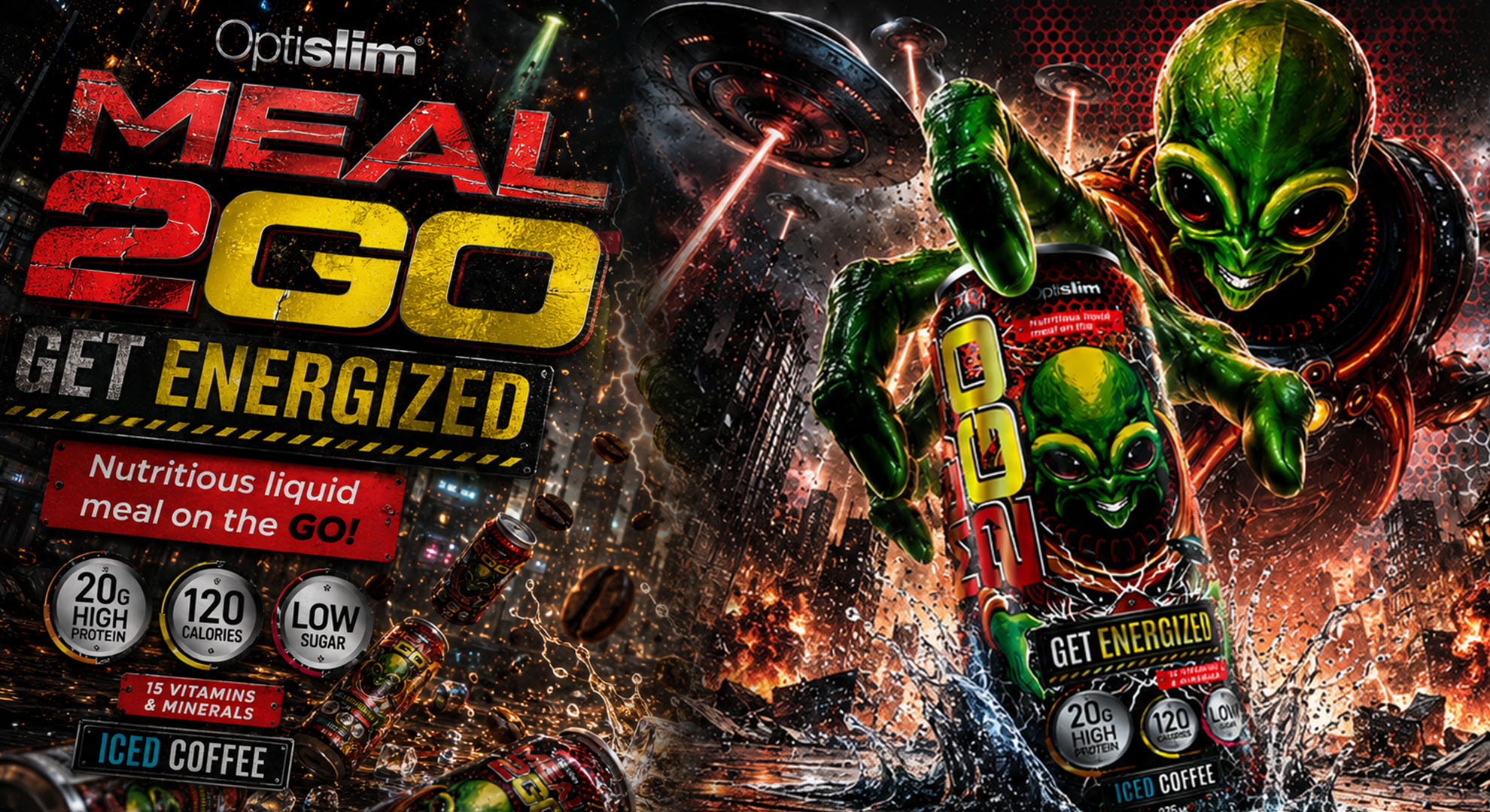
The package communicates its general category, but the visual system offers very little beyond functional identification. Typography, imagery, composition, and overall art direction do not establish a distinctive brand world or a memorable product personality.
The problem is not that the package is simple. Simplicity can be powerful when every element contributes to a clear idea. The weakness appears when simplicity becomes visual neutrality and the customer is left with information but almost no reason to remember who delivered it.
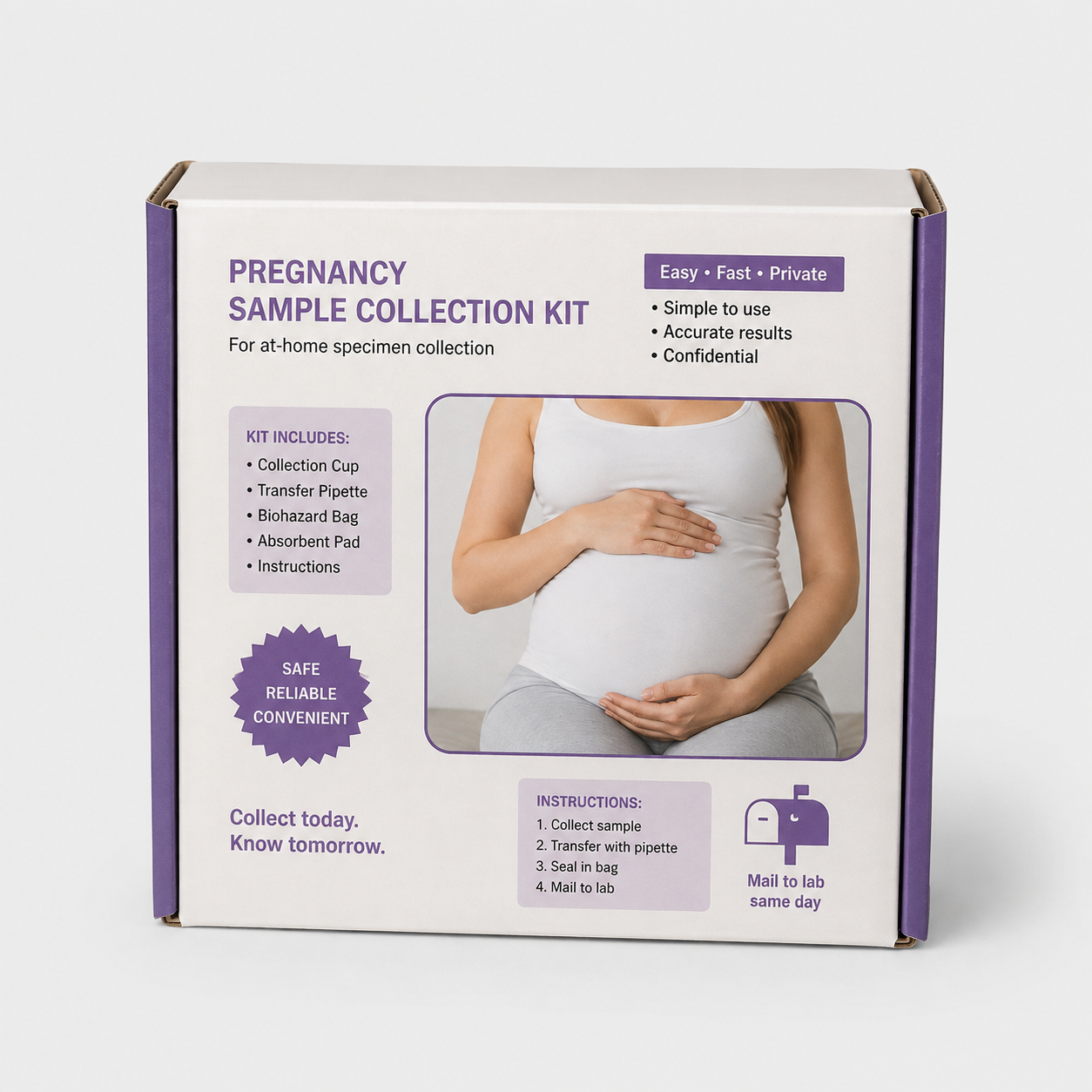
WHAT NOT TO DO — Product Packaging Without A Distinctive Brand Narrative
A package can identify the product correctly while still failing to create recognizable positioning, emotional relevance, or a visual identity strong enough to remain in the customer’s memory.
BETTER
DIRECTION
Build packaging around a central idea before building individual decorative elements.
Brand Meaning → Product Role → Audience Expectation → Visual Language → Recognition
The objective is not to force every package into an elaborate story. It is to identify what the product should communicate immediately and ensure that the most important visual decisions reinforce that message.
A premium product may need restraint, material confidence, and controlled hierarchy.
An energetic utility product may require stronger contrast, faster recognition, and a more expressive visual personality.
A heritage-driven product may depend on typography, illustration, ornament, material cues, or historical references that establish provenance and character.
What matters is that typography, color, imagery, structure, and product information feel as though they belong to the same brand idea rather than to separate design decisions.
When those elements work together, packaging begins communicating before the customer reads the first line of copy.
PROJECT
EVIDENCE
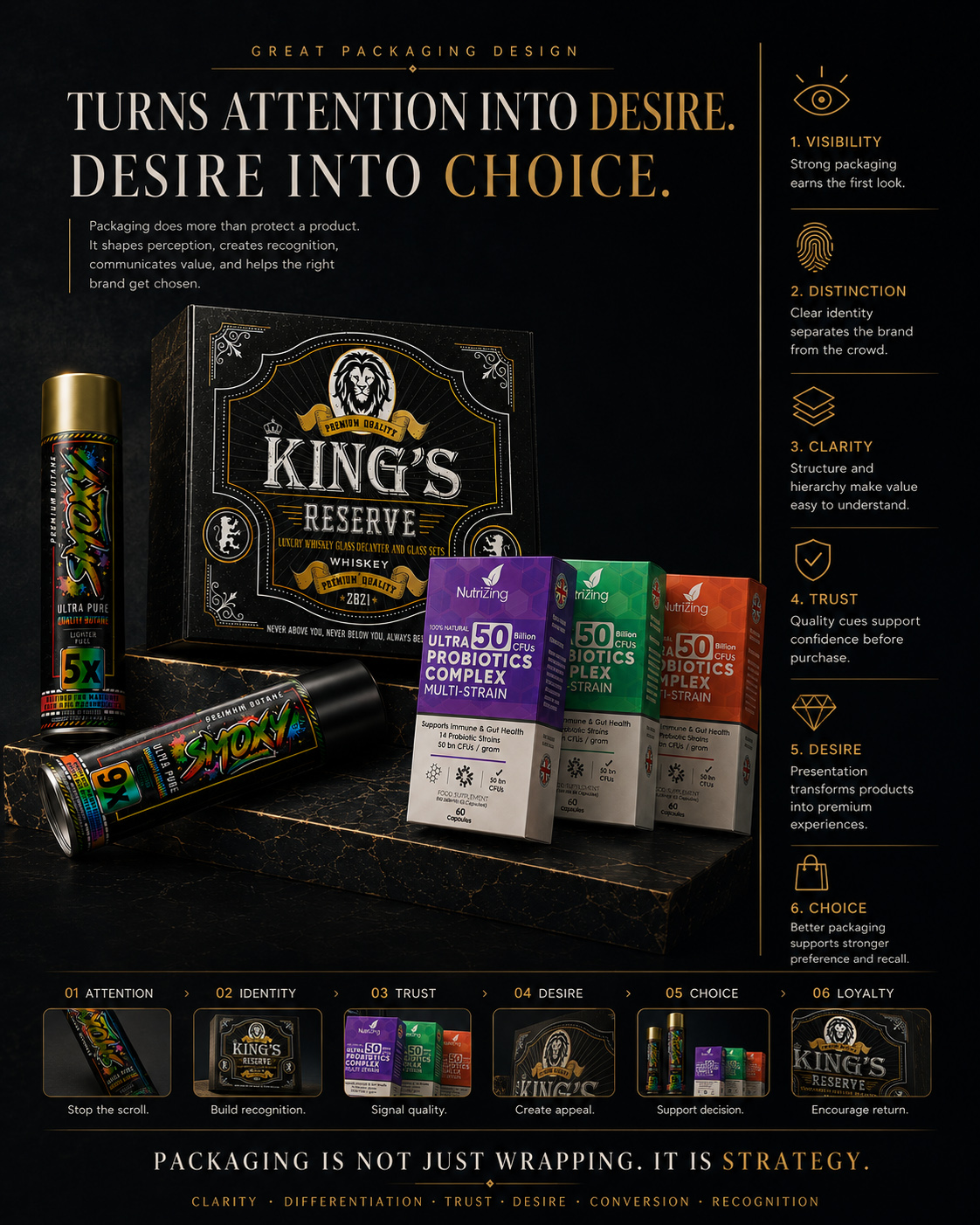
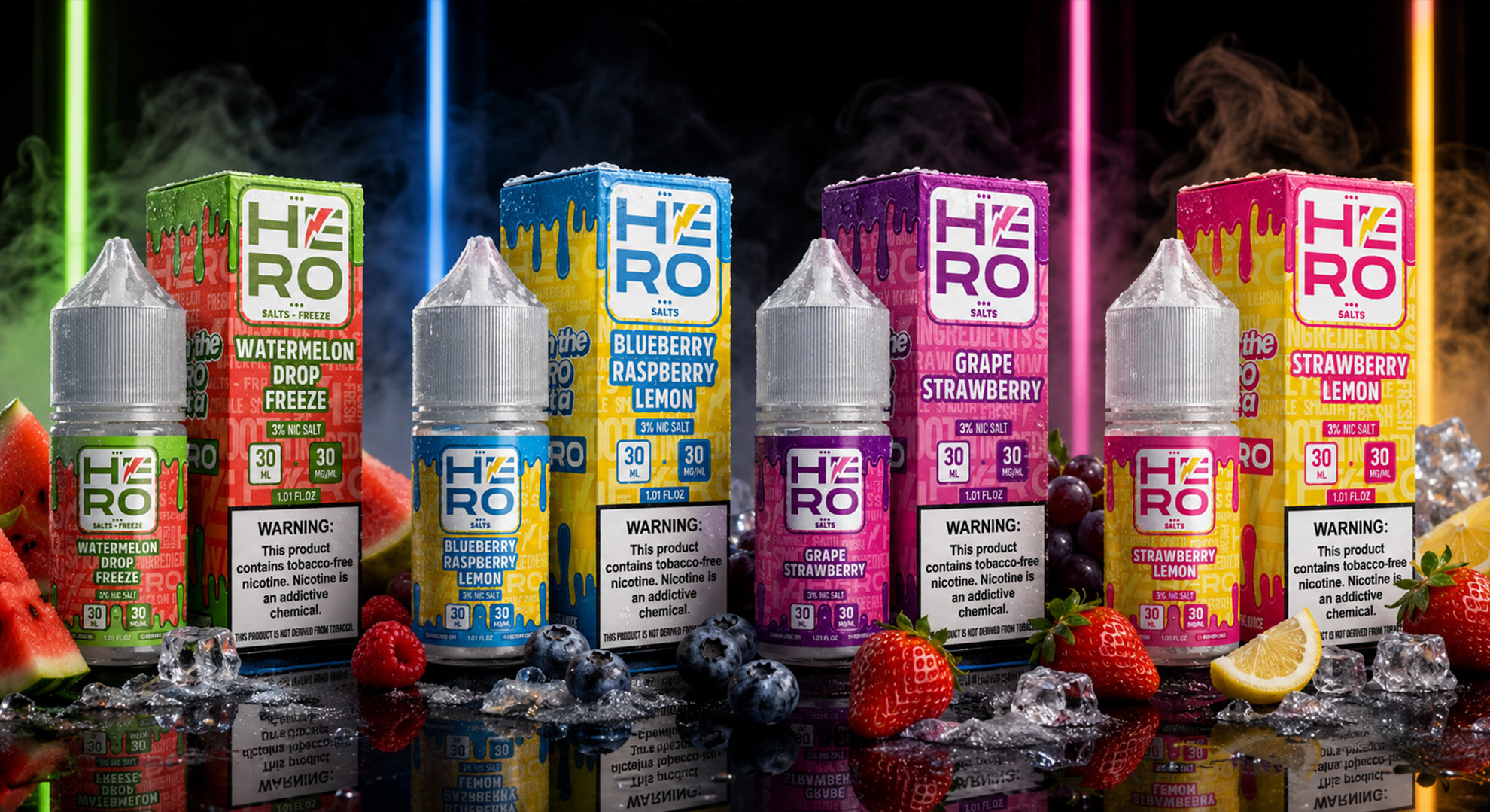
The premium butane lighter refill packaging system demonstrates how a functional product category can develop a recognizable visual personality.
Rather than allowing technical information to dominate the front-facing experience, the packaging uses bold typography, expressive graphics, controlled color variation, strong contrast, and a consistent structural system to create recognition across the range, across different variants, formats, and retail presentation contexts.
The variants remain distinguishable, but clearly belong to the same visual family. Functional information continues to serve the product, while the broader design language gives the packaging energy, attitude, and shelf presence.
That consistency matters across a multi-variant product line. Color performs a navigational role while the repeated structural framework protects recognition, allowing customers to distinguish individual products without losing the sense that every variant belongs to the same packaging family.
This is where storytelling becomes practical. The package does not need to explain its personality in a paragraph because the visual identity establishes that character at first contact.
When Visual Identity Gives The Product An Immediate Personality
WHY THIS EXAMPLE MATTERS
The product range combines technical information with a consistent and expressive packaging system. Color, typography, graphic language, hierarchy, and repetition work together to make each variant recognizable while preserving a unified brand presence.
The result is not simply more decorative packaging. The product communicates a clear attitude before the customer begins evaluating the individual specifications.
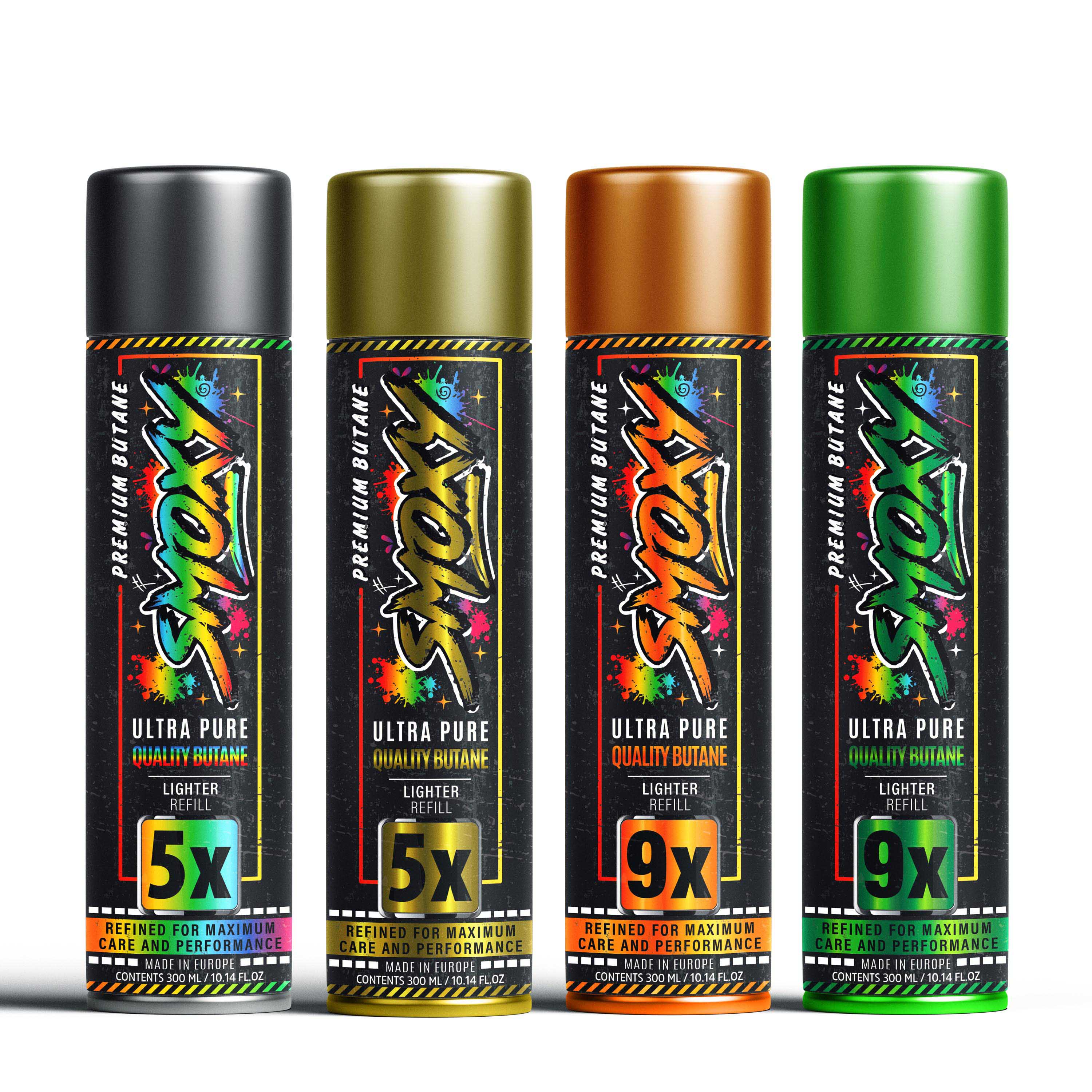
PROJECT EVIDENCE
Expressive Product Packaging Built Around Recognition And Brand Character
A coordinated packaging system using distinctive typography, controlled variant colors, consistent structure, and strong visual identity to create immediate recognition across a functional product range.
THE STRONGEST PACKAGING DOES NOT WAIT FOR THE CUSTOMER TO READ EVERYTHING BEFORE THE BRAND BECOMES CLEAR.
ITS STORY BEGINS THE MOMENT THE PRODUCT IS SEEN.
02 —
PACKAGING MUST KNOW WHO IT IS SPEAKING TO
WHY IT MATTERS
Packaging can be visually polished, technically correct, and professionally produced while still feeling wrong for the people it is meant to attract.
Customers do not evaluate packaging in a vacuum. They read it through expectations shaped by category, price position, intended use, cultural references, competing products, and the kind of experience they expect the brand to deliver.
That does not mean reducing an audience to stereotypes or changing a design simply because a certain demographic is expected to prefer a certain color or style. Stronger packaging begins by understanding what the intended customer needs to recognize, value, and trust in order for the product to feel relevant.
When those expectations are understood, packaging can communicate with much greater precision.
COMMON FAILURE
The package tries to feel appropriate for everyone and ends up establishing almost no meaningful position at all.
Generic premium cues, interchangeable typography, predictable colors, vague lifestyle language, and decorative choices without a clear audience logic can make packaging look acceptable while leaving the customer with little sense of who the product is really for or why its particular character should matter.
The result is often not bad design in an obvious sense.
It is something more dangerous: design that is competent enough to exist, but too generic to create preference.
When Packaging Uses Premium Cues Without A Clear Audience Position
WHY THIS EXAMPLE MATTERS
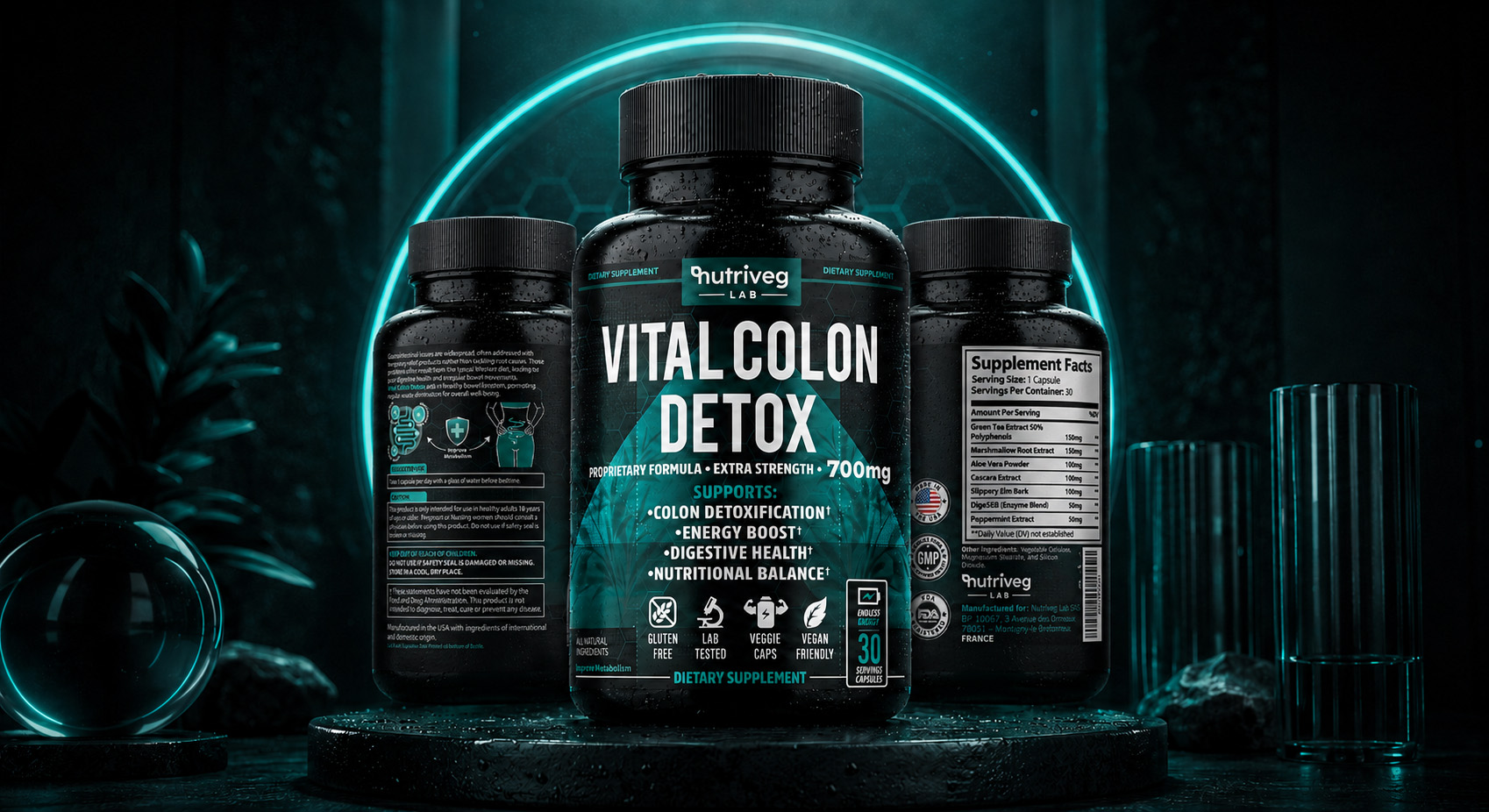
Black surfaces, metallic details, elegant typography, or luxury language can create the appearance of premium packaging without establishing a meaningful relationship with the customer.
When those signals are applied as decoration rather than as part of a deliberate positioning strategy, the package may look expensive without communicating what kind of value, experience, or identity the customer is actually being invited into.
Premium perception becomes stronger when visual choices support a specific promise—not when familiar luxury codes are simply added because they are expected.
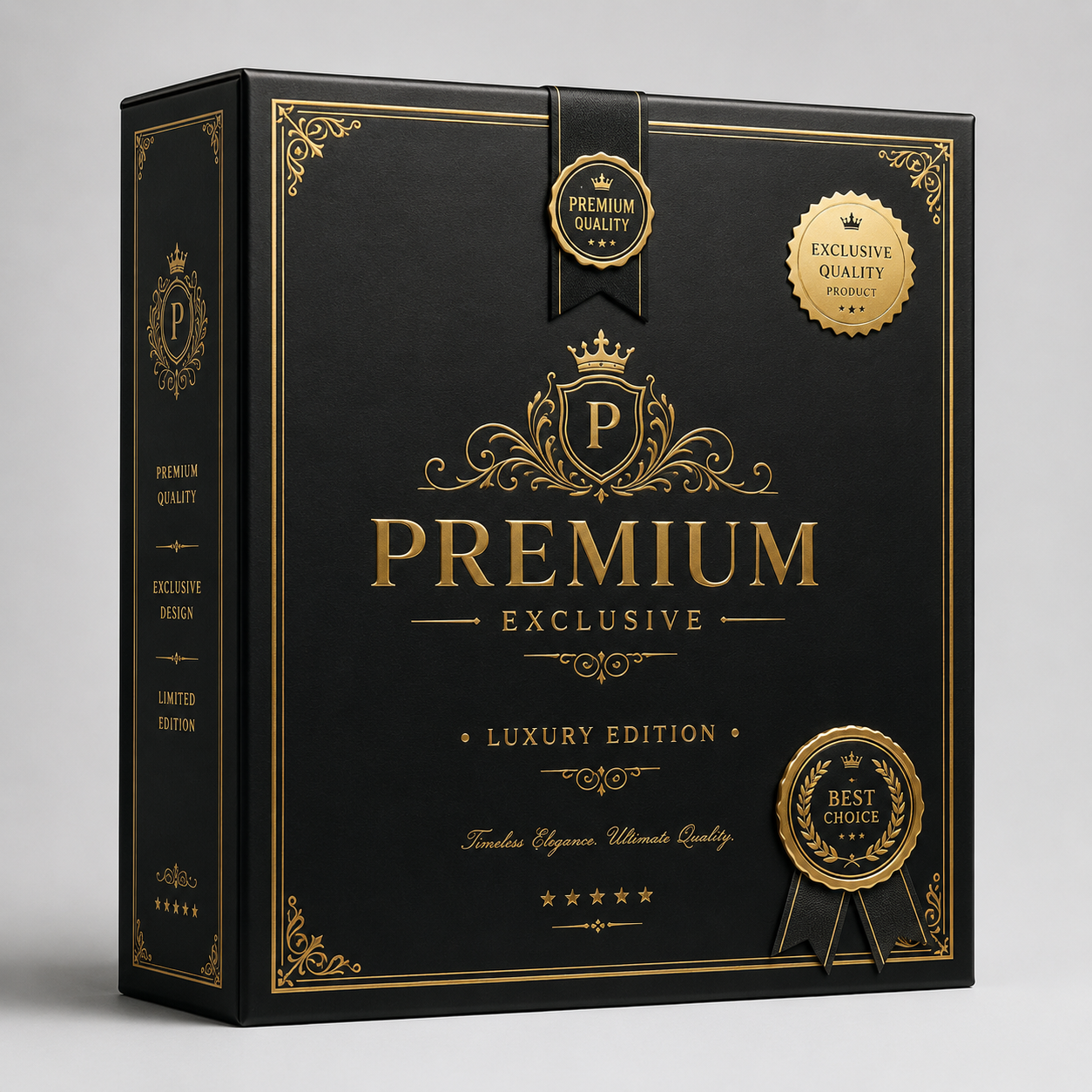
WHAT NOT TO DO — Generic Premium Styling Without A Defined Audience Logic
Familiar luxury cues can make packaging look polished, but without clear positioning they may create surface-level sophistication rather than a distinctive and relevant brand experience.
BETTER
DIRECTION
Build the visual language around the expectations that genuinely matter within the product’s intended context.
Audience Expectation → Category Context → Decision Priority → Visual Language → Brand Distinction
A premium spirits product may need to communicate heritage, ceremony, craftsmanship, restraint, or gifting value.
A contemporary utility product may depend more strongly on immediacy, confidence, energy, and rapid recognition.
A wellness or personal-care product may require greater clarity, reassurance, accessibility, and credibility before expressive branding can become persuasive.
None of these directions should be treated as fixed formulas.
The point is to understand which signals help the intended customer recognize the product’s position, then build typography, color, imagery, structure, materials, and hierarchy around that understanding.
Audience relevance is therefore not something added after the design has been created.
It should influence the visual language from the beginning.
PROJECT
EVIDENCE
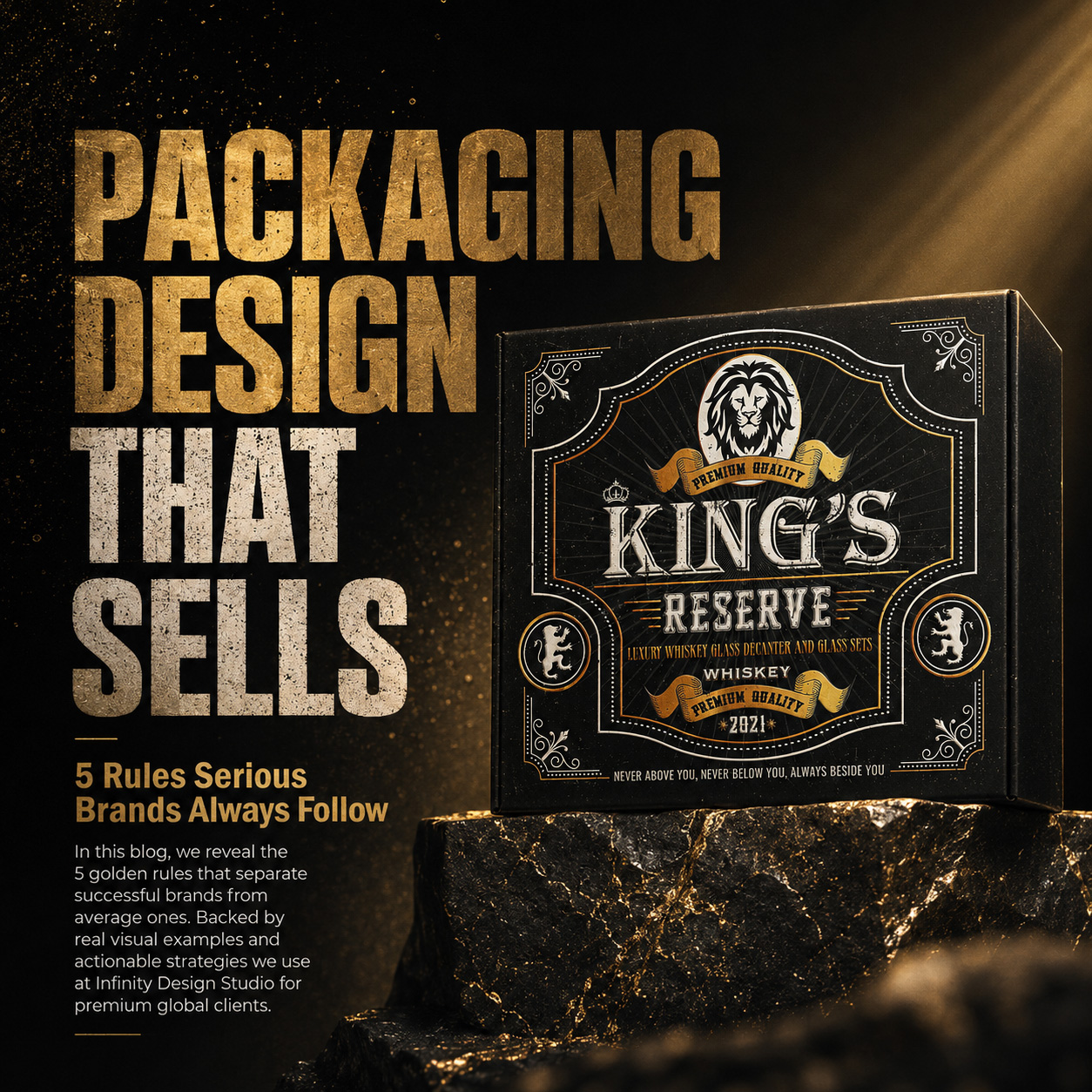
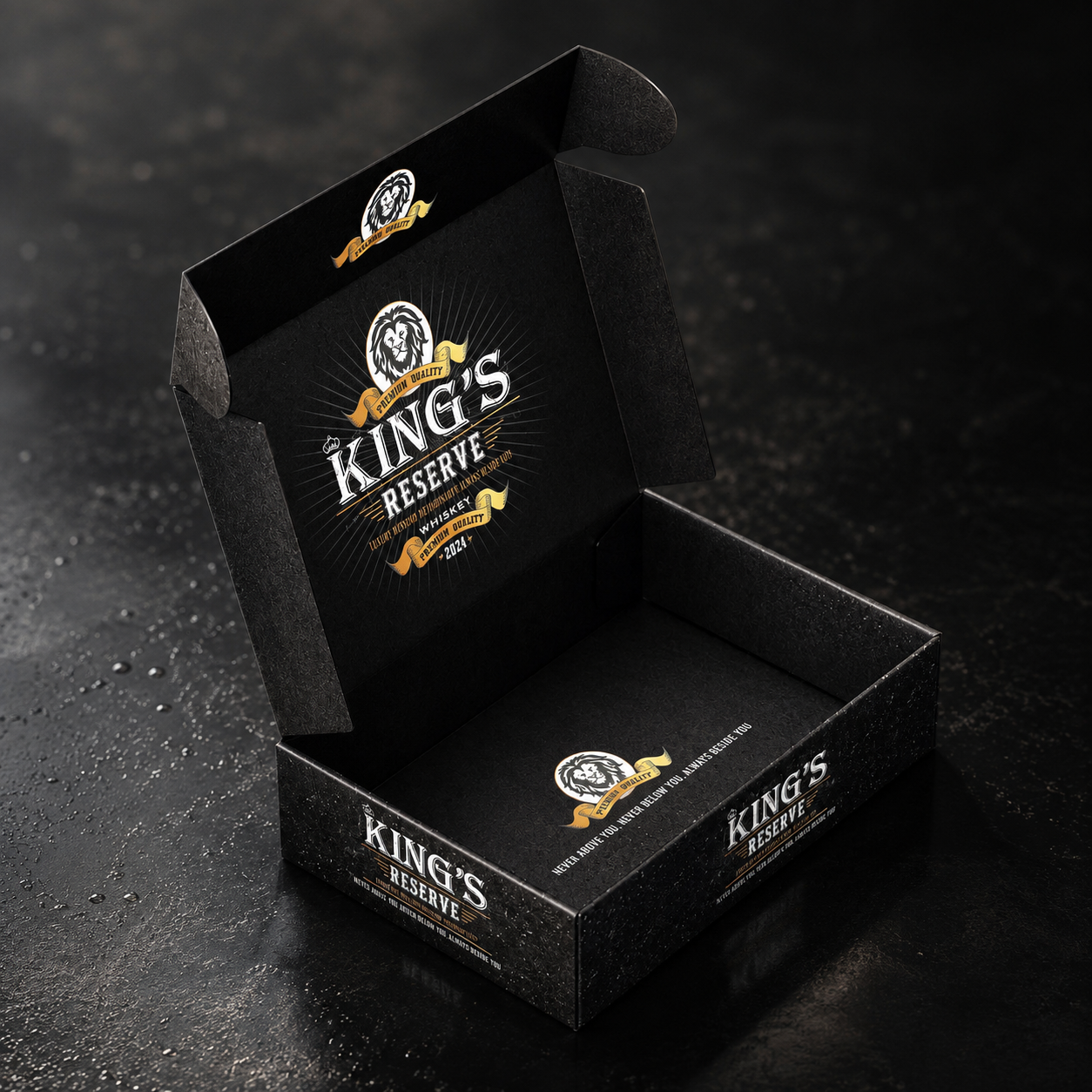
The King’s Reserve luxury whiskey glass decanter and glass set packaging demonstrates how a clear audience and product position can shape an entire visual language.
The black foundation, metallic gold accents, ornamental framing, heraldic lion imagery, vintage-inspired typography, and layered decorative detail establish a world associated with heritage, ceremony, gifting, and traditional premium presentation.
The design does not attempt to appear universally contemporary or visually neutral.
It chooses a specific language and commits to it.
That commitment allows the customer to understand the intended character of the product before opening the box.
The packaging establishes expectation first, then allows product information to operate within that already-defined atmosphere.
The important lesson is not that premium products should look black and gold.
It is that a strong package understands which visual signals are relevant to its intended audience and uses them consistently enough to establish a recognizable position.
When Audience Expectations Shape A Distinctive Packaging Language
WHY THIS EXAMPLE MATTERS
The King’s Reserve packaging uses a coherent set of visual signals to establish a specific premium character rather than relying on generic luxury decoration.
Typography, ornament, symbolism, contrast, and color all reinforce the same positioning, helping the product feel intentional, recognizable, and appropriate to the experience it is designed to represent.
The strength comes from consistency between audience expectation and visual expression—not from any single decorative element.
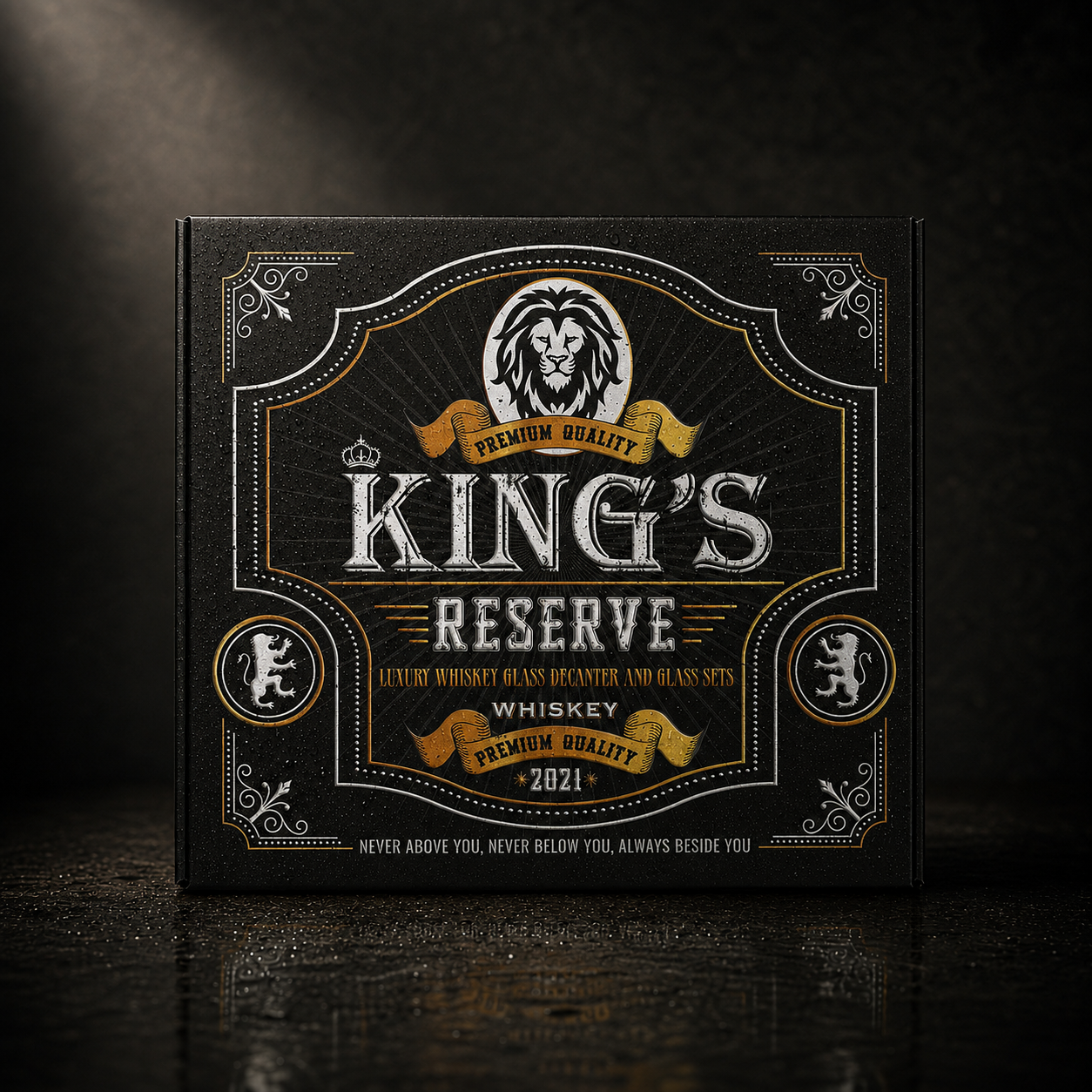
PROJECT EVIDENCE
King’s Reserve Audience-Led Premium Packaging Positioning
A coordinated packaging system using heritage-inspired typography, ornamental detail, symbolic imagery, and controlled black-and-gold contrast to establish a clear premium character and recognizable product position.
PACKAGING BECOMES MORE RELEVANT WHEN IT STOPS TRYING TO PLEASE EVERYONE AND STARTS DECIDING WHAT THE RIGHT CUSTOMER NEEDS TO RECOGNIZE, VALUE, AND TRUST.
When Premium Positioning Continues Through The Opening Experience
WHY THIS EXAMPLE MATTERS
Strong packaging design does not stop at the outer surface. Once the box is opened, the same brand logic should continue through structure, layout, interior printing, material feel, and the way the product experience is revealed.
In this example, the visual language remains consistent beyond the front panel. The typography, contrast, symbolism, and controlled black-and-gold palette continue inside the packaging, helping the premium positioning feel intentional rather than superficial.
This is where audience-led packaging becomes more convincing. The customer is not only shown a premium identity—they move through it. The opening experience reinforces the same promise established on the exterior, turning packaging into a more complete and credible brand encounter.
PROJECT EVIDENCE
King’s Reserve Packaging Extends Its Premium Positioning Through The Unboxing Experience
The structure, interior presentation, and continued visual consistency help the packaging feel more immersive, more resolved, and more aligned with the premium audience it is designed to attract.
SECONDARY EVIDENCE — Premium Positioning That Continues Beyond The Front Panel
A strong packaging system carries its visual identity through the full opening experience, using structure, interior branding, and consistent presentation to reinforce audience expectation and deepen premium perception.
WHEN POSITIONING CONTINUES THROUGH THE OPENING EXPERIENCE, THE PACKAGING FEELS LESS LIKE A SURFACE AND MORE LIKE A COMPLETE BRAND ENVIRONMENT.
03 —
PACKAGING MUST WORK BEFORE IT CAN IMPRESS
WHY IT MATTERS
Packaging is not experienced only through appearance. It is picked up, opened, read, handled, stored, compared, transported, and used. Every one of those moments influences whether the design feels considered or whether visual ambition begins to interfere with the product experience.
Strong packaging design therefore has to balance brand expression with usability, information hierarchy, structural logic, and the practical needs of the product itself.
A beautiful package can quickly lose credibility when essential information is difficult to find, typography becomes decorative at the expense of readability, the opening experience feels unnecessarily complicated, or the structure makes the product harder to understand and use.
Function does not reduce creativity. It gives creative decisions a reason to exist.
COMMON FAILURE
The packaging is visually impressive, but the customer has to work too hard to understand or use it.
Information is scattered without clear priority. Important details compete with decorative elements. Typography may be elegant but difficult to read. Structural choices may look distinctive while adding unnecessary friction to opening, handling, storage, or access.
The problem is not complexity itself.
Complex packaging can work extremely well when every layer has a defined purpose and the customer can understand the experience without having to decode the design.
When function becomes secondary, packaging begins asking the customer to adapt to the design instead of allowing the design to support the customer.
When Packaging Looks Designed But Does Not Feel Easy To Use
WHY THIS EXAMPLE MATTERS
A package can contain sophisticated graphics, premium finishes, and multiple layers of information while still creating unnecessary friction.
When visual elements compete with instructions, essential information is difficult to locate, or structural choices make the package less intuitive, the design begins to work against the experience it is supposed to support.
The strongest packaging does not force customers to choose between beauty and clarity. It uses visual and structural decisions to make both possible at the same time.
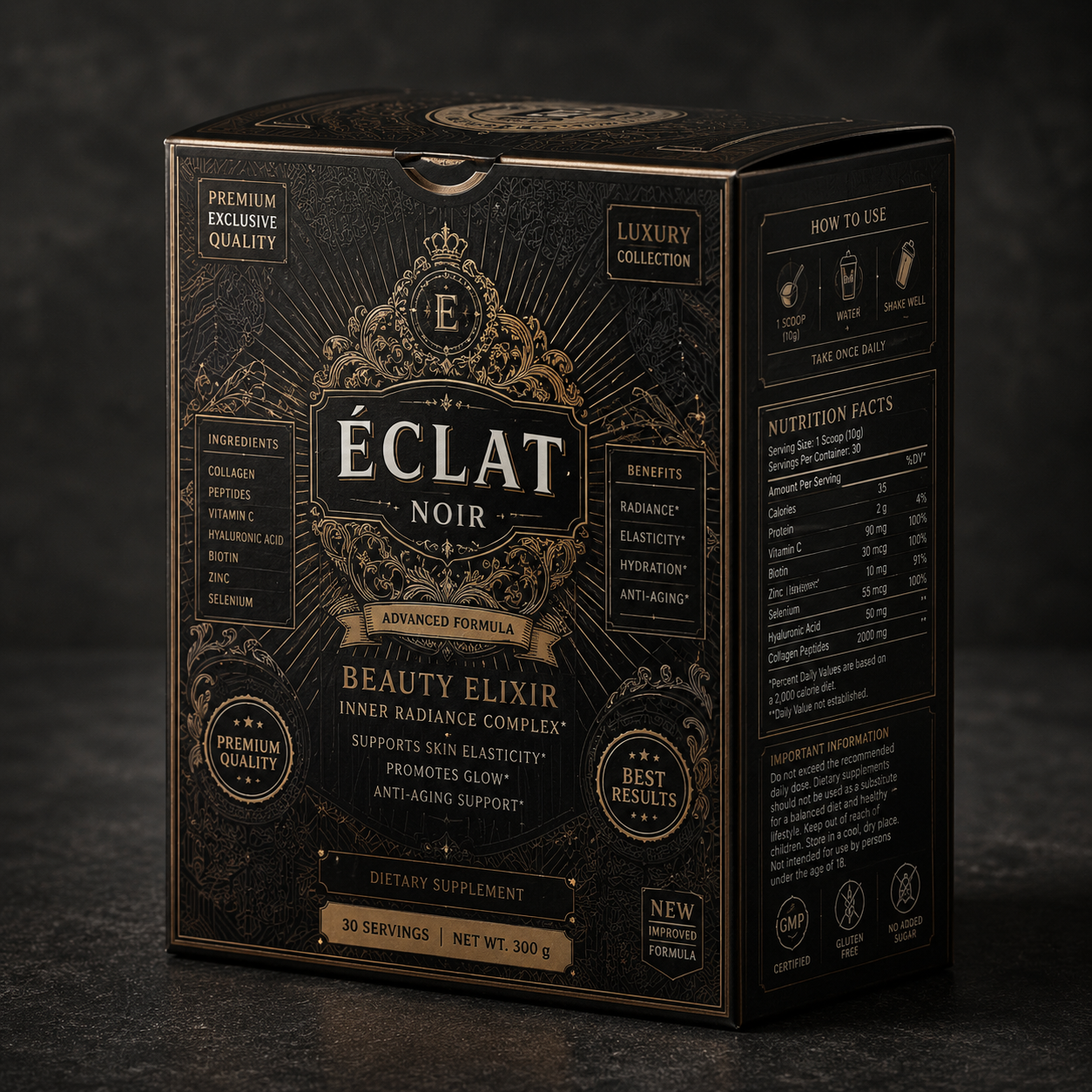
WHAT NOT TO DO — Packaging Complexity Without Clear Functional Logic
Visual ambition becomes less valuable when information, access, handling, or usability require more effort than the product experience should demand.
BETTER
DIRECTION
Design the package around the complete interaction, not only the front-facing composition.
Product Need → Structural Logic → Information Priority → Interaction → Visual Expression
The exact balance changes by category.
A bottle label must help the customer recognize the brand, product type, variant, and essential information without making the label feel like a technical document.
A carton may need to organize multiple information layers while keeping opening and access intuitive.
A premium gift box can create anticipation and ceremony, but the experience should still feel deliberate rather than unnecessarily complicated.
A functional product may require faster scanning, clearer instructions, or stronger differentiation between primary and secondary information.
Good packaging asks a practical question before every visual decision:
What does the customer need to understand or do at this moment—and how can the design make that easier without weakening the brand experience?
PROJECT
EVIDENCE
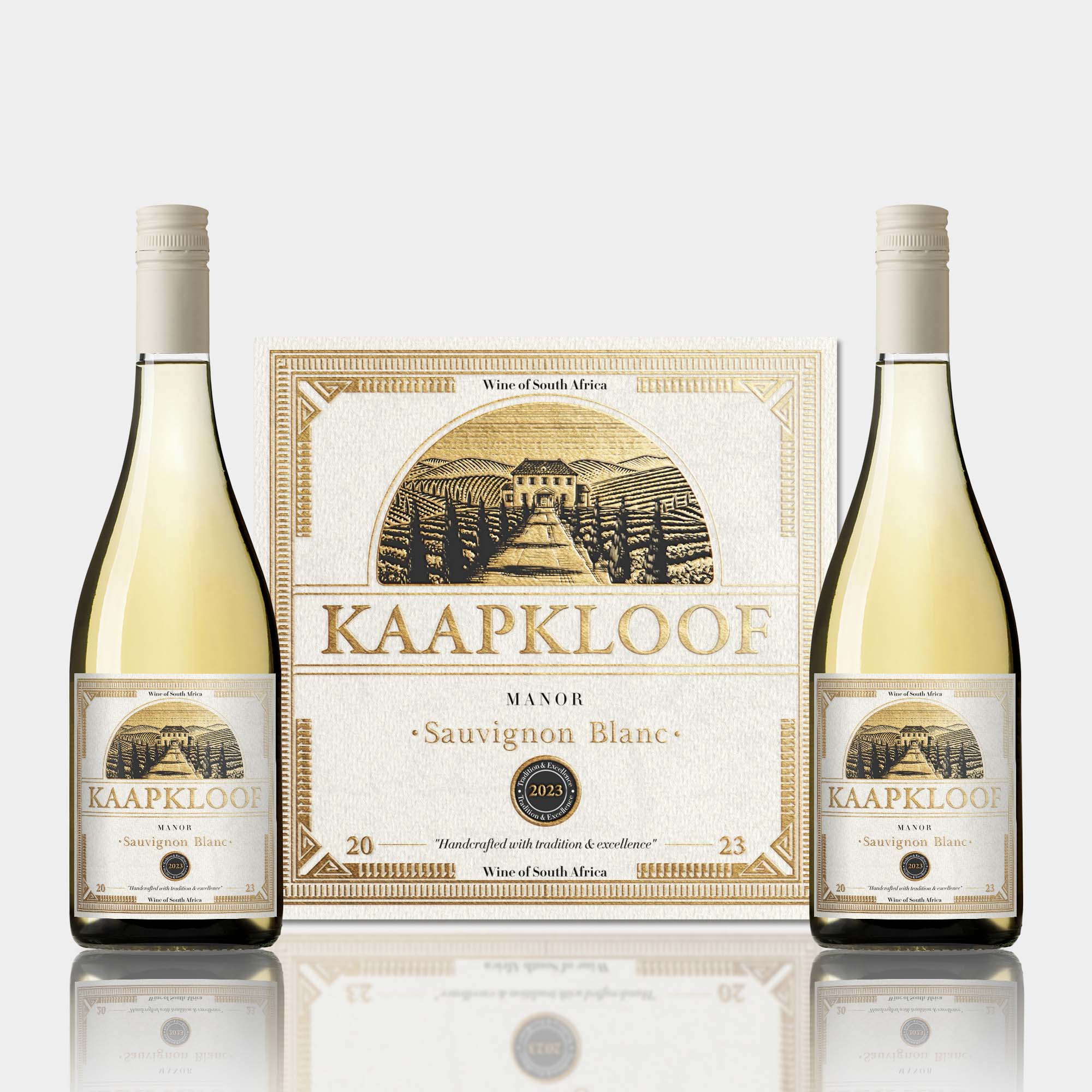
The Kaapkloof Manor Sauvignon Blanc packaging demonstrates how visual character and functional information hierarchy can coexist within a restrained label system.
The design presents multiple layers of information—brand name, product designation, vintage, origin, and supporting details—without allowing those elements to compete equally for attention.
The main identity remains dominant, while secondary information is organized around it in a controlled sequence. Illustration, typography, framing, and spacing contribute to the premium character, but they also help structure how the label is read.
This is an important distinction.
The label does not become functional by removing visual personality. It becomes functional because the visual personality and the information hierarchy are designed as the same system.
The customer can recognize the wine, understand its essential identity, and move through supporting information without the aesthetic experience collapsing into clutter.
This clarity also strengthens confidence throughout the experience.
When Information Hierarchy Becomes Part Of The Packaging Experience
WHY THIS EXAMPLE MATTERS
The Kaapkloof label gives each layer of information a clear visual role. Brand identity leads, product and vintage information remain accessible, and supporting details sit within a structured composition rather than competing for equal attention.
Typography, illustration, spacing, and hierarchy work together so that readability does not feel added after the design—it is built into the visual language itself.
The result demonstrates how packaging can remain elegant and distinctive while still helping the customer understand the product with less effort.
PROJECT EVIDENCE
Kaapkloof Manor Wine Packaging Built Around Clarity And Visual Hierarchy
A refined wine label system balancing brand expression, product recognition, structured information, and readability within one coherent packaging experience.
FUNCTIONAL PACKAGING DOES NOT ASK DESIGN TO BECOME QUIETER.
IT MAKES EVERY VISUAL AND STRUCTURAL DECISION WORK HARDER FOR THE PRODUCT AND THE PEOPLE USING IT.
04 —
PREMIUM PERCEPTION IS BUILT IN THE DETAILS
WHY IT MATTERS
Customers may not consciously identify every design decision that makes packaging feel refined, but they experience the cumulative effect of those decisions almost immediately.
Paper character, surface texture, typography, spacing, illustration, print contrast, edge detail, color restraint, and the relationship between primary and secondary information can all influence whether a package feels considered, generic, crafted, artificial, contemporary, traditional, accessible, or premium.
Perceived quality rarely comes from one dramatic effect.
It is usually built through many small decisions that support the same product position with consistency and restraint.
That is why premium packaging is not simply packaging with more decoration, more metallic color, or more visual effects.
The details have to feel connected to the product, the brand story, and the experience the package is intended to create.
COMMON FAILURE
The design tries to manufacture premium value through effects instead of earning it through detail.
Metallic gradients, ornamental borders, glossy surfaces, decorative seals, elaborate typography, and luxury language may all be added to a package without creating a genuinely refined result.
When too many premium signals are applied without a clear material or visual logic, the package can begin to feel theatrical rather than valuable.
The problem is not the use of decorative detail.
The problem begins when every detail asks to be noticed instead of contributing quietly to the same overall impression.
When Premium Effects Become More Visible Than The Product
WHY THIS EXAMPLE MATTERS
Luxury cues can lose their impact when they are used without enough restraint or relationship to the product itself.
When metallic effects, decorative textures, seals, shadows, ornamental frames, and contrasting finishes all compete for attention, the package may communicate effort more clearly than it communicates quality.
Premium perception becomes more convincing when details feel intentional, controlled, and materially appropriate rather than simply abundant.
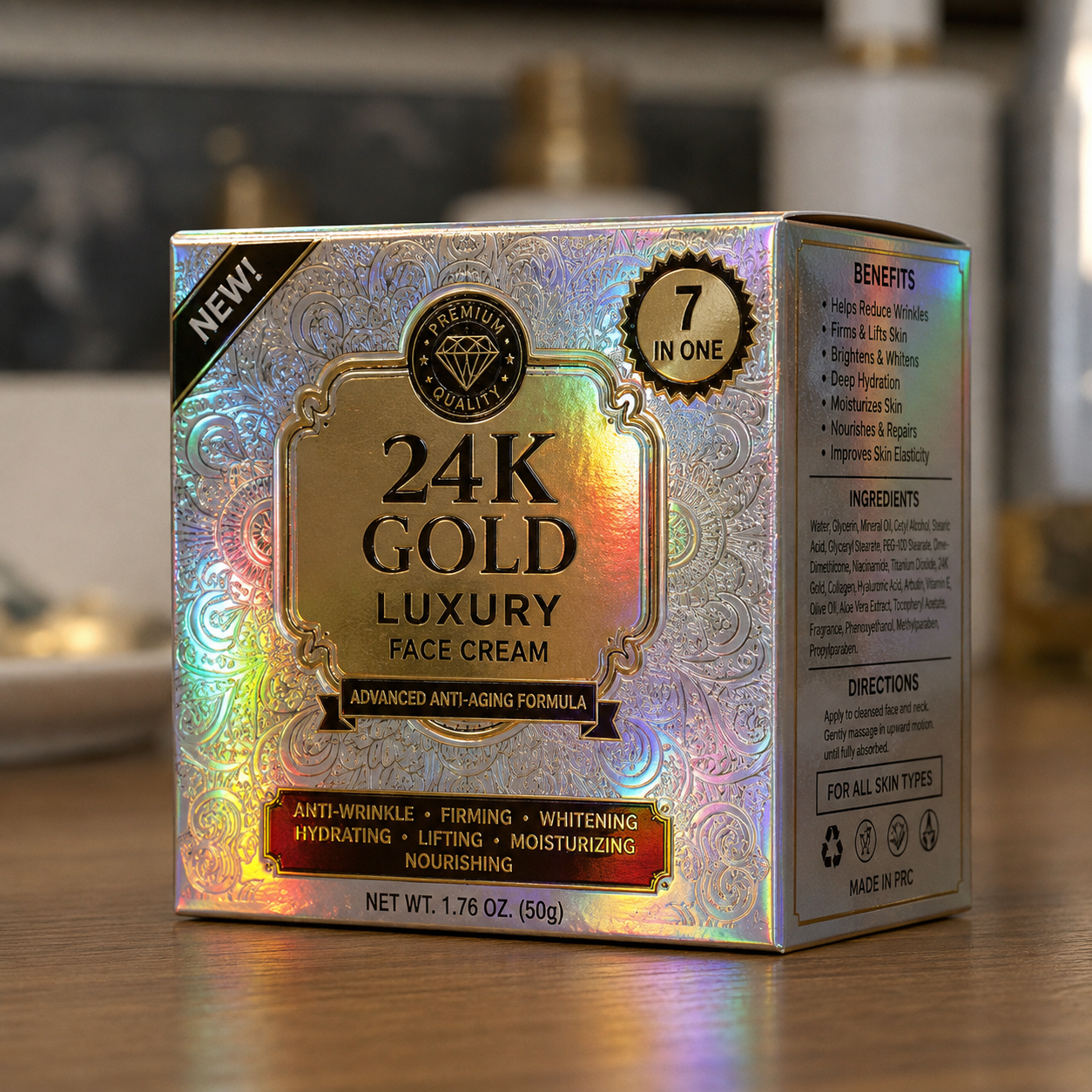
WHAT NOT TO DO — Decorative Premium Effects Without A Coherent Material Language
More visual finish does not automatically create more perceived value. When every surface tries to feel special, the overall packaging experience can become less refined.
BETTER
DIRECTION
Treat detail as a system of reinforcement rather than a collection of effects.
Product Character → Material Choice → Visual Detail → Finish → Perceived Quality
The right material or surface should support the product story before decorative treatment begins.
Typography should feel appropriate to the category and positioning.
Illustration should add meaning rather than fill space.
Contrast should help important details emerge naturally.
Special finishes, when used, should emphasize the most meaningful elements rather than compete across the entire surface.
Premium packaging often becomes stronger through editing, hierarchy, and restraint, because fewer carefully controlled signals can create more confidence than many unrelated ones.
The goal is not to make every element luxurious.
It is to make the entire package feel resolved.
PROJECT
EVIDENCE
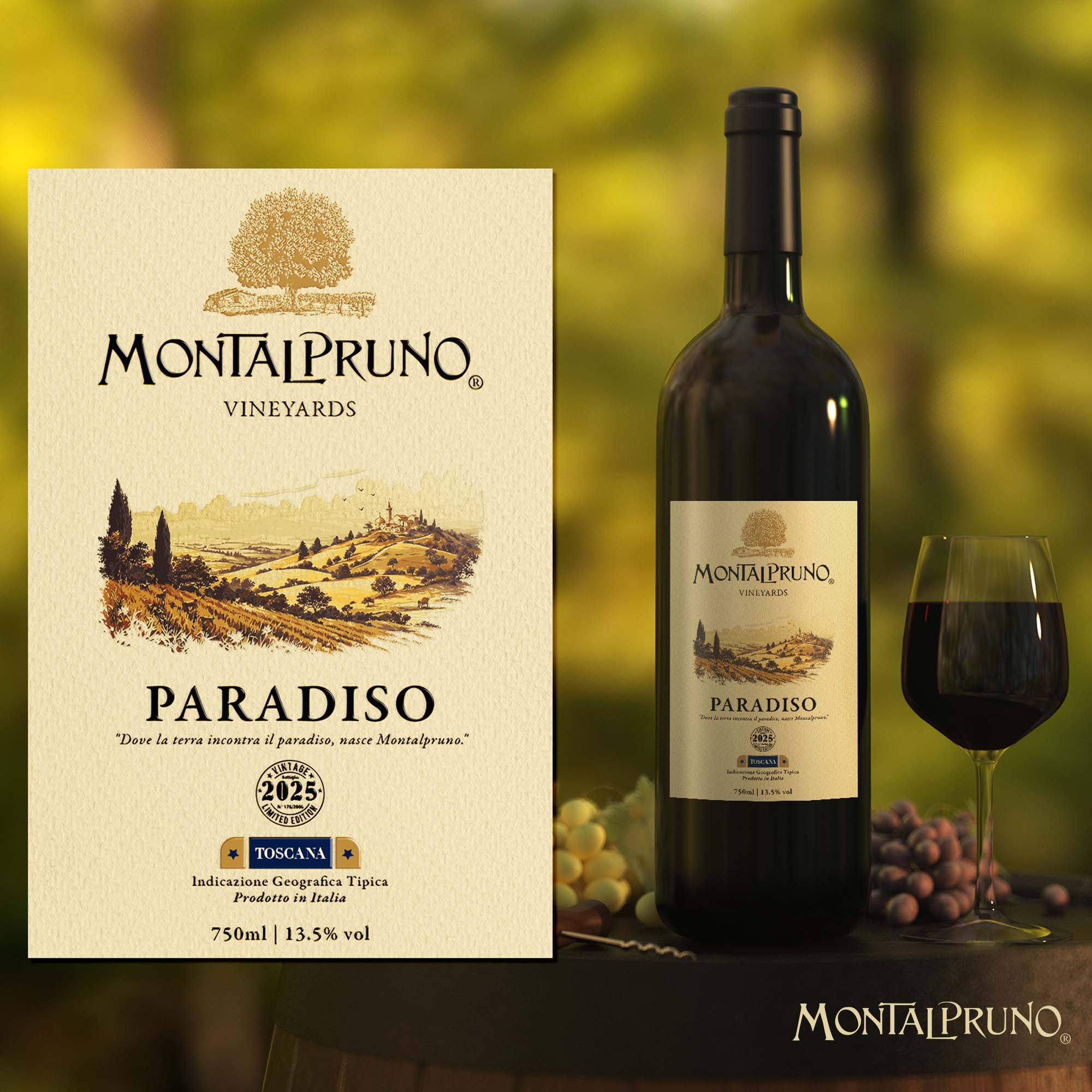
The MontalPruno Paradiso wine label demonstrates how perceived quality can emerge through detail without relying on excessive visual effects.
The warm cream foundation, visible paper character, landscape illustration, restrained black and gold-toned detailing, controlled typography, and vintage-inspired supporting marks create a visual language connected to place, heritage, craftsmanship, and the atmosphere of the product.
No single element carries the entire premium impression.
Instead, the design builds character through the relationship between illustration, texture, typography, spacing, and color.
The landscape creates narrative depth. The typography establishes hierarchy. The restrained palette gives the composition calmness, while the textured presentation prevents the label from feeling digitally flat or overly polished.
This is where detail becomes strategic.
The customer experiences quality through consistency between what the product represents and how every visible element has been treated.
When Detail Creates Perceived Quality Without Needing To Shout
WHY THIS EXAMPLE MATTERS
The MontalPruno Paradiso presentation uses restrained visual detail to create a distinct sense of place and character.
Illustration, typography, paper texture, spacing, and warm tonal contrast work together rather than functioning as separate decorative devices.
The result feels premium because the details support the same story consistently, allowing refinement to emerge through coherence rather than excess.
PROJECT EVIDENCE
MontalPruno Paradiso Packaging Detail And Perceived Quality
A wine label system using illustration, tactile visual character, restrained typography, and warm heritage-inspired detailing to create a premium identity rooted in place, craft, and atmosphere.
PREMIUM PACKAGING IS NOT DEFINED BY HOW MANY SPECIAL DETAILS IT CONTAINS.
IT IS DEFINED BY HOW PRECISELY THOSE DETAILS WORK TOGETHER TO MAKE QUALITY FEEL BELIEVABLE.
05 —
PACKAGING HAS TO PERFORM BEYOND THE DESIGN FILE
WHY IT MATTERS
Packaging is rarely experienced under the controlled conditions in which it was designed.
It appears on crowded shelves, beside competing products, in a customer’s hand, inside shipping boxes, across product photography, and increasingly as a small image within e-commerce listings and digital storefronts.
A design that feels impressive at full size on a presentation screen can lose clarity when viewed from a distance, reduced to a thumbnail, placed beside other variants, or photographed under less controlled conditions.
That is why real-world context is not something packaging should be tested against only after the design is finished. It is part of the design problem from the beginning.
Strong packaging needs to preserve recognition, hierarchy, differentiation, and brand consistency even when the environment around it changes.
COMMON FAILURE
The packaging looks convincing in isolation but becomes weaker the moment it enters the real world.
A beautiful mockup can hide poor contrast, weak variant differentiation, oversized decorative detail, inconsistent product architecture, or information that becomes unreadable when the package is viewed at actual size.
A single product may look polished on its own while an entire range becomes visually chaotic when multiple variants appear together.
The same design may also lose impact online when the elements that felt refined at full scale become too subtle to survive a smaller digital presentation.
The problem is not that packaging should look identical everywhere.
It is that the core identity should remain recognizable even when scale, environment, lighting, competition, and viewing distance change.
When Packaging Only Works Under Perfect Presentation Conditions
WHY THIS EXAMPLE MATTERS
A controlled mockup can make almost any package appear more confident than it may feel in real use.
When the design depends too heavily on ideal lighting, close viewing distance, generous empty space, or an isolated presentation, its weaknesses may only become visible once the product enters a more demanding environment.
Real packaging has to compete with surrounding color, information, scale, product density, and limited customer attention.
The goal is not to design for the worst possible conditions. It is to ensure that the brand’s most important signals remain strong enough to survive outside the presentation file.
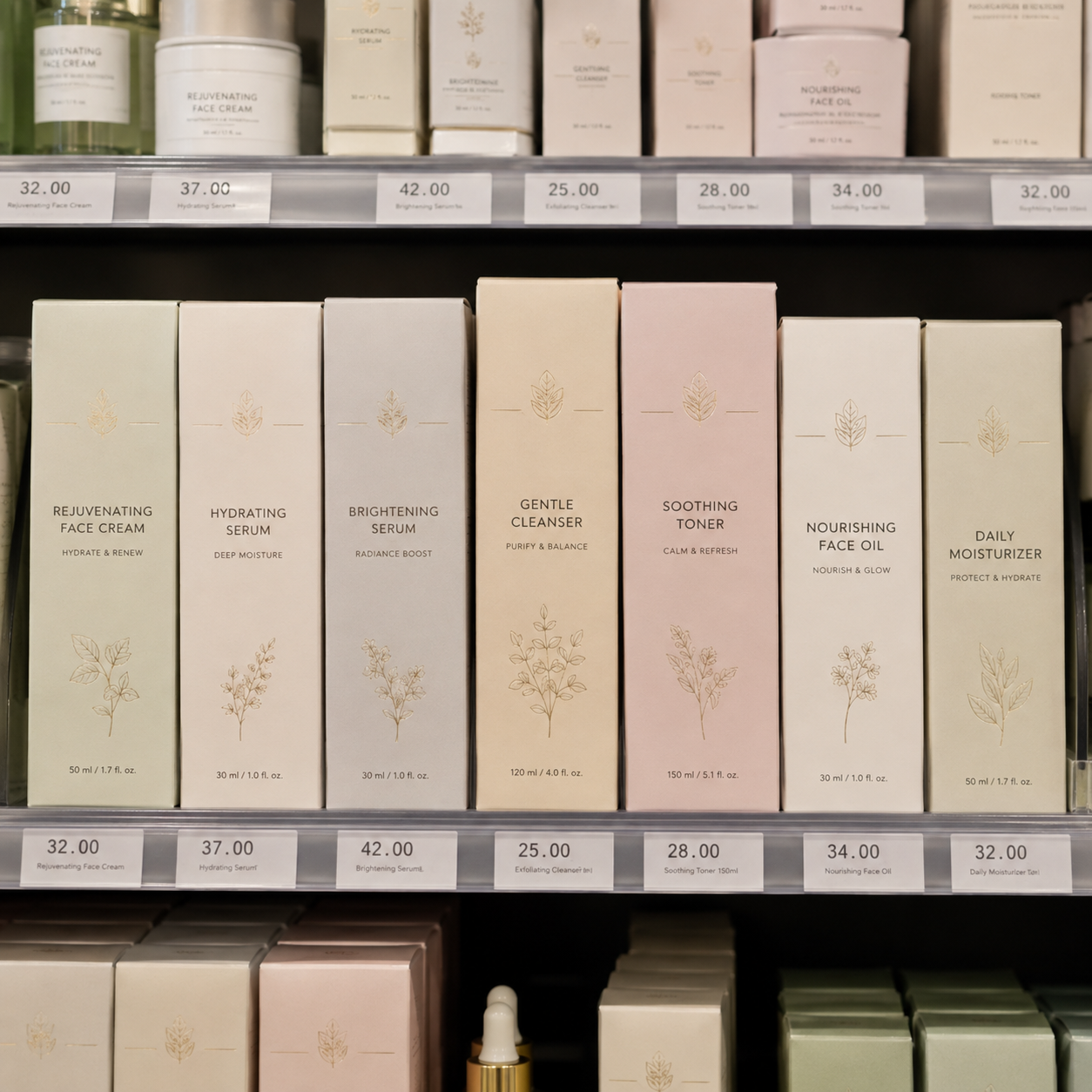
WHAT NOT TO DO — Packaging Designed For The Mockup Instead Of The Marketplace
A strong presentation image cannot compensate for weak recognition, unclear hierarchy, or poor product differentiation once packaging enters real shelf, retail, or digital environments.
BETTER
DIRECTION
Evaluate packaging across the environments in which customers will actually encounter it.
Recognition → Context → Scale → Variant Clarity → Consistency
The front-facing design should remain identifiable at a glance.
Primary information should survive reduction in scale.
Product variants should be different enough to navigate without weakening the family identity.
Typography, color, and graphic elements should remain coherent across photography, e-commerce, shelf presentation, and physical handling.
For a single product, that may mean testing whether the most important information remains clear from different viewing distances.
For a product range, it means understanding how individual variants behave together rather than evaluating each package separately.
For e-commerce, it means recognizing that the customer may first encounter the design as a relatively small digital image rather than as a full-size physical object.
The strongest packaging systems are therefore designed not only around what looks good in one composition, but around what remains recognizable when the conditions change.
PROJECT
EVIDENCE
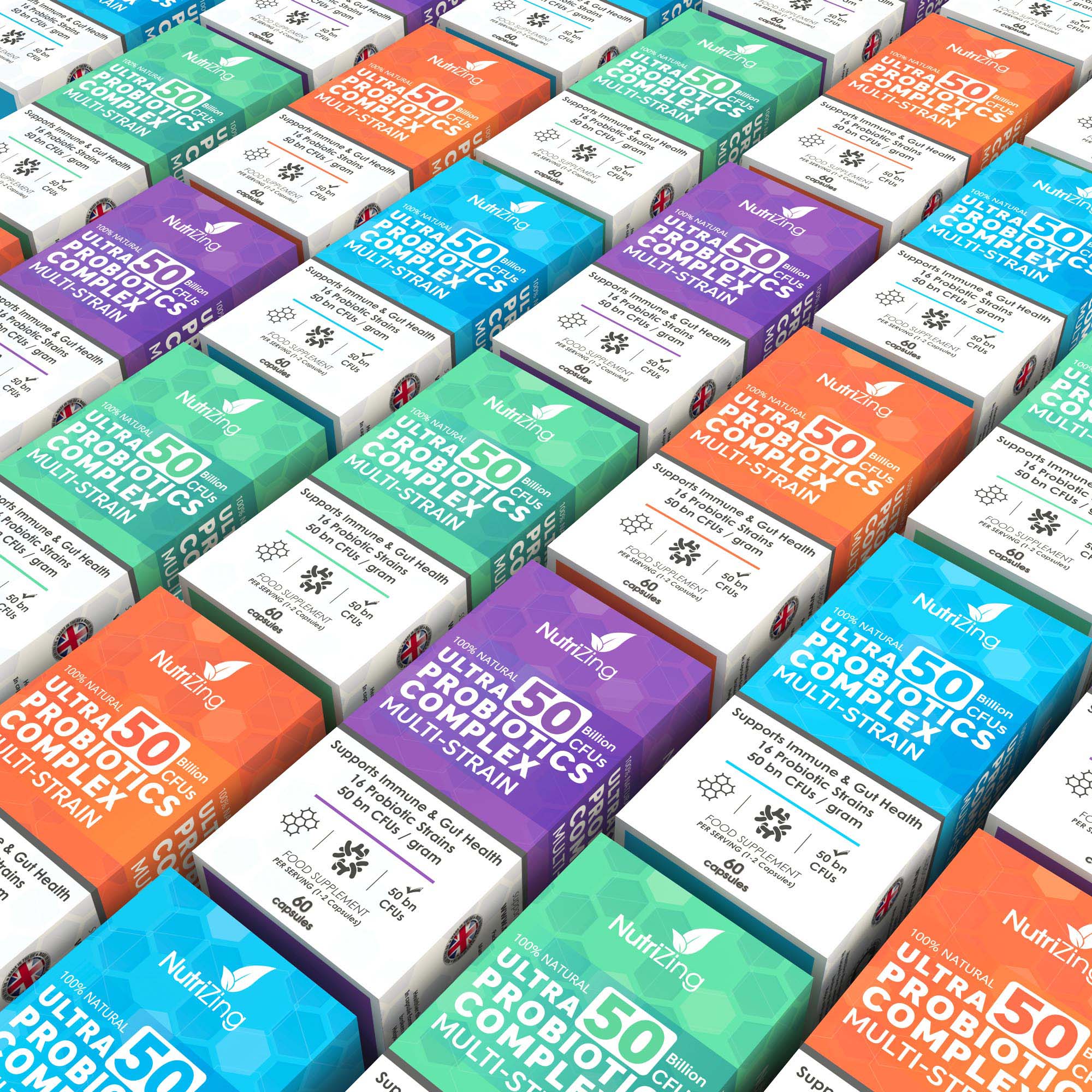
The NutriZing Ultra 50 Probiotics Complex packaging range demonstrates how a product family can maintain a recognizable identity while giving individual variants enough distinction to remain easy to navigate.
The shared white structural foundation, consistent typography, repeated information architecture, and recognizable brand placement create continuity across the range.
At the same time, strong variant colors allow individual products to separate quickly without breaking the overall system.
This becomes particularly important when several packages are presented together.
Instead of each variant behaving as an independent design, the complete range forms a coordinated visual field.
Repetition strengthens recognition, while color segmentation supports product differentiation.
The same system also translates effectively into product photography and digital presentation because the most important identity cues remain visible even when multiple packages share the frame.
The project demonstrates an essential packaging principle: consistency should make a product line stronger as it grows, not make individual products harder to distinguish. This consistency strengthens recognition.
When A Product Range Remains Recognizable Across Scale And Context
WHY THIS EXAMPLE MATTERS
The NutriZing packaging system maintains a consistent brand structure while allowing color to perform a clear navigational role across the product family.
Typography, hierarchy, layout, and brand placement remain stable, while variant differentiation gives each package enough independence to remain recognizable within a larger group.
The result is a packaging system that can function as one brand at range level and as individual products at selection level.
PROJECT EVIDENCE
NutriZing Product Packaging Built For Recognition Across A Complete Range
A coordinated packaging system using consistent structure, clear information hierarchy, and controlled color segmentation to maintain brand recognition across physical presentation, product photography, and e-commerce contexts.
THE BEST PACKAGING DOES NOT NEED PERFECT CONDITIONS TO WORK.
IT REMAINS CLEAR, RECOGNIZABLE, AND COHERENT WHEREVER THE CUSTOMER ACTUALLY ENCOUNTERS IT.
FROM FIRST IMPRESSION TO LASTING RECOGNITION
Great Packaging Turns A Product Into A Complete Brand Experience
The strongest packaging does more than protect and present a product. It brings story, audience relevance, function, detail, and real-world performance together into one coherent experience that customers can recognize, understand, trust, and remember.
Packaging design begins long before a customer opens the product. It begins with the first visual signal, the first impression of quality, the first moment of recognition, and the first expectation the brand creates about what will follow.
Across the five principles explored in this article, the same idea keeps returning: story, positioning, usability, perceived quality, and context are not separate packaging problems. They are interconnected parts of the same brand experience, and weakness in one area can reduce the impact of everything around it.
Strong packaging therefore requires more than attractive graphics or a polished mockup. It requires decisions that continue to make sense as the product moves from concept to production, from presentation to shelf, from physical handling to photography, and from a single package to an expanding product range.
When those decisions work together, packaging becomes more than the final layer around a product. It becomes one of the first and most influential ways the customer understands what the brand represents, what the product promises, and why the experience deserves attention.
THE FIVE DIMENSIONS OF STRONG PACKAGING
Story gives the product identity. Audience gives the design direction. Function makes the experience usable. Detail makes quality believable. Context proves that the system can perform beyond the design file.
Considered together, these five dimensions turn packaging from an isolated visual asset into a recognizable, functional, and scalable brand system built to perform wherever the product is encountered.
PACKAGING IS NOT THE FINAL LAYER AROUND THE PRODUCT.
IT IS THE FIRST LAYER OF THE BRAND EXPERIENCE.
FROM PACKAGING PRINCIPLES TO PRACTICAL DECISIONS
Key Takeaways
A practical framework for evaluating whether packaging is only visually attractive—or whether it is building recognition, relevance, usability, perceived quality, and stronger performance across the complete product experience.
The five principles explored in this article point toward one broader idea: strong packaging design is created when brand meaning, customer expectation, functional experience, visual detail, and real-world context are treated as parts of the same system rather than as separate design tasks.
These takeaways can be used when evaluating an existing package, developing a new product identity, expanding a product range, or deciding whether a promising design direction is genuinely ready to move beyond the presentation stage.
01 —
STORY BEFORE SURFACE-LEVEL VISUAL DESIGN DECISIONS
Before choosing colors, finishes, imagery, or decorative elements, define what the package needs to communicate about the product and the brand.
A distinctive visual language becomes more meaningful when it grows from a clear product story, recognizable identity, and intentional point of view rather than from style alone.
02 —
POSITIONING BEFORE UNIVERSAL APPEAL
Packaging does not become stronger by trying to feel appropriate for everyone.
The more clearly a brand understands who needs to recognize the product, what that audience values, and which signals establish trust and relevance, the more deliberately typography, color, imagery, structure, and tone can work together across the entire experience.
03 —
FUNCTION BEFORE FRICTION
A package should support how people read, handle, open, navigate, store, and understand the product.
Functional packaging should anticipate confusion—when information is scanned quickly, the package is opened, or customers need clarity.
Visual expression and usability should reinforce one another so that information hierarchy, structural logic, and physical interaction feel intentional rather than added after the design is complete.
04 —
DETAIL BEFORE UNNECESSARY VISUAL EXCESS
Perceived quality is rarely created by adding more effects.
Material character, typography, illustration, spacing, print treatment, contrast, and special finishes become more powerful when each detail has a reason to exist and contributes to the same overall impression.
Premium packaging feels resolved because its details are controlled—not because every surface is competing to appear luxurious.
05 —
CONTEXT BEFORE COMPLETION
A packaging concept is not understood until it is evaluated beyond the ideal mockup.
Test how the design behaves at real scale, across product ranges, beside competitors, in photography, on digital platforms, and where customers actually encounter it.
A strong system should remain recognizable and coherent as conditions change.
Distance, lighting, and surrounding products can expose weaknesses hidden in presentation. Important brand signals should survive those changes without losing clarity, distinction, or confidence.
Testing becomes part of the design process—confirming that packaging can move from concept into a reliable, recognizable, and commercially effective real-world system.
THE STRONGEST PACKAGING IS NOT THE PACKAGE WITH THE MOST DESIGN.
IT IS THE ONE IN WHICH EVERY DECISION HELPS THE PRODUCT BECOME CLEARER, MORE DISTINCTIVE, MORE USABLE, AND MORE MEMORABLE.